East Side Gallery
Berlin, 2023
Proyecto de
Grzywinski+PonsEtiquetas
Arquitectura de interior
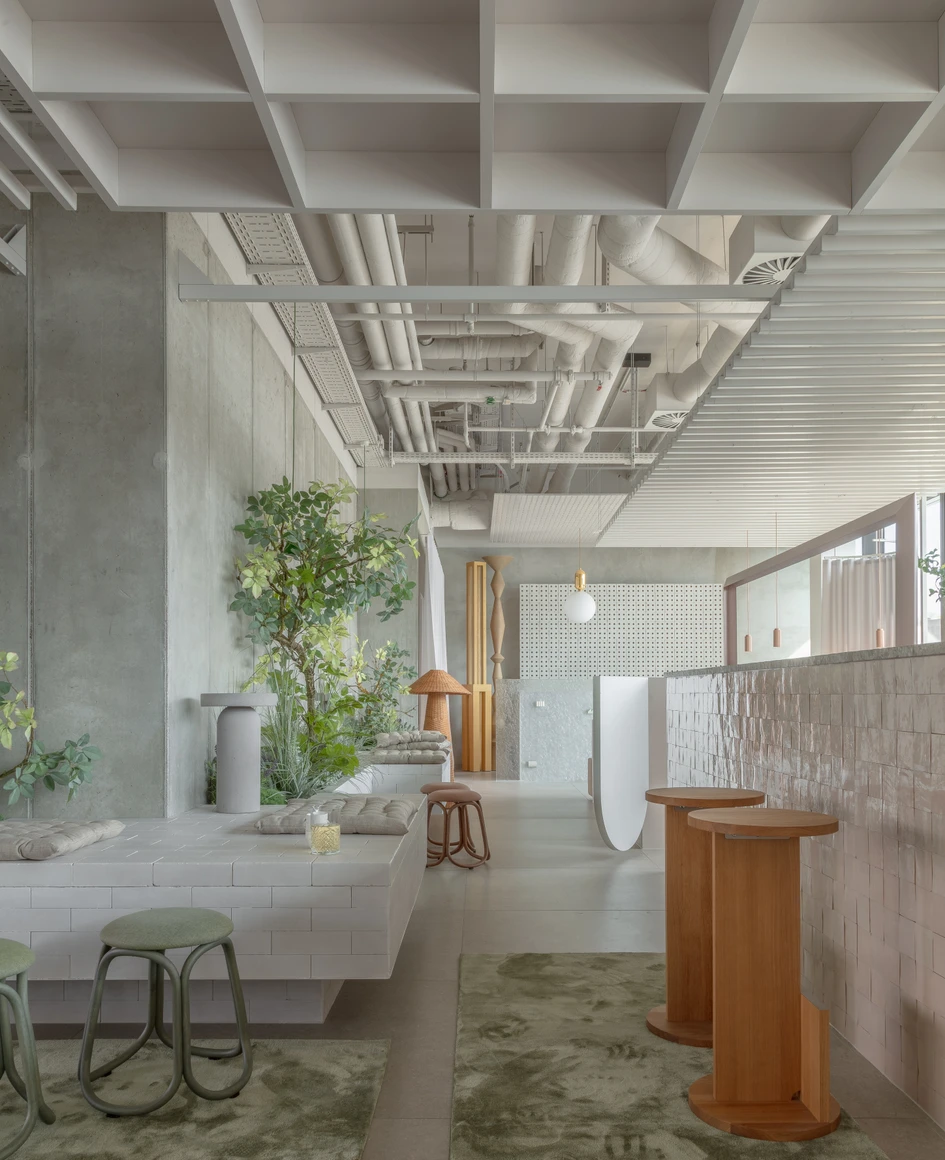


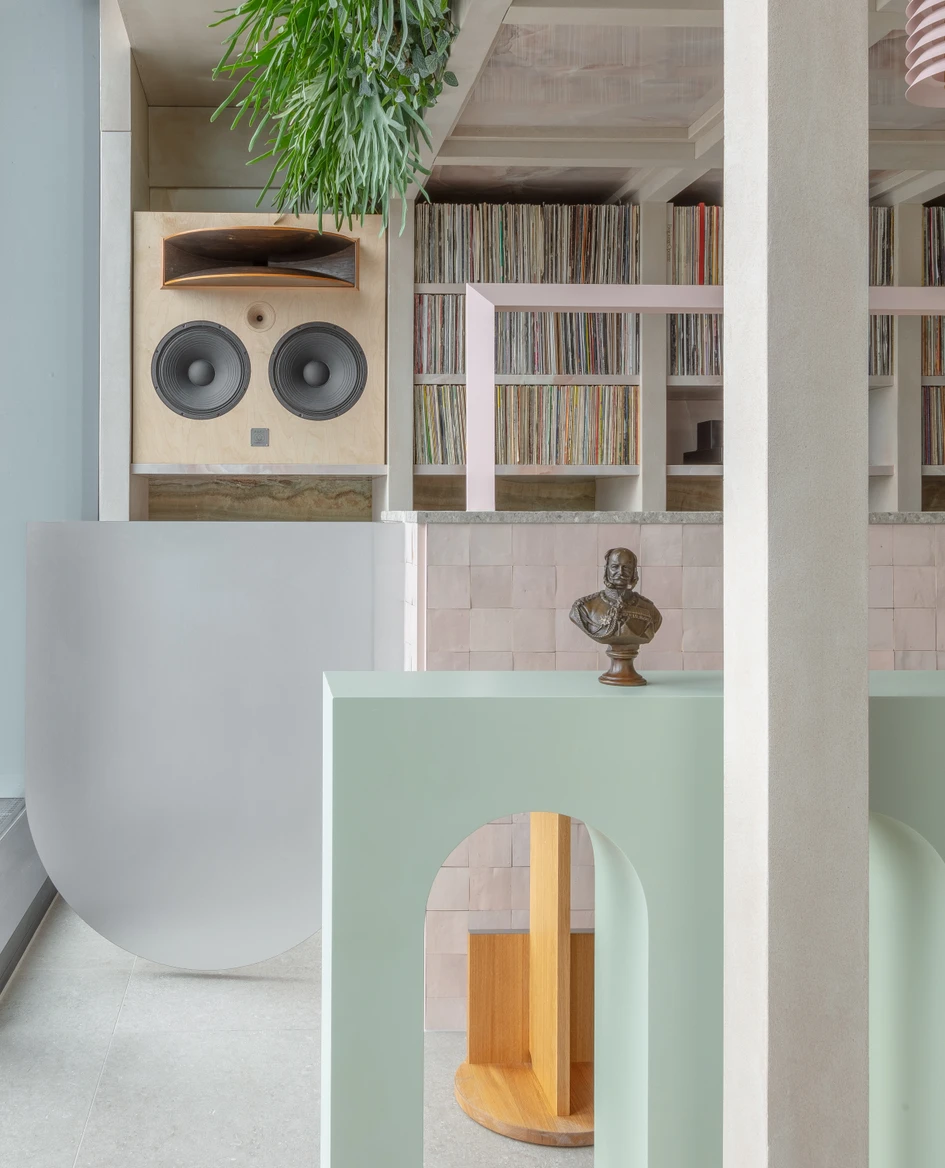
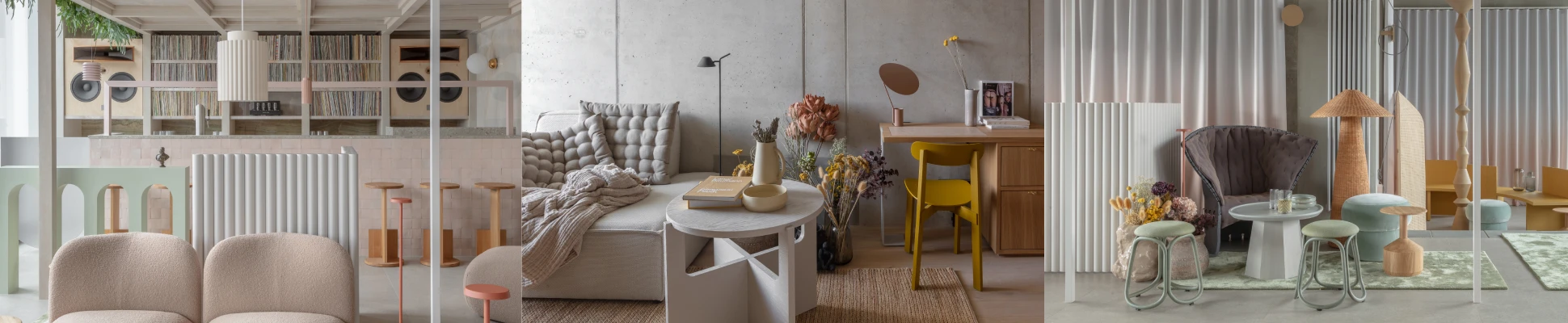
Our design of the guest rooms furthered our exploration of liminality. Thresholds are often associated with movement, exchange and the ephemeral — qualities seemingly at odds with the creation of a tranquil space. Examining this dialectic, however, ultimately supported our desire to inculcate the sense of privacy, comfort and serenity — even refuge — in the guest quarters. The linear plan of the building, with a predominant east-west axis, divines its own taxonomy. The rooms to the north of the corridor face the bustle of Muhlenstrasse, the vibrant East Side Gallery, and the ever-expanding skyline of Friedrichschain. To the south, rooms front the placid River Spree. On the opposite bank of the river, the old, squat buildings of Kreuzberg sit amongst clutches of trees and the setting feels sleepy — almost pastoral. Somehow, given the size and energy of the metropolis, this only seems possible in Berlin. Within the rooms themselves, we created a primary vertical datum. A wallas threshold of our own that organizes function and employs engagement with its varied materiality. Principally comprised of timber paneling, our wall is a wardrobe, a bedside table, conceals mechanical systems, contains a kitchen and bathroom, and encapsulates the egress to the corridor.
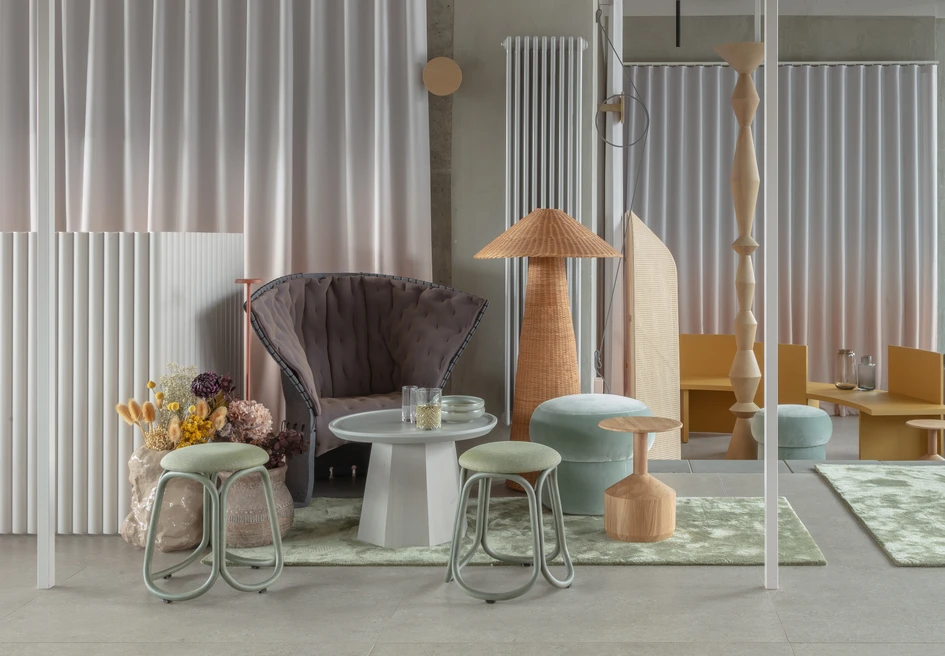
A sliding panel within the wall assembly is made from kiln-formed glass we designed to reference and celebrate the surface of the Spree River just outside. Like the river, the panel is itself a threshold and leads to a contemplative space: the bathroom. A recessed niche for storage reveals itself when the panel is engaged. Clad in back-painted black glass, the material hints at transparency but is ultimately opaque. If the kiln-formed glass is the Spree, we conceived the smoked glazing as the simultaneous mystery and inclusiveness of Berlin — a city that takes time to reveal its manifold layers. Fittingly, we employed the same glass-noire for the shower enclosures in the bathrooms. As in the social spaces, we followed an “outside-in” material hierarchy within the guest rooms. Walls and ceilings are exposed structural concrete,softened with a powdery finish. Hand-scraped wood floors complement the aforementioned wall-as-threshold assembly comprised of timber and textured glass. Pale blush disks hover below the ceilings, tempering the coarseness of the slab above. Velvety ultra-matte kitchens, upholstery and flowing curtains are all tonally consistent with the concrete so that the dissonance between hard and soft is obfuscated by their congruency and neutrality Grzywinski+Pons also designed all of the furniture in the rooms and on these pieces we turned the dial further on chroma, warmth and texture. Turmeric chairs, pastel mirrors, and heavily braided grass rugs are juxtaposed with suede and rattan floor screens and bedheads. The lightinh is as essential to the serenity of the space as it is practical. We designed it to pool and graze as much as to illuminate The organizing principle for all of these interventions is for our liminal space to exalt exchange and coexistence. This is a place where people — guests and locals alike — can be together-together or alone together, and be better off for it. Isn’t that the magic of Berlin itself?
Design Team:
Lead Architect: Grzywinski+Pons
Galería de proyectos


