Size isn't everything: new micro architecture
With the ability to live more sustainably, and just about anywhere, micro homes might just be the solution to really living large.

Di Feste Landscape / Architecture e Peter Smisek
luglio 18, 2018 | 10:00 pm CUT
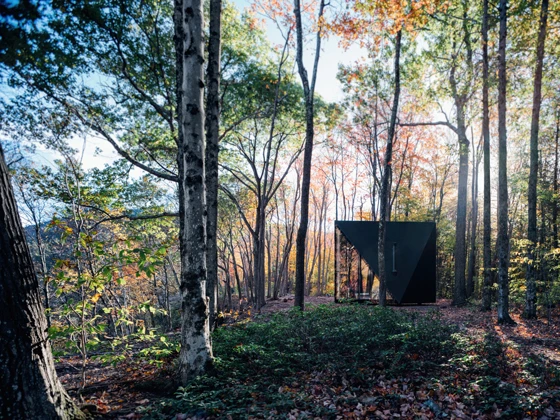
Micro homes are true microcosms of human activity, and as with other domestic spaces, architects are always looking for ways to redefine the relationships between inside and outside, public and private, and people and the natural environment. Tiny contemporary houses also reflect the need to reduce our carbon footprint by providing highly engineered, compact living spaces both in the countryside and in the city.
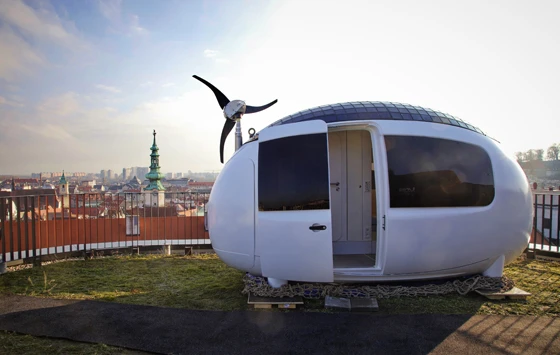
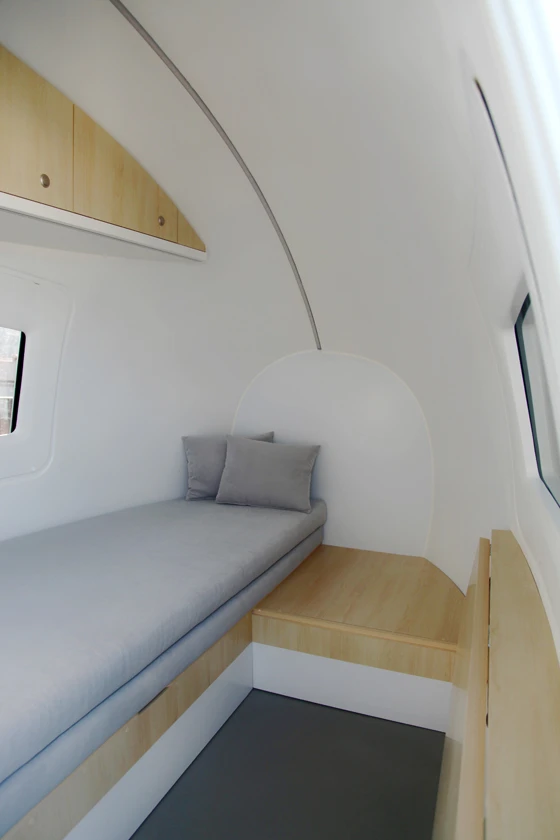
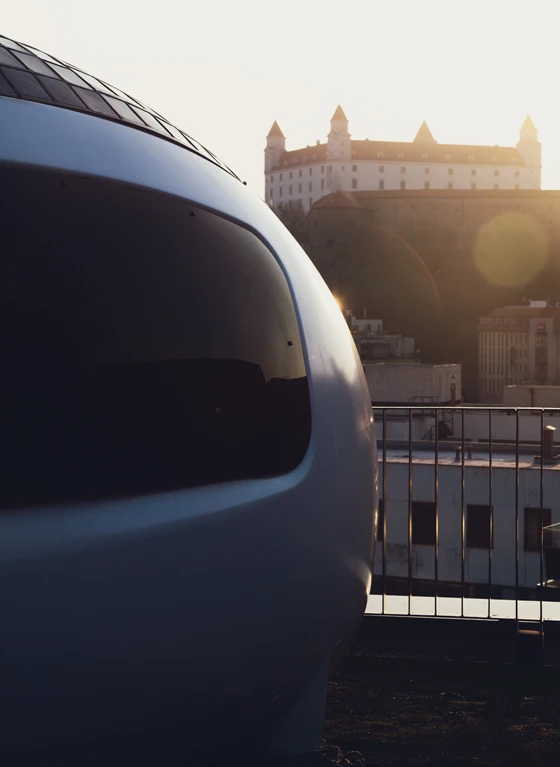
Architects have experimented with off-grid living for decades – think log cabins, geodesic domes, Earthships – but these experiments always had a distinctly DIY flavour. Not anymore. Today, designers such as Nice Architects, create sleek micro homes like the ovoid Ecocapsule – a pod-like compact living space with PV cells on the roof, a small wind turbine on its side, rainwater tank and an integrated water purification unit. While the comfort level is somewhat on the basic side, it allows, in theory at least, users to settle down anywhere that takes their fancy.
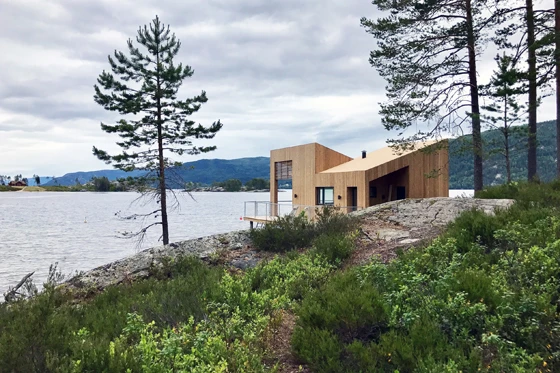
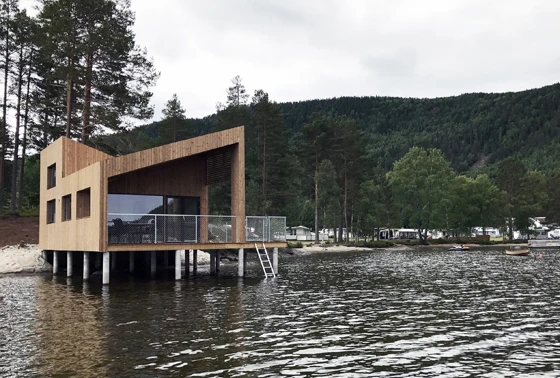
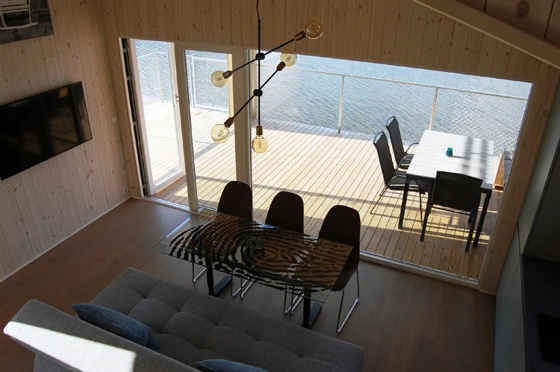
A similar, if more spacious approach is evident in Feste Landscape / Architecture’s Nisser Micro Cabin in Norway. Commissioned by a local cabin developer and contractor, the aim was to develop a floating cabin. Although the authorities did not permit the project on Nisser lake itself, the architects raised the building on stilts above the water’s surface, aiming to demonstrate the tiny home’s independence from its solid foundations. The micro cabin, an angular shed-like space made of treated pine, offers wide views of the surrounding nature and a generous terrace that wraps around two sides of the building, which provides further connections to the great outdoors.
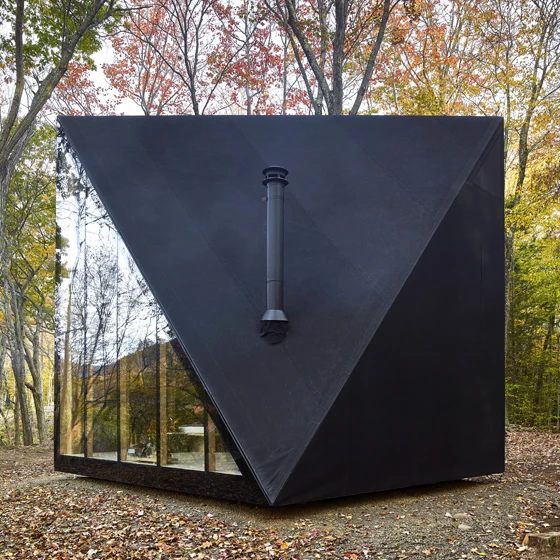
A Nordic approach is also evident in Bjarke Ingels Group’s (BIG) Klein A45, an angular micro dwelling that blends the traditional American A-frame with the minimalist Danish ‘hygge' feel. The exposed pine skeleton of this prefabricated cabin is filled in with cork insulation which provides thermal and acoustic comfort, and the interior is furnished with iconic Scandinavian pieces from the likes of Kvadrat (bed), Carl Hansen (furniture) and Morse (wood burning stove). The crystalline exterior creates a strong identity while the soaring interior, featuring an entire glazed wall, provides an intense connection with the forest outside.
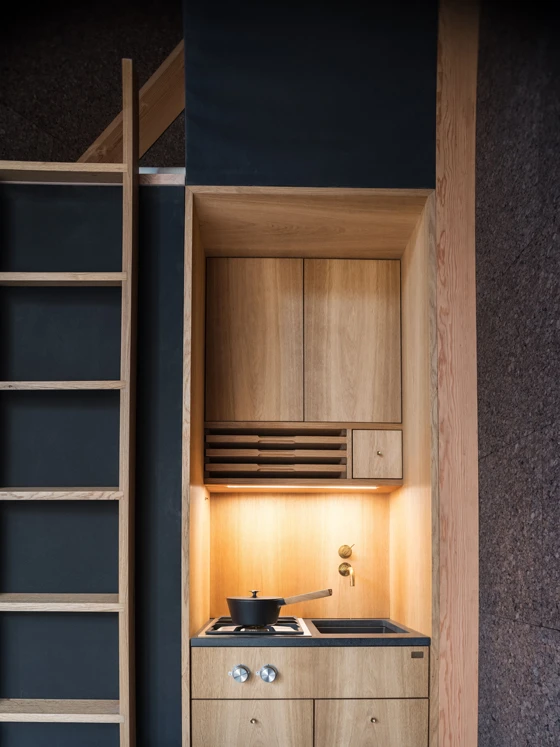

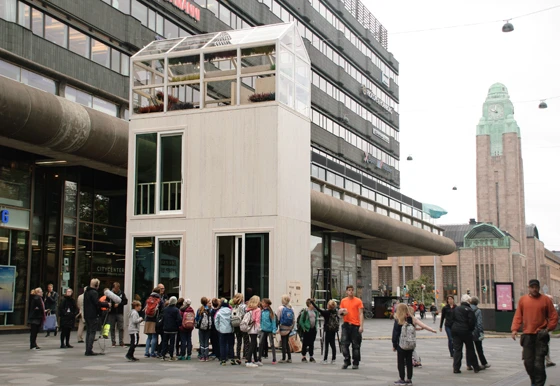
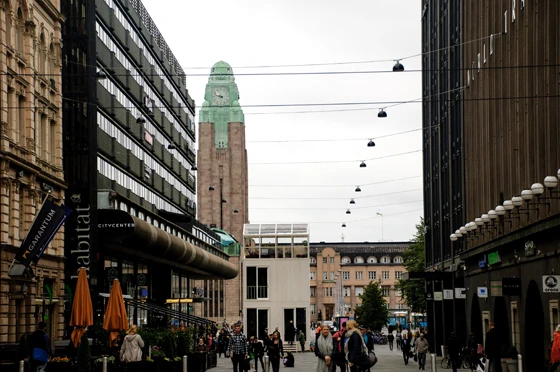
Not all micro homes are designed as second homes to be sited in beautiful natural landscapes. Casagrande Laboratory’s Tikku is an unusual and experimental dwelling that fits within a standard, 2.5-by-5-metre parking space. Designed to address today’s nomadic urban lifestyles, Tikku is a multi-storey micro home that offers its residents a basic level of luxury. Tikku is intended as part of a cluster similar structures, while shared facilities such as saunas and laundry rooms would provide future residents with a sense of community and belonging.

© Architonic
Galleria del progetto


