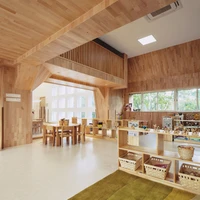
Small Wonder: new kindergartens
Design-led kindergartens aren't just places for storing kids. They're cleverly conceived spaces that support development through play and interaction.

+2
Di HIBINOSEKKEI + Youji no Shiro, VMDPE Design, ArkA design e
aprile 2, 2019 | 10:00 pm CUT
Early-years education as we know it has been around for almost 200 years. The first kindergartens were set up to enable the parents of small children to continue working. But today, kindergartens have become places where children are given a solid foundation for their further development through play and interaction with their teachers and each other.
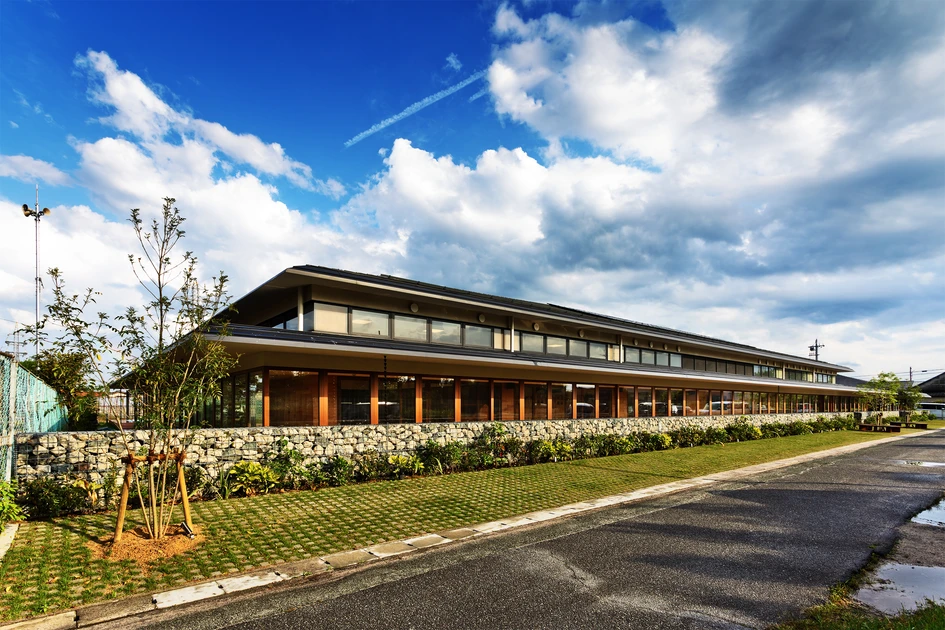
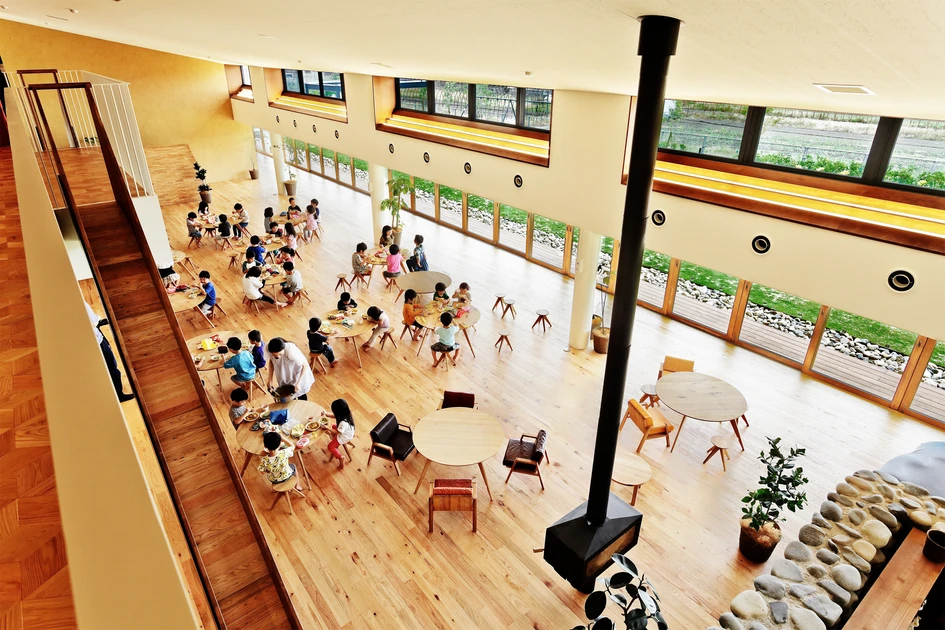
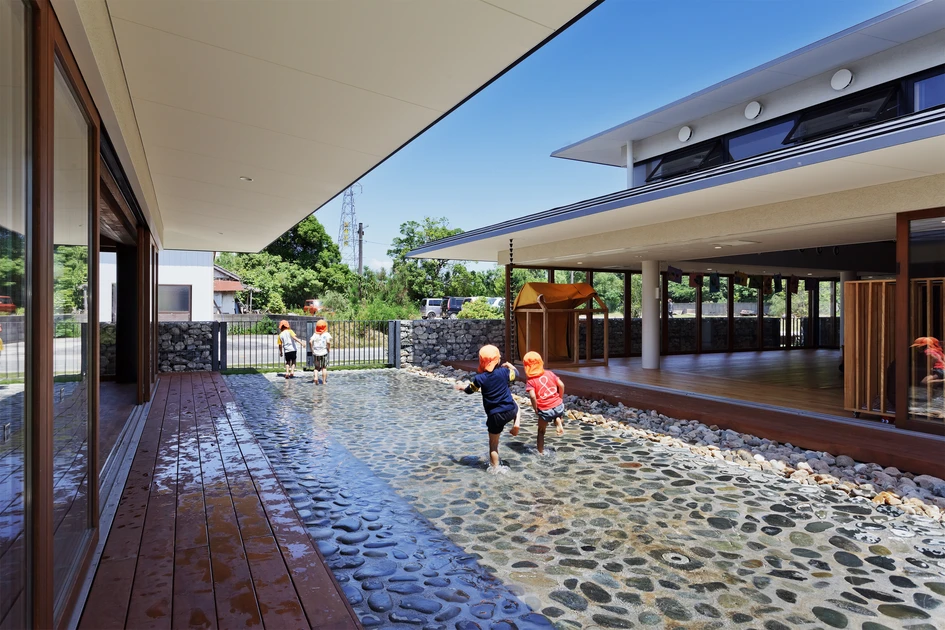
Contemporary kindergartens are by default highly accessible, child-friendly and playful spaces, but they can also be deeply contextual. Take the YM Nursery in Yonago, a small city in central Japan. Designed by HIBINOSEKKEI + Youji no Shiro, this kindergarten is built and furnished using timber, while its garden is paved with local stones. From the outside, it takes the shape of a traditional yet oversized Japanese house, while inside, it features two storeys of classrooms with slides coming down to a double-height common area.
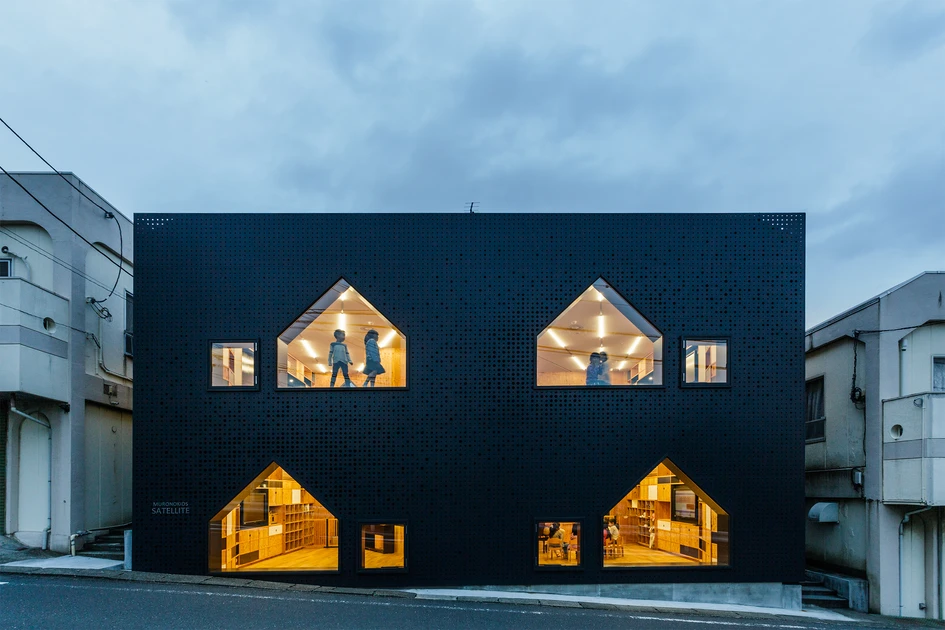
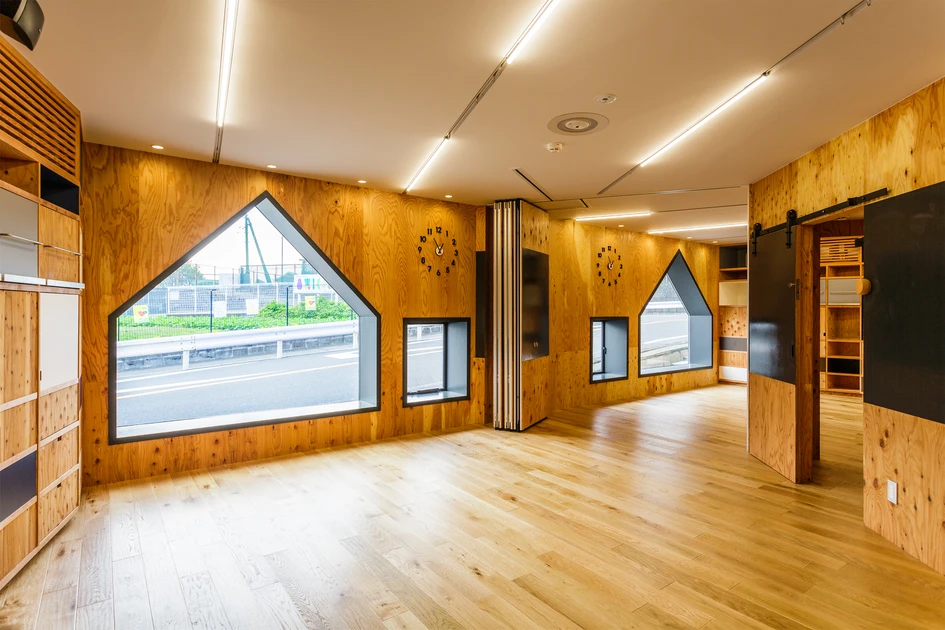
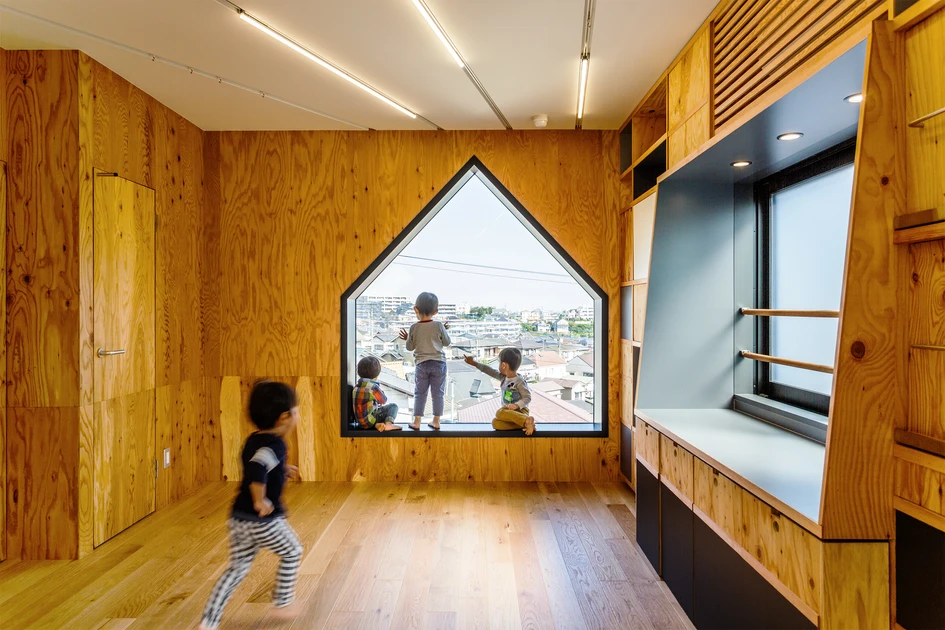
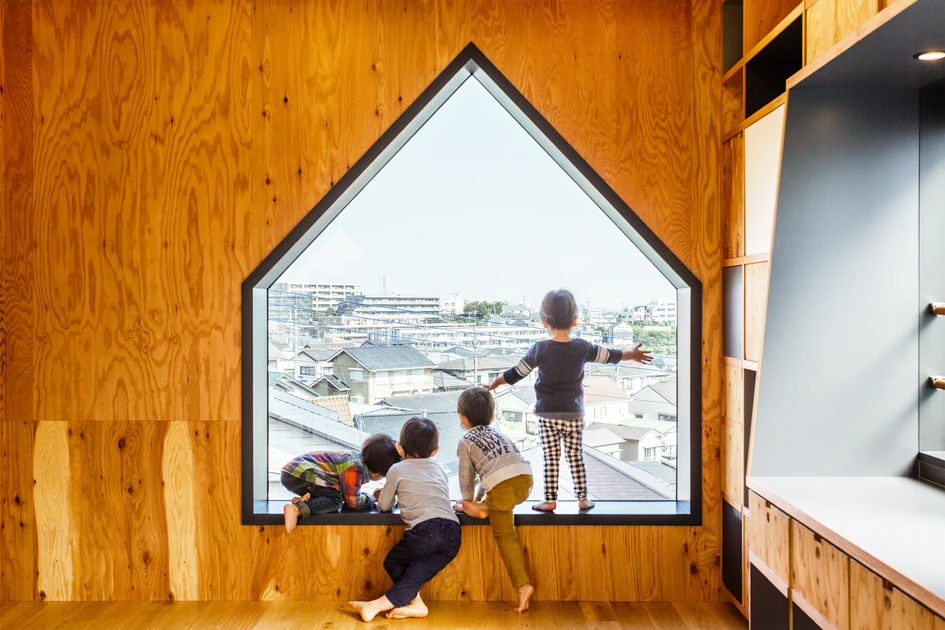
Another kindergarten by the same practice shows a different approach altogether. Located in a more urban setting in Yokohama, the Muronokids Satellite is located in a refurbished shop adjacent to an existing preschool. Outside, the architects have created a new facade by designing playful, house-shaped windows, while inside, the classrooms are irregularly shaped, panelled with plywood and feature folding walls, which are used to create larger play spaces.
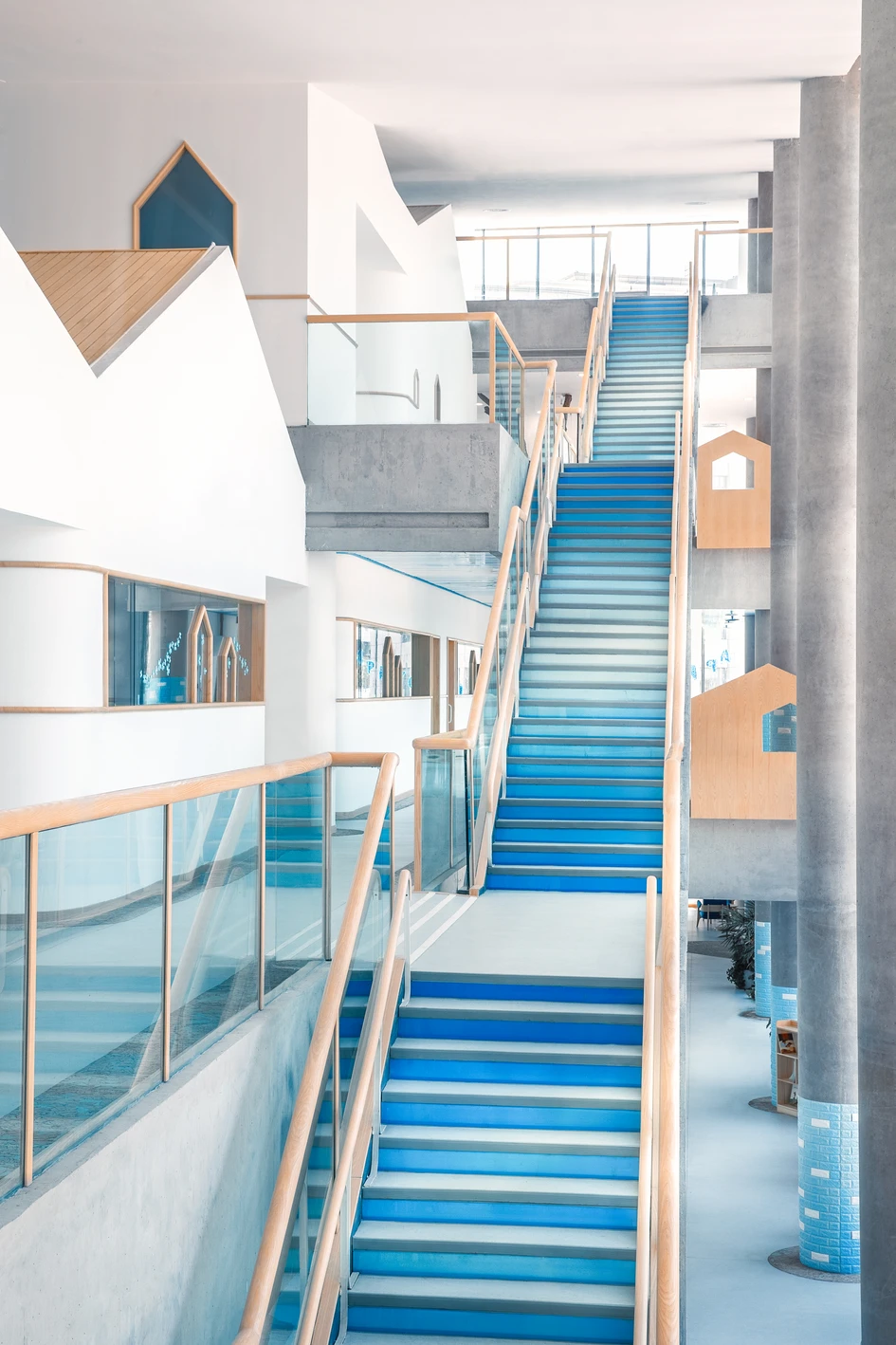
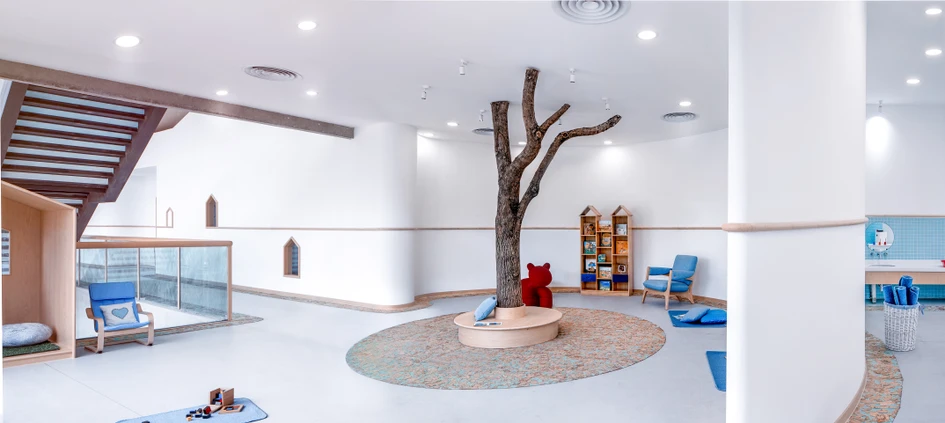
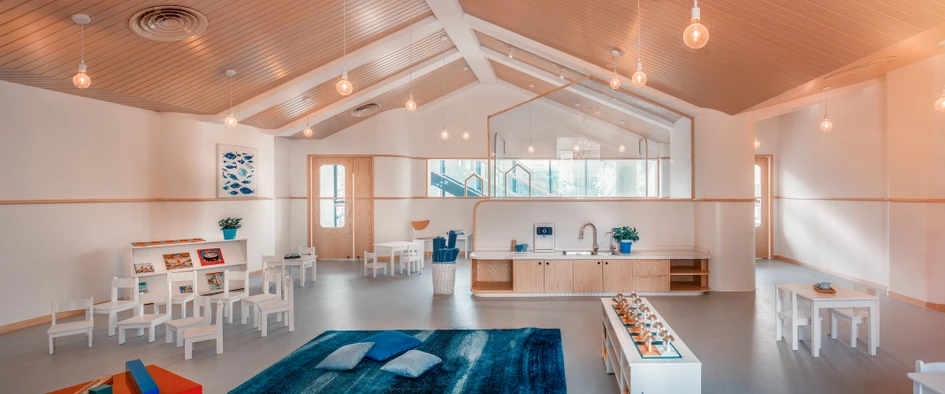
Many kindergartens are designed with a specific educational philosophy in mind. For instance, ArkA Design's Beijing Peninsula Kindergarten was created specifically for the Montessori system of education – which emphasises the importance of play, self-discovery and an environment scaled down to children's needs. Balancing clarity with whimsy, the building features a light-filled atrium with a blue staircase that connects the different floors. The classrooms are conceived as discrete house-like units and the library as a town square, complete with a tree in its midst.
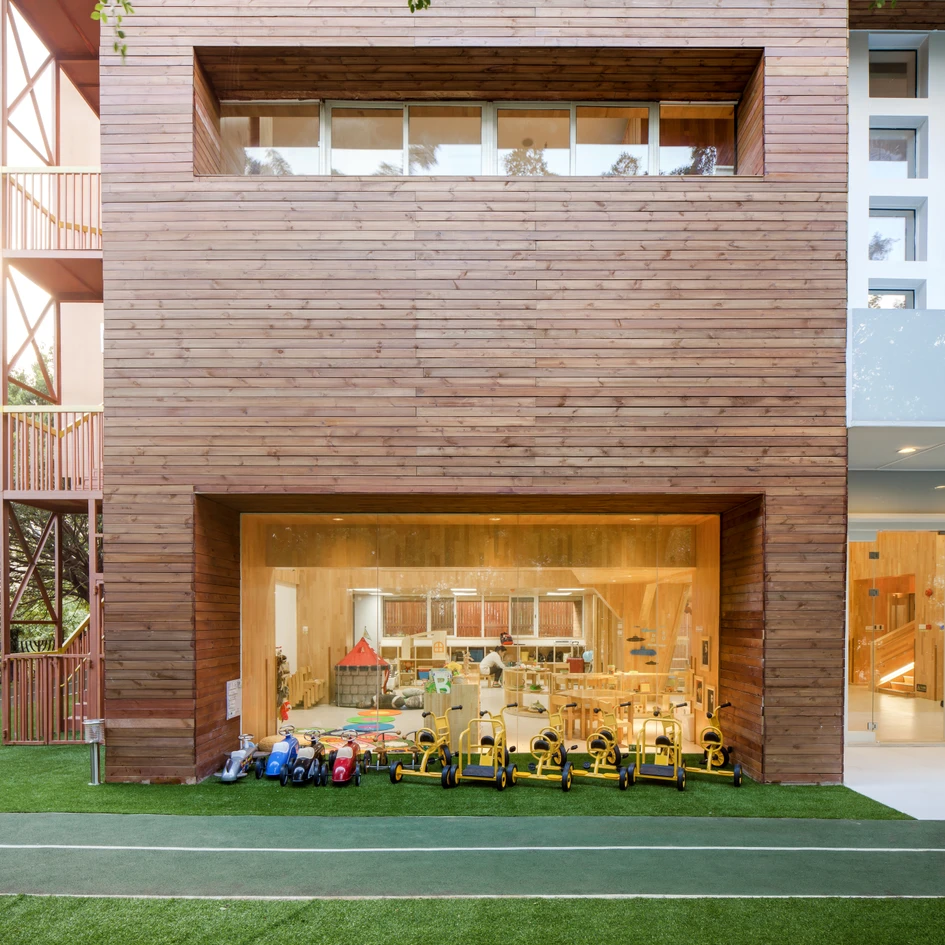
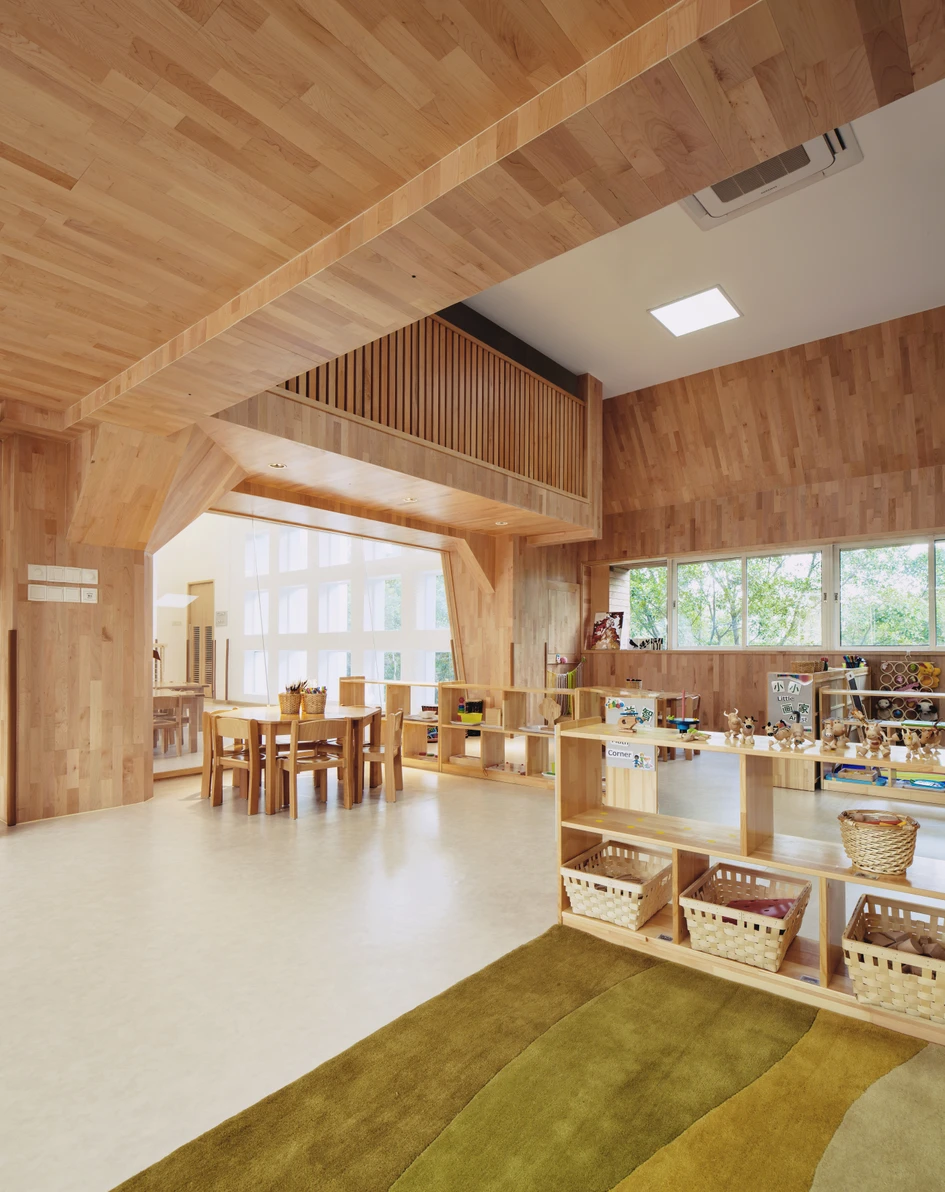
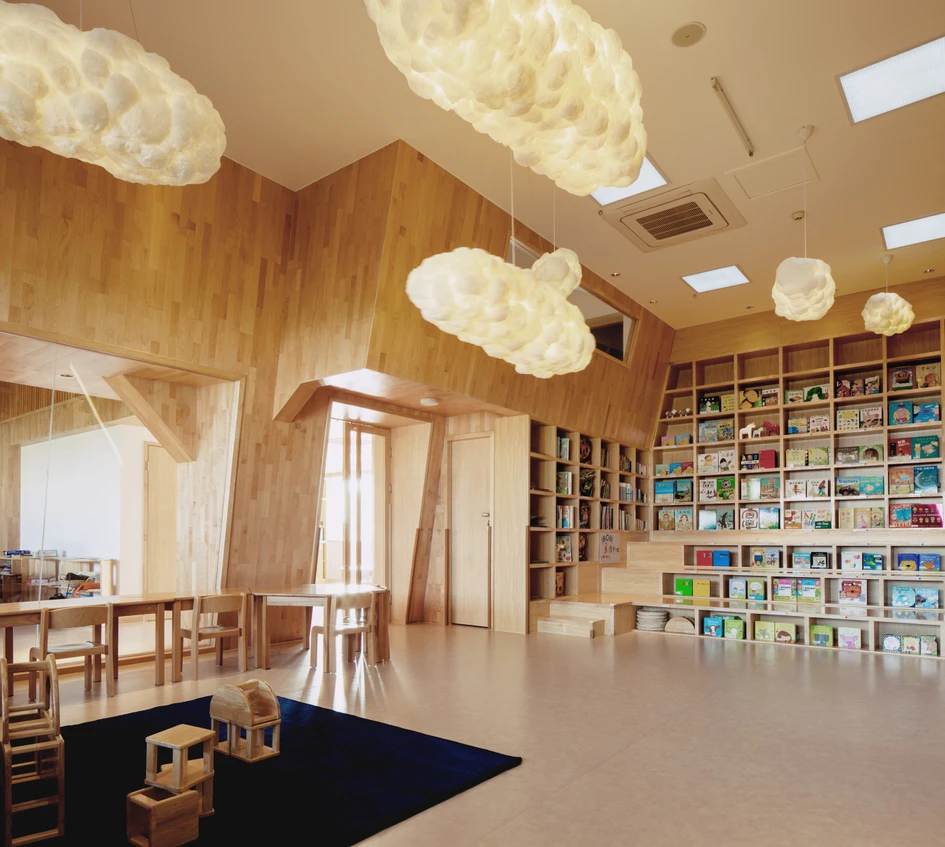
The IBOBI International Kindergarten in Shenzhen is also designed to be in line with Montessori educational principles. Situated in an old building adapted by VMDPE Design, the kindergarten features large windows, a semi-open floor plan and timber-clad walls in order to create a welcoming atmosphere. Additionally, the building's features such as stairs and railings, have been scaled down, while some of the play areas feature angled walls, and gently sloping, soft rubber floors that allow children to play and explore their perception and sense of balance.
@ Architonic
Galleria del progetto