Not thinking straight: Wehlers
On a mission to improve the furniture industry, the new Danish manufacturer WEHLERS achieves impressively simple designs while adhering to the framework of a circular economy.


Di Wehlers e Alyn Griffiths per

Wehlers
settembre 25, 2017 | 10:00 pm CUT
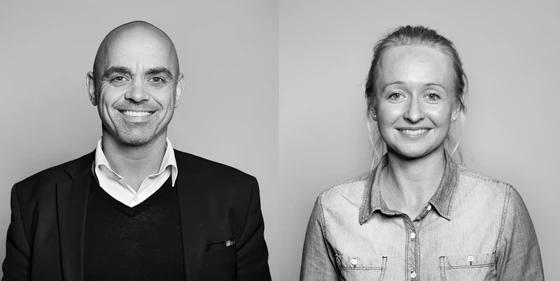
Henrik Holm and Maria Fryd Wehler are on a mission to change the furniture industry for the better. Wehlers – the company the pair launched in Copenhagen earlier this year – combines sustainability and quality design to create products that minimise their negative impact on the environment. The firm takes a holistic approach to sustainability, reusing existing materials and ensuring products can be either repaired or dismantled and recycled. “Our ambition is to offer furniture that is not only built sustainably,” says Holm, “but also so well designed, it sells even without the sustainable aspect.”
Holm had the idea to establish Wehlers after working in the design industry for two decades with companies including Fritz Hansen and Kvadrat. Determined to establish a business that adds value for both customers and the planet, he combined his industry experience with knowledge gained from an MBA in Leadership and Sustainability to re-evaluate how furniture is produced and consumed.
The company’s model of operations is based on the principles of a circular economy, which offers an alternative to the traditional linear economy where goods are bought, used and then often thrown away. In a circular economy, products are designed to be repaired and reused or recycled, therefore minimising waste and maximising the value of raw materials.
Wehlers has established an ecosystem of suppliers who provide recycled materials for its products, including steel, foam and textiles. These suppliers are also prepared to take the materials back and reuse them at a later date. “We don’t just want to have one sustainable product, but rather a sustainable company working primarily within a circular economy,” Holm explains. “I haven’t seen any other furniture company offering this solution yet and I believe there is huge potential in this market.”
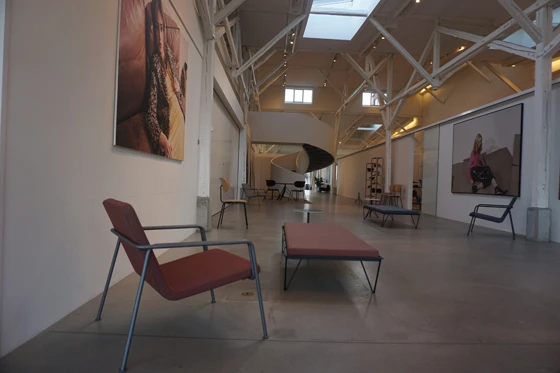
For Wehlers, design is a crucial part of ensuring it is seen as a manufacturer of desirable, contemporary products, with its sustainable credentials as a bonus. The company works with Danish designers to develop pieces that draw on the country’s Modernist heritage, combining simple forms with playful details that bring the furniture right up to date. With architects increasingly looking to incorporate sustainable thinking into their projects, this design-led approach offers products that work well in a range of contemporary environments.
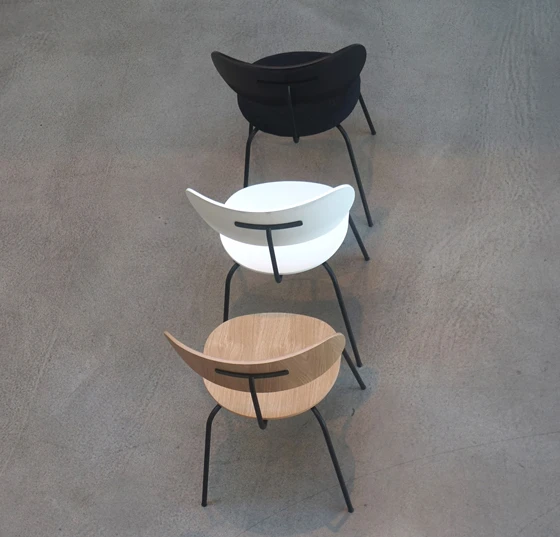
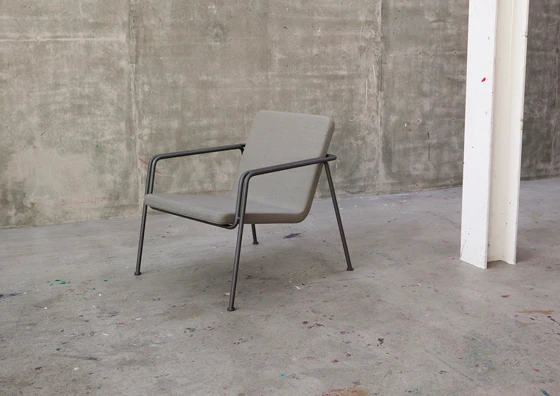
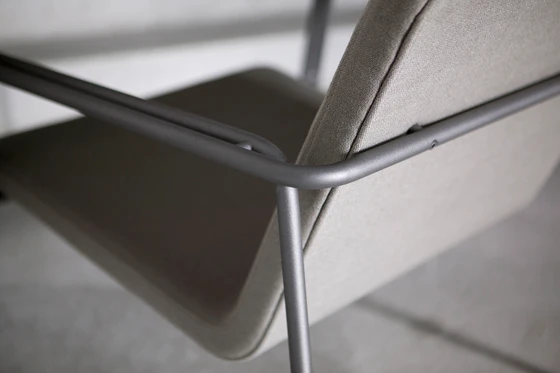
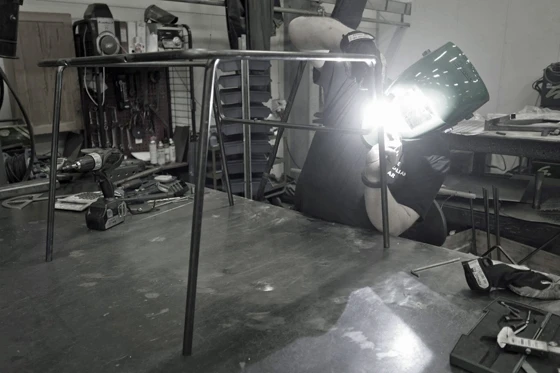
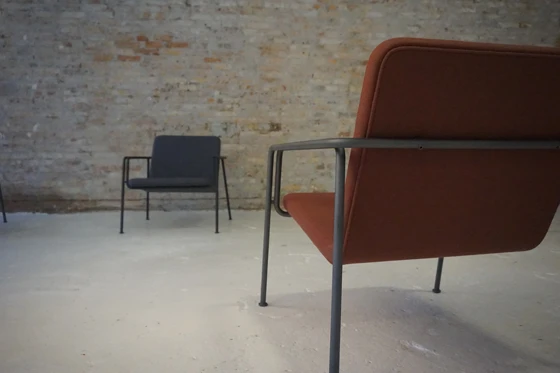
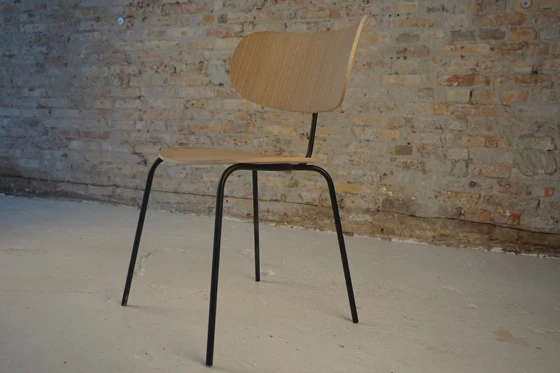
A two-year development period has resulted in an initial collection featuring products that utilise recycled materials in intelligent ways. The New Best Friend lounge chair, for example, uses a moulded wooden seat developed and produced by one of the company's suppliers for a decommissioned chair. Adapted by designer Martin Larsen, the seat was entirely upholstered in wool fabric from Danish brand Kvadrat, and is supported by a minimal recycled-steel frame assembled from just two pieces of precision-formed tubing. Steel and wood are also used for the Alternative dining chair, designed by Noergaard&Kechayas. Its oversized wooden backrest is extremely comfortable and lends the chair a distinctive character. In addition to being designed for disassembly and reuse, all Wehlers products can be repaired using available spare parts that can also be fabricated based on technical drawings supplied by the company.
Holm claims that Wehlers is the world’s first B-corporation furniture brand, meaning it fulfils a rigorously regulated set of criteria regarding social and environmental performance, public transparency, and legal accountability. Operating in this holistic way adds complexity and cost to the design and manufacturing process, but Holm believes it is essential that more companies begin factoring in ways to reduce the environmental cost of their business rather than focusing purely on profit. “We simply don’t have the resources we need, so this is something we have to pursue,” he insists. “Our mission is to change the furniture industry for good by showing that there is a better way of doing things.”
© Architonic
Galleria del progetto


