Keeping It Real: Claus Mølgaard
Behind every great design there's a great designer. But, more often than not, there are a number players involved. Meet Claus Mølgaard, the go-to Danish design engineer whose work on products for the likes of Ron Arad and the Bouroullec Brothers reminds us that design is an iterative, and often complex, process, as much as a finished product.

giugno 30, 2011 | 10:00 pm CUT
Any viewer of (or, if you're lucky enough to be one, audience member at) the annual Oscars ceremony knows what makes a generic acceptance speech. 'I really wasn't expecting this.' 'I've not prepared anything.' 'I'd like to thank my mother and father / my beautiful and supportive spouse / my director, studio boss, DP, best boy, make-up artist, etc, etc.'

If there were an Oscars night for the international design industry, one name would certainly appear with regularity in those moist-eyed acknowledgements. You may not have heard of Claus Mølgaard, but he's the go-to engineer who takes designers' ideas and proposals and translates them into workable, production-ready pieces. He makes things possible. Think of him to design as Cecil Balmond is to architecture.
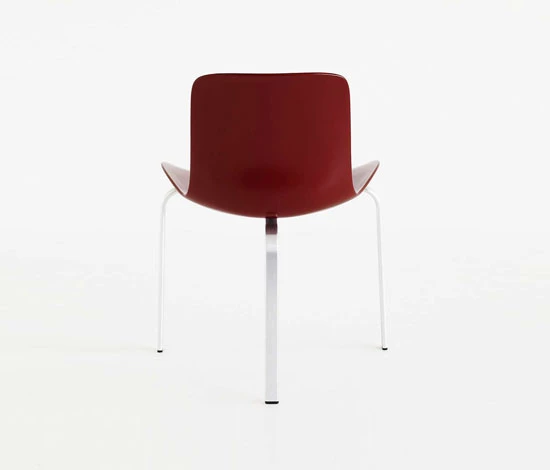
His list of clients is an impressive name-check of some of the most successful design brands in the business – among them Magis, Moroso, B&B Italia and Fritz Hansen – and features the work of such respected designers as Ron Arad, Erwan and Ronan Bouroullec, and Poul Kjaerholm. All have called upon Mølgaard's expertise to turn the creative into concrete. 'It starts when the designer has a client who doesn't have the capability of capacity to develop the product,' he tells Architonic in his cool, Scandinavian manner. 'They get in contact with us. We do what they can't do internally.'

A trained mould-maker, Mølgaard went on to study engineering and then complete a PhD in plastics and environmental science. Entering the commercial world, he put in three years of service at established Danish manufacturer Fritz Hansen before going it alone. He's not looked back since.

But to consider Mølgaard's activity as mere engineering is to do him a disservice. He explains: 'We have more or less a generic process we go through, based on evaluation of, of course, the design, but also evaluation of the mechanics, evaluation of the economy. And sometimes an evaluation of the environmental impact of the product.' Only sometimes? I ask Mølgaard to what extent he 'engineers in' sustainability into the projects he works on. 'I don't think that the way we live at the moment is sustainable,' he replies with refreshing honesty. 'Sustainability is about ensuring that future generations' needs are met, too. This requires something totally different in the way we produce.'
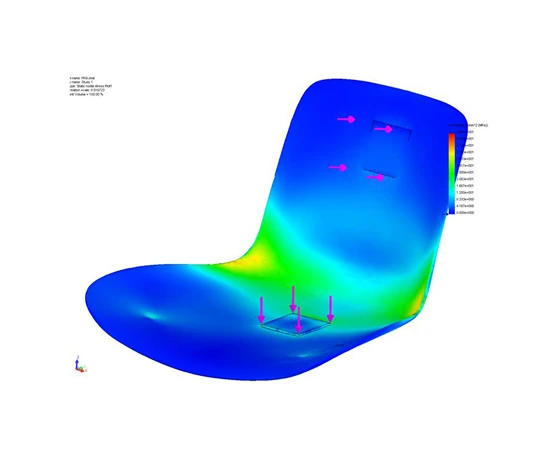
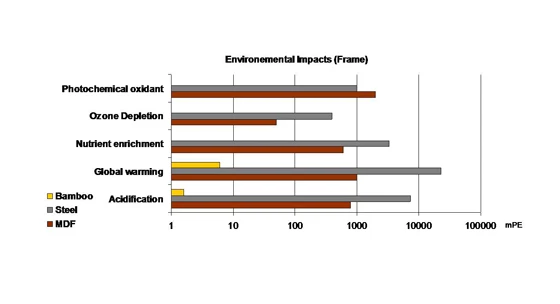
Mølgaard, nonetheless, uses software when developing a product to profile the environmental effects of using materials and processes. 'We try to find the optimum combination for the minimum environmental impact.' But not every client is prepared to pay for this. It comes as no surprise, perhaps, that sustainability, or, rather, the attempt to move towards producing sustainably, is still an add-on for many manufacturers, rather than a prerequisite.
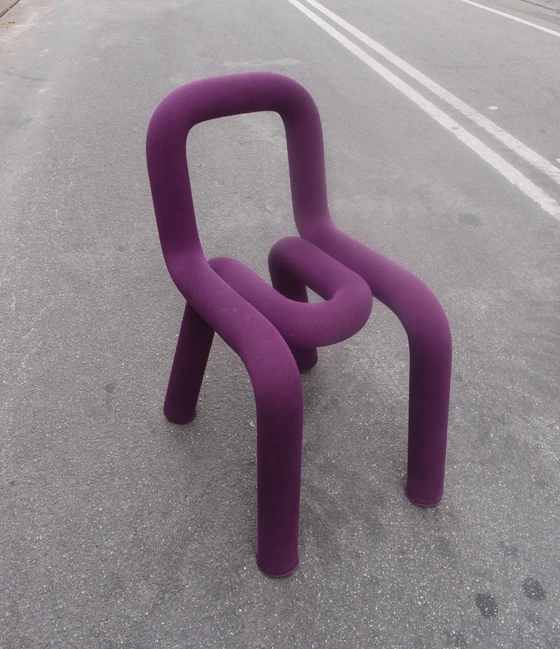
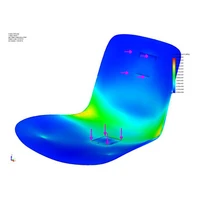
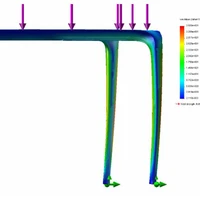
While certain clients might not be prepared to invest in securing the best environmental credentials for their products, they're definitely keen to launch products that are progressive in other ways. Mølgaard's vanguard approach to design engineering helps achieve this. 'We don't work much with incremental design,' he says. 'It's more about a revolutionary development. This means we have to do something different than before. Of course, we have a lot of knowledge and skills, but the way we work is about pure physics. We don't look too much at what's come before. We figure it out by being creative, by using software, to evaluate our ideas. The designer has a specific idea and we try to develop this.'
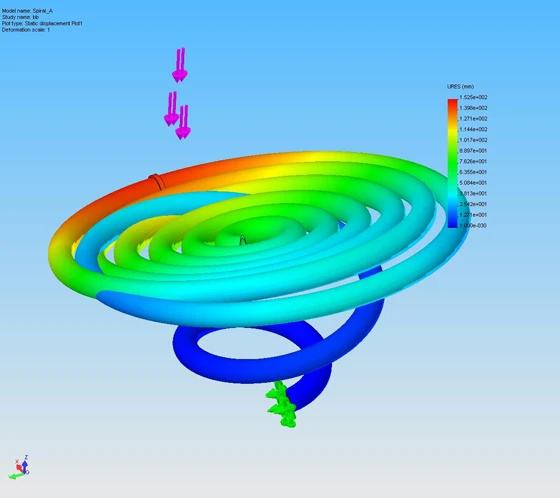
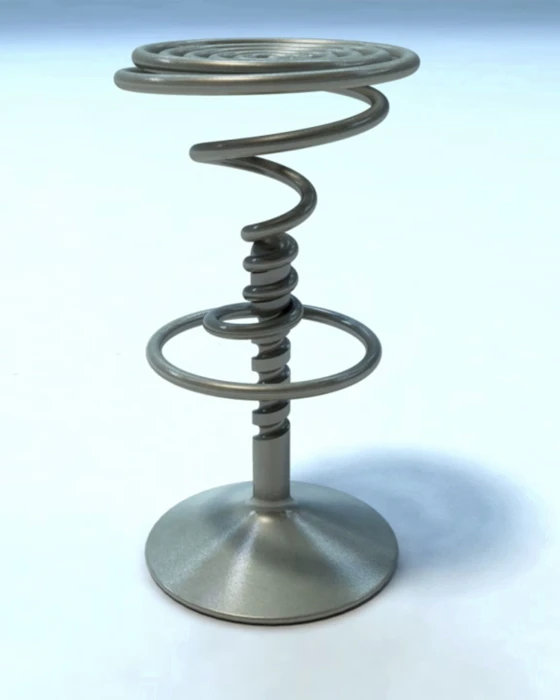
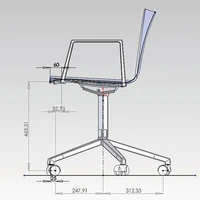
But the designer's idea isn't always a feasible one. Even though the usual process involves the designer presenting Mølgaard with sketches from which he and his team make drawings, that are then presented back to the designer for possible modification, usually on the level of detail, he explains that 'sometimes we find the concept from the designer will not work from a physical point of view. Or an economic point of view. So we have to come with some other ideas, which are still in line with the original idea.'
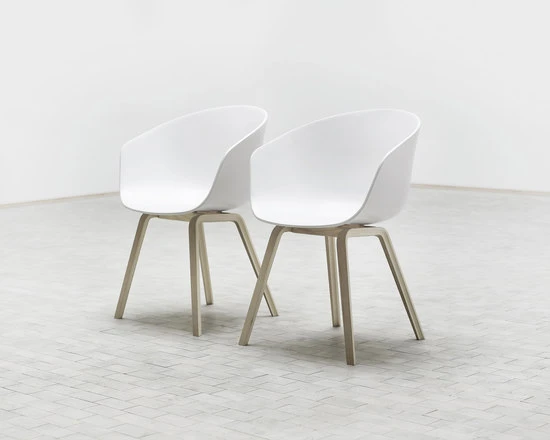
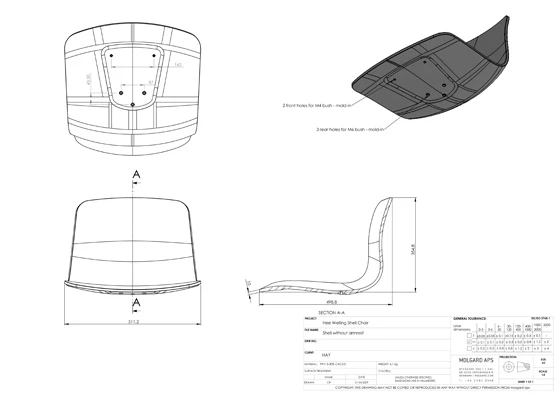
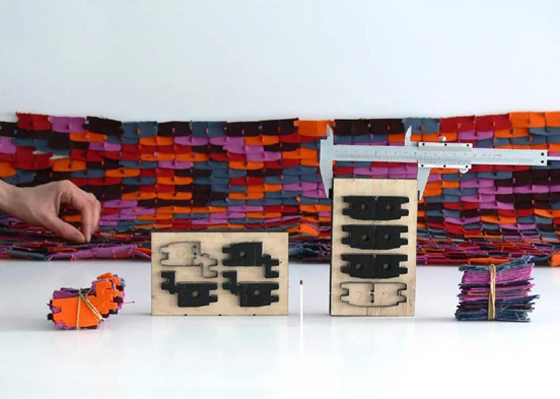
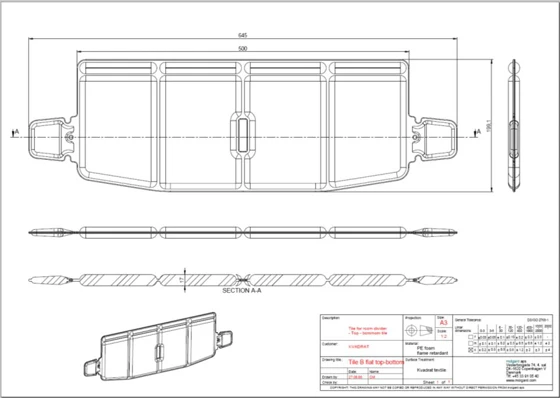
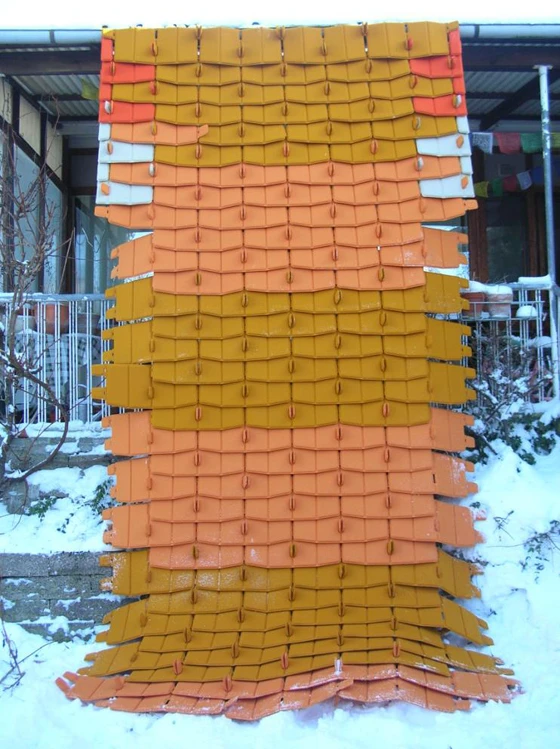
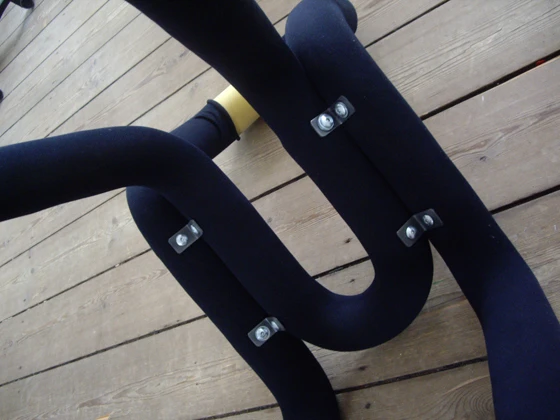
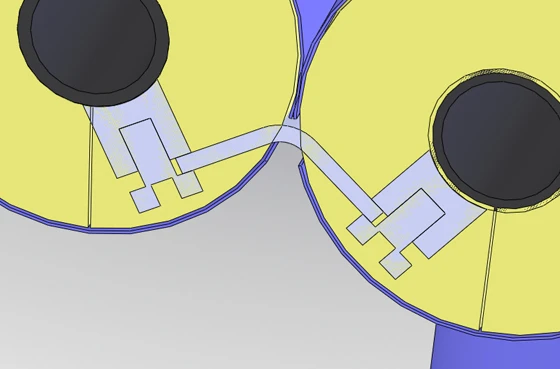
Mølgaard has successfully collaborated with, among others, the Bouroullec Brothers on two of their products for leading Danish textile manufacturer Kvadrat – 'Clouds' and 'North Tiles', where he was charged with finding the right manufacturing process to produce their desired forms. Understanding and being able to speak the design language of designers he works with is important. 'Different designers like to shape their products differently. Some like to make their work more square, others more organic. It's very important that you understand them, otherwise the project won't run smoothly.'
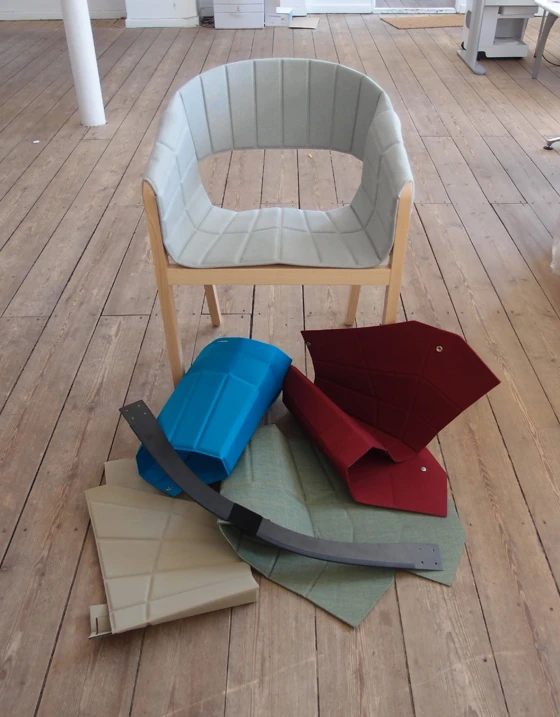
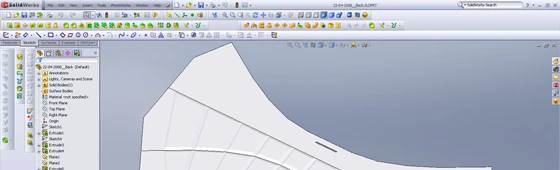
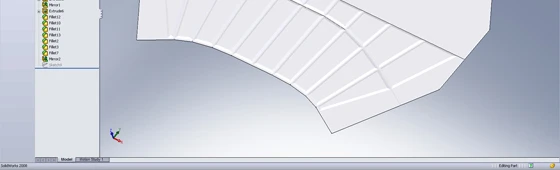

On the Bouroullecs' projects, Mølgaard met with the designers in Paris several times. 'They did some drawings, I did some drawings. They had the idea of making these tiles, and I was very involved in how the bits connected, how they fitted together. And because of this, the shapes themselves changed.' Such a collaborative approach naturally raises the interesting and thorny question of authorship, for if an engineer is, at times, responsible through this analytical input for as fundamental a change to a product as its form, should they not also be co-credited for its design? Perhaps not, but if such a question is to serve any purpose at all, it's to remind us of the multiplicity of actors involved in the process of bringing a product to market.
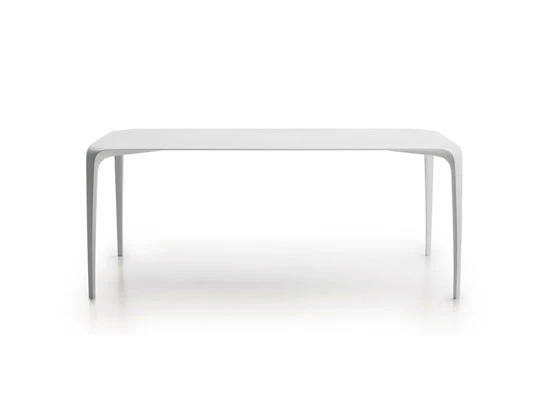
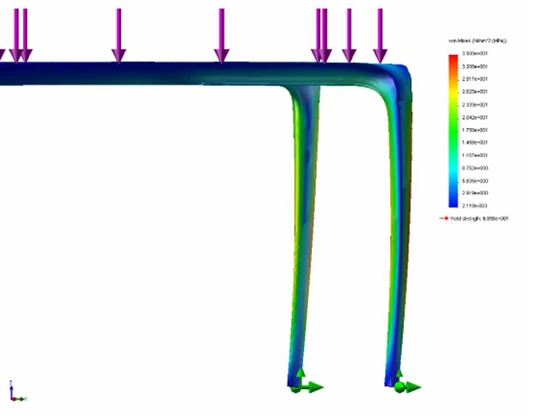
Mølgaard's work also serves to foreground the fact that design is an iterative process as opposed to a singular act. It's through the repeated revisiting of an idea, its testing and evaluation, that a considered, relevant and meaningful product emerges. But it's not always easy, particularly in terms of keeping everyone involved happy. 'You're standing between the designer and the manufacturer,' says Mølgaard. 'The designer wants everything special and price isn't so important for them. The manufacturer wants to be able to sell it at a reasonable price. You have to deal with this. The only thing you can do is to be honest, to say that's the way it is.'
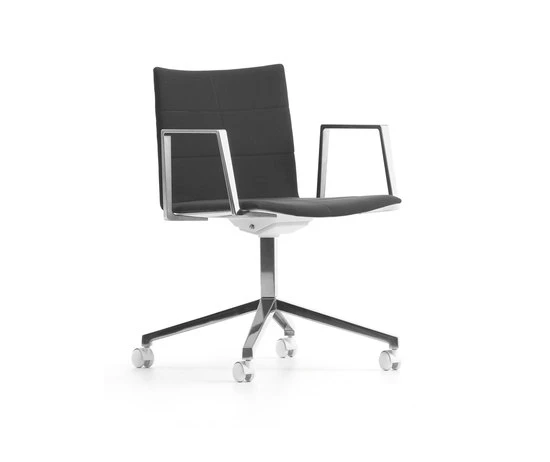

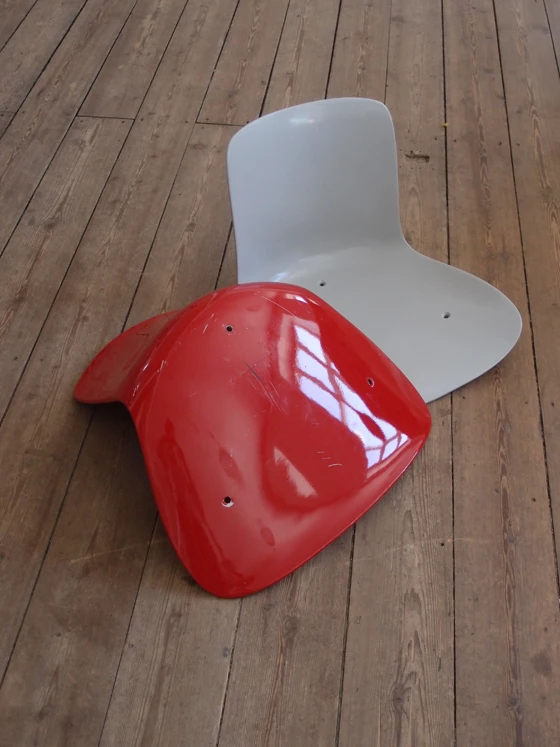
So what would he honestly like to work on, if he were given carte blanche? 'Well, the projects I do with Ron Arad are always interesting and very, very complicated. He's looking for a particular shape and we have to solve this from a technical point of view. His products are normally expensive so there's the money to do it. But, honestly, I'd like to work a bit more on industrial design. Or medical products where there are a different set of requirements for users who have different conditions. But industrial design generally. Not just chairs.'
If they're ever redesigning the Oscar, they know where to go.
....
Galleria del progetto