Soft spots: Heimtextil 2019
A new concept for its 2019 edition sees HEIMTEXTIL also tighten its contract focus. Frankfurt in January is where architects go to discover the latest textile products and ideas with space-shaping value.


novembre 13, 2018 | 11:00 pm CUT
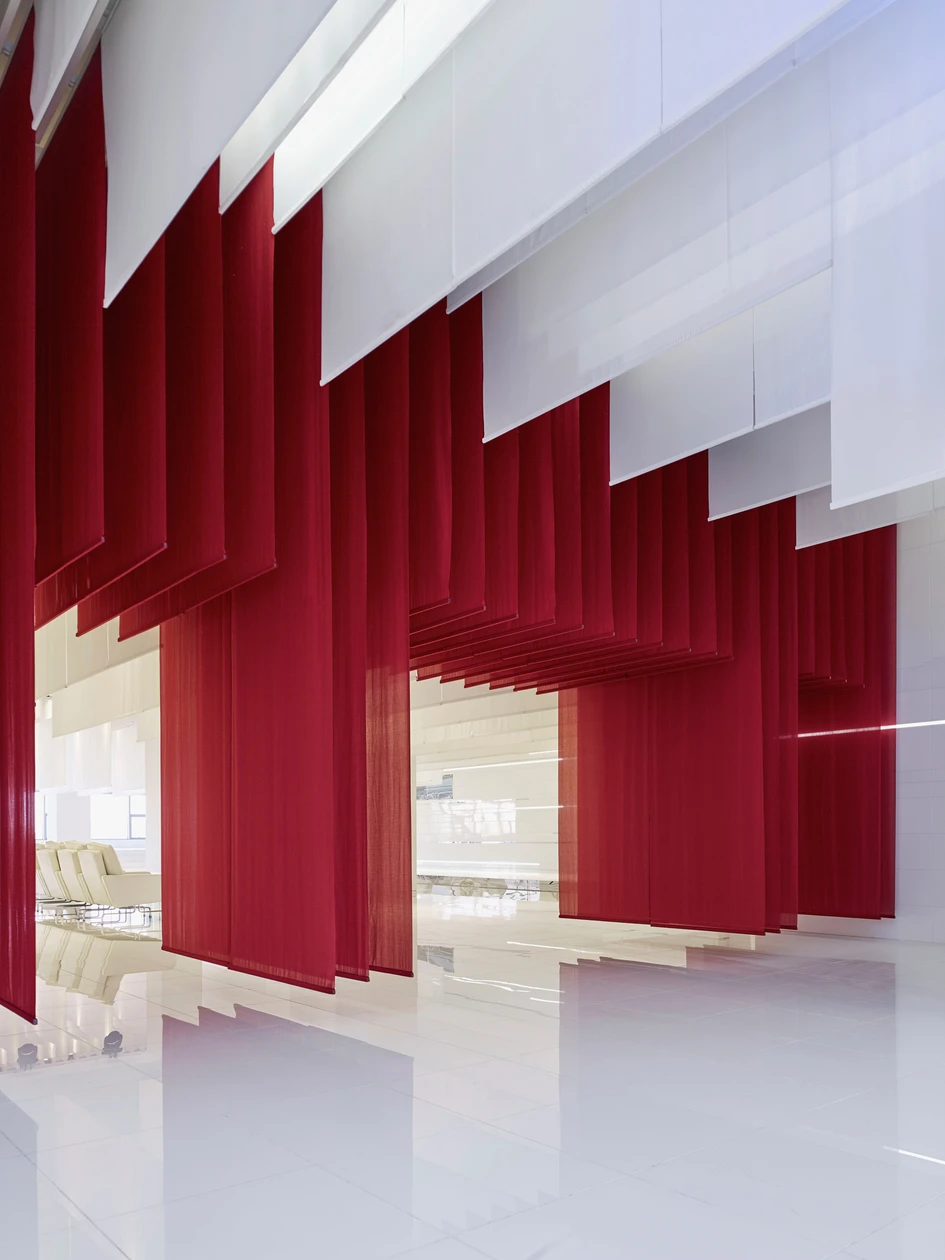
When it comes to architecture and specifically interior spaces, we take it almost for granted that the built landscape around us functions as a kind of carapace. Traditionally, hard planes and surfaces define our environments, creating volumes that we inhabit and through which we pass. They offer us comfort and afford us a sense of protection.
But, as humans, we respond with pleasure and fascination to the soft – on both a visual and a tactile level. Which makes it all the more curious why the systematic use of textiles as an architectural element in contemporary design practice – as a space-shaping, multifunctional device – has to date been limited.
If the current form of architectural education is one factor in its lack of deployment, then consider Heimtextil, the international trade fair for interior and contract textiles, a fast-track primer. Don’t be fooled by its name – with over 500 out of a total of 3,000 exhibitors focusing on the contract business alone, this is a fair that’s equally important for architects and interior designers who specialise in non-residential projects.
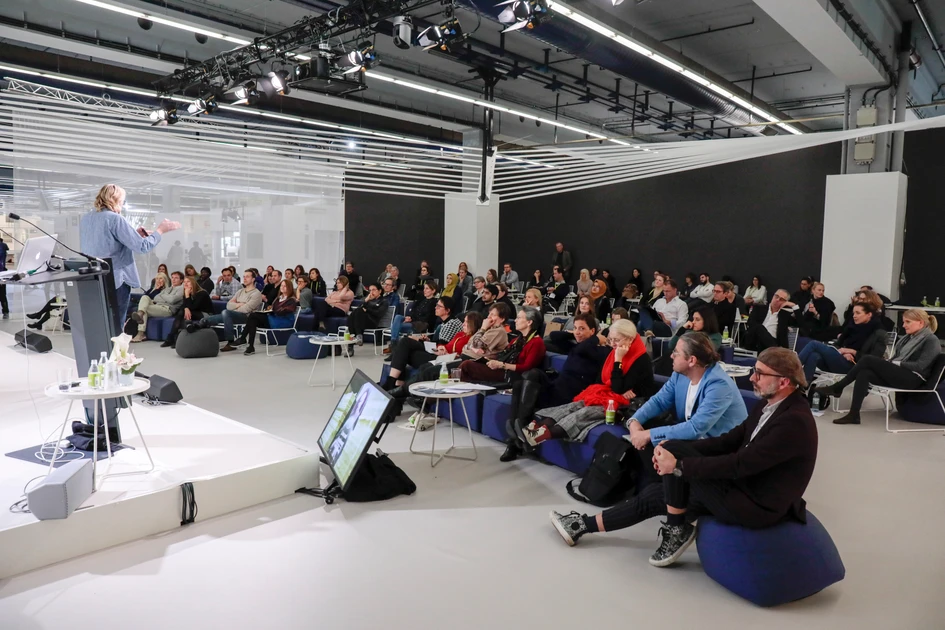
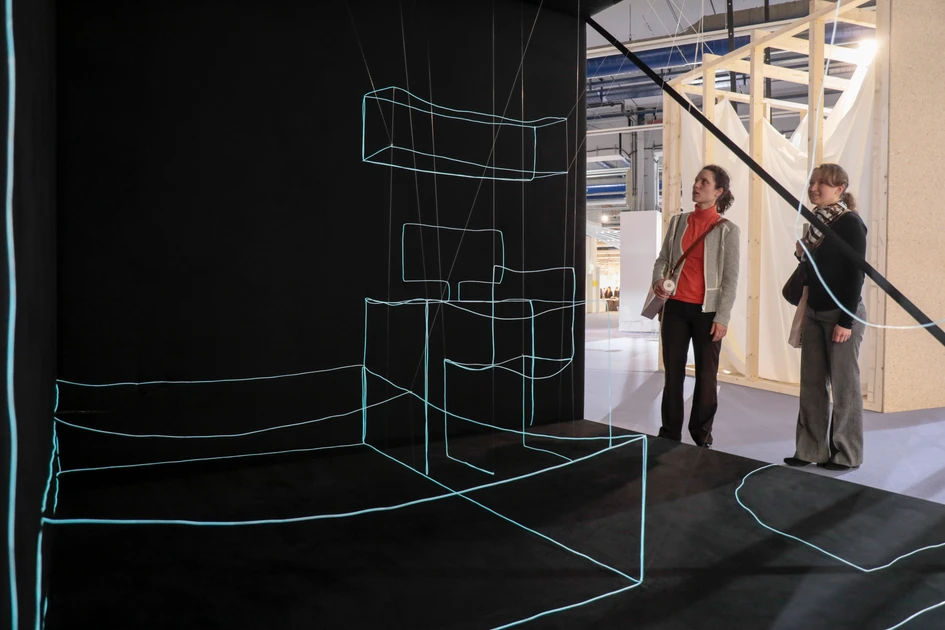
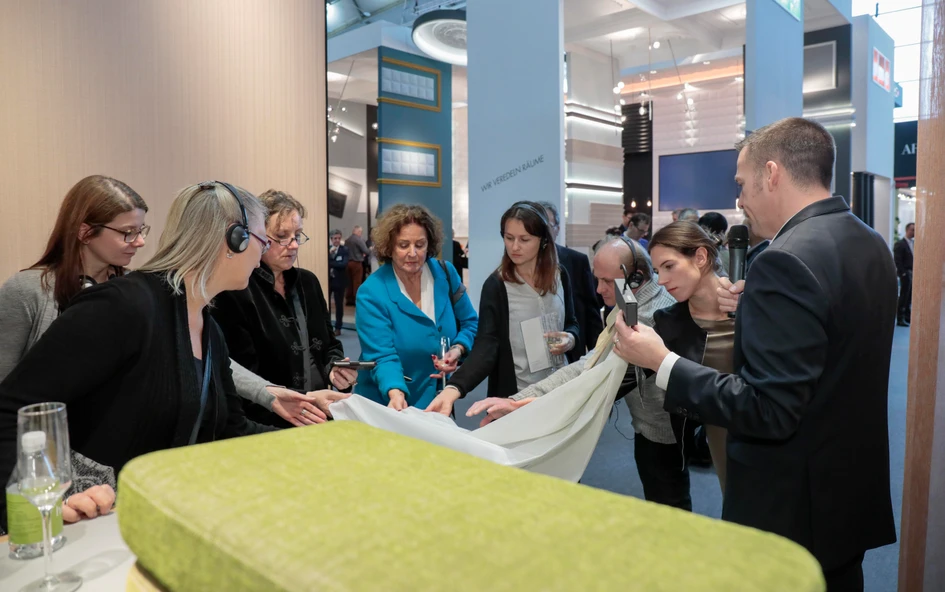
Which is why Heimtextil’s organisers have created a special platform at the fair in the form of a contract-focused exhibition entitled Interior.Architecture.Hospitality Expo; Hall 4.2 is where architects and designers can meet textiles solutions and potential business partners. Here, hotel, restaurant and retail projects get the opportunity to realise their full creative and functional potential by encountering the latest textile products with true architectural value. Weft with heft, as it were. Materials with special acoustic, antibacterial and abrasion properties are also, naturally, part of the mix.
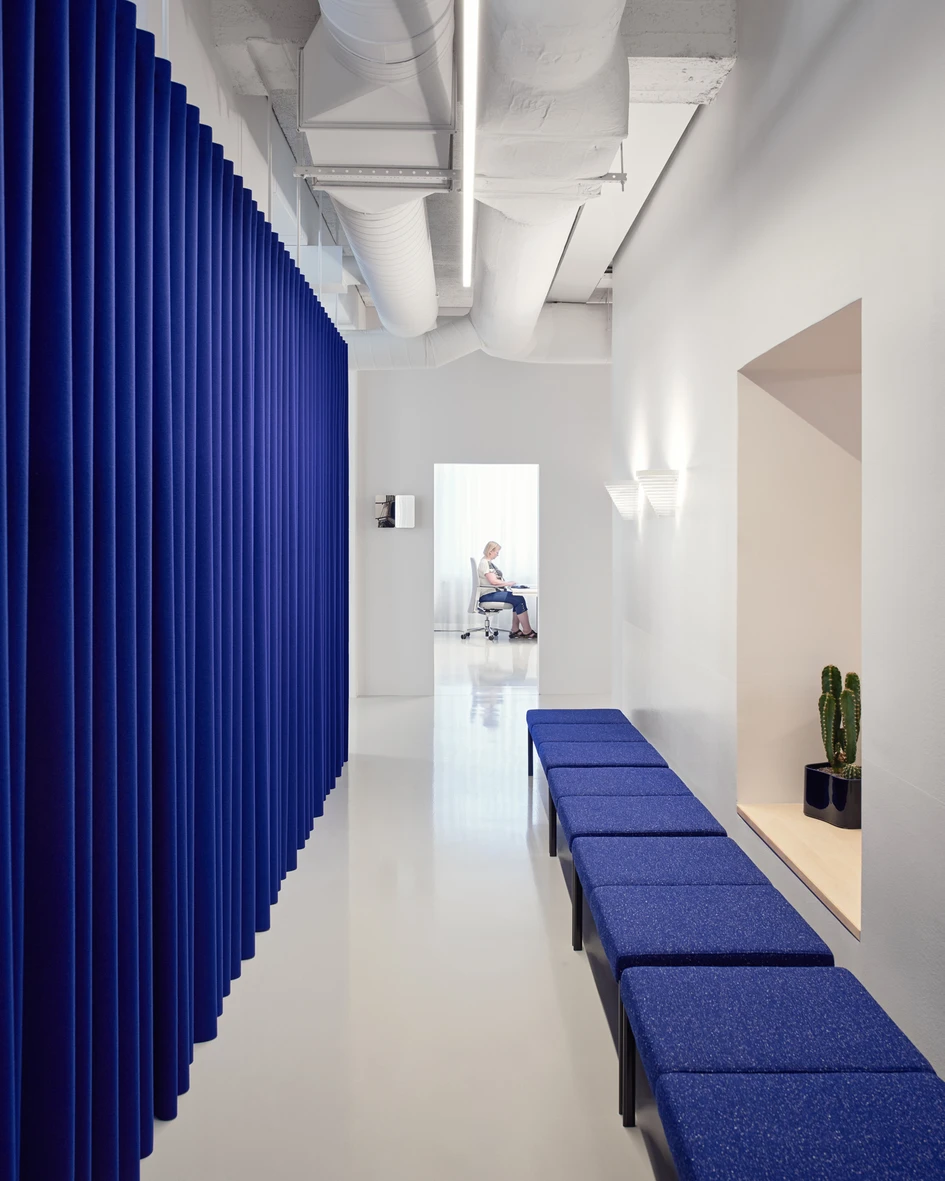
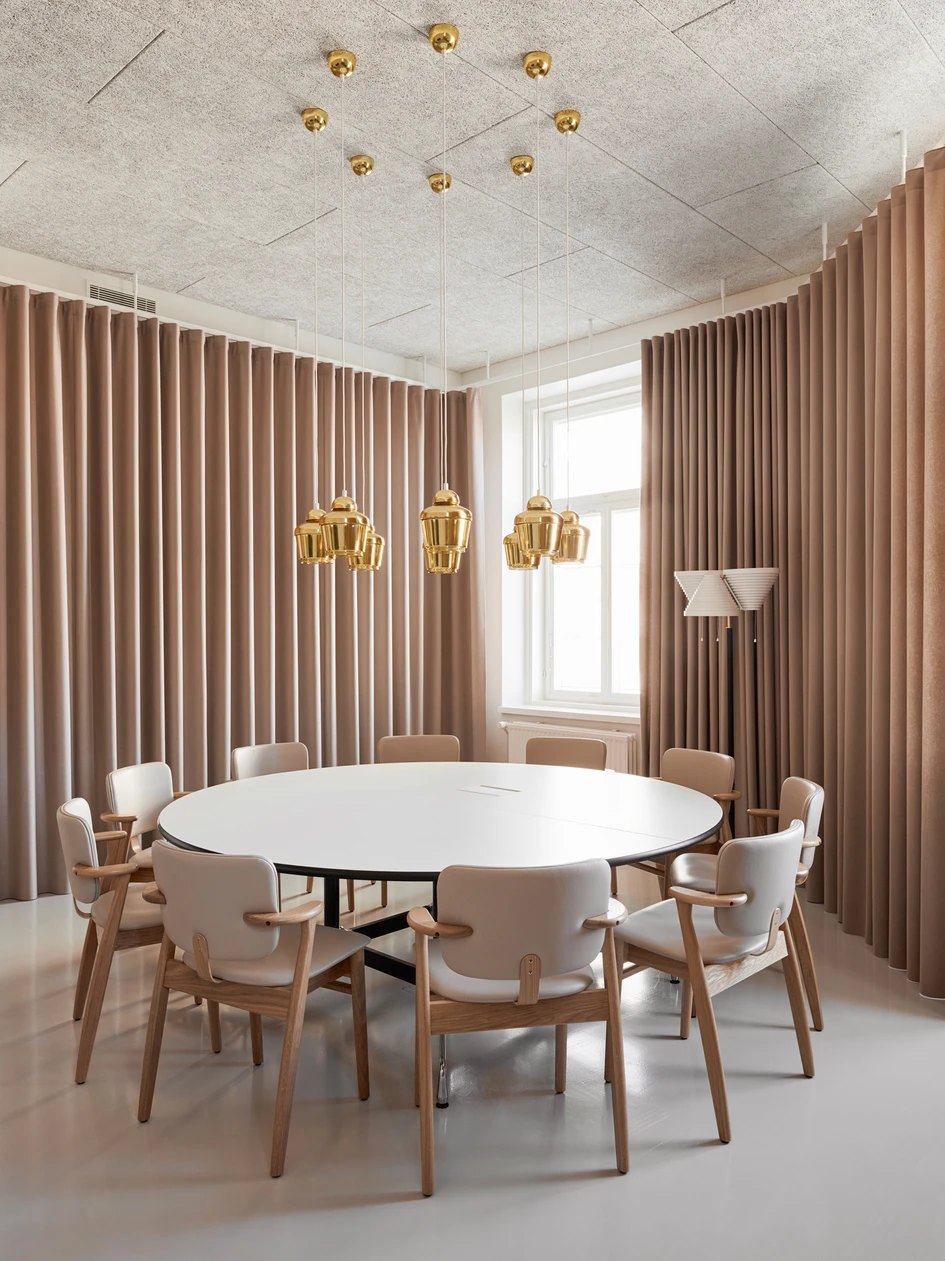
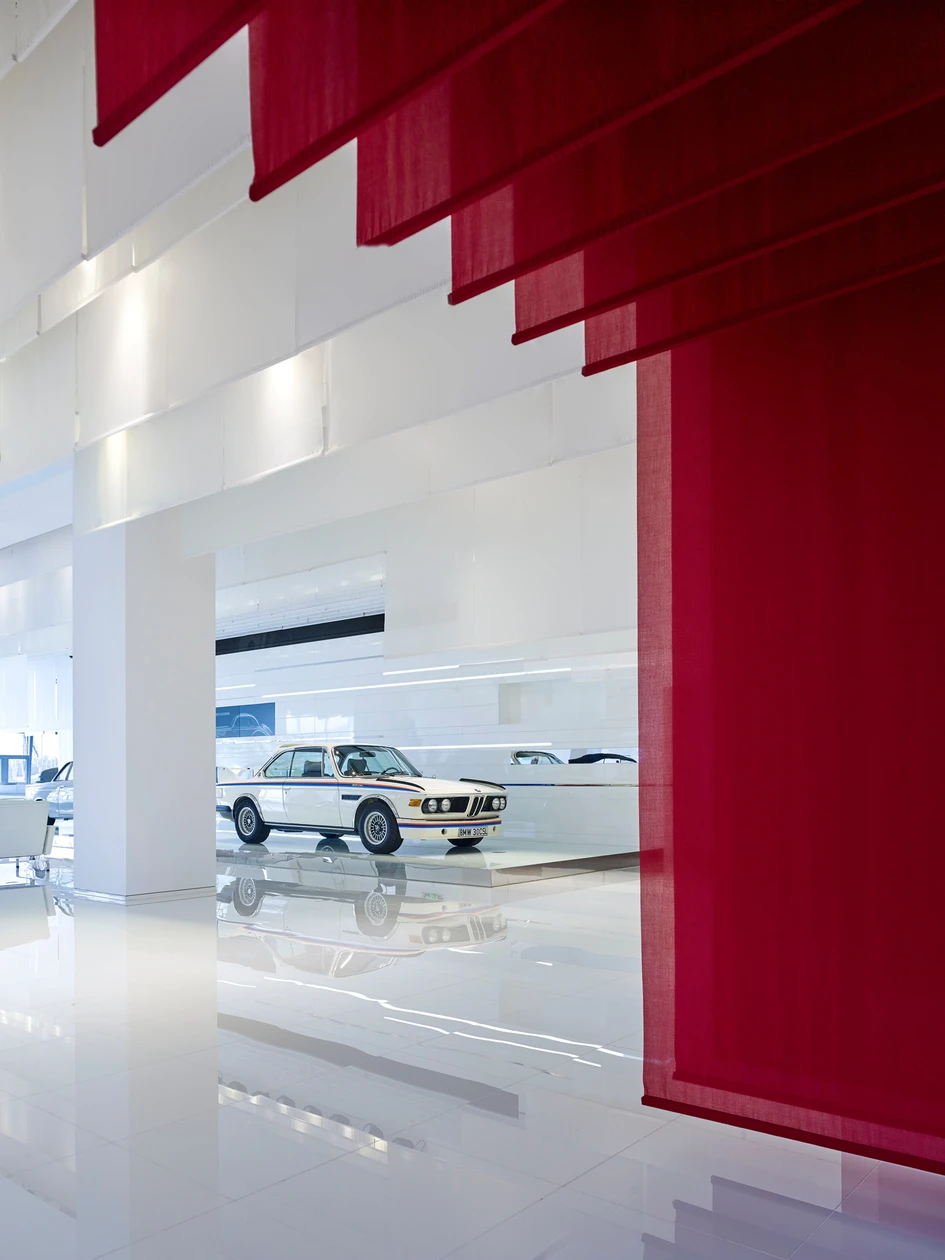
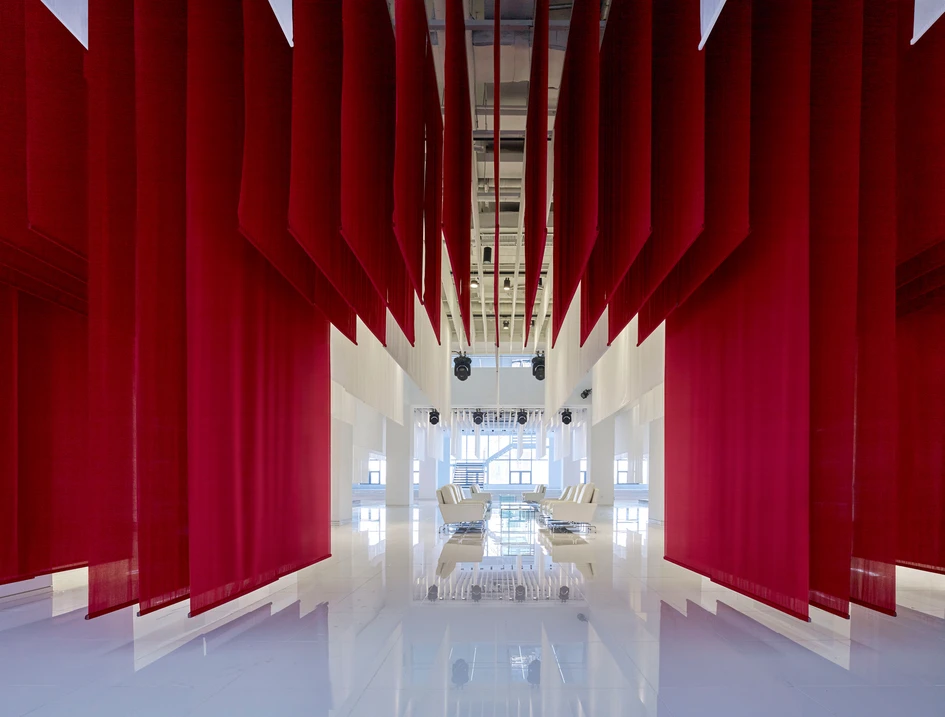
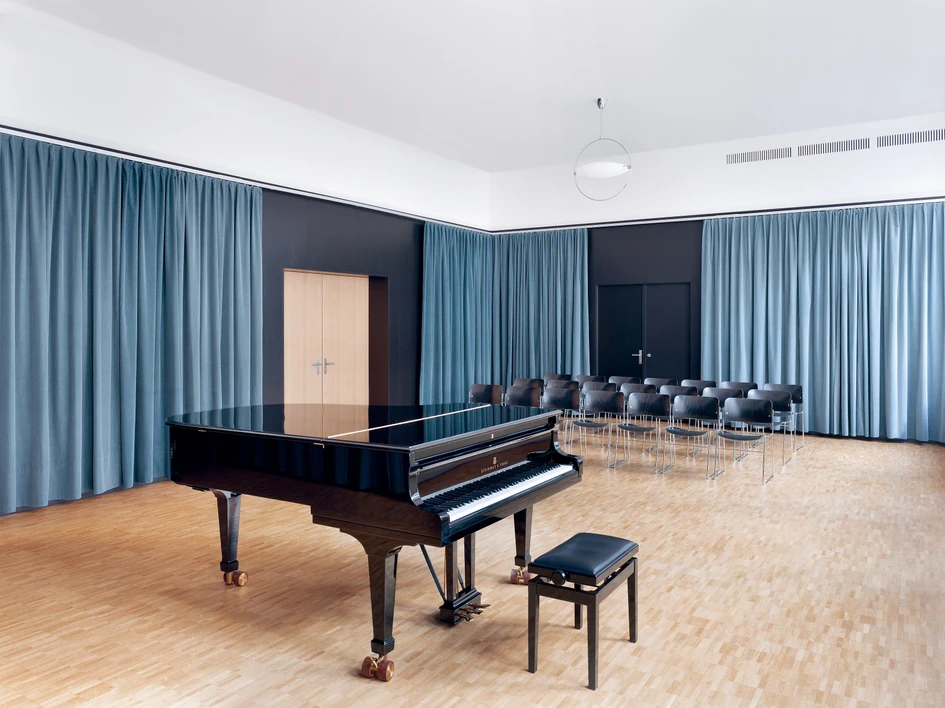
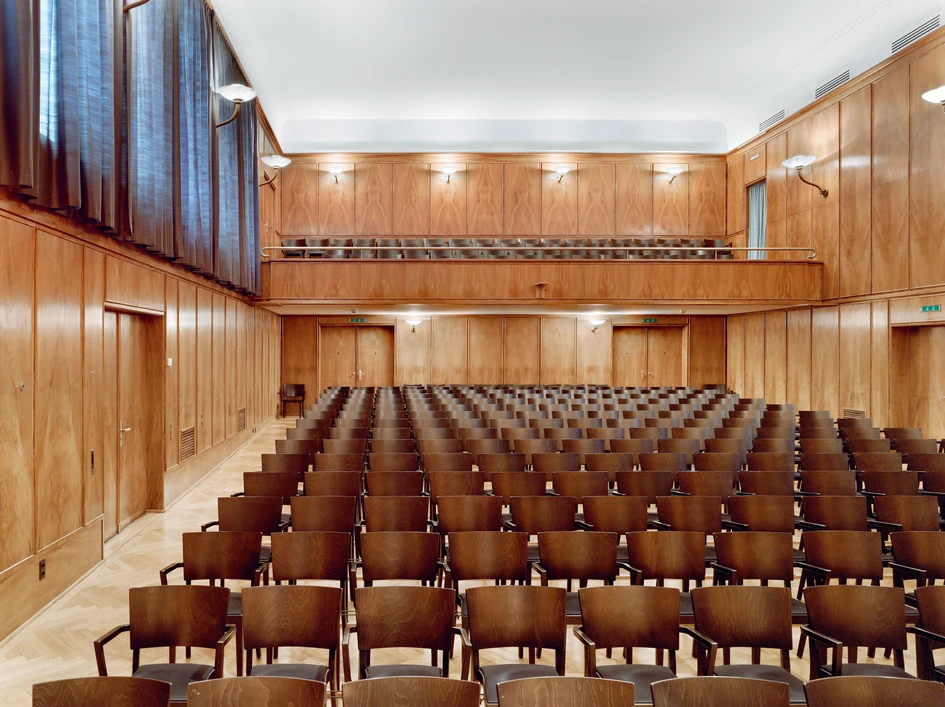
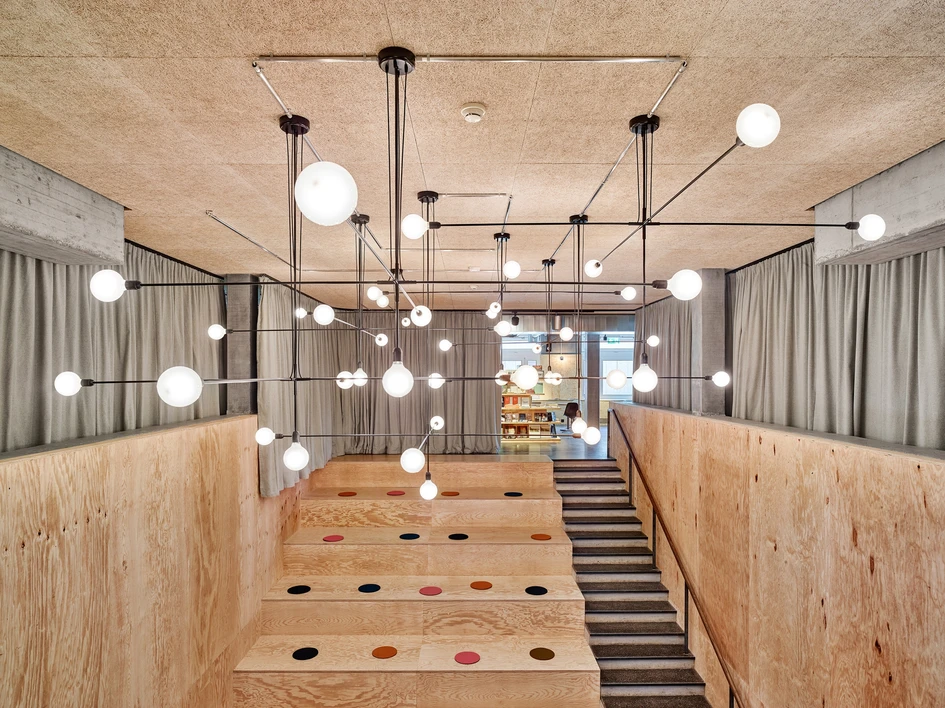
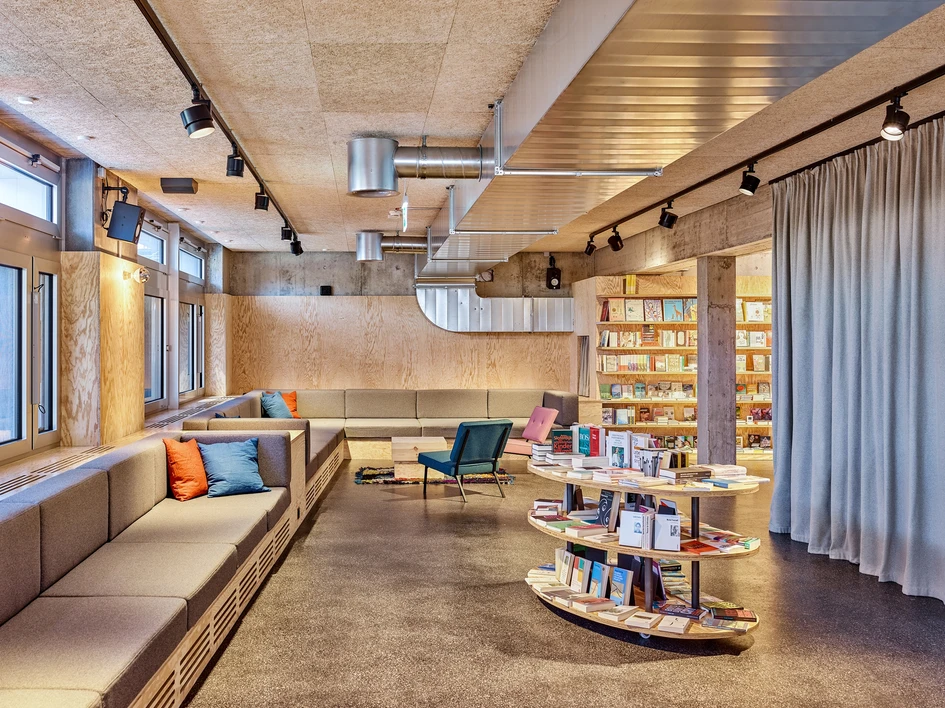
There’s a growing body of recently completed projects out there that show how it’s done, so to speak. From London-based Sevil Peach’s new Helsinki HQ for respected design brand Artek, with its space-organising textile “walls”, to Beijing and Frankfurt office Crossboundaries’ museum of vintage BMWs – where cleverly suspended, parallel textile planes work on a visual level to create a sense of almost solid building material. And from the aesthetically celebratory use of wall-mounted textile to deliver acoustic performance at Bern Music School and Conservatory to Zurich-based Burkhard & Lüthi’s new Kosmos cultural centre, where curtains act as both architectural feature, and optical and aural screening device.
“Textiles are essential in interior spaces since they have the ability to add warmth to a space, work acoustically in a positive way, and are highly flexible,” says Lisa Hassanzadeh, Partner and Head of Interior at award-winning, Amsterdam-based architects Concrete. “Unfortunately, they are most of the time considered as a decorative element that’s added as a finish at the very end of the design process.”
As a Heimtextil collaborator, who has helped advise the fair in its strategic development for professional audiences, she knows what she’s talking about. “New, high-tech materials really open up the possibility to use textiles in a much broader way. They can play a major role in flexible and mobile spaces.”
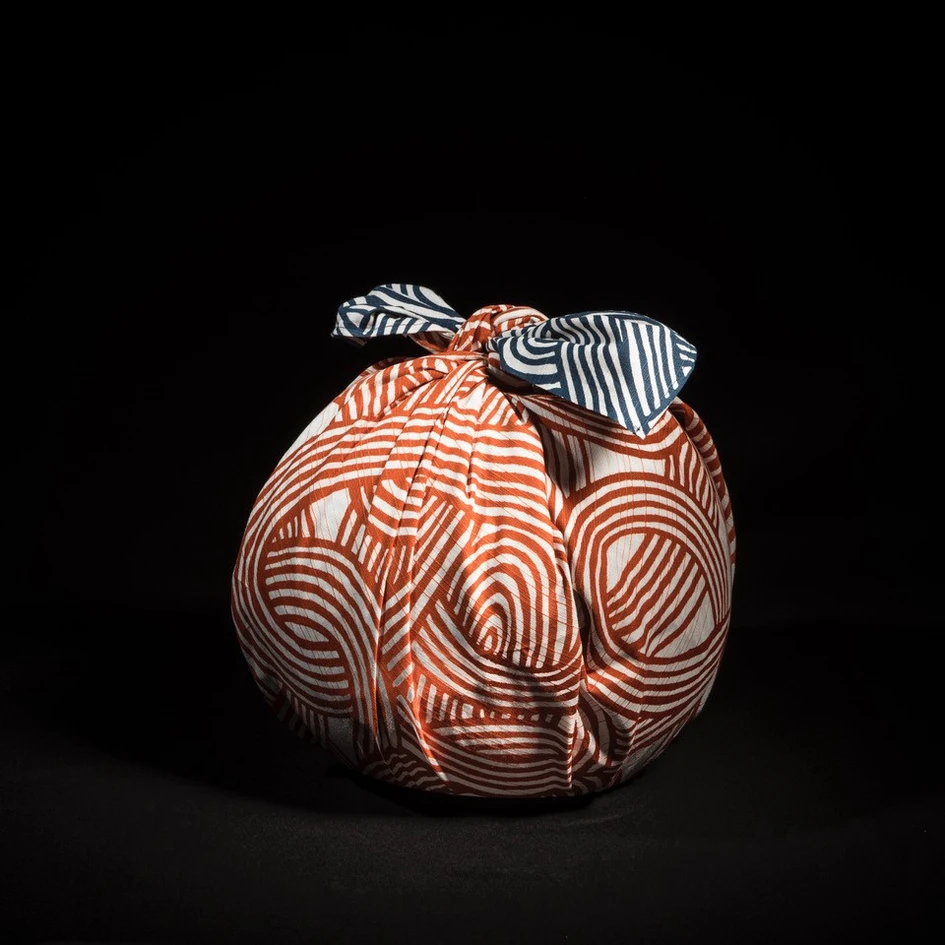
Meanwhile, Swiss interior designer Ushi Tamborriello has devised an intriguing spatial installation for the fair’s 2019 edition. Entitled Furoshiki and taking a cue from the Japanese tradition of using squares of material to wrap objects for packaging and/or transport, the expo space will become home to a series of these textile elements, some suspended, others positioned on the floor – in dialogue with each other, punctuating, in doing so, shaping the space.
Tamborriello also sees the fast-developing field of smart textiles as offering architects even more creative possibilities. “Textile materials are so diverse both aesthetically and functionally that they can hardly be compared with other materials,” she explains. “And this diversity is increasing rapidly, given technological developments. Today, fabrics can already illuminate, warm or have a cleaning effect on space.”
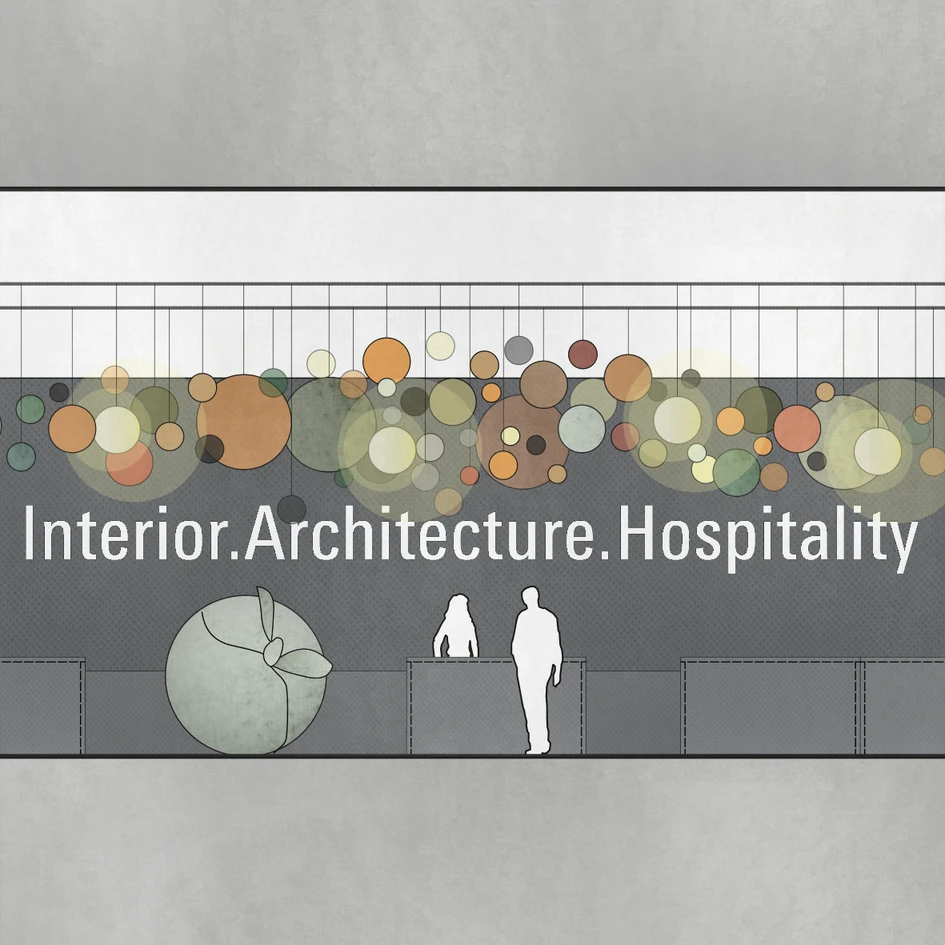
The specially curated Interior.Architecture.Hospitality experience for architects continues with a number of other features. A lecture series will focus on a different contract area every day, such as hospitality and care spaces, while special guided tours by specialist fair partners like AIT and world-architects.com will offer their resolutely architecturally must-see edits of what’s on show. And in Hall 3.0, the Heimtextil Trend Space will play host to the findings of the fair’s Trend Council, which comprises design studios from the UK, Netherlands and Denmark – an invaluable future-gazing resource for exhibitors and buyers, as well as architects.
Never were textiles so architextural.
© Architonic
Galleria del progetto


