The Perfectionists: Horgenglarus
With almost 140 years of fine furniture-making under its belt, it’s safe to say that Swiss manufacturer HORGENGLARUS knows a thing or two about the value of true quality craftsmanship.


+8
Di horgenglarus, Studio Hannes Wettstein, Hannes Wettstein e

horgenglarus
novembre 21, 2019 | 11:00 pm CUT

“Good choice” remarks Horgenglarus MD Marco Wenger, having invited me to pull up a chair for our meeting at the premium Swiss furniture manufacturer’s impressive showroom – a long, gallery-like space on the top floor of a converted factory building dating back to the turn of the 20th century.
The chair in question is modernist architect Werner Max Moser’s Select chair, first produced in 1931 and every bit as contemporary now as it was then. With its reduced form and its lines so elegant it almost hurts, it speaks of a deep design consideration, a respect for materials, and an enviable handcraft tradition.

The world is full of chair manufacturers, but this is different territory altogether. For when it comes to Horgenglarus, each of their designs is, quite frankly, A Good Choice. Eschewing the vagaries of trend and speaking a design language that somehow seems to escape the bonds of time, Horgenglarus has ploughed a very singular furrow since it was founded in 1880 – the constant pursuit of the perfectly honed chair. And table, too.
Take the Classic, for example, which is, well, an indisputable classic. An in-house design dating back to the 1920s, it ranks as Switzerland’s best-selling chair and can be found in countless restaurants, bars, hotels and other contract settings throughout the German-speaking world and beyond.
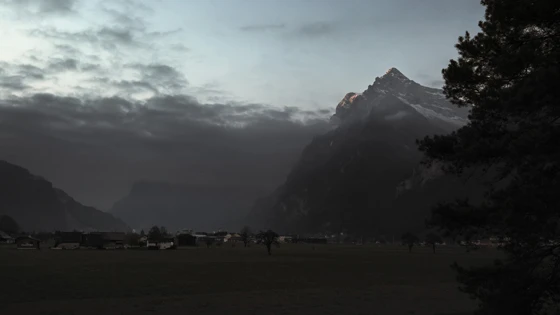
First located in Horgen on the shore of Lake Zurich, the company relocated fully to the Alp-nestled town of Glarus after the war, a region known for its superlative craftsmanship in wood. Indeed, you’re left in little doubt of just how prodigious that local talent is when you encounter a Horgenglarus product in the flesh, so to speak.
Strongly graphic and consummately balanced in appearance (the company plays to this by often presenting its designs in black), the second hit, as it were, comes when you touch the chairs and tables’ surfaces. For it’s at this moment that the deal is truly sealed via a supreme smoothness, the result of numerous rounds of both hand-sanding, together with multiple applications of lacquer. Think of the virtuosity of Japanese lacquering and you’re heading in the right direction.

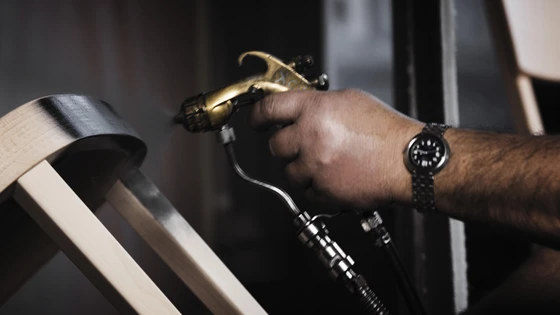
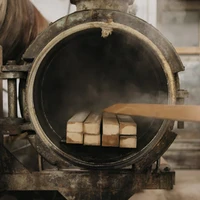
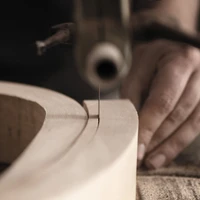
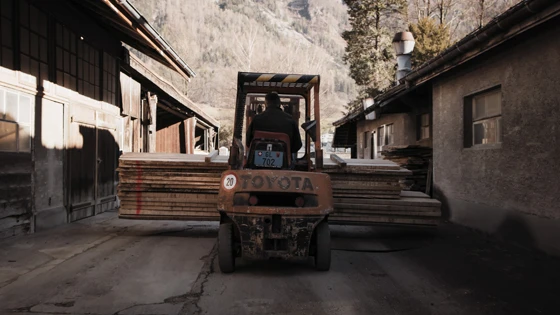
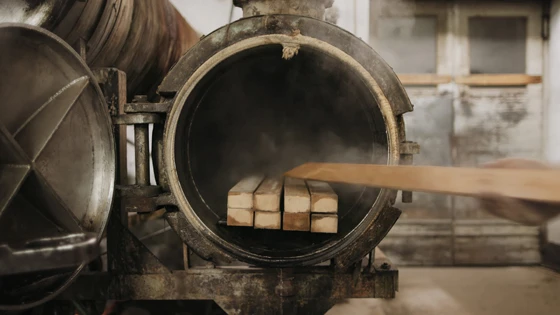
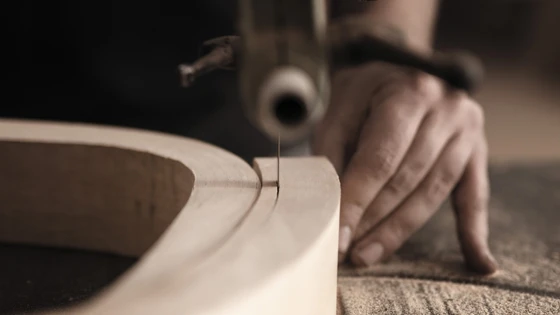
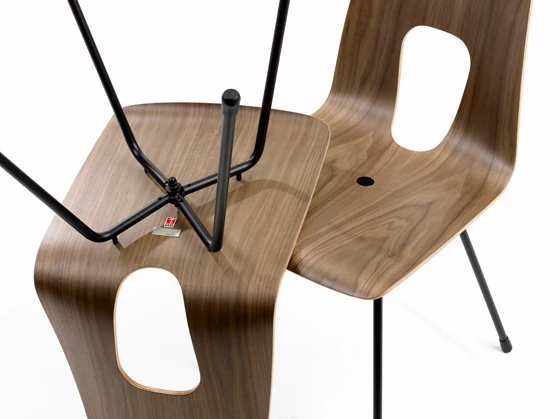
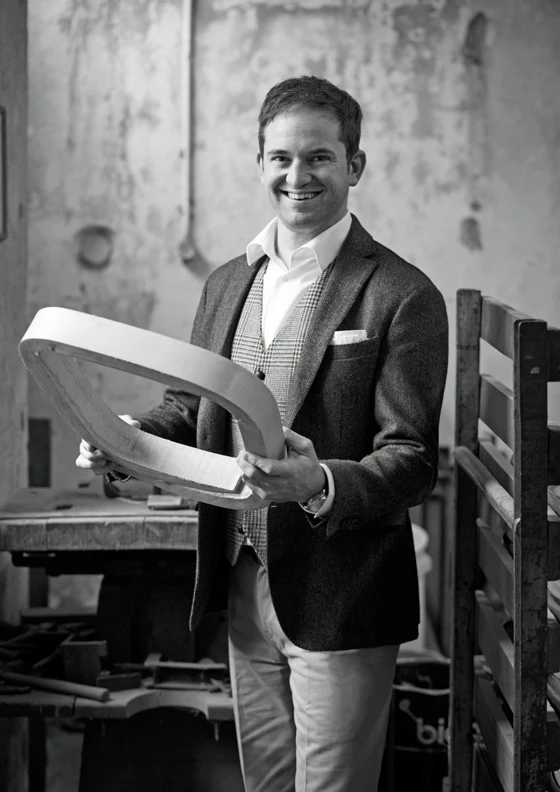
Quality is core to the Horgenglarus brand, a value that goes right through the line. With control of the entire supply chain and producing for the most part to order, the company ensures that only the best is good enough at every stage of the production process. The lion’s share of the wood is sourced from Switzerland’s Jura region (windy conditions there make for slower growth and therefore more robust timber), with enough time given for the beech, oak and ash to dry before it’s cut and steam-bent using an array of ovens, machines and hand-tools – demonstrating neatly how Horgenglarus walks the line between tradition and technology.
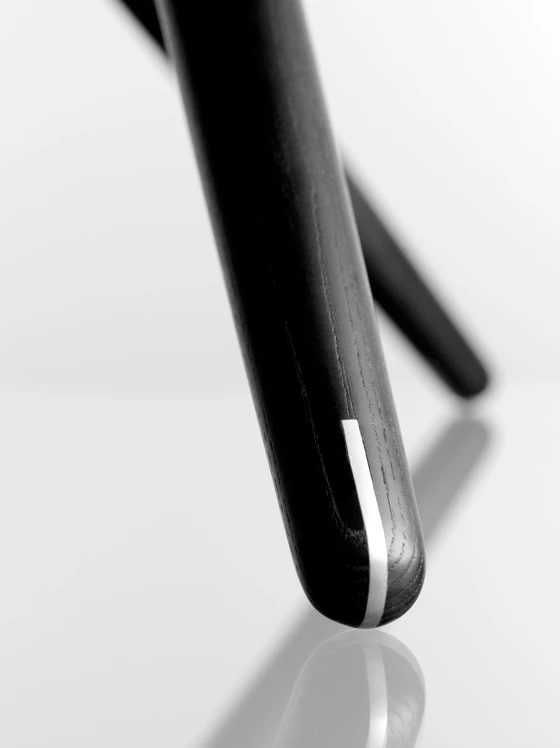
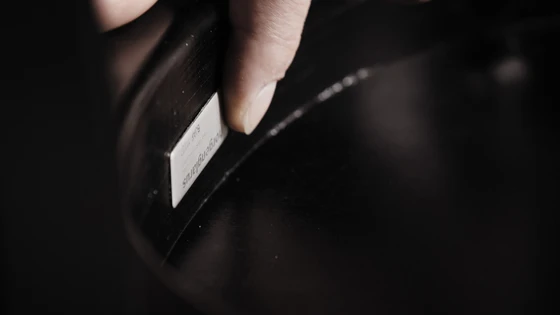
The latest in CNC milling, for example, takes place alongside painstaking assembly, sanding, finishing, lacquering, upholstering and quality control. “They’re the least-popular people in the company,” says Wenger jokingly of the two employees tasked solely with making sure that every piece that leaves the factory at the end of the process is flawless.
“The products are the stars. Our design collaborators don’t stand centre-stage. Ultimately, we’re not selling names but robust, timeless furniture with longevity.” (Indeed, the healthy market in decades-old, second-hand Horgenglarus pieces testifies to this.) That said, the list of creatives who’ve worked with the company over the years reads like a veritable Who’s Who of Swiss architecture and design history: Robert and Trix Haussmann, Max Ernst Haefeli, Hans Bellmann, Hannes Wettstein, to name but a few. It’s safe to say that such luminaries certainly don’t hurt the brand.
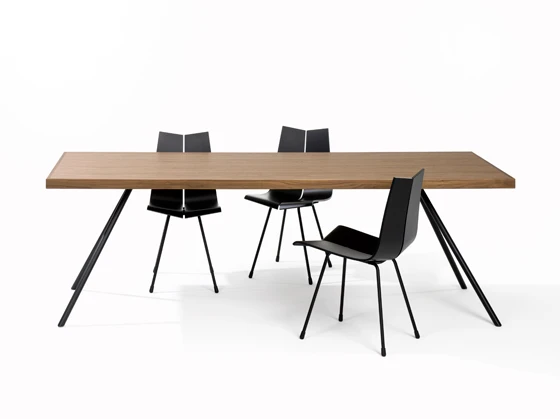
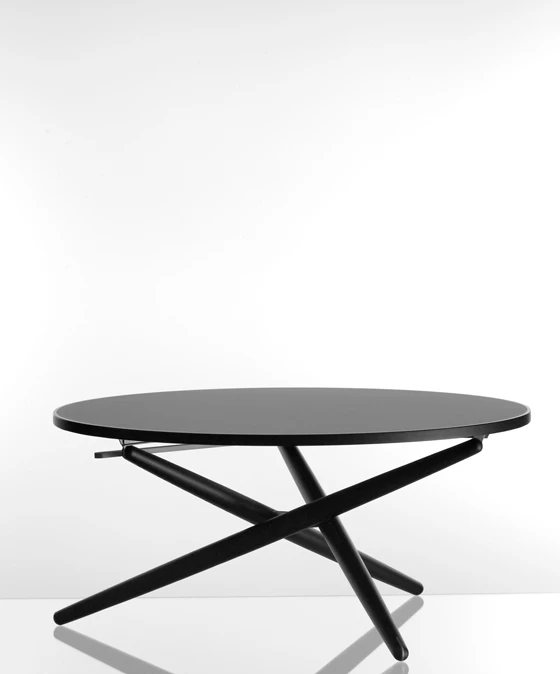
With such a heritage, Wenger and his team (some of them third-generation Horgenglarus employees) look as much to the past for as to the present when it comes to adding new products to the collection. Zürich architect Jürg Bally’s iconic and innovative three-legged ess.tee.tisch table from 1951, for instance, has recently received a reboot. Going effortlessly from coffee-table height to dining table, Wenger describes it as the ideal ambassador for the brand, with its pared-down yet expressive form, its quality materials and finishing, and its functionality and stability.

And this October sees the Classic chair experience somewhat of a late growth spurt. The Horgenglarus development team – who regularly work with architects on special, customised designs for their specific projects – have created a new barstool version of the iconic design. Expect the refined elegance one’s come to expect from these perfectionists. Very Swiss. Very Horgenglarus.
© Architonic
Galleria del progetto