Condividere
Stampa


Architonic ID: 20771362
Anno di Lancio: 2024
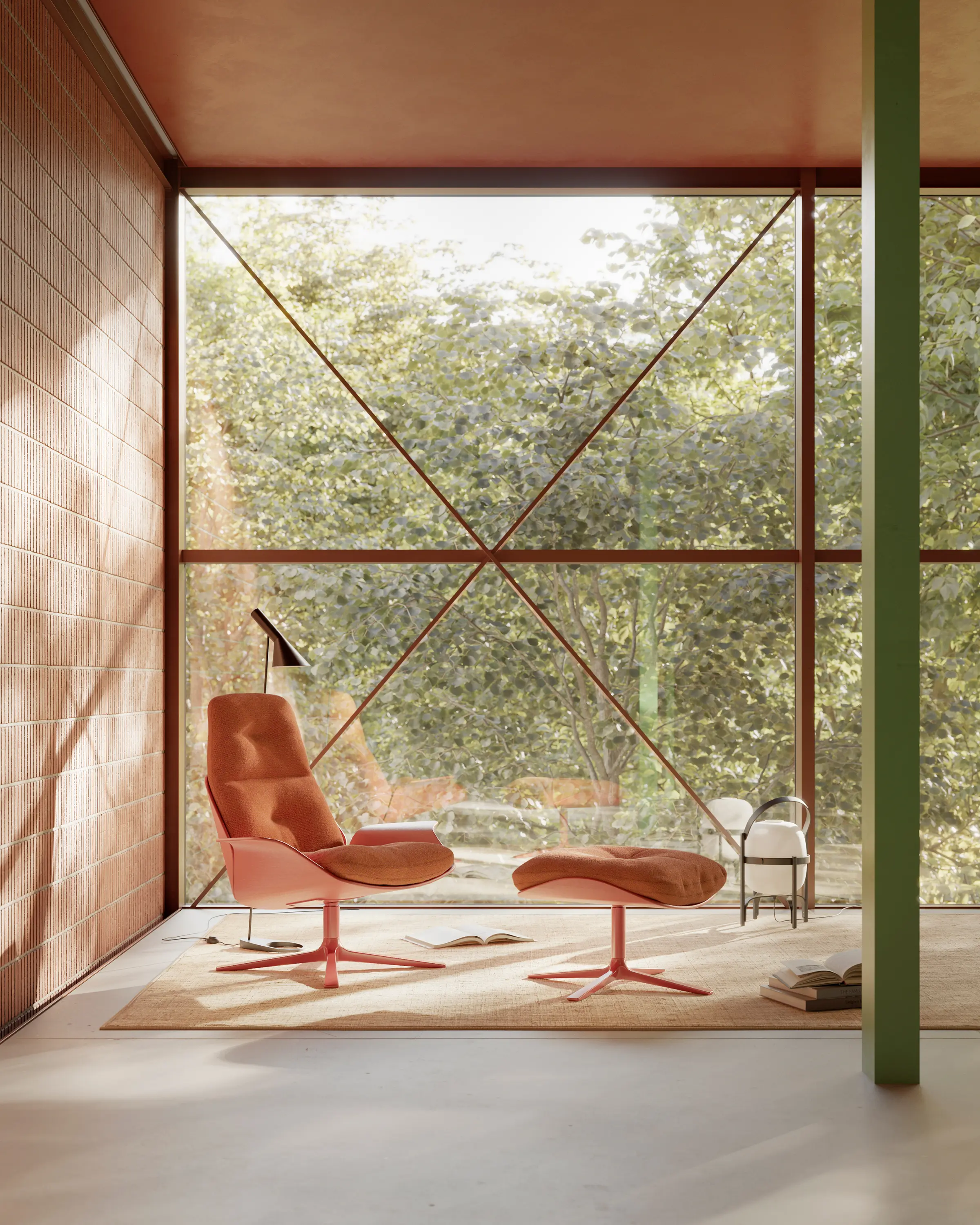
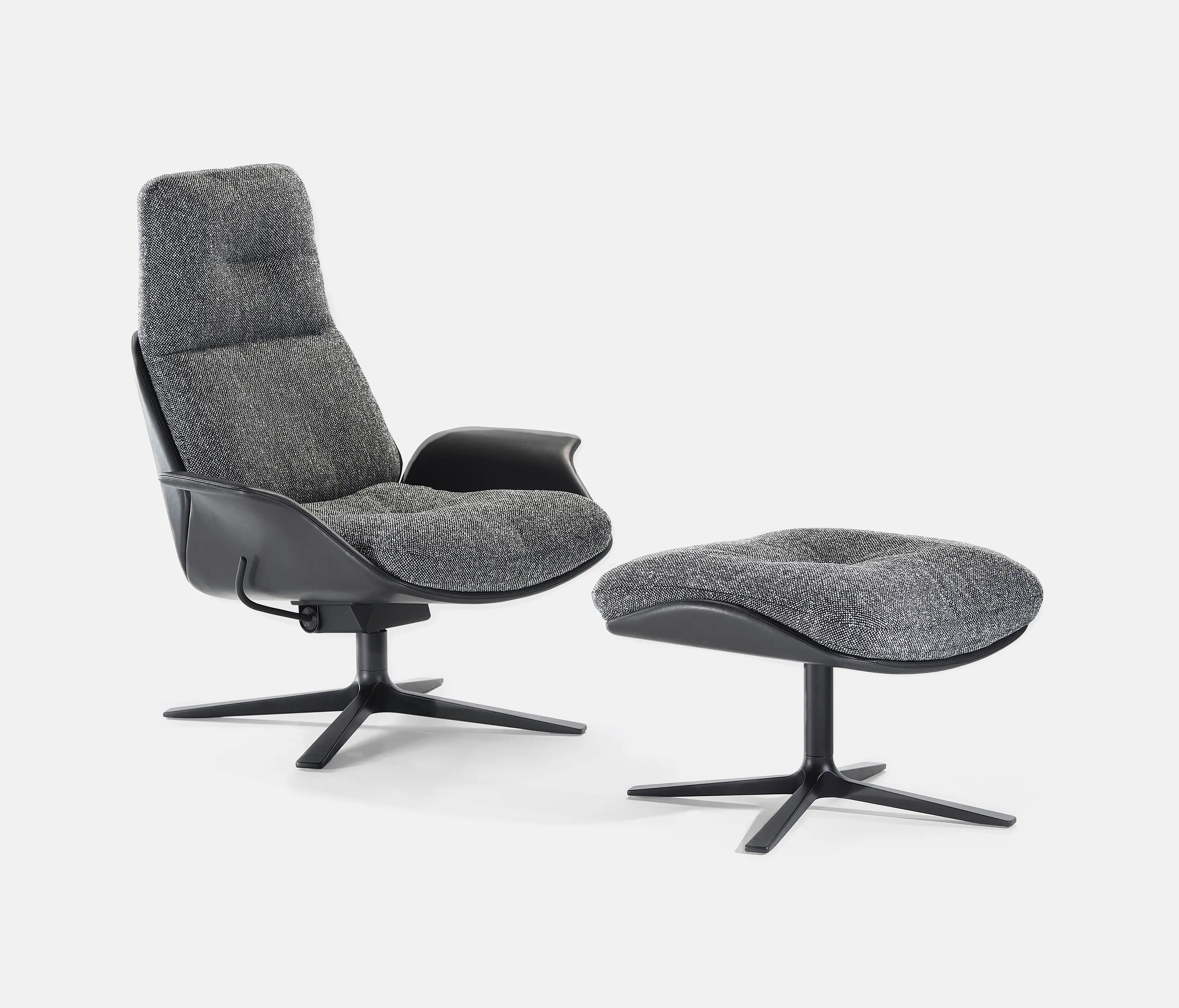
Inspired by the abandon of free jazz but cast in the spirit of functional modernism, Rei embodies a formal tension between rigidity and plasticity in its sleek and flowing layout.
Concetto
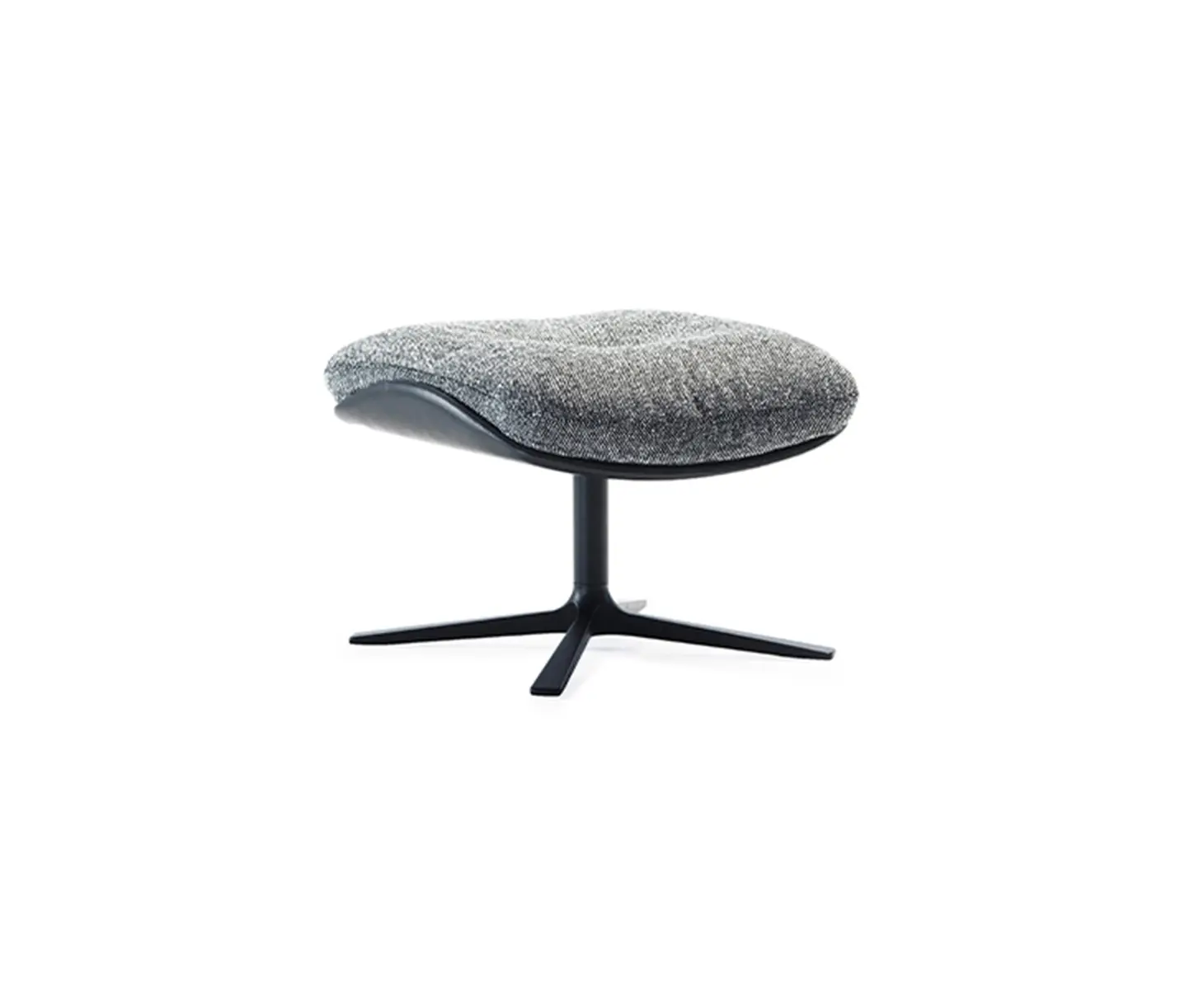
Inspired by the abandon of free jazz but cast in the spirit of functional modernism, Rei embodies a formal tension between rigidity and plasticity in its sleek and flowing layout. It’s Prostoria’s answer to a classic lounge or club chair is a feat of refined simplicity and certain lightness of form. Its name is a nod to Ray Eames as much as to Ray Charles or the giant oceanic manta. Designed to be an anchor of a room, Rei functions as a focal point, defining and grounding the space around it into a zone of personal ritual. With its flexible and contouring shell of moulded plywood, contrasted by the soft padding of differing heights and paired with a lounge ottoman, it keeps blurring the ever more fluid distinction of home vs. work or private vs. public. The swivel mechanism is added to maximise comfort and flexibility. An elegant, seamless fusion of free flow and formal restraint, which makes Rei chairs both iconic and egalitarian, aspirational and sober, is this collection’s most defining quality.
Questo prodotto appartiene alla collezione:
Base metallo, Metallo

Austria
Product design group For Use was formed through collaboration of Sven Jonke, Christoph Katzler and Nikola Radeljkovic in the year 1998. Two members studied at the School of Design in Zagreb, while Katzler studied at High School for Applied Arts in Vienna. Since then the group designed furniture and objects for companies such as Cappellini, ClassiCon, Desalto, Interlubke, Magis, MDF Italia, Moroso, and Zanotta. In 1999 the group realized several important exhibition design projects and established Numen as a group name for projects realized outside of the field of industrial design. In the initial stage the group worked together with Jelenko Hercog and Toni Uroda, graphic and multimedia designers. The work was characterized by experimenting with rule-based design and radical reduction of form in the tradition of High modernism, mostly applied to total-design projects . In 2004 Jonke, Katzler and Radeljkovic started developing set design projects for various theater companies which led to a major breakthrough in 2005 with set design for Infierno in Centro Dramatico Nacional in Madrid. Since then the group designed sets in Belgrade, Berlin, Istanbul, Ljubljana, Madrid, Merida, Osijek, Rijeka, Skopje and Zagreb, mostly with directors Tomaz Pandur and Aleksandar Popovski with whom they developed a continuous cooperation. In 2005 Numen/ForUse established the first design oriented brand for quality furniture in former Yugoslavia - Element, designing visual identity and initial furniture collection. The group has since managed artistic direction and product development of the company. The group has simultaneously developed interior and exterior design projects, usually working with 3lhd and Imarea architects, the most important of which is the integral design of the waterfront in Split realized in 2007. From 2008 on Numen / For Use has been designing objects and concepts without predefined function, resulting in projects like Numen-light, Tape and NET. Besides these prominent realizations, the group has been awarded several international prizes for their work in the fields of set and industrial design.


