


Condividere
Stampa


Polygon low table
Architonic ID: 1527184
Anno di Lancio: 2014
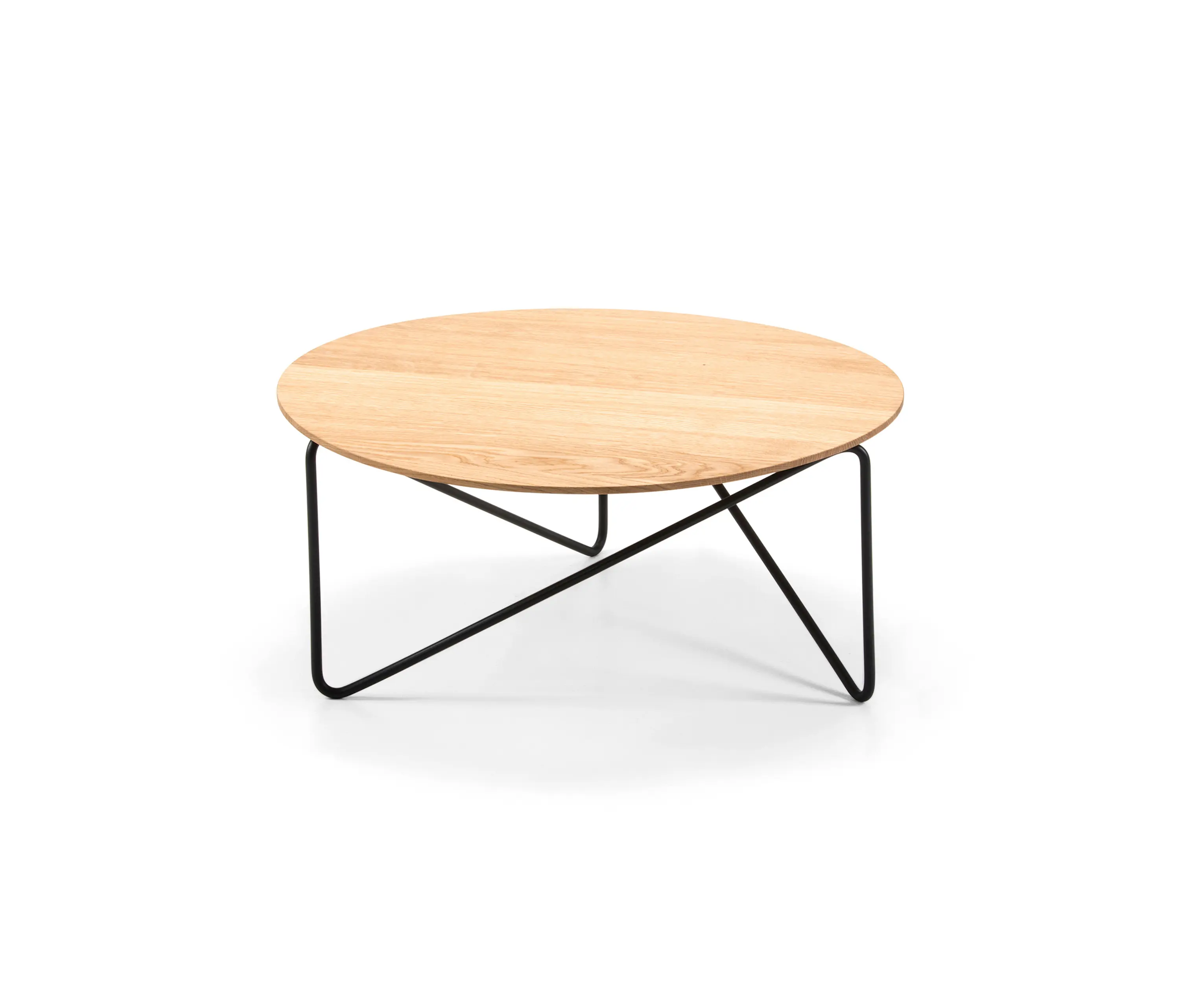
Three tables are based upon the same formal origin as Polygon easy chair. The dominant triangular form is accentuated when viewed from the side, but once the observer begins to move, three triangles of the base overlap into complex three-dimensional drawings. The height and the surface of the top plates of the tables are counterpointed resulting in radical difference of inclinations of diagonal lines of the steel bars. Polygon low table comes in two new sizes. Lower table with diameter of 84 cm and higher one with 60 cm diameter. Table top can be made of solid wood, MDF with Fenix or HPL suitable for outdoor use. Construction of metal rods bent into shape of bracket makes an ideal match to a modernist typology of Polygon easy chair.
Concetto
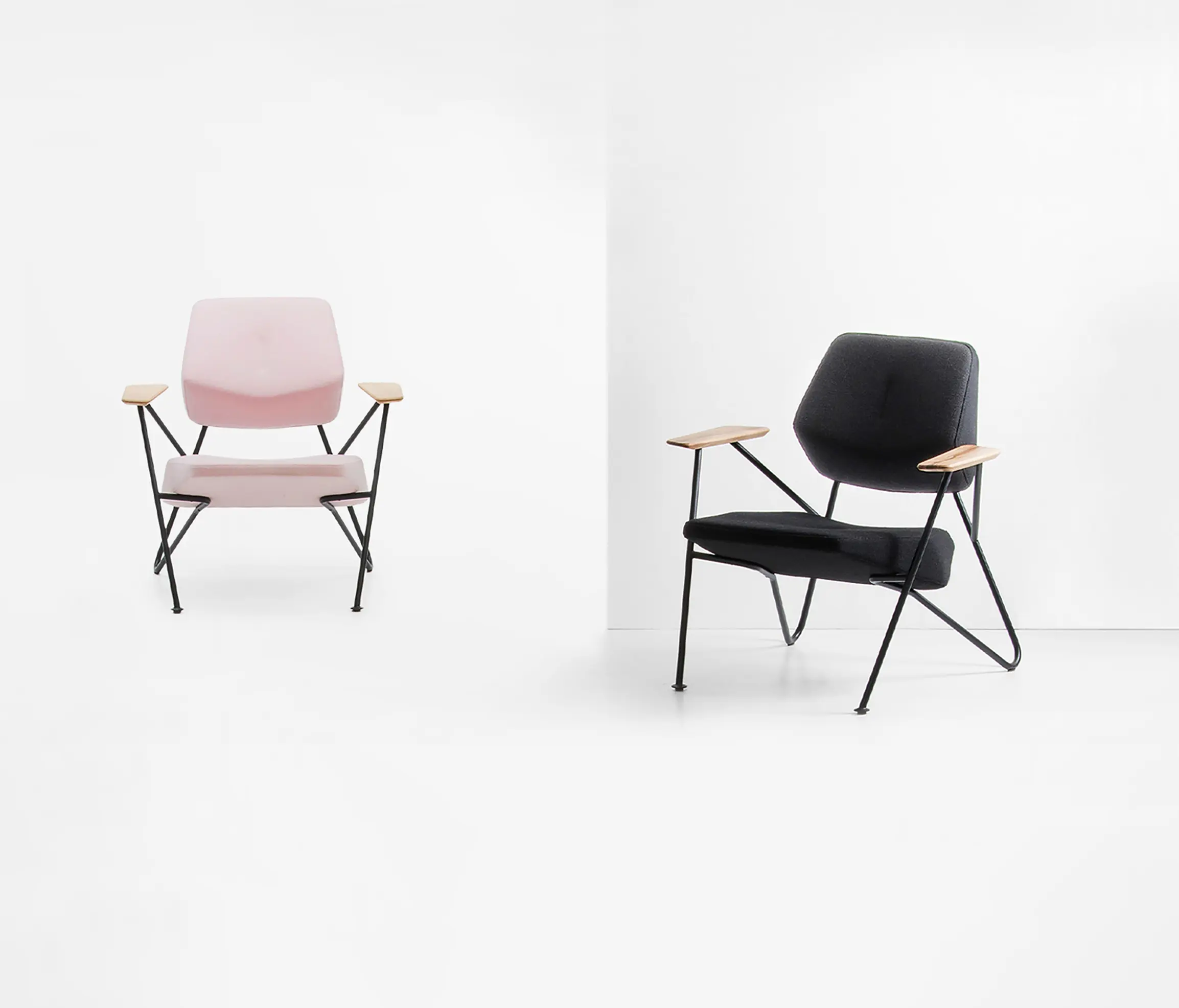
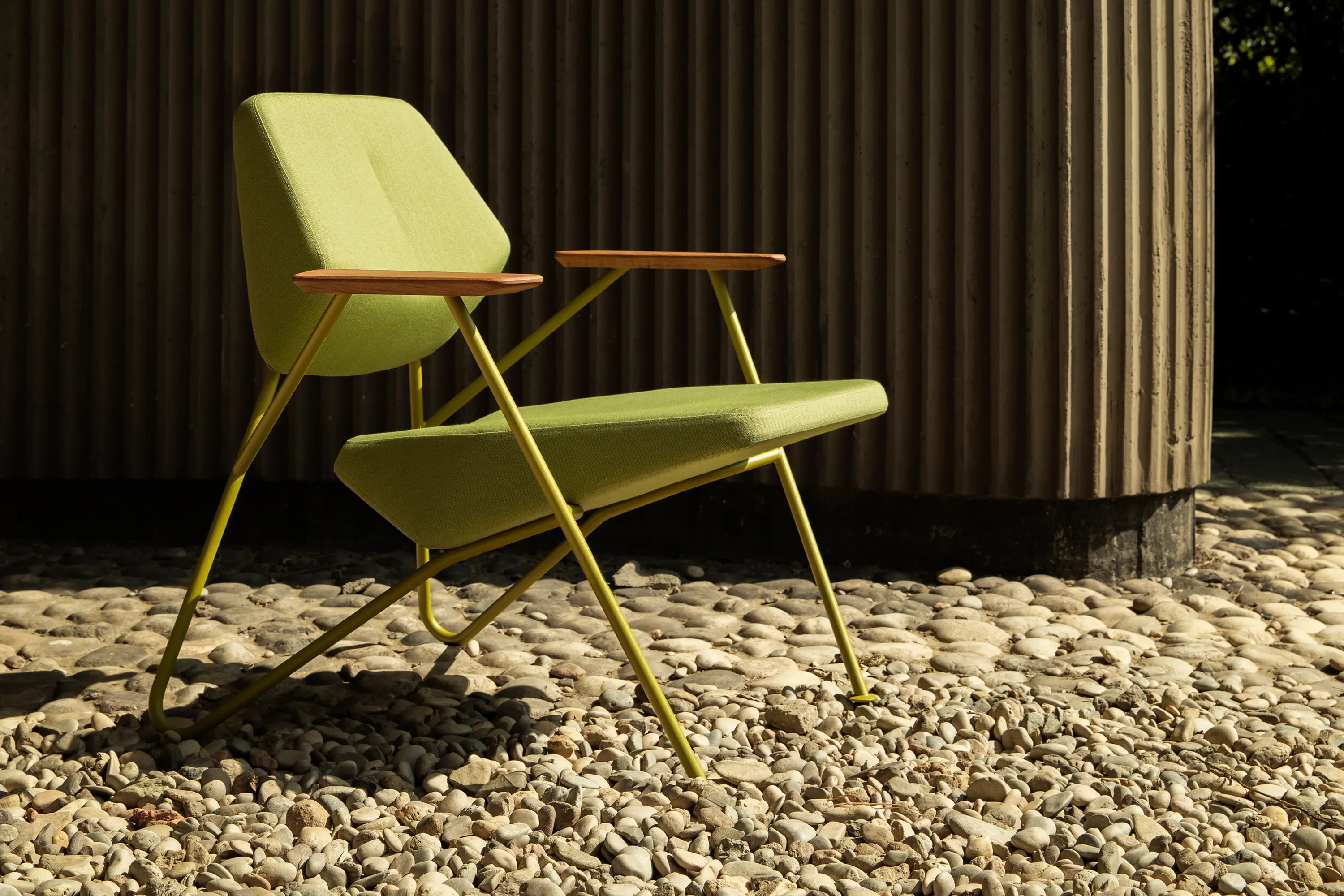
Evers since we first began to engage with design, we were fascinated with the standard modernist typology of chairs with modest dimensions that meet all functional parameters, without burdening the space with their bulkiness. We have explored a series of alternatives that are in line with these values, but also offer a new formal approach. Polygon retains all traditional elements of a modernist chair, but deconstructs them, creating new relations between them. The form of the bent steel bars of the structure, the seat and the backrest are coordinated via a triangular geometry. The composition of the triangle is accentuated when viewed from the side, but once the observer begins to move, these forms transform into hexagons and more complex polygons. We have continued to develop Polygon in close cooperation with prostoria, and have launched a new version of the chair that retains all features of the original design, but in an improved form. The resulting product has a somewhat defamiliarizing effect, seeming both familiar and distinctly contemporary.
Questo prodotto appartiene alla collezione:
Base metallo, Metallo, Piano legno massello, Legno
Puoi visitare la pagina del prodotto per queste varianti: basta cliccarci sopra!

Austria
Product design group For Use was formed through collaboration of Sven Jonke, Christoph Katzler and Nikola Radeljkovic in the year 1998. Two members studied at the School of Design in Zagreb, while Katzler studied at High School for Applied Arts in Vienna. Since then the group designed furniture and objects for companies such as Cappellini, ClassiCon, Desalto, Interlubke, Magis, MDF Italia, Moroso, and Zanotta. In 1999 the group realized several important exhibition design projects and established Numen as a group name for projects realized outside of the field of industrial design. In the initial stage the group worked together with Jelenko Hercog and Toni Uroda, graphic and multimedia designers. The work was characterized by experimenting with rule-based design and radical reduction of form in the tradition of High modernism, mostly applied to total-design projects . In 2004 Jonke, Katzler and Radeljkovic started developing set design projects for various theater companies which led to a major breakthrough in 2005 with set design for Infierno in Centro Dramatico Nacional in Madrid. Since then the group designed sets in Belgrade, Berlin, Istanbul, Ljubljana, Madrid, Merida, Osijek, Rijeka, Skopje and Zagreb, mostly with directors Tomaz Pandur and Aleksandar Popovski with whom they developed a continuous cooperation. In 2005 Numen/ForUse established the first design oriented brand for quality furniture in former Yugoslavia - Element, designing visual identity and initial furniture collection. The group has since managed artistic direction and product development of the company. The group has simultaneously developed interior and exterior design projects, usually working with 3lhd and Imarea architects, the most important of which is the integral design of the waterfront in Split realized in 2007. From 2008 on Numen / For Use has been designing objects and concepts without predefined function, resulting in projects like Numen-light, Tape and NET. Besides these prominent realizations, the group has been awarded several international prizes for their work in the fields of set and industrial design.


