Condividere
Stampa


2460,00 CHF
Mostra prezzo in
Architonic ID: 1039580
SKU: 210 009 00
Anno di Lancio: 1940
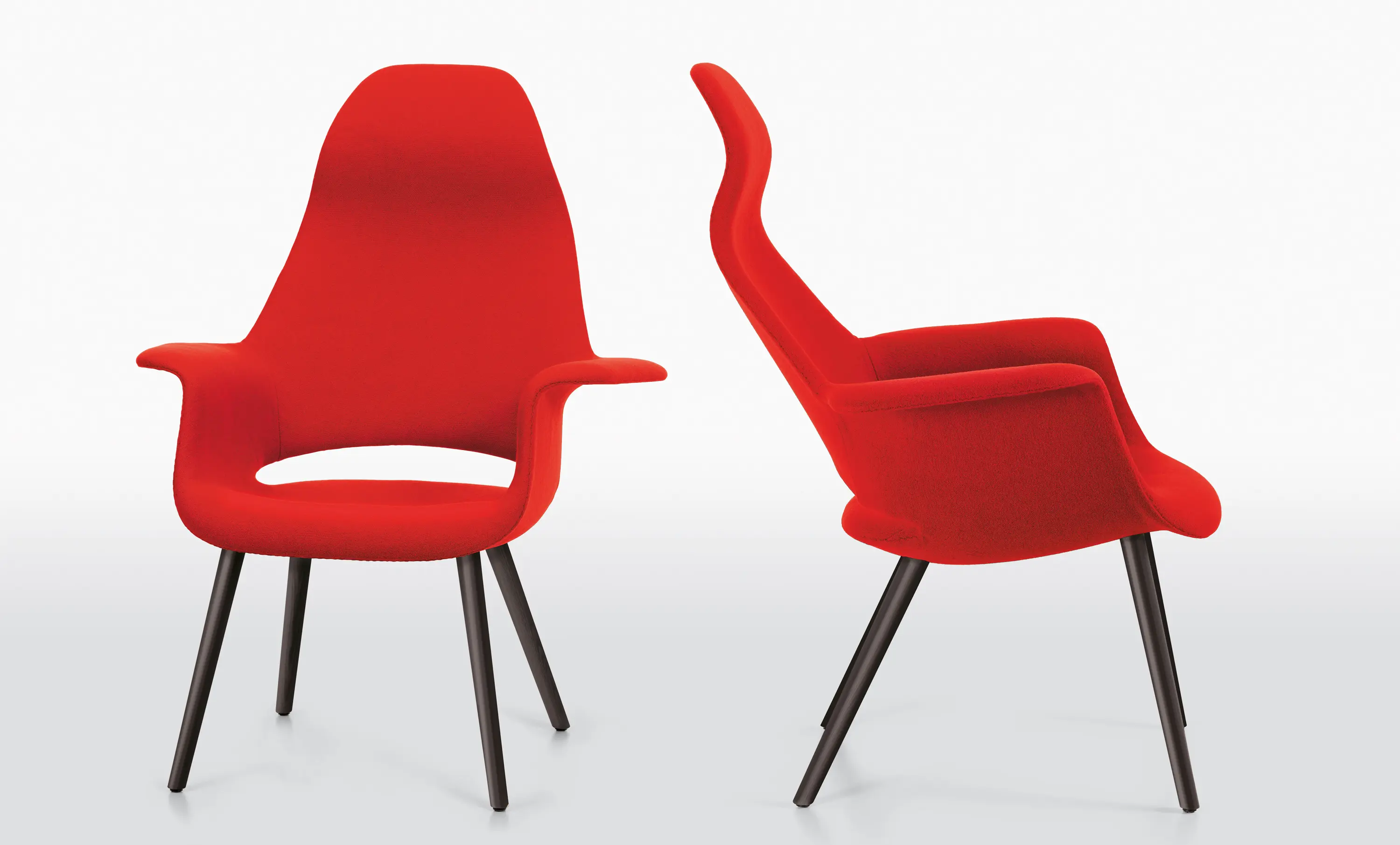
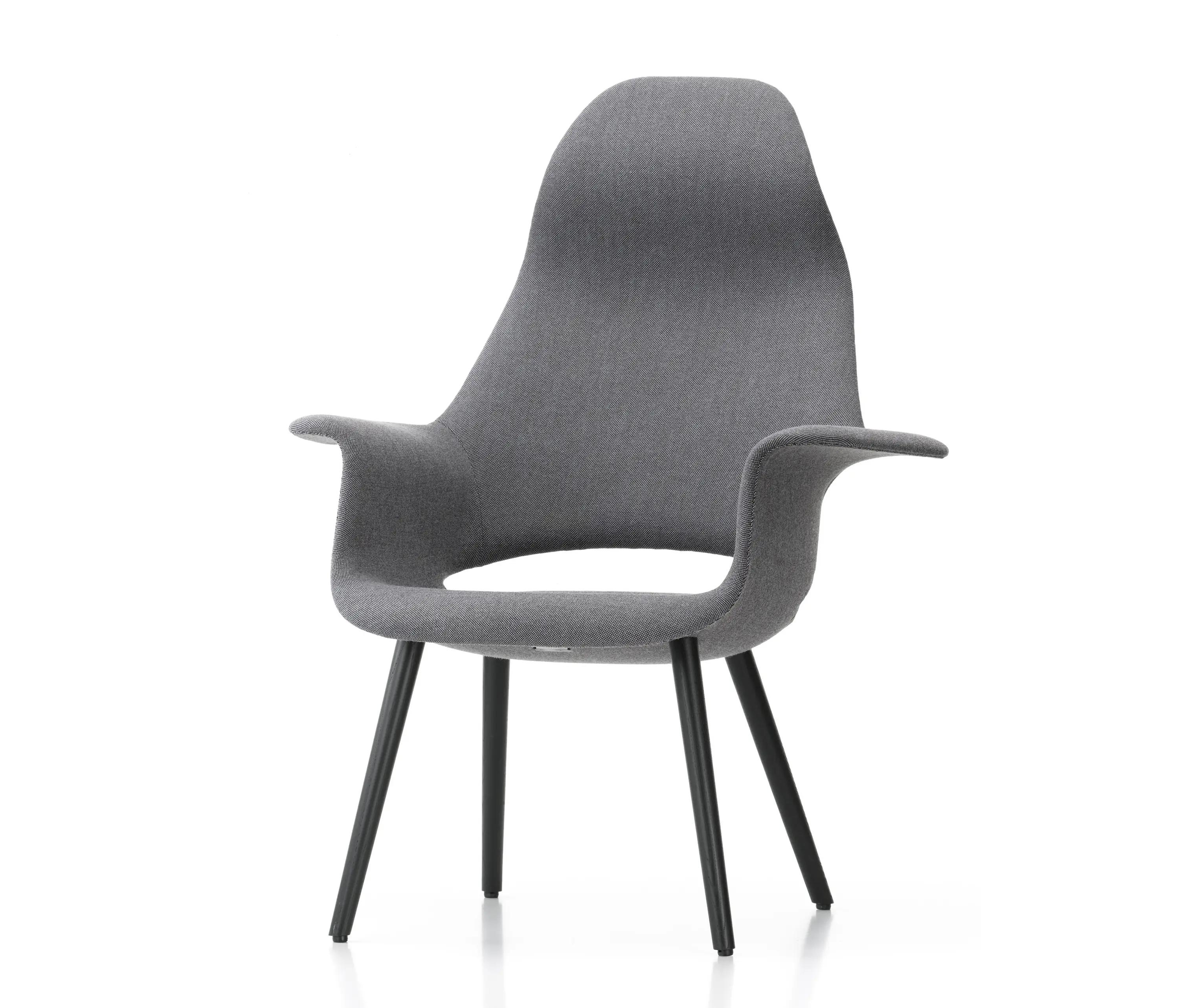
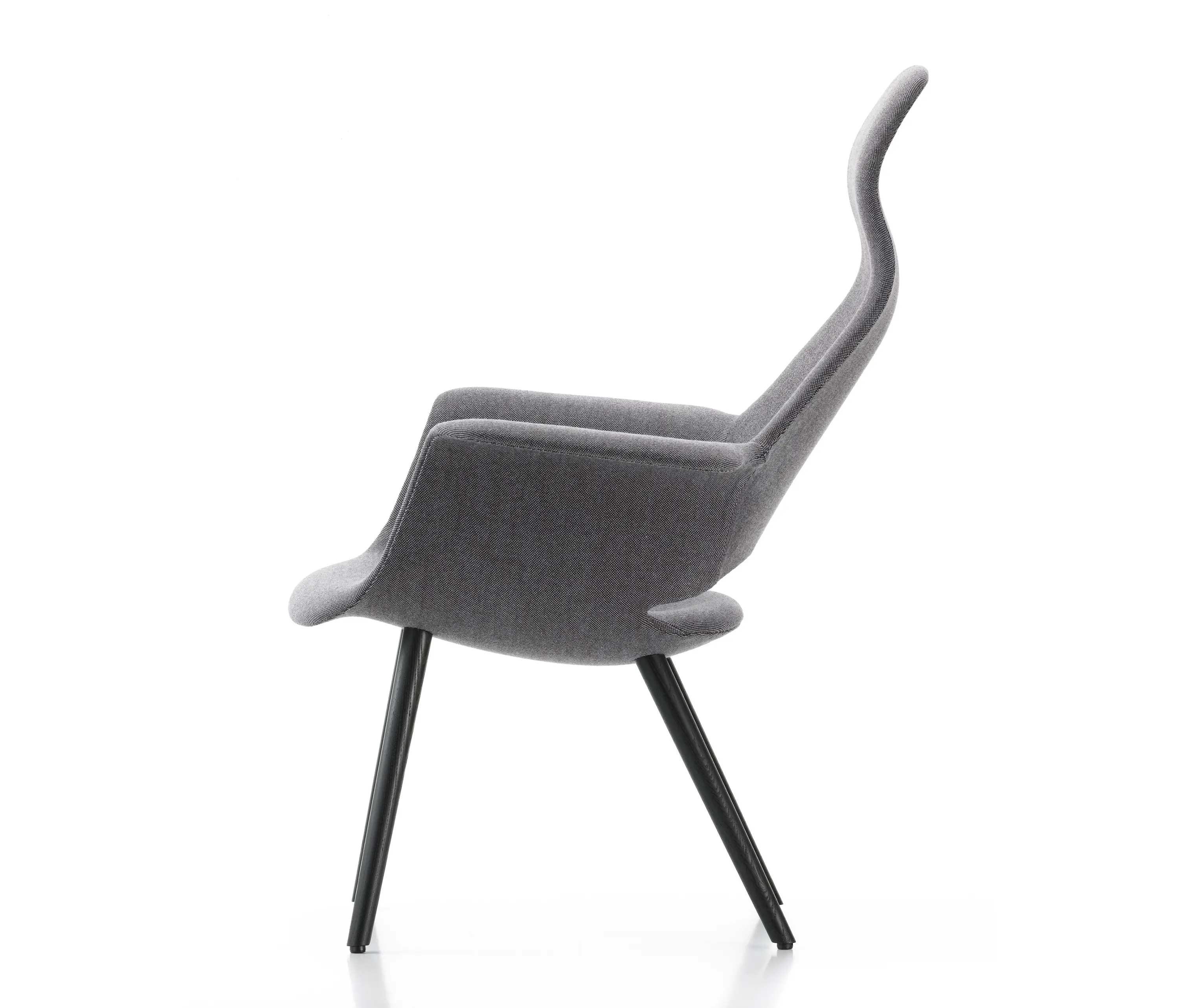
L‘Organic Chair è anche disponibile nella versione Organic Highback con schienale allungato e braccioli più ampi e lunghi.
850 x 785 x 1070 mm
Concetto
L‘Organic Chair, una confortevole poltroncina da lettura, è stata progettata in varie versioni in occasione del concorso‚ Organic Design in Home Furnishings‘ indetto nel 1940 dal Museum of Modern Art di New York. Il suo design dalle forme scultoree costituiva un progetto d‘avanguardia. Per motivi legati alle tecniche di fabbricazione la poltroncina non andò mai in produzione. Solo dopo il 1950 fu possibile produrre in serie e commercializzare scocche di forma organica, come quelle della famosa Plastic Armchair di Charles e Ray Eames o della Tulip Chair di Saarinen.
L‘Organic Chair è anche disponibile nella versione Organic Highback con schienale allungato e braccioli più ampi e lunghi. La versione Organic Conference è adatta come sedia per tavoli.
La sedia Organic Conference offre una seduta più eretta rispetto ai modelli Organic Chair e Organic Highback, progettati per la lettura. Questa sedia estremamente confortevole è pertanto ideale per sale da pranzo o per sale conferenze e riunioni.
Materiali
Scocca: laminato.
Imbottitura: schiuma poliuretanica con rivestimento in tessuto.
Gambe: frassino nero o rovere naturale.
Pattini: dotata di pattini in plastica per moquette e di pattini supplementari con inserti in feltro per pavimenti rigidi.
Questo prodotto appartiene alla collezione:


Finland
Eero Saarinen was one of the most celebrated architects and designers of the 20th century. In an era dominated by overly orthogonal International Style, he pioneered the use of organic forms in both architecture and furniture design. Eero Saarinen: a biography Born in the Finnish town of Kirkkonummi in 1910, Eero Saarinen was the son of well-known architect, Eliel Saarinen. In 1923, the family immigrated to the USA, and two years later Eliel Saarinen was commissioned to design the Cranbrook Educational Community art school. He later became the school's president. Eero Saarinen began to study sculpture in Paris in 1929, before changing his focus to architecture, which he studied at Yale University. In 1936, Saarinen started working at his father's architecture firm. Together with Charles Eames, Saarinen entered the ‘Organic Design in Home Furnishings’ competition, organised by the Museum of Modern Art in New York in 1940. Eames and Saarinen's Organic Armchair won the first prize. Saarinen gained public recognition as an architect with his design for the Jefferson National Memorial. He founded his own practice in 1950 in Birmingham, Michigan, and soon became one of the most sought-after architects in the country. Between 1950 and 1955, he designed the Kresge Auditorium and a chapel at the Massachusetts Institute of Technology. His best-known architectural design, the TWA Terminal at the John F Kennedy Airport in New York, as well as the terminal at the Washington Dulles International Airport were begun, but not completed by Eero Saarinen, who died following brain surgery in 1961. Saarinen did not only use organic forms in his architecture, but also in his furniture: the Tulip Chair and the Womb Chair have both come to represent timeless elegance with their curvaceous designs. Saarinen’s Womb Chair The Womb Chair came onto the market in 1948 and is an icon of modern chair design. The chair consists of a padded fibreglass shell on tubular steel legs, and envelops the sitter in a comfortable, reclining position inspired by a mother’s womb. The chair was designed at the request of Florence Knoll, who was taught by Saarinen’s father and was a designer and owner of the furniture company Knoll. The Tulip Chair Designed in 1956 by Saarinen, the Tulip Chair and Tulip Table both became instant hits with the public. Manufactured by Knoll, the shell of the tulip chair was made of plastic and rested on only one leg. With its dynamic, slender shape, the Tulip Chair and Table represent optimistic, futuristic, mid-century modernism in their design. TWA Flight Center Saarinen's TWA Flight Center in New York is designed to reflect the glamour of air travel. The building is said to resemble a giant bird, its outspread wings poised for take-off. The building's large expanses of glass and domed roof represent the gravity-defying act of air travel. The Transworld Airline terminal opened in 1962 and its primary function was to allow for the efficient handling of large numbers of passengers. The building's expansive vaults are made of reinforced concrete, giving the building a flowing, organic shape. This prime example of so-called ‘Googie’ architecture further cemented Saarinen's reputation as the most futuristic architect and designer of the postwar era in America. © by Architonic


