Condividere
Stampa
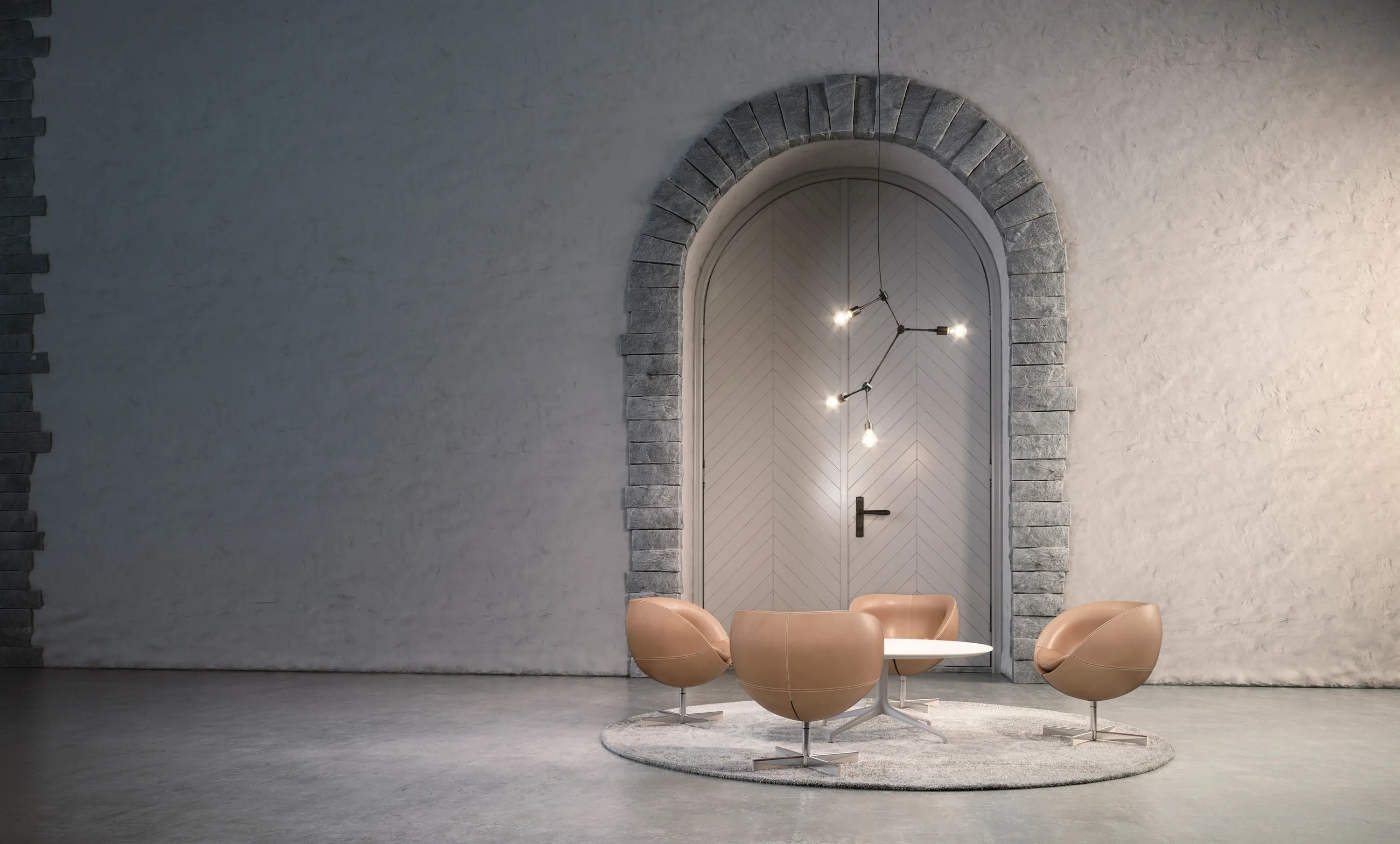


Planet Table
Architonic ID: 1080456
Anno di Lancio: 1965
Planet frosted glass table
Ø 60/70 cm
H 53 cm
Concetto
The Planet chair and table was first launched in 1965 and remained a part of the collection until the end of the 1970s. Planet was the first spherical chair in Norwegian furniture history. The name alludes to the first space journey in 1961 and the entry of Pop Art furniture onto the Norwegian market. Standard: Solid birch and black-stained beech. Steel: chrome legs. Menu: Natural beech or stained as described in the Fora Form menu. Info: Planet may be turned 360 degrees. Planet is also available with a spring mechanism which enables it to move backwards and forwards. We recommend choosing an elastic material such as Divina, Fame, Vadal and Cicero. Planet is not available in Galaxe. There is an additional charge if you choose more than one fabric/colour per chair. Each chair weighs 14 kg. Delivered unassembled, each chair sent separately. The price will be based on the most expensive fabric group. Planet Table Standard: 25mm table top in natural birch veneer. Steel: chrome base. Menu: Natural birch veneer, black-stained ash or stained as described in the Fora Form menu. Laminate as described in the Fora Form menu. Info: 10mm frosted glass with a C-profile. The glass plate is delivered smooth side up.
Questo prodotto appartiene alla collezione:
Base metallo, Vetro, Metallo, Piano vetro

Norway
Sven I. Dysthe (1931 – ) Sven Ivar Dysthe is a Norwegian industrial designer who is especially known for his furniture. His design career began when he started as an apprentice at one of the most respectable carpenter workshops in Trondheim. Arne Remlov, interior architect and editor of the design magazine Bonytt, persuaded Dysthe to apply for admission to the Royal College of Art in London. In 1952, Dysthe began his studies there at its newly created field of industrial design. The general manager at the school, furniture designer David Pye, played an important role in Dysthe´s development. The highlight as a student was most definitely when he was assigned to make the pincushion box for Queen Elizabeth II’s coronation in 1953. After graduating in 1954, Dysthe started working for the Danish architects and furniture designers Peter Hvidt and Orla Mølgaard Nielsen in Copenhagen. In Denmark, he gained close knowledge and understanding of Scandinavian design. He moved back to Norway the following year and it did not take long for his career to take off. His furniture is characterized by elegant and modern design, all products are minimal in form and material use. One of his main focuses was to allow for serial production, combining great systematic solutions with the right amount of details. He loved to explore new and modern techniques, an example of that is his dining chair Era. With its black powder coated steel frame and a steam bent T-shaped wooden backrest, together with a light and almost floating veneer seat, this chair is definitely showing his creative talent.


