Condividere
Stampa



3850,00 CHF
Mostra prezzo in
Architonic ID: 1003336
SKU: 405 505 00
Anno di Lancio: 1955
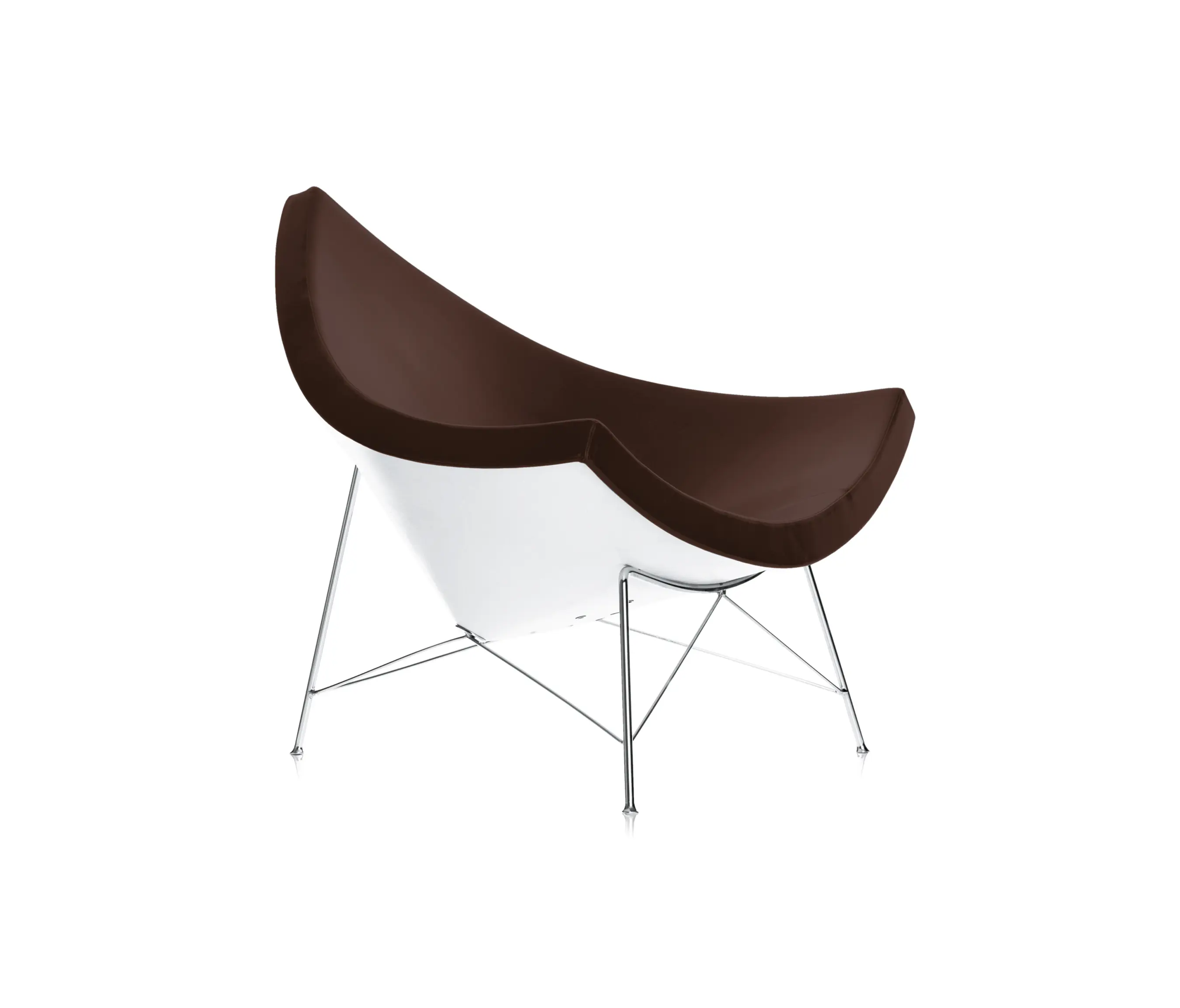
Scocca: plastica rinforzata in fibra di vetro bianca.
Imbottitura: singolo cuscino in schiuma poliuretanica.
Altezza del sedile: 295 mm (255 mm con carico applicato, misurata in conformità alla norma EN 1335-1:2000).
Basamento: tubolare di acciaio, finitura cromata lucida.
Pattini: dotata di pattini in plastica per moquette; pattini con inserti in feltro per pavimenti rigidi disponibili su richiesta.
1020 x 835 x 825 mm
Concetto
Questo progetto tipico del design degli anni 50, è caratterizzato dalla chiarezza delle sue forme e da un impiego minimo di materiali. Nelson stesso lo paragonò ad una noce di cocco spaccata in quattro, peró con, colori invertiti: la scocca esterna in materiale plastico è infatti bianca, mentre l’interno è disponibile in diversi colori.
Questo prodotto appartiene alla collezione:
Base metallo, Metallo

Hopsak
Material Type:
Fabric
Hopsak
Details
Material Attributes, Available Colors

Pelle Premium F
Material Type:
Leather
Pelle Premium F
Details
Material Attributes, Available Colors

Pelle
Material Type:
Leather
Pelle
Details
Material Attributes, Available Colors

static.vitra.com media asset 9089566 storage master download Certificate 26521 GG Coconut Chair

United States
George Nelson was one of the most influential American designers working in the second half of the 20th century. As an architect, editor, lecturer, curator and a passionate photographer, he worked across both practice and theory to understand design’s relationship with society and culture. George Nelson: a biography The American industrial designer, architect and journalist George Nelson was born in 1908 in Hartford, Connecticut. From 1928 to 1931, Nelson studied Architecture and Fine Arts at Yale University. In 1932, he went to continue his studies at the American Academy in Rome. As the Director of Design at the world famous furniture manufacturer Herman Miller from 1946 to 1966, George Nelson did much to develop numerous product lines as well as the public image of the company. In 1946, Nelson also opened his own architecture and design studio in New York City. His studio produced numerous pieces of iconic furniture, many of which became mid-century modern classics, including the Coconut Chair (1955), the Marshmallow Sofa (1956), the Ball Clock (1948 to 1960), Sunburst Clock (1948 to 1960) and the Bubble Lamps (1947). Nelson’s Lounge Chair: the Coconut Chair The Coconut Chair was designed by George Nelson in 1955, and represents the changing lifestyles and attitudes of that decade. The chair is stylish and formal, but comfortable and relaxed at the same time. It is simple and easy, rather than fussy or overdesigned like other products of the time. Nelson was particularly inspired by Eero Saarinen's Kresge Auditorium, and of course by the shape of a coconut and the tropical informality of beaches and holidays. The Sunburst Clock: George Nelson’s clock for Howard Miller Clocks The Sunburst Clock was designed by George Nelson for Howard Miller Clocks, one of America’s largest clock manufacturers. The exuberantly colourful, futuristic form references the space age that was beginning at the time. A belief in technological progress and growing economic prosperity were key aspects of American culture in the 1950s; everything seemed possible and people sought out modernity for their homes and everyday lives. George Nelson brought his modern design touch into American homes by reinterpreting conventional items in new ways. Nelson designed numerous other clocks over the course of his career, including the equally iconic Atomic Clock for the German brand Vitra. The Marshmallow Sofa: expression of an era George Nelson’s Marshmallow Sofa (1956) was one of the first pieces of furniture to take on the style of pop art. This unusual piece of furniture is characterised by an almost graphical reinterpretation of the sofa as a three-dimensional structure of brightly coloured cushions. Nelson’s Marshmallow Sofa is a highly playful design which is wonderfully representative of the era in which it was created. Due to its unconventional shape, appearance and conception, it is one of the most distinctive sofas in design history, and for this reason it has become an icon of the pop era. © by Architonic


