Condividere
Stampa

Condividere
Stampa
Questo prodotto fa parte del nostro catalogo di riferimento.
Ulteriori richieste sono riservate ai marchi partner di Architonic.
Architonic ID: 1004420
Anno di Lancio: 1940
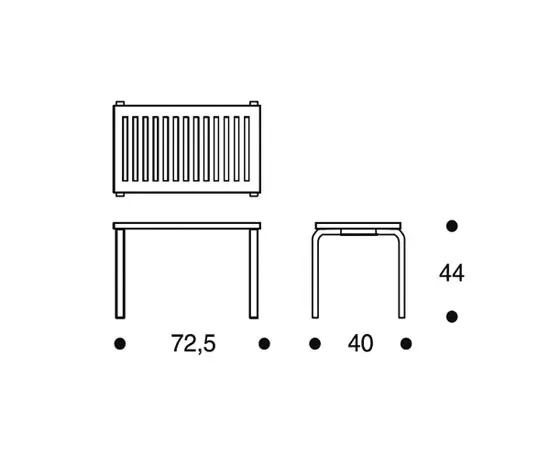
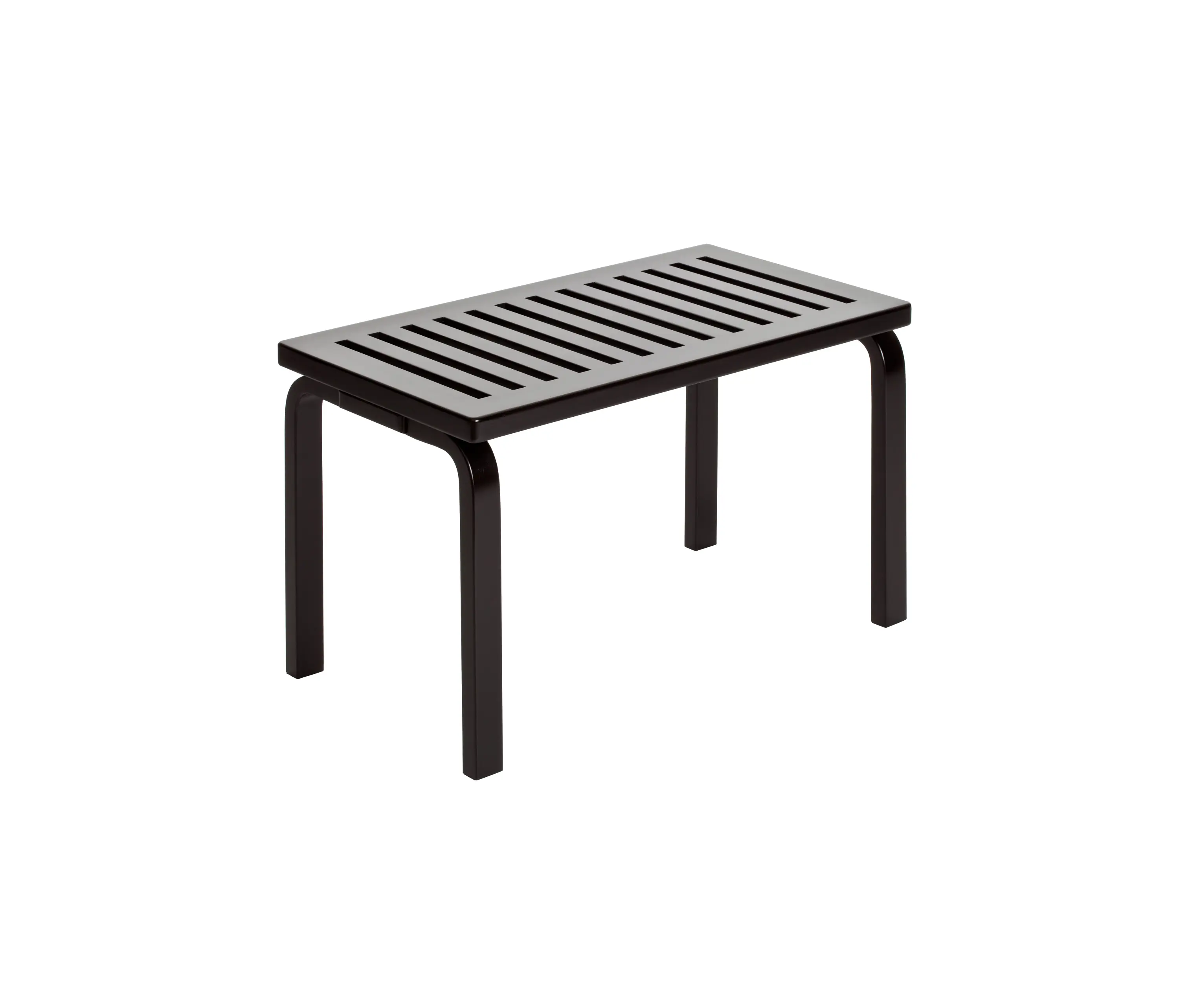
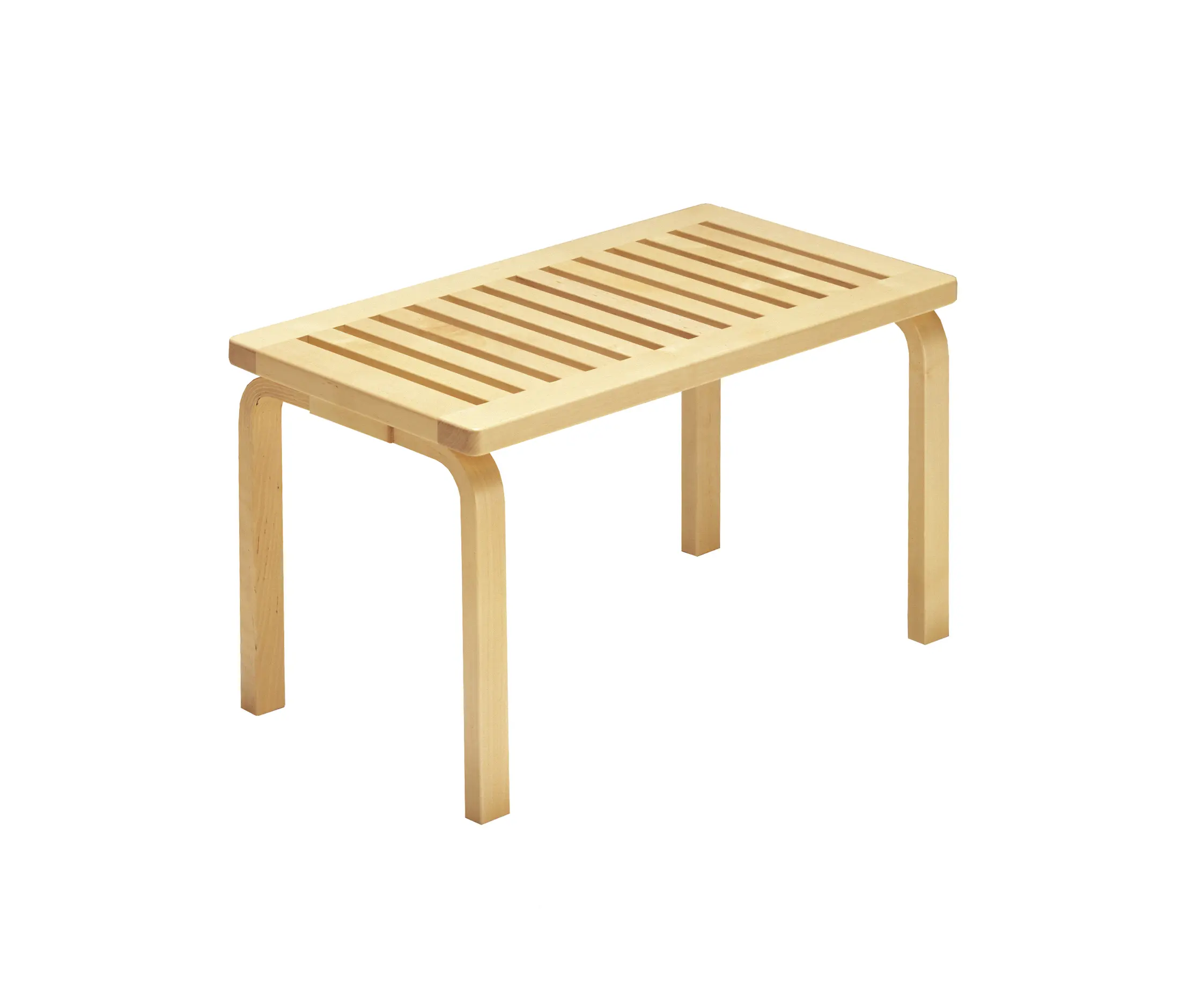
Bench 153 is lightweight, versatile, and equally at home in the public and private spheres. The seat is composed of solid birch wood and features vertical recesses that make the bench light and easy to move. Combining strength with the warm organic qualities of Finnish birch, Bench 153 pairs naturally with other members of the L-leg family. Thanks to Aalto’s ground-breaking L-leg system, the legs can be mounted directly to the seat without the need for complicated connecting elements. Designed by Alvar Aalto in 1945, Bench 153 is a late and much beloved addition to the L-leg collection.
Concetto
A truly versatile item of furniture, the bench offers multiple possibilities from seating to storage surface to low table. Highly portable, the bench can be integrated into any setting or stand alone, be teamed up with other items from a collection or displayed solo. Coming in a variety of materials and styles, the Artek benches showcased here command attention. While different designers have contributed to the range, continuity is provided by the values of simplicity, craftsmanship, and versatility.
Questo prodotto appartiene alla collezione:
Base legno derivato, Seduta legno derivato, Legno

Finland
Alvar Aalto was a Finnish architect, designer, sculptor and painter. He was considered one of the most influential architects of Nordic modernism and Finnish design in particular. Alvar Aalto: a biography Alvar Aalto was born on 3 February, 1898, in Kuortane, Finland. In 1921, he completed his architectural studies at the Technical University of Helsinki. By September of 1923, he had opened his first architectural office in Jyväskylä. It was only with the completion of his sanatorium in Paimio in 1932 that Aalto became internationally recognised. Later, buildings such as his library in Vyborg (1927–1935), his student residence in Cambridge, Massachusetts (1947–1949), the main building of the Helsinki University of Technology (1953), the Maison Carrée in Paris (1956–1958), the Cultural Centre in Wolfsburg (1958–1962) and the Essen Opera (1989) continued to build Aalto’s reputation for thoughtful modernist architectural designs. In 1935, Aalto and his wife Aino Aalto Marsio founded the furniture company Artek in Helsinki, together with Aalto’s patron, the industrialist's wife Mairea Gullichsen.From 1936, Aalto designed glassware for the company, including the now-iconic Aalto Vase. The Finnish manufacturer Iittala continues to produce the Aalto Vase to this day, while Artek continues to manufacture the Artek Stool and other Artek furniture. In the 1950s and 1960s, Aalto received numerous honours and awards for his achievements, including the Royal Gold Medal for Architecture, presented to him in 1957 by Queen Elizabeth II. The Savoy Vase by Alvar Aalto In 1936, Aalto created the Aalto Vase, together with the Finnish glass manufacturer Iittala. The Aalto vase became one of the most famous products of Finnish design. It was first designed for the luxurious Savoy Restaurant in Helsinki, from which it takes its other name, the Savoy Vase. With its asymmetrical shape and free-flowing curves, the design symbolises originality, straightforwardness and the high aesthetic standards that were innate to Finnish design. The vase is created from supple, wavy lines, which represent the Finnish landscape with its many lakes and forests. Aalto’s design for the vase was inspired by nature, much like his many architectural designs. The Aalto Vase was presented at the World Exhibition in Paris in 1937; and its simplicity has remained extremely popular, well into the 21st century. Smaller versions of the design are still produced in the Iittala glass factory in Finland. Recently, the vase has attained an iconic status. Alvar Aalto's Paimio Chair For his sanatorium project in Paimio, Alvar Aalto designed numerous pieces of furniture and lamps. The Paimio Chair was one of the Aalto furniture pieces designed for the interior of the building. Aalto worked with wood laminate to produce a warm, pliable material suitable for making furniture for patients who had to sit several hours at a time every day. The first drafts of the design for the Paimio Chair, or Paimio Armchair as it is sometimes called, were presented in 1929 in the city of Turku. Today, the Paimio Chair can be found in numerous museums, including in the permanent collection of the Museum of Modern Art in New York. © by Architonic
Contatta direttamente
Contatta direttamente Artek
Artek