Condividere
Stampa

Condividere
Stampa
AJ Parete
Architonic ID: 20281592
SKU: 90403-5743150500-01
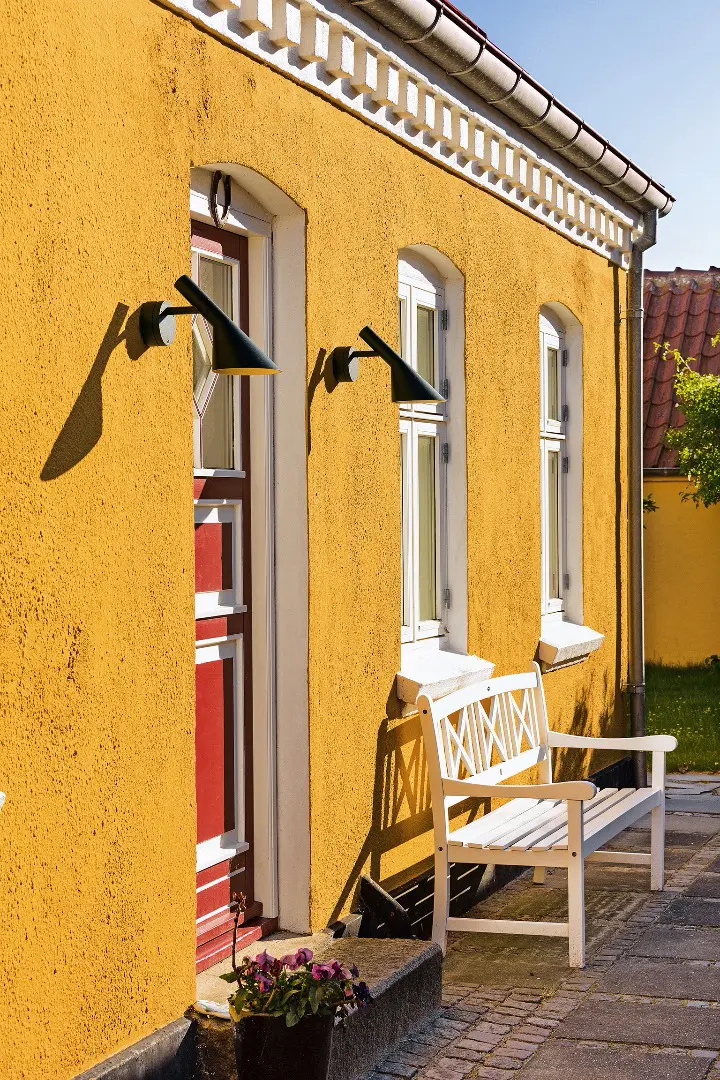
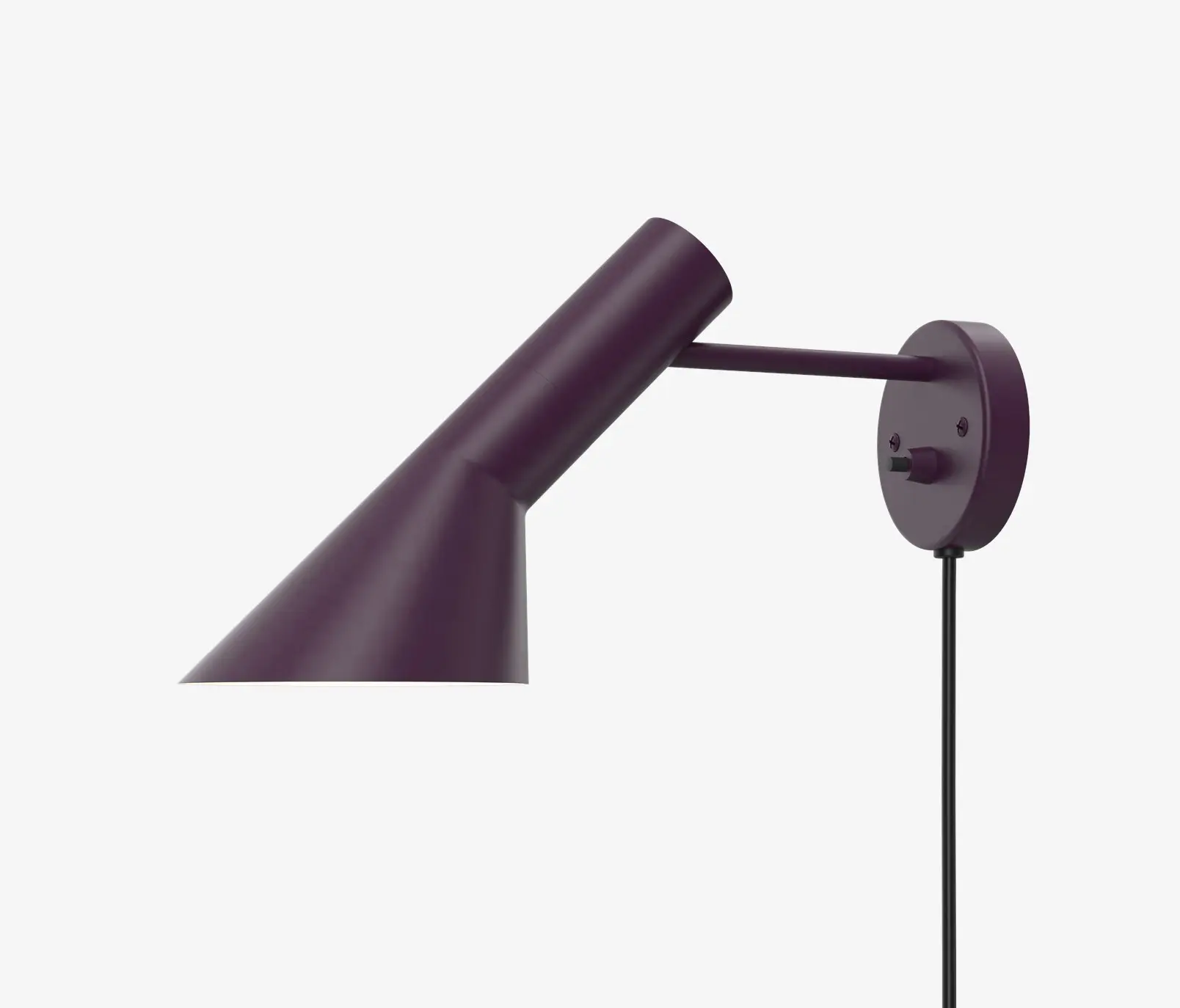
Arne Jacobsen ha creato la lampada AJ per il SAS Royal Hotel di Copenhagen (Radisson Collection) nel 1957. Oggi, la serie AJ è considerata come il design per il quale l’architetto danese è meglio conosciuto in tutto il mondo. Ai tempi, la serie AJ comprendeva una lampada da tavolo e una da pavimento, oltre a una lampada da parete e una lampada da tavolo piccola creata per essere fissata al tavolo. La lampada da parete era presente, disposta in magnifiche file, nella versione in acciaio inossidabile nella lobby dell’hotel all’apertura nel 1960. Unitamente alla sospensione AJ Royal, la lampada AJ faceva parte del concept globale del design creato da Jacobsen per l’hotel. Jacobsen, non solo ha progettato l’hotel fino all’ultimo dettaglio per SAS (Scandinavian Airlines), ma ha anche contribuito al design di quasi tutti gli arredi originali e degli accessori di servizio. Il profilo della lampada AJ con le sue linee dritte e la combinazione di angoli retti e obliqui non è solo considerato come un parallelo formale al profilo delle sedute della Serie 3300, ma anche ai profili geometrici dei suoi edifici. La lampada AJ è stata usata in diverse parti dell’hotel, nelle versioni in rame e acciaio inossidabile. Era inoltre originariamente disponibile in grigio chiaro, marrone scuro e nero come la sospensione AJ. Nel corso degli anni sono stati comunque introdotti nuovi colori per la celebrazione degli anniversari della serie.
Nel 2020, il 60° anniversario dell’apertura del SAS Royal Hotel è stato celebrato con la reintroduzione dell’AJ Tavolo Mini particolarmente adatta per la casa, su un davanzale, un comodino o abbinata ad altri arredi. Tutte le versioni della lampada AJ sono state inoltre reintrodotte nella versione originale in acciaio inossidabile che riflette gli ambienti circostanti nello spirito di Arne Jacobsen, ponendo in risalto la forma minimalista e distintiva della lampada e la perfetta emissione della luce.
Concetto
Disegnato da Arne Jacobsen nel 1960 per il SAS Royal Hotel di Copenhagen (Radisson Blu), AJ fa parte di un concept di design creato unicamente per l’hotel. Molti dei prodotti creati per l’hotel sono considerati come icone del design e, in particolare, nel campo della luce, le lampade AJ hanno ottenuto fama mondiale. Per celebrare il cinquantesimo anniversario del lancio della famiglia delle lampade AJ, sono stati presentati cinque nuove colorazioni. I nuovi colori sono stati accuratamente scelti da una gamma di colori definiti da Arne Jacobsen.
Questo prodotto appartiene alla collezione:
Metallo
Puoi visitare la pagina del prodotto per queste varianti: basta cliccarci sopra!

Denmark
Arne Jacobsen was one of the most accomplished Danish designers and architects of the 20th century. His distinctly elegant style married the efficiency and clean lines of modernism with sensuous, organic forms found in nature. Biography Arne Jacobsen Arne Jacobsen was born in Copenhagen in 1902. Originally, he began an apprenticeship as a stonemason, but decided instead to study architecture at the Royal Danish Academy of Fine Arts in Copenhagen, which he successfully graduated from in 1927. One of Jacobsen’s first projects was a ‘House of the Future’, with a helicopter landing pad on the roof, which he designed together with Flemming Lassen. He also designed several larger projects, such as the Bellavista housing estate in Klampenborg. In 1942, Arne Jacobsen and Erik Moller won an architectural competition to design the City Hall of Aarhus, working together with the designer Hans J Wegner. Between 1956 and 1960, he worked on the SAS Royal Hotel (now the Radisson Blu Royal Hotel) in Copenhagen. The building was conceived as a total work of art, and the three architects designed every detail, from the Egg Chair and the Swan Chair, which owe their iconic status to their seductive, organic forms, down to the cutlery in the building. In 1956, he became a professor at the Royal Danish Academy of Fine Arts. The Munkegård school in Genofte, the Toms factory in Ballerup, the Danish National Bank and the Sports Hall in Landskrona, were all pioneering works of Scandinavian modernism designed by Jacobsen. Some of Jacobsen’s international projects, such as the school building for Christianeum in Hamburg and the Danish Embassy in London were only completed after his death in 1971. Designs by Arne Jacobsen Jacobsen designed furniture, textiles, cutlery and wallpapers among other things, but his most famous projects are his chairs. His 1952 Ant Chair, together with his later Series 7 Chair became some of the most commercially successful designs ever produced. Jacobsen's work is influenced by the iconic architecture and furniture of Le Corbusier and Ludwig Mies van der Rohe. In his quest for perfection, he was not afraid to investigate new and even radical ideas. He always worked to produce objects industrially, while imbuing them with a certain handmade quality; an approach that became the hallmark of modern Danish design. Jacobsen’s Swan Chair Designed for the lobby and lounge of the SAS Royal Hotel, Jacobsen's Swan Chair of 1956 is deemed by many to be a true turning point in furniture design. Inspired by the bird’s elegant, soaring wings, the innovative design abandons straight lines in favour of sweeping curves and organic forms. The chair's sensuous sculptural qualities and bold colours epitomise the optimism of the 1960s. The Swan Chair was first produced by the Danish manufacturer Fritz Hansen, who continue to produce it to this day. Egg Chair Like the Swan Chair, the Egg Chair was also designed for the SAS Royal Hotel in Copenhagen. The armchair's generous size means it was used to furnish the hotel's lobby. The Egg Chair's restrained form is made seductive by the organic shapes reminiscent of an oval eggshell. Because of its unique, comfortable design, it is one of the most popular chair designs of the 20th century, and continues to be manufactured today by Fritz Hansen. © by Architonic


