

Condividere
Stampa
Architonic ID: 1001979
Anno di Lancio: 2002
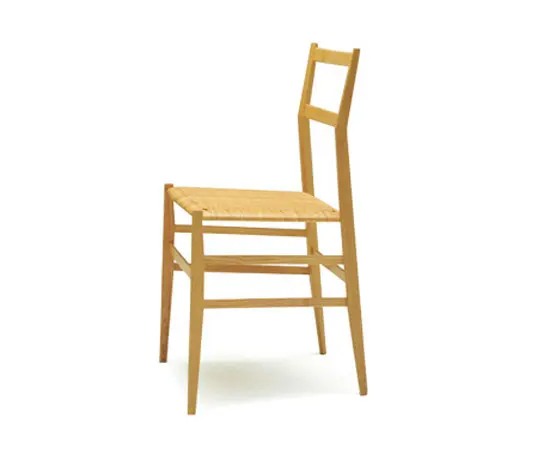
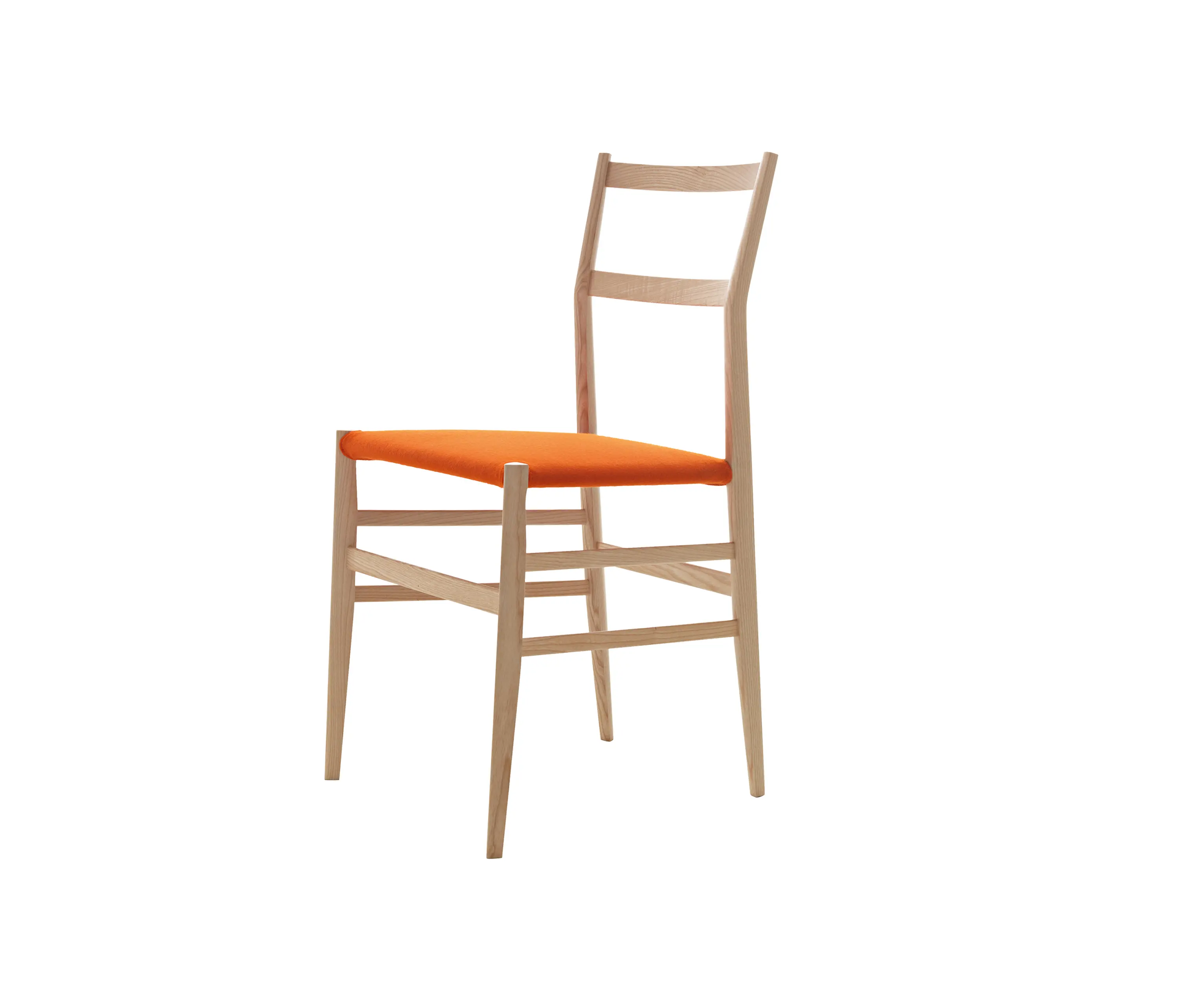
Prodotta ininterrottamente dal 1957, la Superleggera rappresenta una sintesi esclusiva tra la ricerca di Gio Ponti e la sperimentazione avanzata di Cassina, divenendo icona indiscussa di modernità e raffinatezza artigianale. Emblema dell’eccellenza costruttiva Cassina, la sua sfida progettuale è racchiusa nella sezione triangolare delle gambe, di soli 18 millimetri e con un peso minimo di 1.700 grammi, mentre la struttura in frassino elastico e leggero si abbina al telaio del sedile in legno di faggio, più compatto e resistente al carico. Gli elementi in legno, realizzati a macchina, sono rifiniti manualmente attraverso le procedure meticolose di incollaggio a pennello, pulitura dalla colla residua e impagliatura della seduta. Sapienza artigianale e innovazione industriale si incontrano così in un “oggetto primo”, ispirato alle tradizionali chiavarine liguri e offerto sia nella versione classica che nelle varianti colorate con seduta imbottita.
Concetto
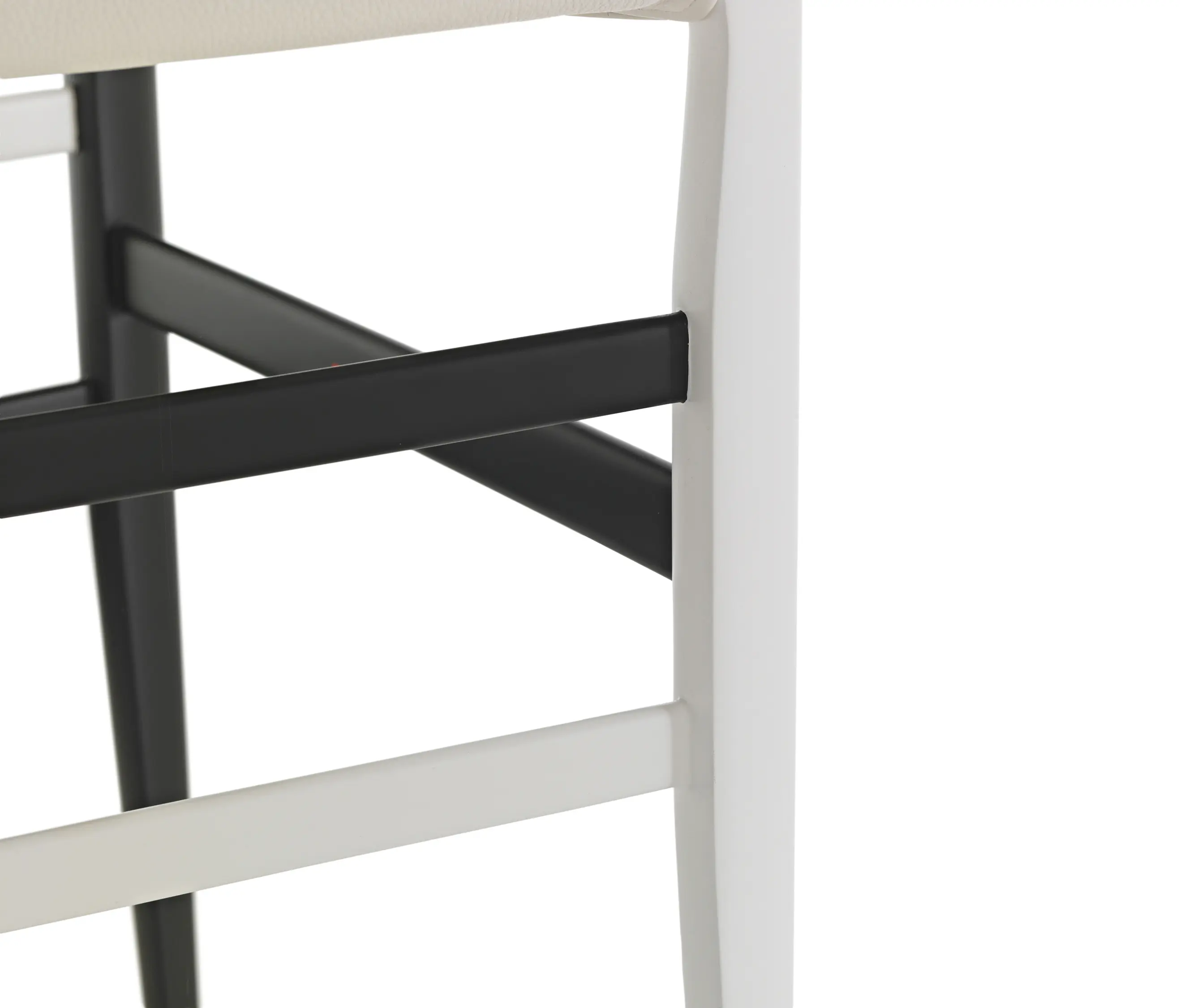
Cassina presenta due nuove riedizioni della sedia 699 Superleggera disegnata da Gio Ponti per la Collezione Cassina I Contemporanei. Accanto ai modelli classici in frassino naturale, laccato nero o bianco con seduta in canna d’India, sono oggi disponibili nuove varianti provenienti dalla produzione di Cassina degli ultimi anni ’50 con seduta imbottita colorata in pelle o tessuto sfoderabili. Questo modello è proposto in frassino naturale oppure tinto bianco o nero a poro aperto, che permette di scoprire la vera essenza e il fascino del legno. Le combinazioni possibili sono 450. La seconda riedizione, disegnata da Ponti negli anni ’50 per le esposizioni e mai messa in produzione, ha la struttura laccata bicolore bianca e nera con seduta imbottita in pelle bianca o grafite:
“In penombra” disse Ponti “sarà ancora più leggera perché si reggerà solamente su due gambe”.
Il capolavoro autentico di Ponti La Superleggera, riconosciuta dallo stesso architetto e designer come uno dei suoi tre capolavori (insieme al grattacielo Pirelli a Milano e la Concattedrale di Taranto), è un simbolo di perfezione ed equilibrio tra solidità e leggerezza con una sezione triangolare di soli 18 millimetri e un peso minimo di 1,700 grammi. Ininterrottamente prodotto da Cassina dal 1957, è il frutto della ricerca di Gio Ponti e della capacità di sperimentazione e di lavorazione di Cassina e dei suoi abili artigiani.
Questo prodotto appartiene alla collezione:
Base legno massello, Seduta intrecciato, Legno

Italy
Gio Ponti was an icon of the modernist movement: the Italian designer, architect, artist and publisher contributed significantly to the worlds of architecture and design with his extensive work in fine furniture and ceramics, education, office and residential buildings, and everything in between. He is considered by many to be the father of modern Italian design. Gio Ponti: a biography Giovanni, known was Gio, Ponti was born in 1891 in Milan. It was there that he spent his childhood, and in 1921 he began to study architecture at the Politecnico di Milano. From 1923 to 1930 he served as the artistic director of the Richard-Ginori porcelain factory. In 1927, Ponti started his first architectural office, together with Emilio Lancia, and in 1928 he started the magazine Domus, which is still regarded as one of the most influential European magazines for architecture and design. He was also very influential during the period as a curator of the Milan Triennale. After his collaboration with Emilio Lancia had come to and end, upon completion of the Torre Rasini, he began to work as an architect together with the engineers Antonio Fornaroli and Eugenio Soncini. It was during this period that Ponti designed many of his most famous buildings, such as the Institute of Mathematics of the University of Rome, the Primo Palazzo Montecatini, the Casa Marmont and Villa Donegani in Bordighera. The most well-known of his architectural works is the Pirelli Tower, which Gio Ponti completed in his hometown of Milan in 1956. He continued to work well into his eighties, completing such impressive works as the Concattedrale Gran Madre di Dio in Taranto and the Denver Art Museum. Gio Ponti died in Milan on 16 September, 1979 having produced countless pieces of furniture, ceramics and thousands of other objects throughout his life. The Superleggera Chair by Gio Ponti In 1957, Gio Ponti designed his most famous piece of furniture, the Superleggera chair, for the manufacturer Cassina. The ‘ultra-light’ chair was an update on the traditional chairs that were produced in the Ligurian factory. They continue to be in great demand due to their simplicity and functionality, and to this day, the Superleggera chair with its sleek, understated shape is one of the most common chairs found in Italian restaurants. Gio Ponti’s Coffee Tables and Other Furniture In 1931, Ponti became artistic director of the design manufacturer FontanaArte, going on to design numerous objects for the company. Among the furniture pieces Ponti created were coffee tables such as the Tavolino 1932 coffee table, as well as many lamps, such as the Pirellone, the Pirellina, and Bilia lamps. Gio Ponti: architecture and design philosophy Ponti’s architecture and design embodied the Italian dolce vita. Influenced by his early work in ceramics, Ponti took responsibility for the design of every aspect of his buildings, including their interior design, lighting, and even glass and silverware. Gio Ponti broke through borders and traditions, choosing instead an interdisciplinary approach which combined design, art, craft and architecture. His fascination for a wide range of styles is evident from his designs for a wide variety of manufacturers, including Cassina and FontanaArte. © by Architonic


