Software update: workplace textiles
How to make office spaces more inviting to workers used to the comforts of home? For increasing numbers of interior architects and designers, textiles provide a compelling answer.

Par HONG Designworks et Peter Smisek
août 3, 2021 | 10:00 pm CUT
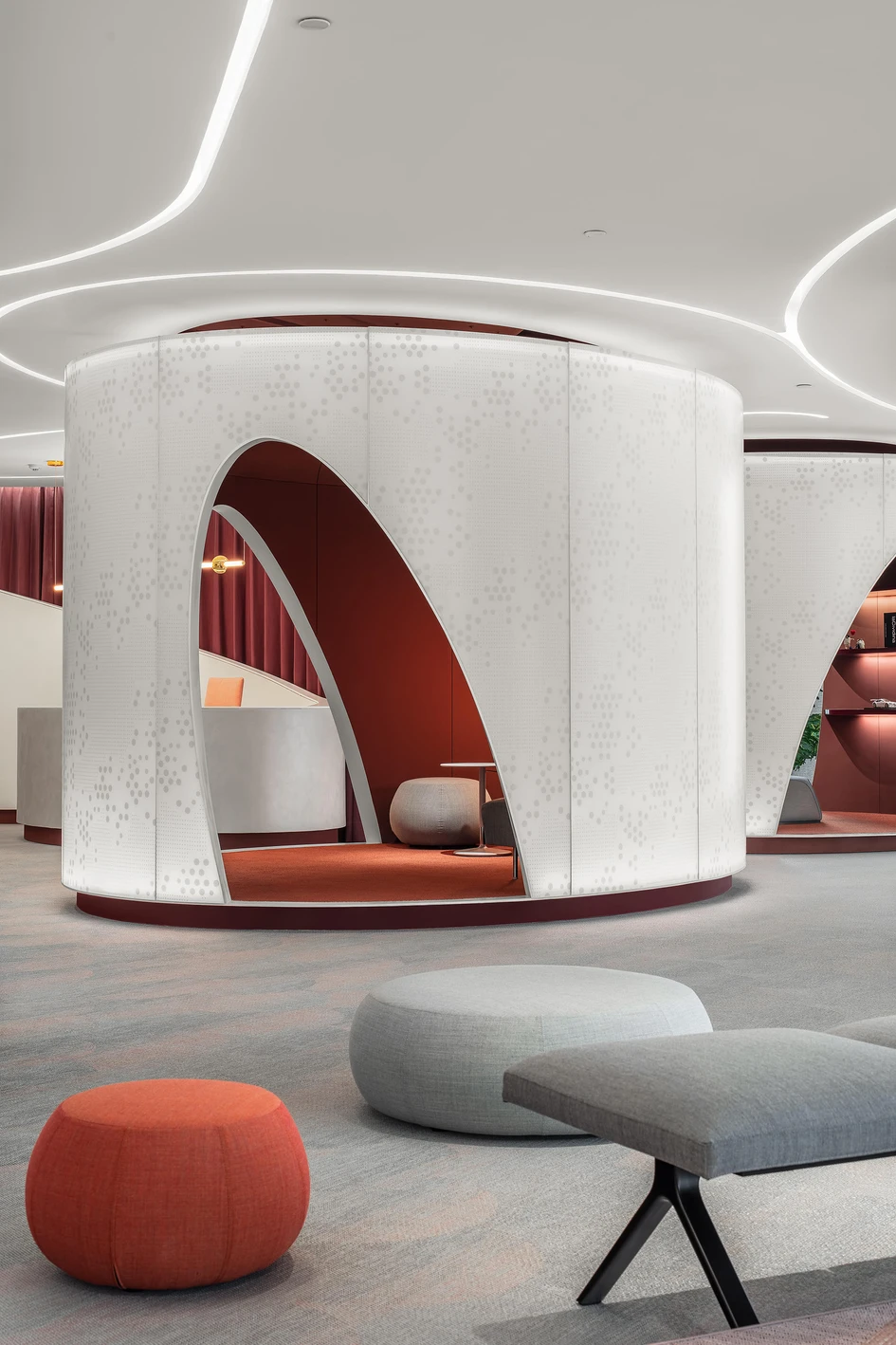
Textiles have an important role to play in interior architecture and design. Whether as curtains, wall coverings, carpets or upholstery on furnishings, fabrics can add a welcome splash of colour to office interiors, while also absorbing noise and lending a softer feel to the spaces they furnish. And in a post-pandemic world, it seems highly likely that architects and designers will continue to use textiles in professional interiors in order to ease people's re-entry into the workplace and provide the more homely comforts that we have all become used to.
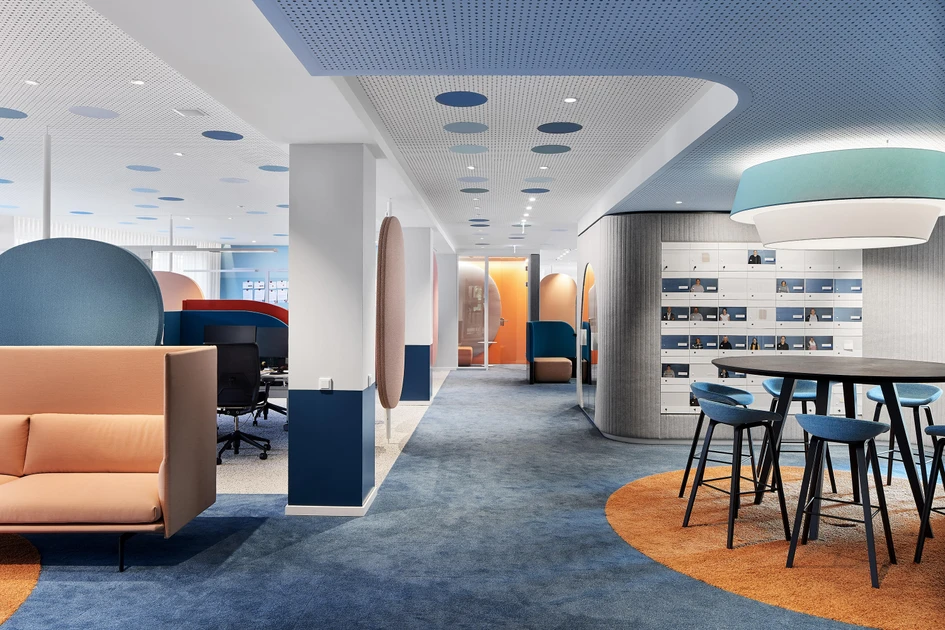
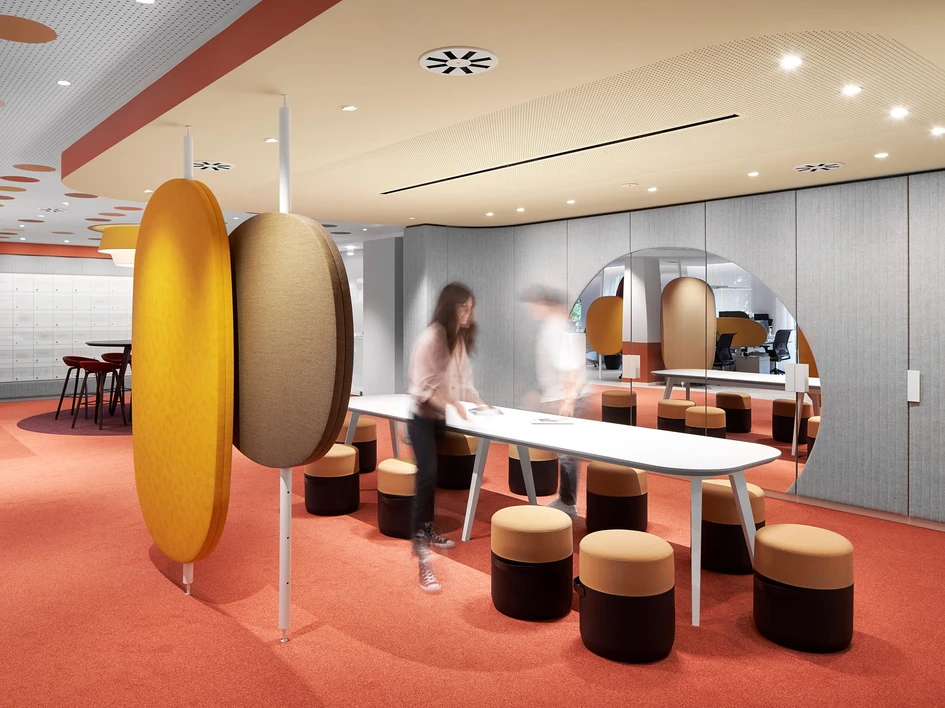
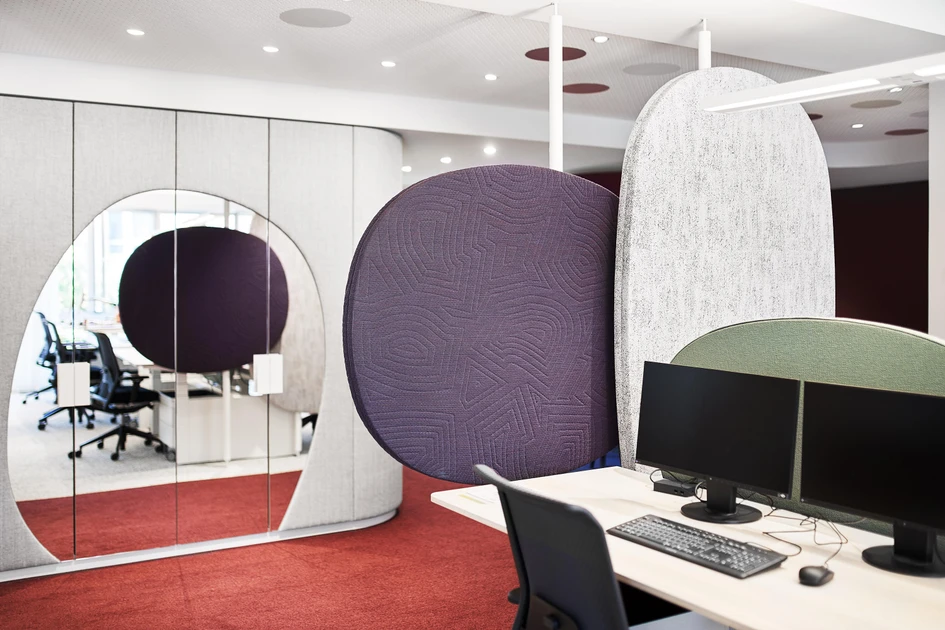
In Bonn, Ippolito Fleitz Group have recently completed Aktion Mensch Headquarters, a colourful new office for a German charity that aims to promote the inclusion of disabled people. The space features extensive use of textiles as a carpet, padded desk dividers and partitions, as well as wall cladding and as upholstery on chairs, armchairs and sofas. Divided into eight zones, each part of the office is given its own vibrant textile colour scheme, which carries on into the individually designed ceiling patterns.
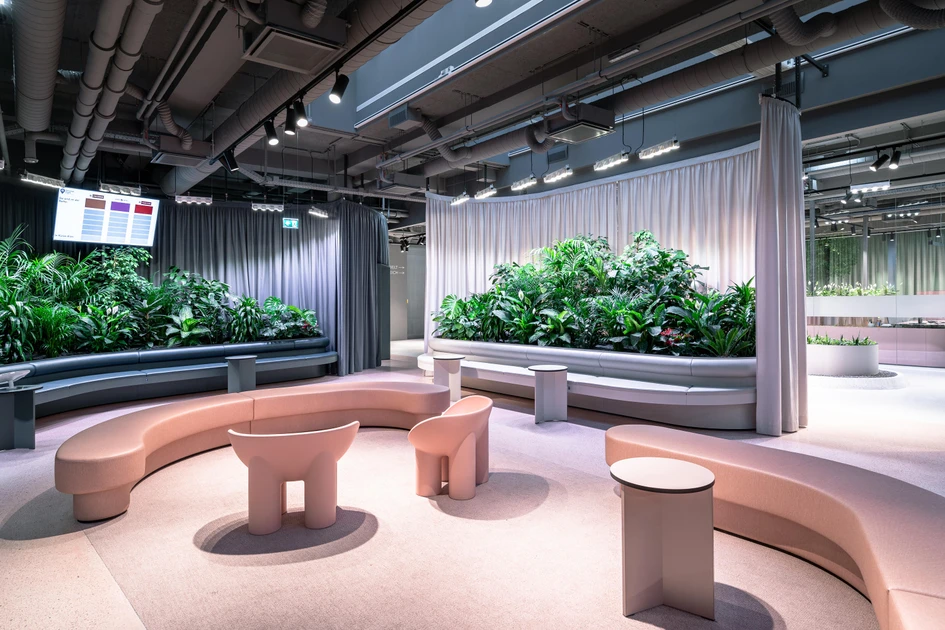
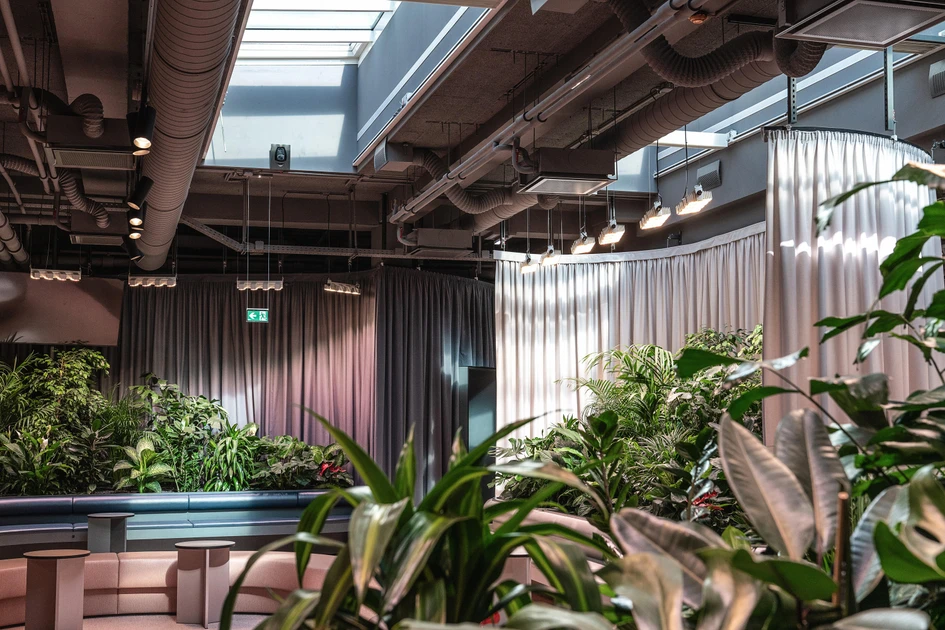
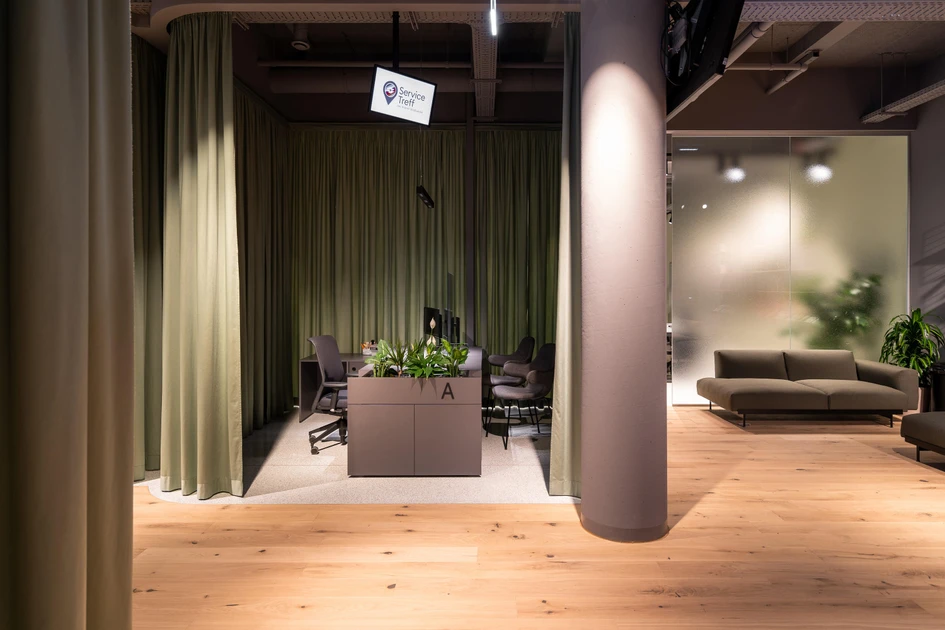
Using a more restricted colour palette, smartvoll's Service Point in Vienna is the city's front office for its public utility companies, designed to project the notion of care and wellbeing to clients and employees. Featuring a public loop with terrazzo floor, the different parts of the office are divided using ceiling-to-floor curtains. The workspaces inside are carpeted and the desks are separated using upholstered dividers and planters. By muffling noise and shielding the clients and employees, the textiles provide a sense of privacy while the moving curtains allow a degree of flexibility in the way the space is used.
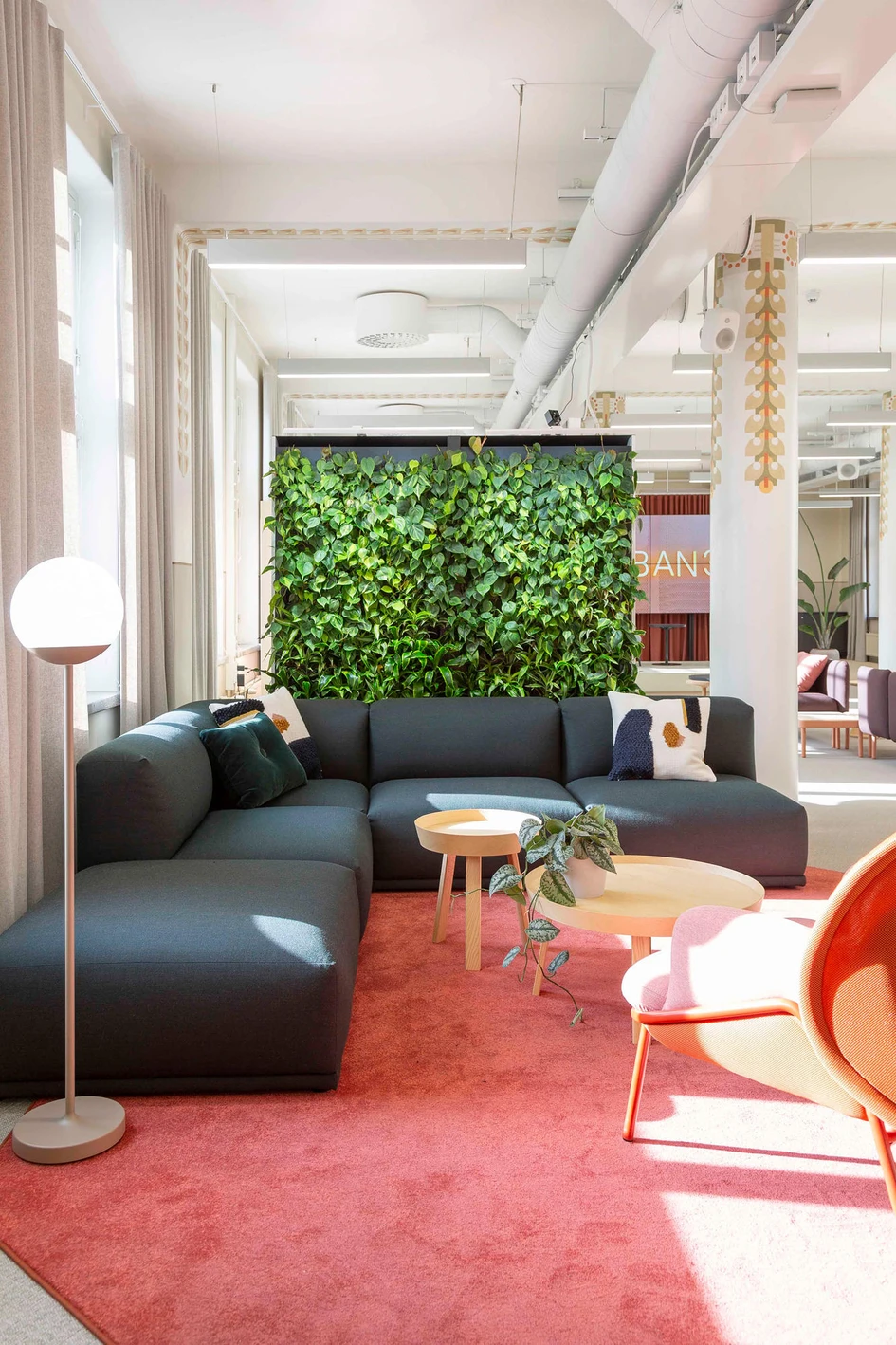

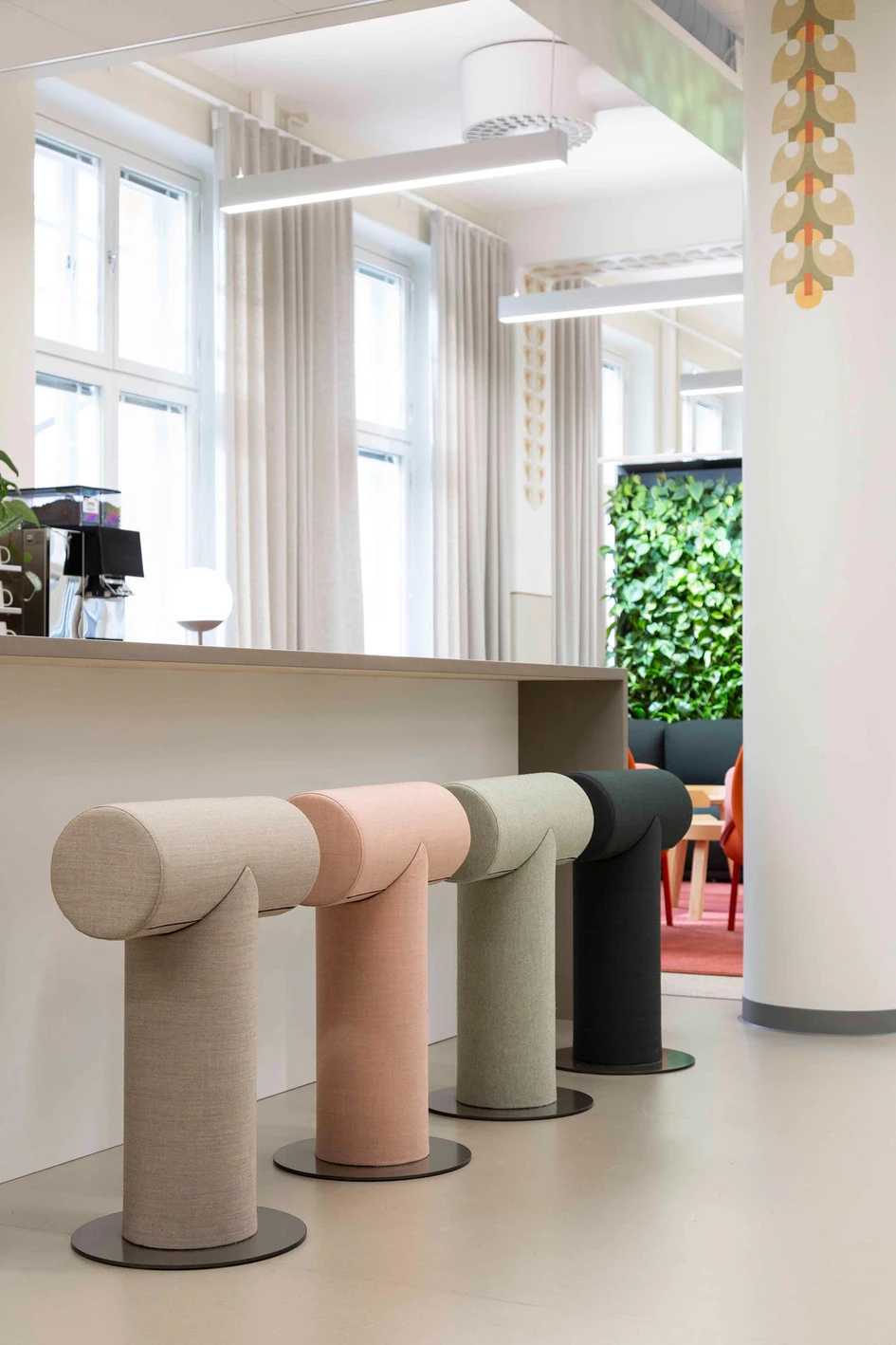
A more informal design, Urban3 coworking hub by Mint & More Creative in Helsinki shows a more relaxed approach to using textiles in interior design. Using a co-design process to better understand the users' needs and reflect their values, the semi-open plan office mixes pale timber dividers with ceiling to floor curtains and robust, upholstered furniture. A rug delineates the central breakout area, while a small stage with a textile backdrop provides a place for impromptu presentations and debates.
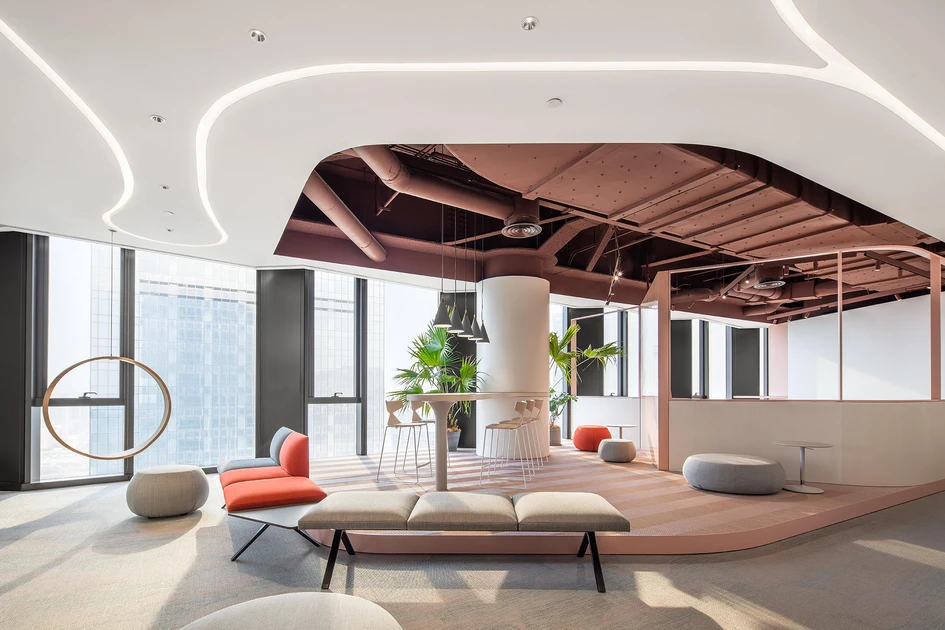
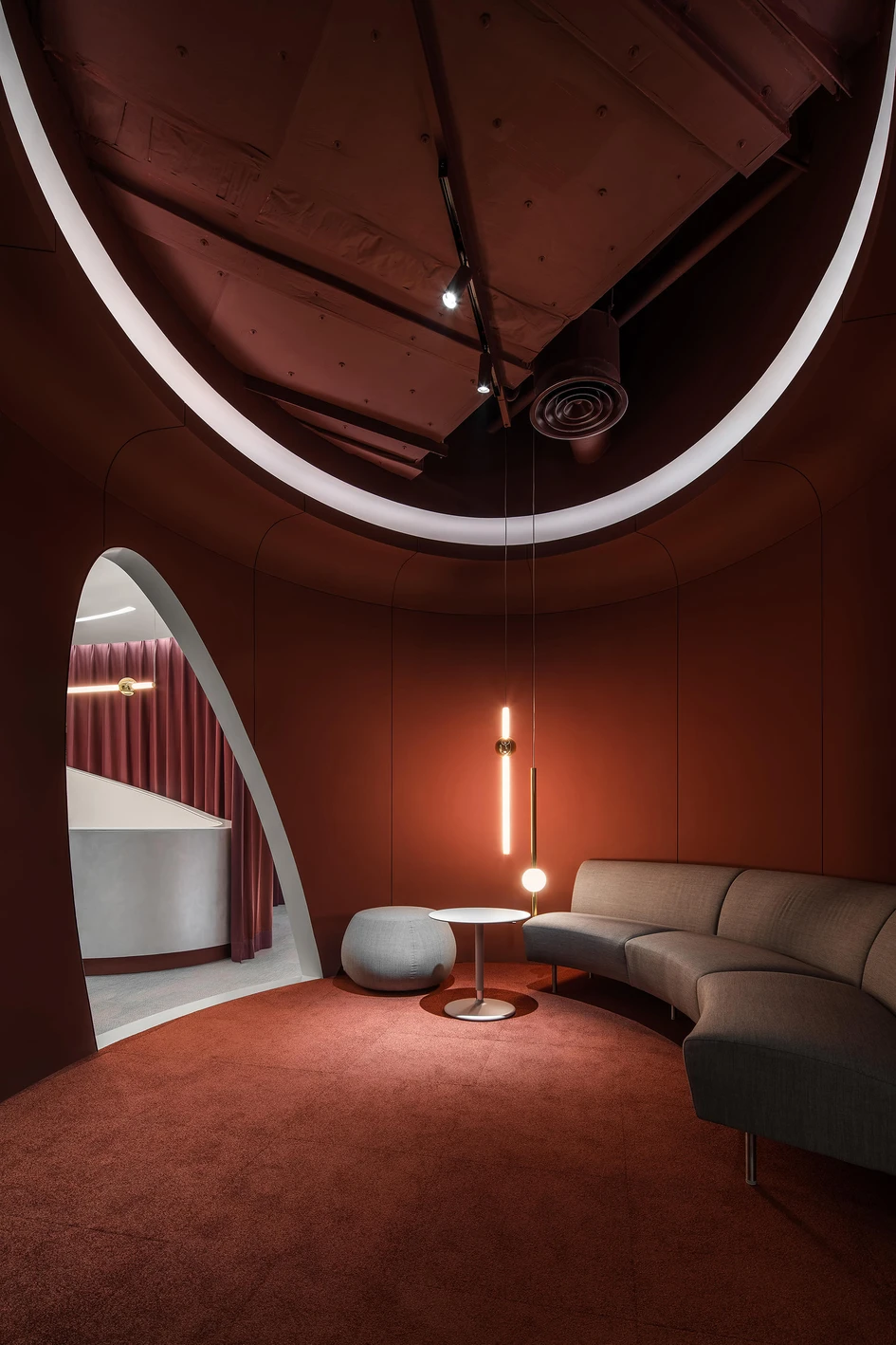
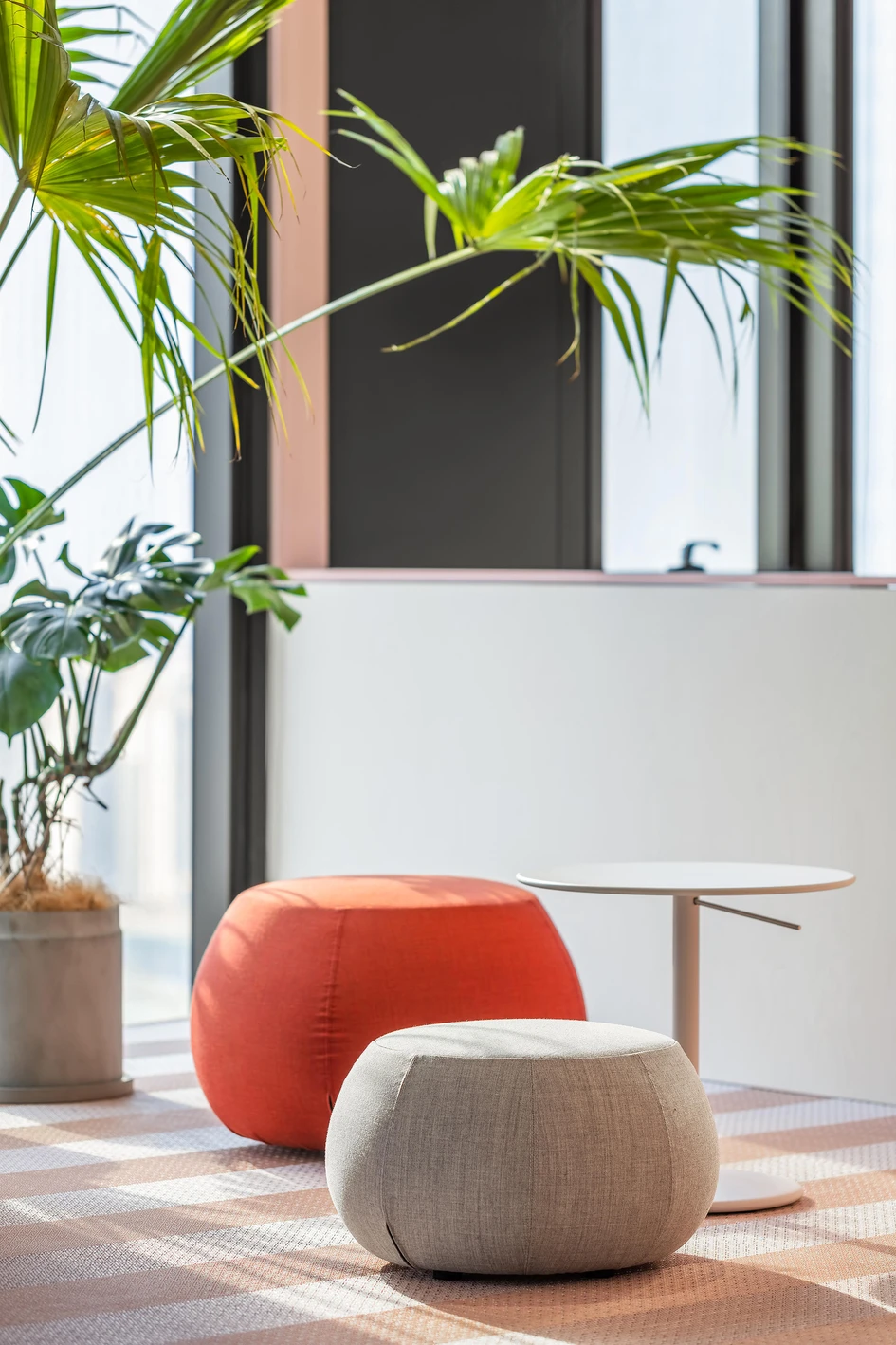
In Xi'an, central China, HONG designworks have created the office of 'new Silk Road' e-commerce company based on Le Corbusier's colour theories and palettes. While the office is mostly white, a few well-chosen, colourful accent features – such as a sculptural seating element, an upholstered room divider or organically shaped pods with textile-clad interiors – reveal glimpses of warmth and colour. The eclectic furnishings, featuring plastic task chairs, plywood bar stools and sumptuously plump upholstered sofas create a relaxed, appealing atmosphere for employees and visitors alike.
© Architonic
Galerie de projets


