Ambiente 2017: Currently Trending
From 10 to 14 February 2017, the consumer goods fair AMBIENTE in Frankfurt am Main will present current product design trends for visitors to discover. Stilbüro bora.herke.palmisano has identified four different design streams which reflect these developments.

+1
Par Britta Rohlfing, Britta Rohlfing, et Ambiente

Ambiente
janvier 25, 2017 | 11:00 pm CUT
Surfaces like ice crystals or wind-sculpted sand; objects featuring expressive printed patterns; original, authentic design – Stilbüro is on the go year-round, tracking down trends. For fifteen years, the fashion designers and agency founders Annetta Palmisano, Claudia Herke and Cem Bora have been jetting around the world, driven by their passion to bring together influences from art, fashion, design and architecture. “Milan, with its fairs and fashion shows, provides us with important stimulus,” says Claudia Herke, “as do our trips to Japan, where we’re inspired by new tendencies and currents.”
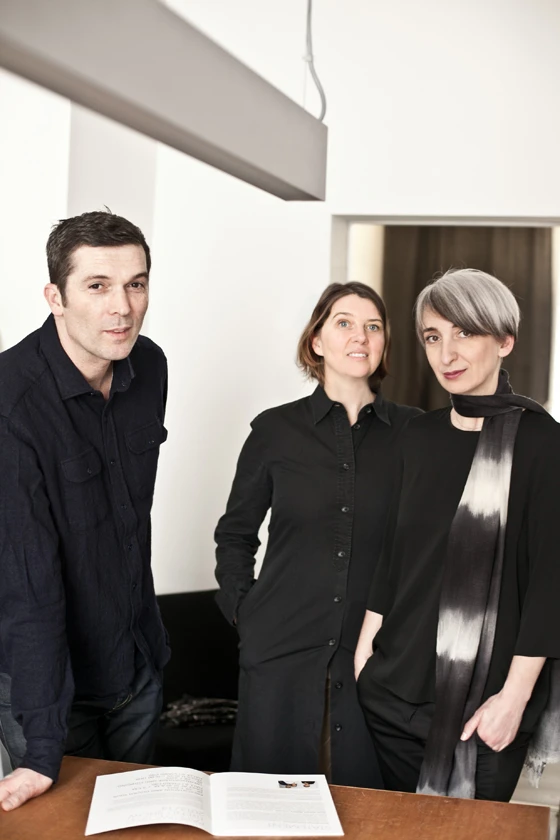
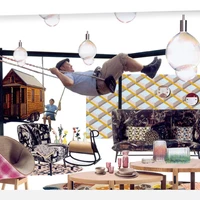
And again this year, the style experts are making a key contribution to Ambiente. They have distilled the relevant developments, summarising them in four trend directions: Jumbled Pattern, Delicate Structures, Honest Material and Notable Shapes. At the Messe Frankfurt they are creating a special exhibition in which visitors can immerse themselves in these thematic spheres. Annetta Palmisano explains: “We select products that unite something incisive, special and new. We place them in a particular focus and contextualise them.”
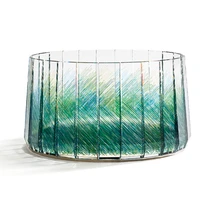
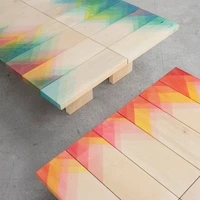
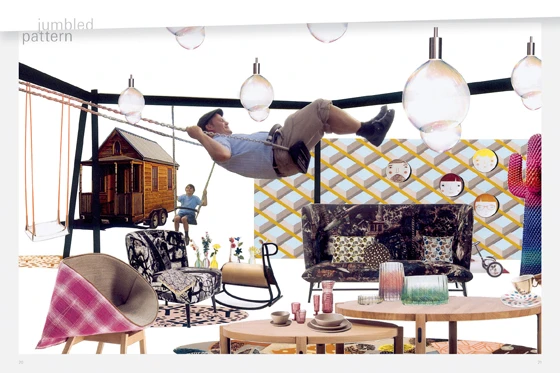
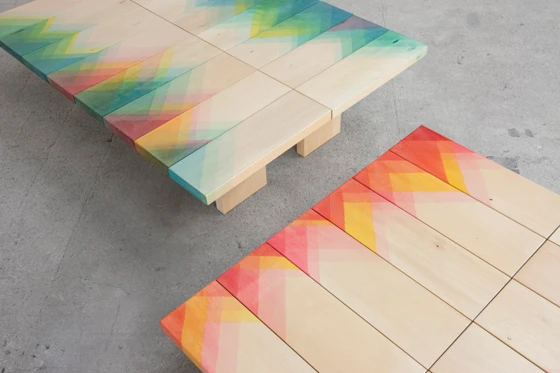
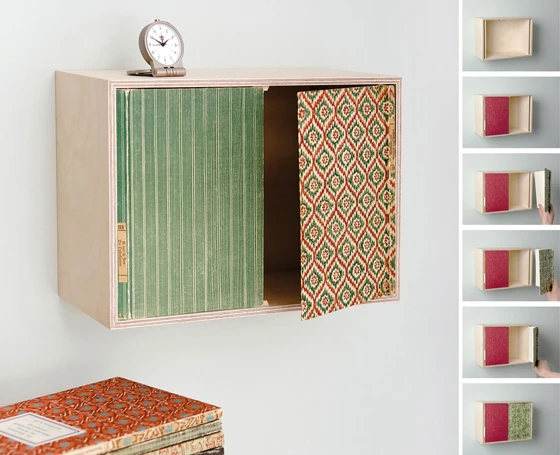
The first trend direction discerned by the trio is concentrated under the theme Jumbled Pattern: an energetic, untamed tangle of motifs celebrating creative power. This includes the products of the studio Raw Edges, a London-based Israeli duo that has designed glass bowls for Swarovski with sketchily applied colour. Equally compelling in its design is their furniture collection “Herringbones”, in which the delicate coloured patterns made by layers of varnish contrast starkly with apparently untreated wood. The Hamburg company Stand der Dinge, which will be represented at Ambiente, also places a focus on ornament – for example in its birch plywood “Schränkchen” (Little Cabinet), which employs splendidly designed book covers from the Insel-Bücherei as doors.
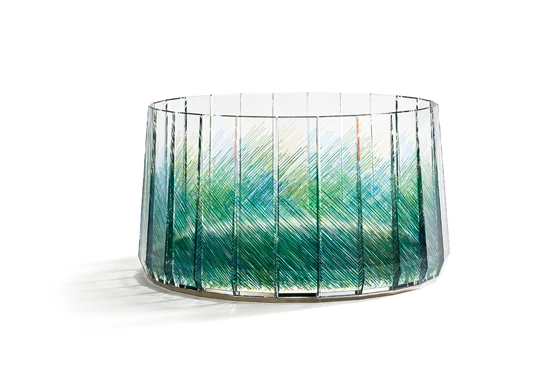
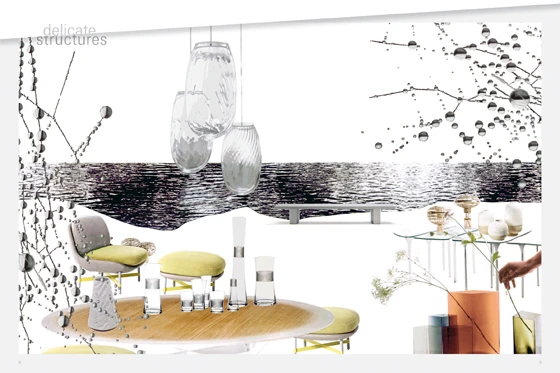
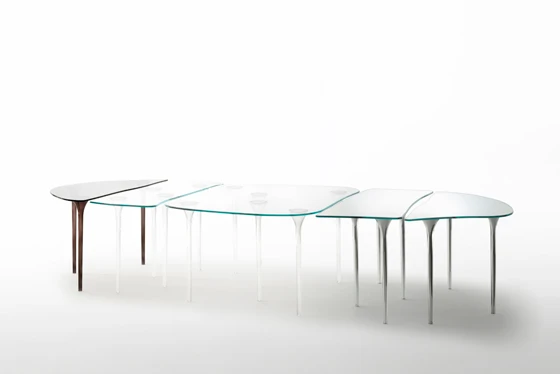
The next thematic area, Delicate Structures, emphasises surfaces and textures inspired by nature. The glass table “Specchio Di Venere” by Massimiliano Locatelli for Glas Italia, for instance, is composed of multiple fragments. Its glass plates, which rest on hand-blown glass legs, bring to mind the surface of a frozen lake. Another visually spectacular piece is the lamp “Waterfall Lighting” by Cecilia Xinyu Zhang. Its glass body, with a wave-like structure, is set in rotation by a motor, creating the perfect illusion of running water. The Fürstenberg company, an exhibitor at Ambiente, has developed a puristic tableware set in collaboration with the Vienna design studio Eoos: “Omnia” has a distinctive, finely grooved texture which offers its users a haptic experience.
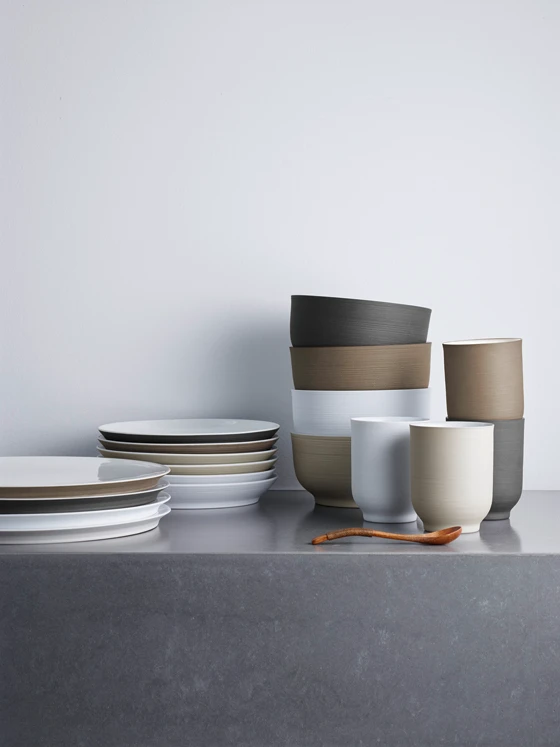
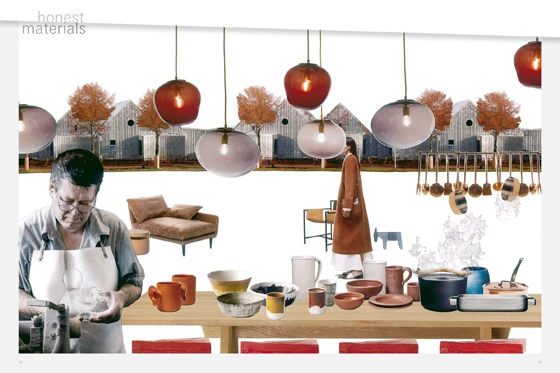
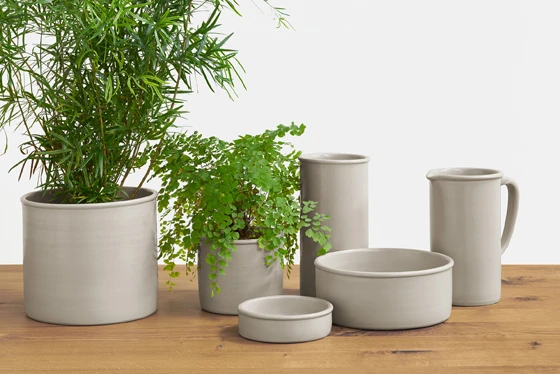
The thematic sphere Honest Material takes a very different focus. Explaining the criteria, Claudia Herke says: “These products are made of authentic materials in original designs. They’re straightforward products that aren’t trying to be anything more than what they are.” The “Salina” series designed by e15, made up of six differently formed pitchers, exemplifies this. It unites modern design and traditional production methods. The product line of the Korbo company, also represented at Ambiente, includes a handmade basket, “classic 65”, which is made of galvanised or stainless steel and can be used for more than just gardening work. Equally convincing are the high-quality leather goods from the Sonnenleder company. The “Weill” bank pouch is striking for its simple design in DIN A5 format and for its traditional tanning craft.
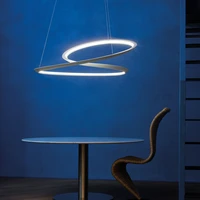
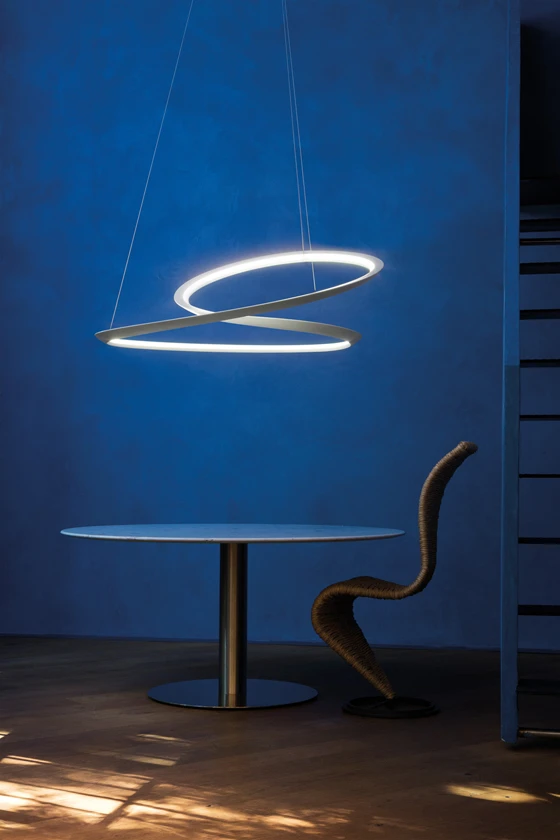
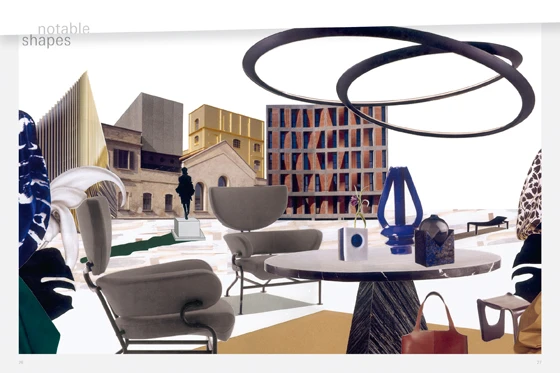
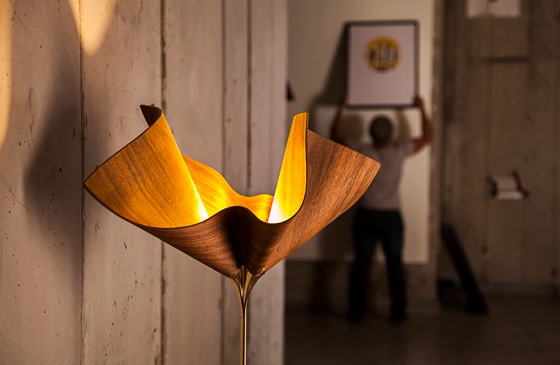
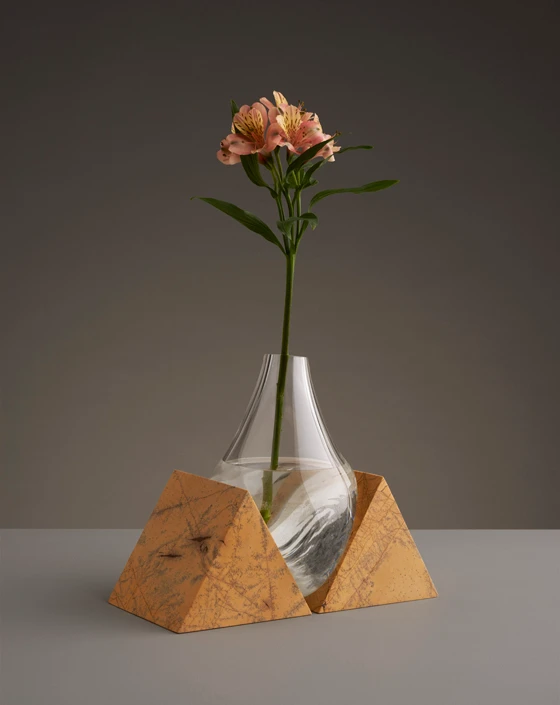
In the thematic area Notable Shapes, the emphasis is on clear, sculptural design that consciously evokes classical modernism. For example, the bold gesture of the “Kepler” lamp, designed by Arihiro Miyake for Nemo, has a space-defining effect. And the timeless elegance of the “Ulisse” daybed, developed by Konstantin Grcic for ClassiCon, suggests the influence of classic designs by Charlotte Perriand or Eileen Gray. With regard to form and material, the Stockholm design studio E.O. opens up a true field of experimentation with its “Indefinite Vases”, in which glass bodies with organic forms encounter granite, marble or onyx. The tension contained in these objects gives them an enduring attraction. At Ambiente, this trend turns up again in the expressive designs of Cozì Studio: in “Bloom”, the design duo has created an extravagant lamp out of curved wood veneer, while the “Ghost” lamp makes use of innovative 3D-printed textile material.
In summary, Herke says: “Customers today are looking for longevity; they value special, regionally defined products that draw interest for their origins, production and design, and that do justice to sustainability.” Annetta Palmisano adds: “Technological developments will also continue to impact design in the future, with processes like 3D printing gaining influence. Even today, it’s amazing what materials can be used to print with. It’s a pleasure to be able to keep finding fascinating new products.”
The thematic spheres that bora.herke.palmisano are creating in Galleria 1 as a special presentation for Ambiente promise a wealth of exciting discoveries. Fair visitors who wish to immerse themselves in the subject in greater depth should make a point of attending the exclusive talks of Stilbüro: daily at 12 noon and 3 p.m. in Raum Symmetrie, hall 8.1.
© Architonic
Galerie de projets