


Partager
Imprimer


Polygon table basse
Architonic ID: 1527184
Année de Lancement: 2014
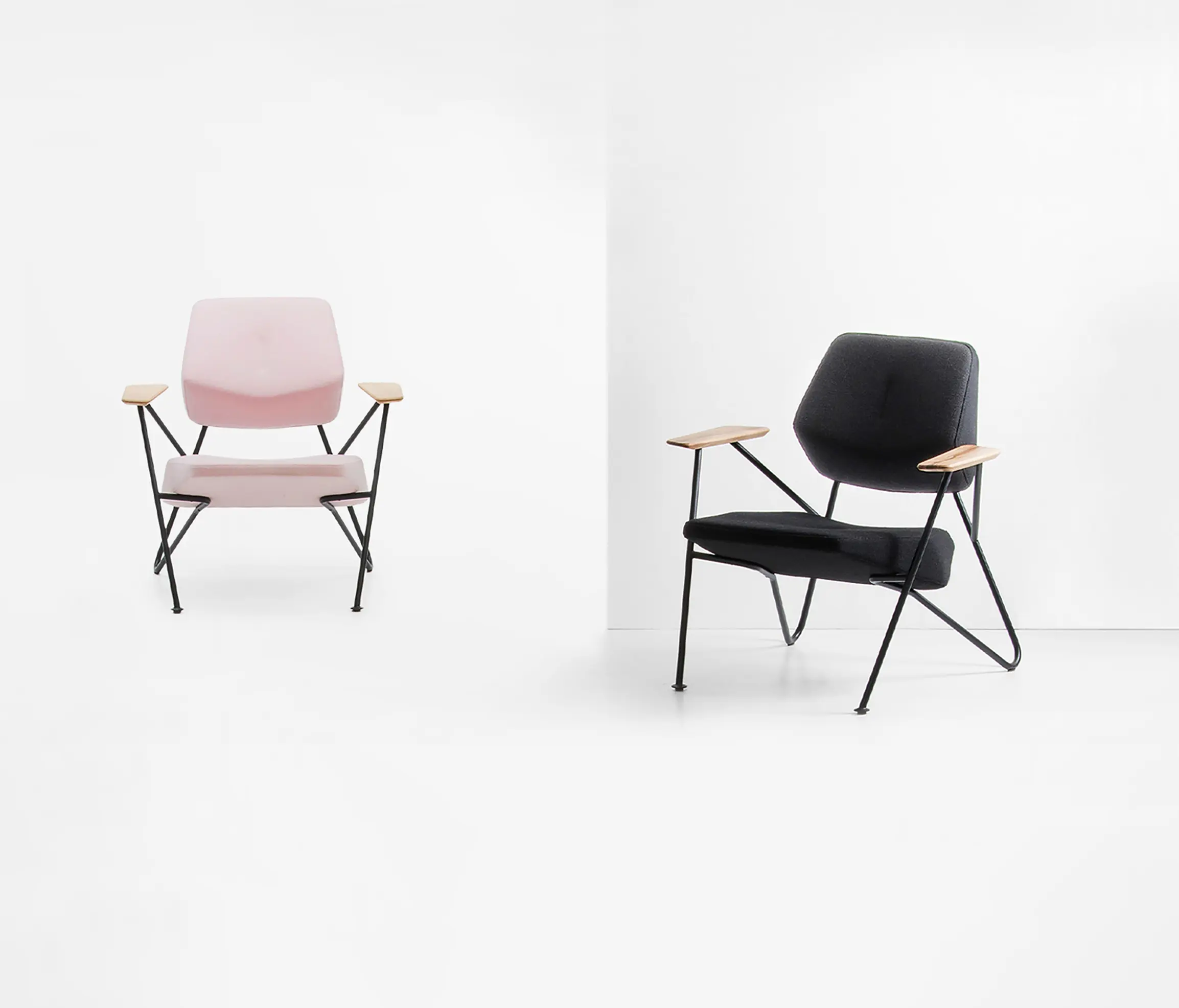
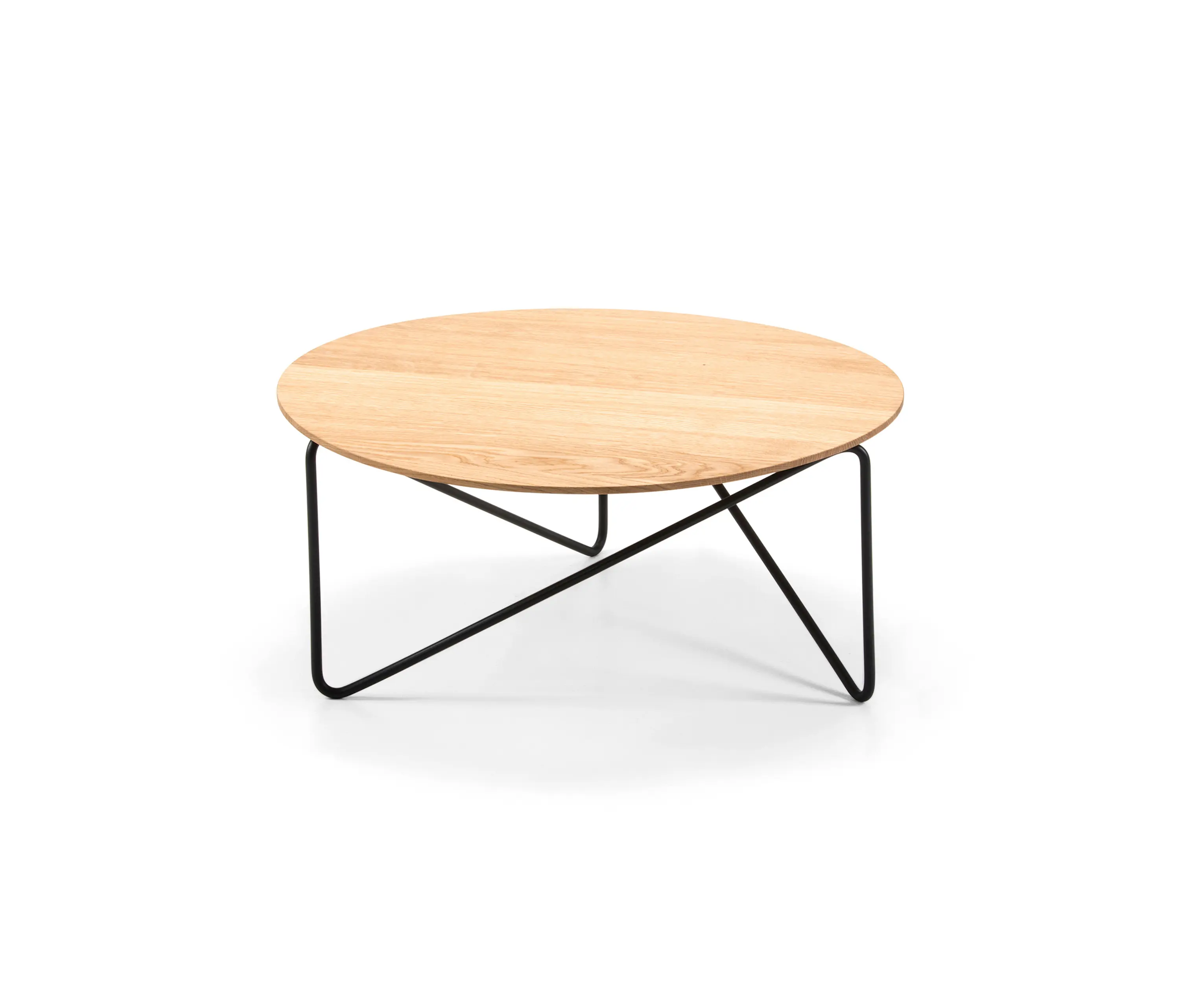
La table basse Polygon est basée sur la même origine formelle que le fauteuil bas Polygon. La forme triangulaire dominante est accentuée lorsqu'elle est vue de côté, mais dès que l'observateur commence à bouger, les trois triangles du piètement se chevauchent pour former des dessins complexes en trois dimensions. La hauteur et la surface des plateaux de table sont contrebalancées, ce qui entraîne une différence radicale d'inclinaison des lignes diagonales des barres d'acier. La table basse Polygon est disponible en deux nouvelles tailles : table inférieure de 84 cm de diamètre et table supérieure de 60 cm de diamètre. Le plateau de table est disponible en bois massif, en MDF avec Fenix, ou en HPL, adapté à une utilisation extérieure. La structure de tiges de métal pliées en forme de console constitue un mariage idéal avec une typologie moderniste du fauteuil bas Polygon.
Concept
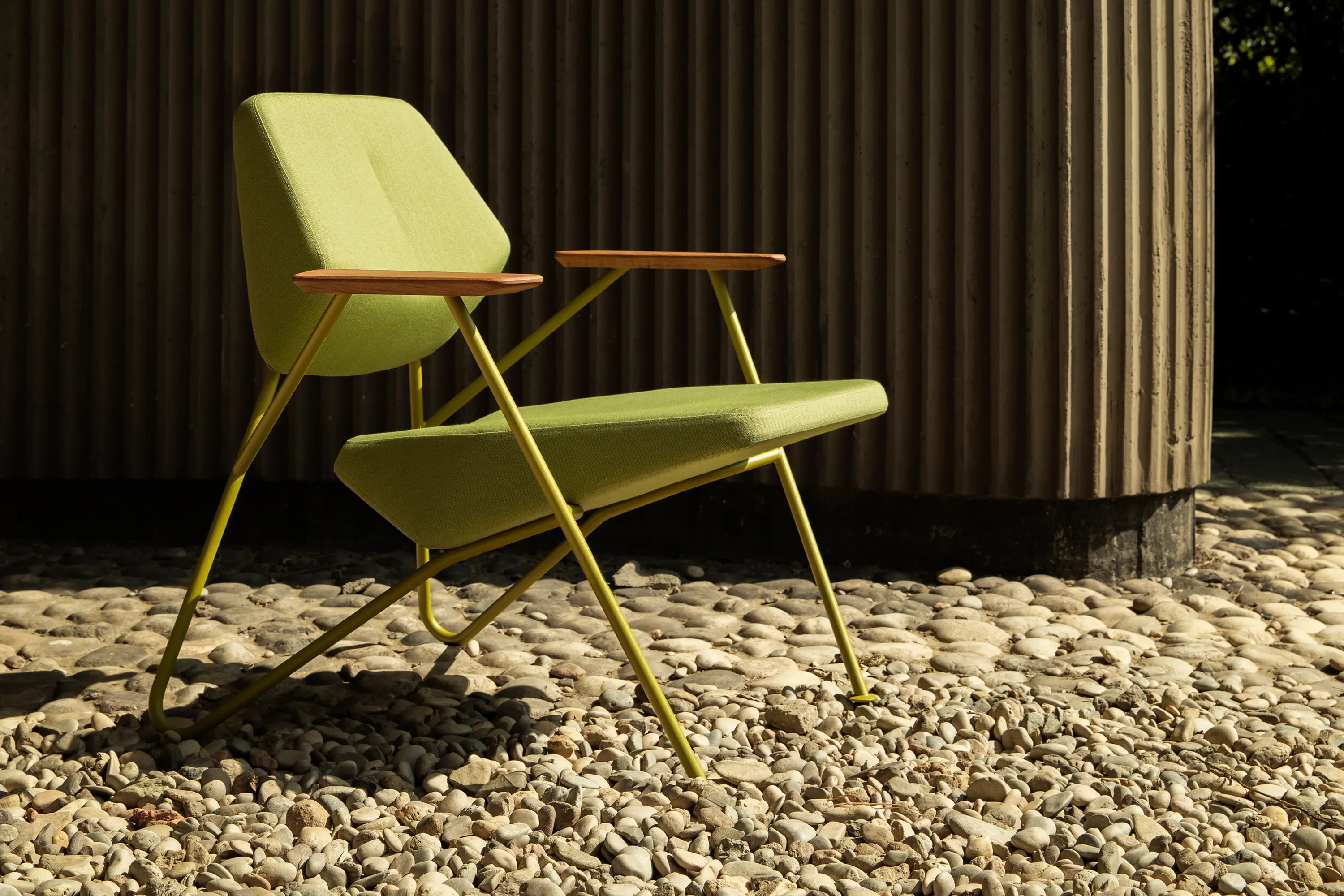
Lorsque nous nous sommes engagés dans le design, nous étions fascinés par la typologie standard moderniste des chaises à modestes dimensions regroupant tous les paramètres de fonctionnalité, sans encombrer l’espace. Nous avons exploré une série d’alternatives dans la lignée de ces critères, mais offrant également une approche d’une nouvelle forme. Polygon garde les éléments traditionnels d’un fauteuil moderne, mais crée une toute autre relation entre eux en les déstructurant. La forme de la structure en barres d’acier pliées, l’assise et le dossier sont cordonnées selon une géométrie triangulaire. Vue de profil, la composition du triangle est mise en avant, mais lorsque l’observateur se déplace, ces formes se transforment en hexagones et polygones complexes. Nous avons continué à développer Polygon avec Prostoria et nous avons lancé une nouvelle version ayant les mêmes caractéristiques que le design d’origine mais avec une forme améliorée. Le résultat a un effet déroutant, à la fois familier et résolument contemporain.
Ce produit appartient à la collection:
Piétement métal, Métal, Plateau de table bois massif, Bois
Vous pouvez visiter la page produit de ces variantes : cliquez simplement dessus !

Austria
Product design group For Use was formed through collaboration of Sven Jonke, Christoph Katzler and Nikola Radeljkovic in the year 1998. Two members studied at the School of Design in Zagreb, while Katzler studied at High School for Applied Arts in Vienna. Since then the group designed furniture and objects for companies such as Cappellini, ClassiCon, Desalto, Interlubke, Magis, MDF Italia, Moroso, and Zanotta. In 1999 the group realized several important exhibition design projects and established Numen as a group name for projects realized outside of the field of industrial design. In the initial stage the group worked together with Jelenko Hercog and Toni Uroda, graphic and multimedia designers. The work was characterized by experimenting with rule-based design and radical reduction of form in the tradition of High modernism, mostly applied to total-design projects . In 2004 Jonke, Katzler and Radeljkovic started developing set design projects for various theater companies which led to a major breakthrough in 2005 with set design for Infierno in Centro Dramatico Nacional in Madrid. Since then the group designed sets in Belgrade, Berlin, Istanbul, Ljubljana, Madrid, Merida, Osijek, Rijeka, Skopje and Zagreb, mostly with directors Tomaz Pandur and Aleksandar Popovski with whom they developed a continuous cooperation. In 2005 Numen/ForUse established the first design oriented brand for quality furniture in former Yugoslavia - Element, designing visual identity and initial furniture collection. The group has since managed artistic direction and product development of the company. The group has simultaneously developed interior and exterior design projects, usually working with 3lhd and Imarea architects, the most important of which is the integral design of the waterfront in Split realized in 2007. From 2008 on Numen / For Use has been designing objects and concepts without predefined function, resulting in projects like Numen-light, Tape and NET. Besides these prominent realizations, the group has been awarded several international prizes for their work in the fields of set and industrial design.


