


Coordonnées
Envoyer un message
Appelez-nous
Distributeurs
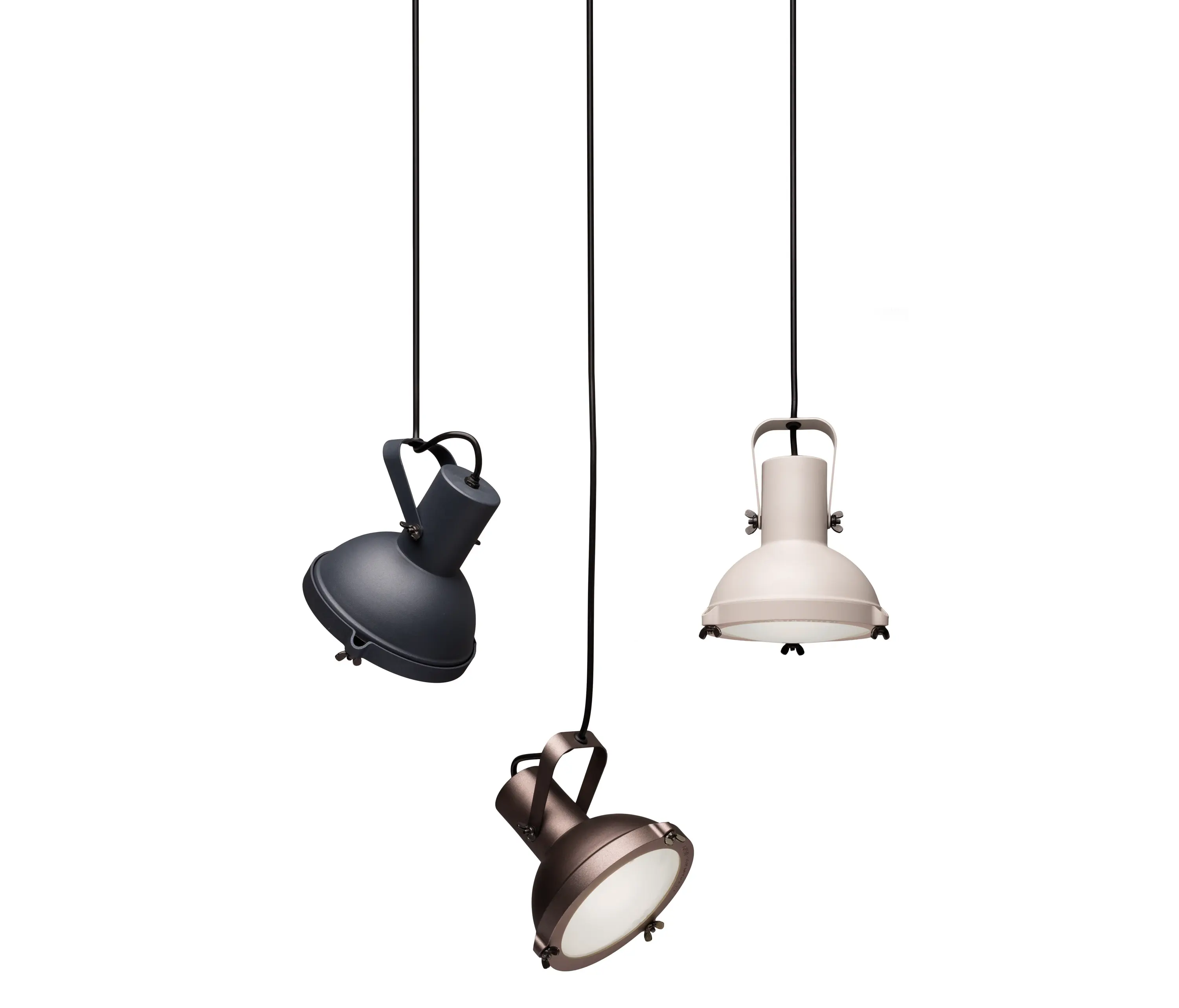

Projecteur 365 Wall Ceiling IP54
Architonic ID: 20148831
SKU: 112
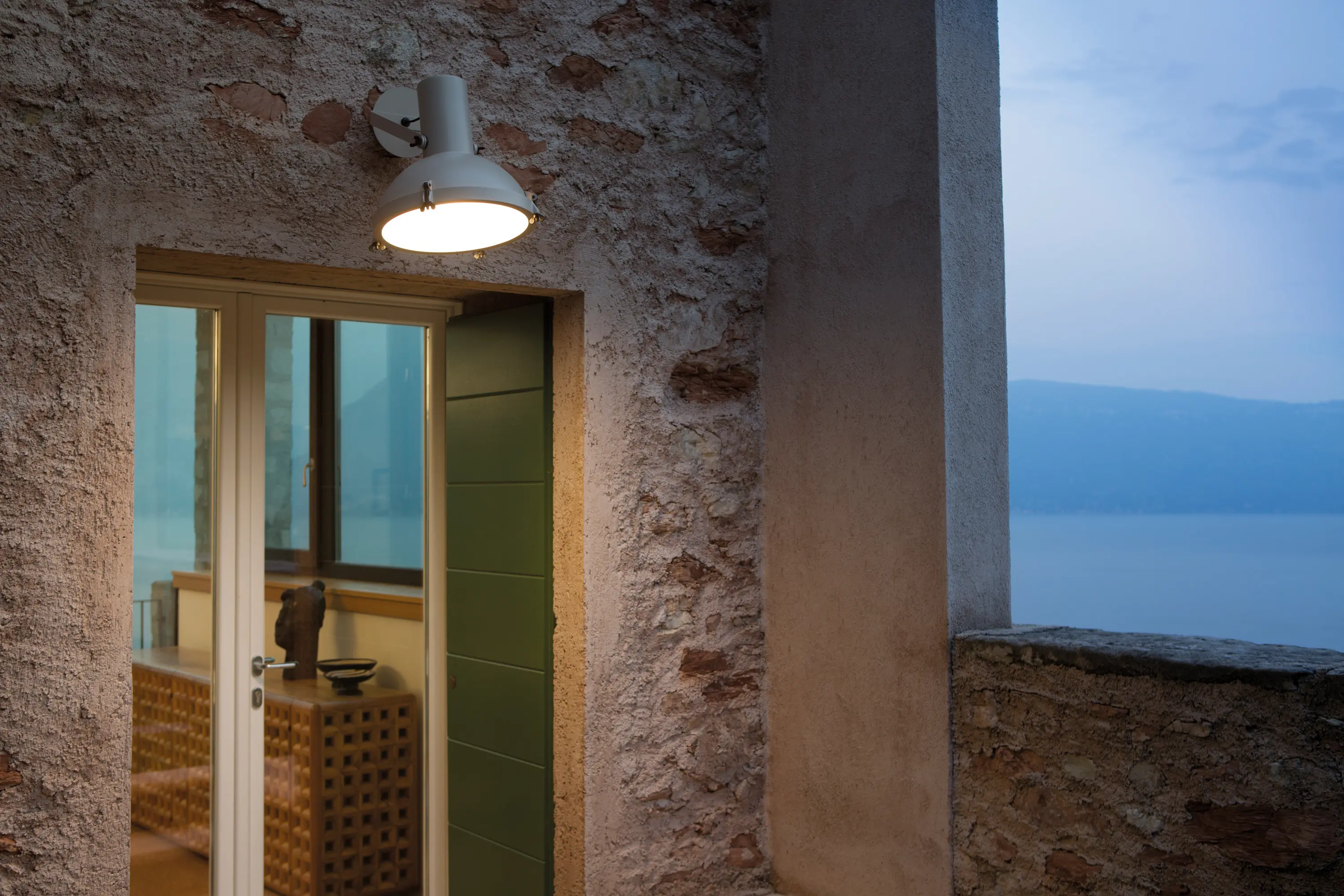
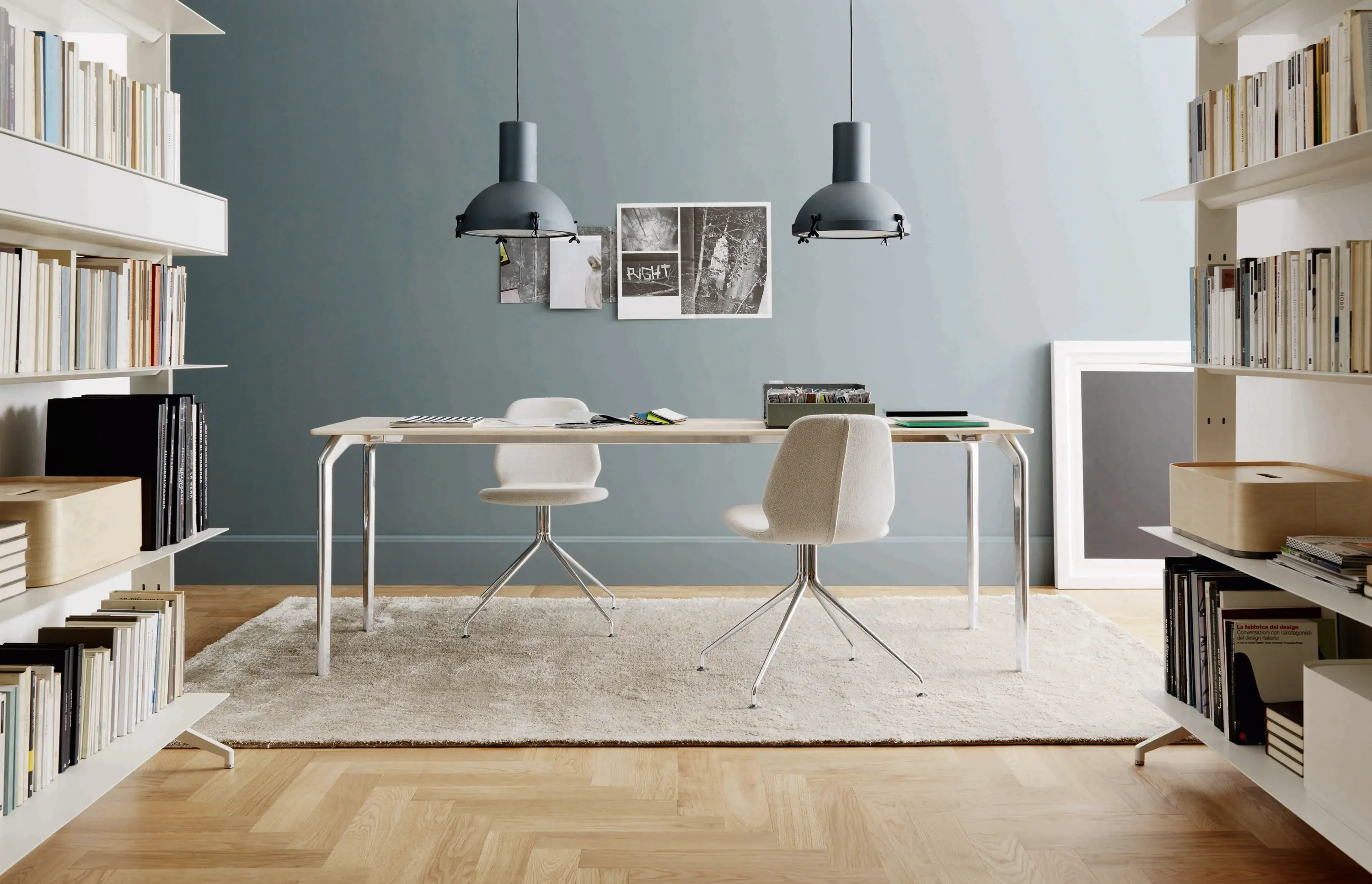
Le Projecteur a été conçu par Le Corbusier pour éclairer la Haute Cour de Chandigarh,Inde, en 1954. Corps en aluminium verni midnight blue, blanc sablé ou moka. Lediffuseur bombé en verre, sablé à l’intérieur. La base et la patère sont vernies commele corps. Les écrous de verrouillage sont chromés noir comme le reste de la visserie.Disponible en version lampe au sol, applique ou suspension. Disponibles pour l’extérieurles version applique et suspension (IP54).
Variantes:
LED/HALO/FLUO IP30
LED/HALO/FLUO IP54
Éclairage général
Extérieur / Jardin
Vous pouvez visiter la page produit de ces variantes : cliquez simplement dessus !

Switzerland
Le Corbusier is regarded as one of, if not the most, influential architect, city planner, and even furniture designer of the 20th century. The Cubist movement, along with new modes of industrialisation and functionalism, were both key inspirations for Le Corbusier’s modern architecture and design. Le Corbusier is regarded today as a pioneer, and indeed as an icon of modernity par exellence, both for his theories on design, such as le Modulor, and for his designs of buildings and furniture. The Life of Le Corbusier Charles-Edouard Jeanneret-Gris, aka Le Corbusier, was born in 1887 in La Chaux-de-Fonds in the Swiss canton of Neuchâtel, the son of a music teacher a jewellery enameler. He first started at the School of Applied Arts there as an engraver, but soon began to focus on painting and architecture. He went on to work in various leading architectural firms of the time, including those of Peter Behrens and Auguste Perret. In the context of his designs for buildings, Corbusier developed a special system of proportions, Le Modulor. In collaboration with Ludwig Mies van der Rohe and Walter Gropius, he designed the Le Corbusier houses in the Weissenhof Estate, a model community which emerged from the school of Bauhaus design. Le Corbusier died in 1965 in Roquebrune-Cap-Martin, France, where he had made his home in his later years, spending much of his time at the house of fellow designer and friend Eileen Gray. A museum dedicated to Le Corbusier, the Centre Le Corbusier, was established in Zurich in 1967 after his death. The Cassina LC2, LC3 and LC4 Chairs by Le Corbusier The LC2 chair was designed by Corbusier as part of the avant-garde LC Series as the archetype of the modern chair. It was designed by Le Corbusier in collaboration with the designer Charlotte Perriand and his cousin Pierre Jeanneret in 1927 for the Paris Autumn Salon, and combines formality with comfort. Le Corbusier enclosed internal padding in a highly functional, cage-like frame to create the chair, which was followed in 1928 with the larger LC3 design. The LC4, the archetypal chaise-longue, was also designed during this period, and all were used to furnish Le Corbusier’s houses and villas after that point. The LC2 and other designs are now sold by Cassina and have become part of design history. Chandigarh The Indian city of Chandigarh at the foot of the Himalayas is characterised by Corbusian buildings that are based on the guiding principles set out by Corbusier, and features the use of simple, clear shapes and concrete. After the partition of India in 1947 into two independent states, Pakistan and India, Chandigarh was built as the new capital and government headquarters of the Indian state of Punjab. Le Corbusier was commissioned by the Indian government to raise a planned city for 500,000 people out of the ground. The key feature of his approach was the classification of the city into sectors for work, living and relaxing. The plan, though influential at the time, and now historically protected, was later considered a failure by many, but was groundbreaking at the time of its inception. © by Architonic