A change is as good as a rest: adaptive reuse in hotel design
Repurposing an existing structure in architecture generally signals good news for the environment. When it comes to hotels, where architects get to celebrate, rediscover and reinterpret a building’s story, it also means creating added value for discerning guests in search of engaging and unique hotel experiences.

Por Space & Matter y Peter Smisek
abril 21, 2020 | 10:00 pm CUT

Adaptive reuse is quickly becoming common practice in architecture and construction. After all, the most sustainable building is the one that already exists. Hotels offer creative architects the chance to conjure up unique hospitality concepts within existing structures.
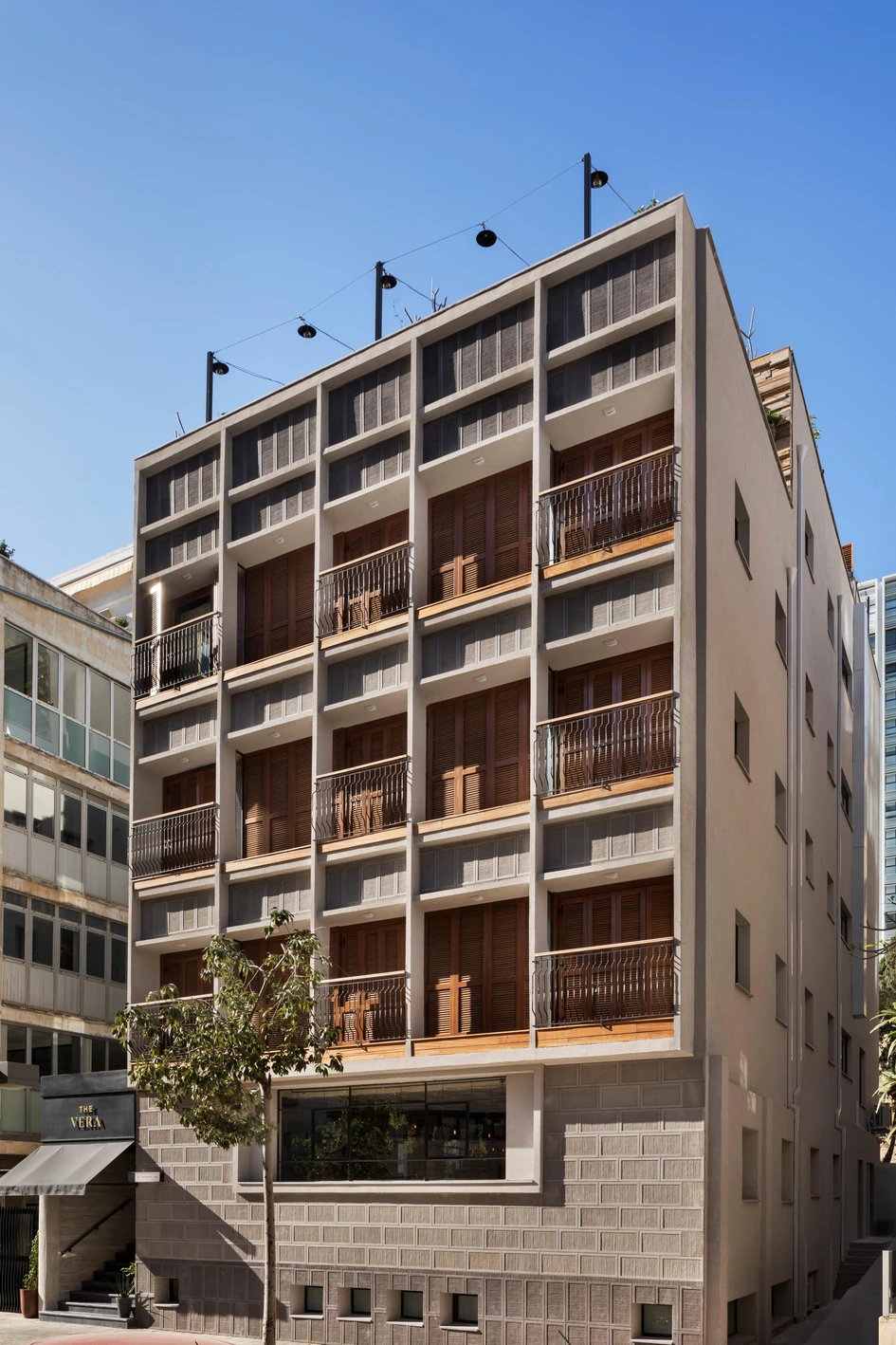
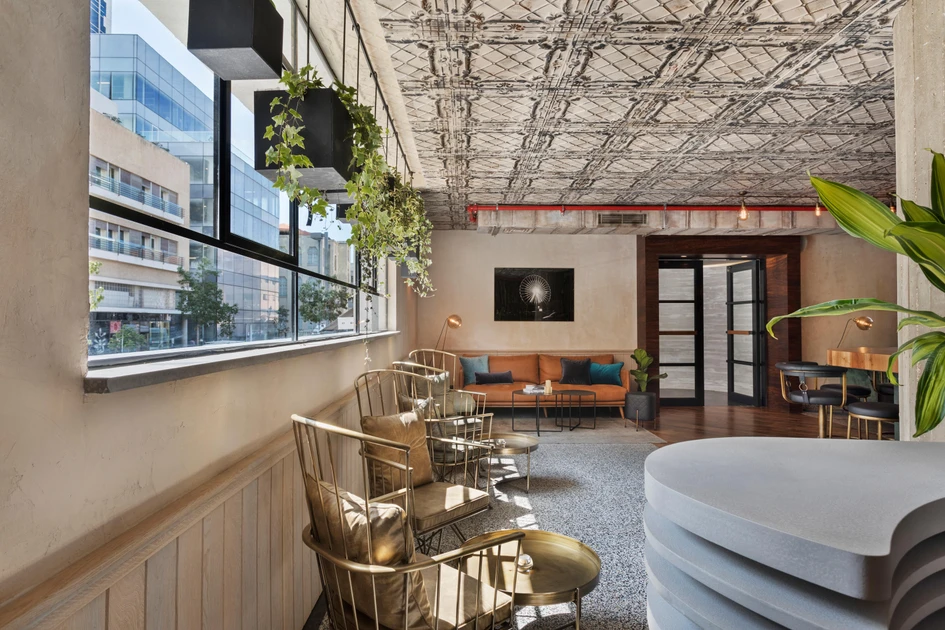
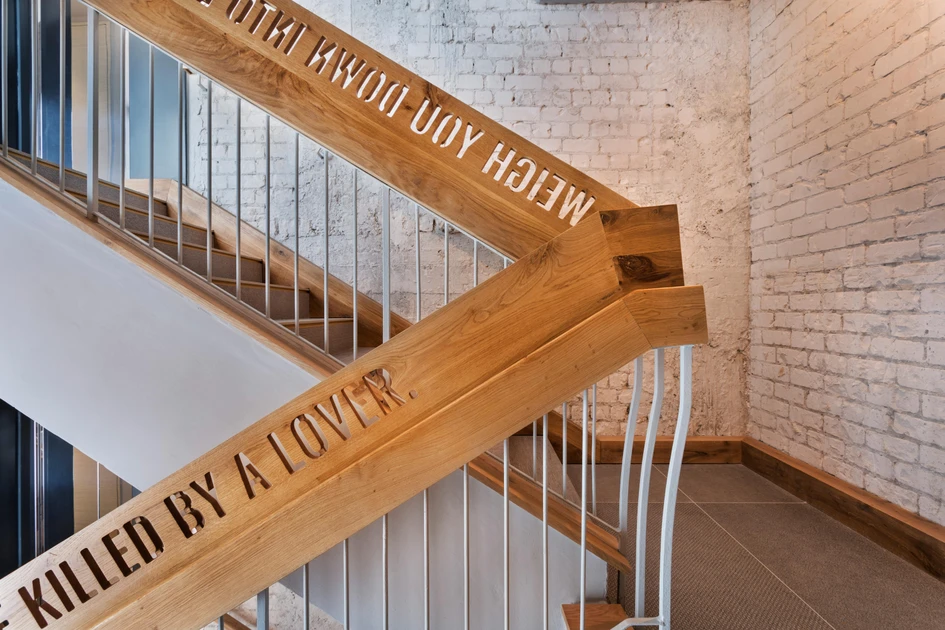
In Tel Aviv, designers from Yaron Tal Studio and architect Assaf Solomon have converted a 1950s office building into The Vera Hotel. While the exterior was painstakingly renovated, much of the interior was left purposefully raw and uncovered, complemented with high-quality surface materials and panelling. The interior was furnished using pieces by local designers and brands, with more eclectic, varied furnishing used in common areas, while bedrooms are decorated using more understated pieces and a pared-down colour palette.
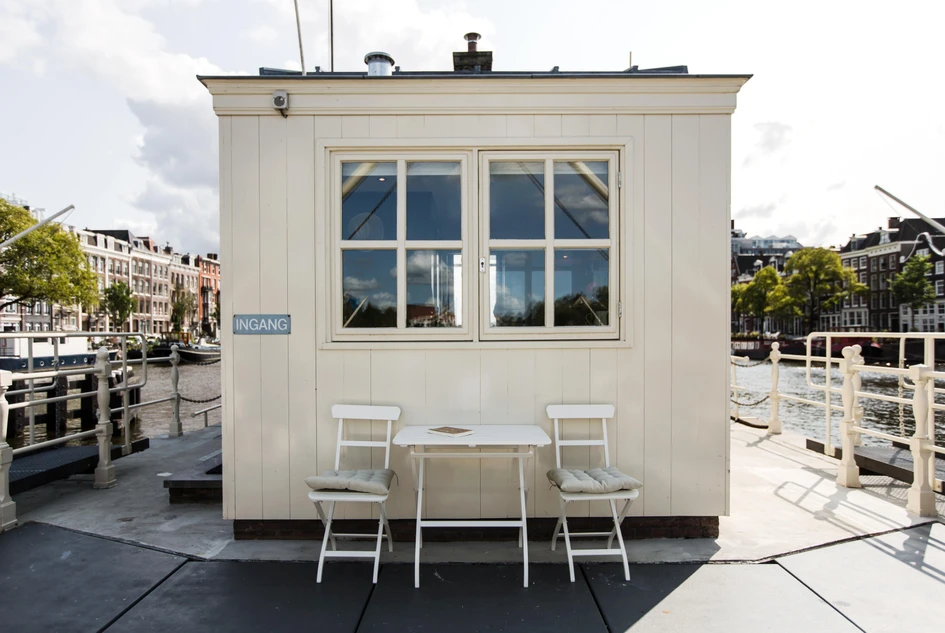
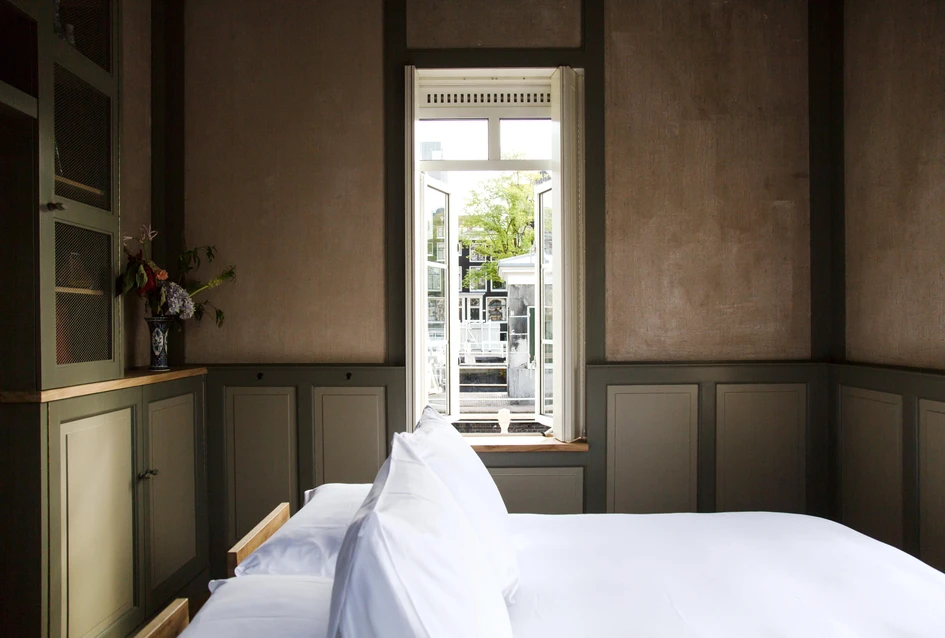
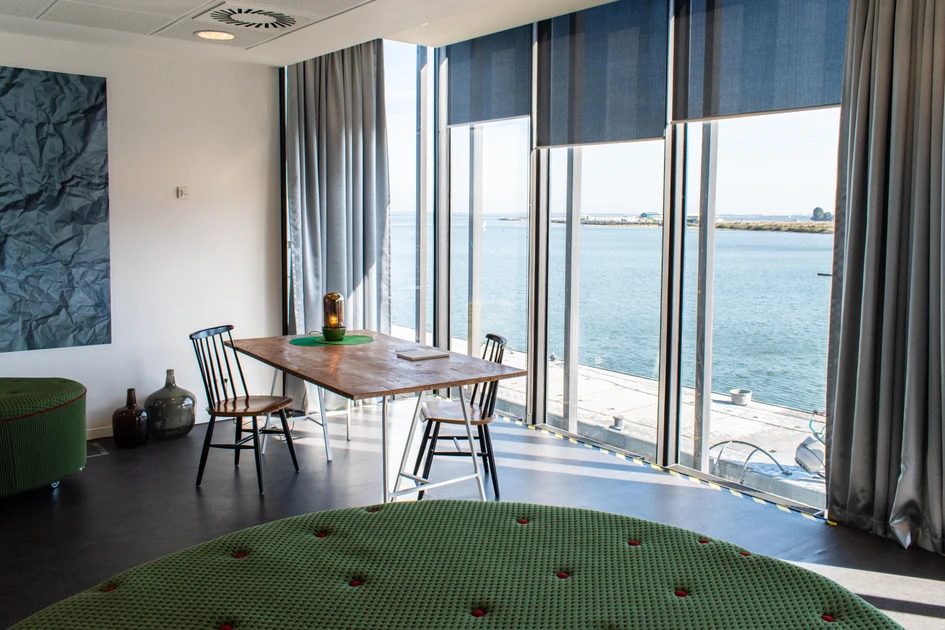
Some adaptive reuse goes even further. In Amsterdam, studio Space & Matter has created an entirely new hospitality concept for the SWEETS hotel. Here, 28 of the city’s bridgekeeper houses located throughout the city centre were repurposed as individual rooms and suites, once the raising and lowering of Amsterdam’s bridges became centralised via a computer system. The designers have furnished each of the rooms in keeping with the structure's original style, from traditional and art deco, to midcentury-modern.
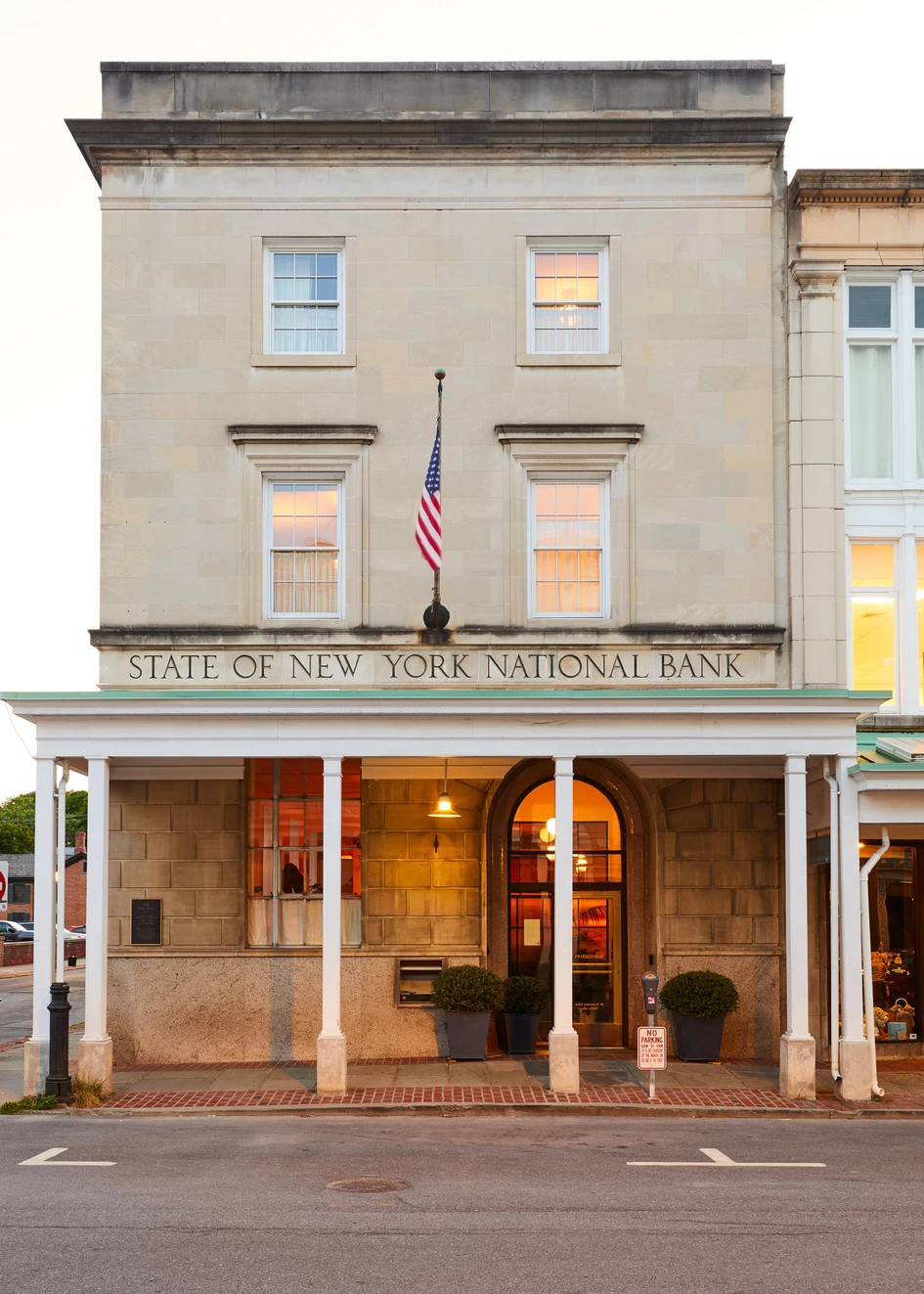
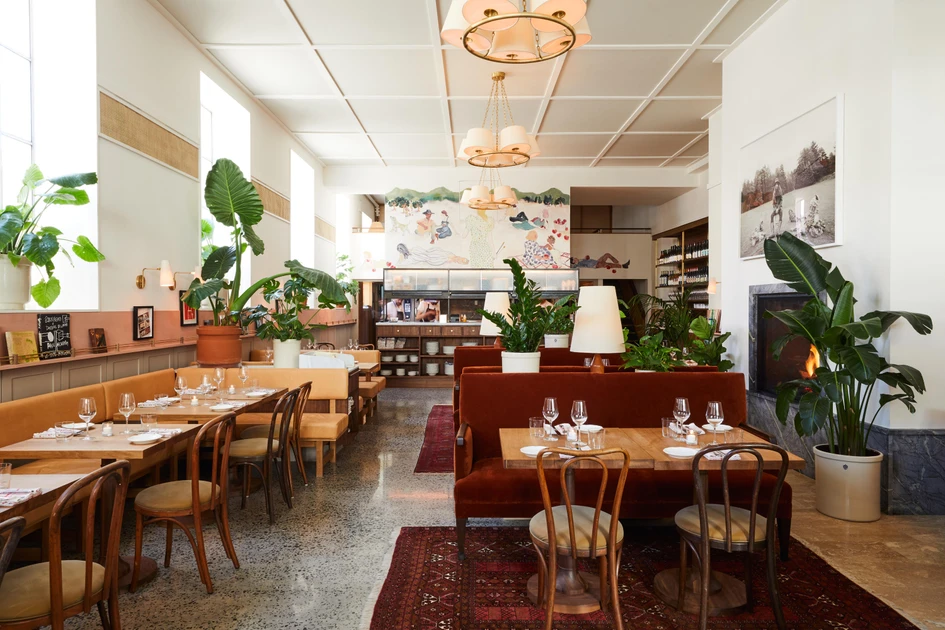
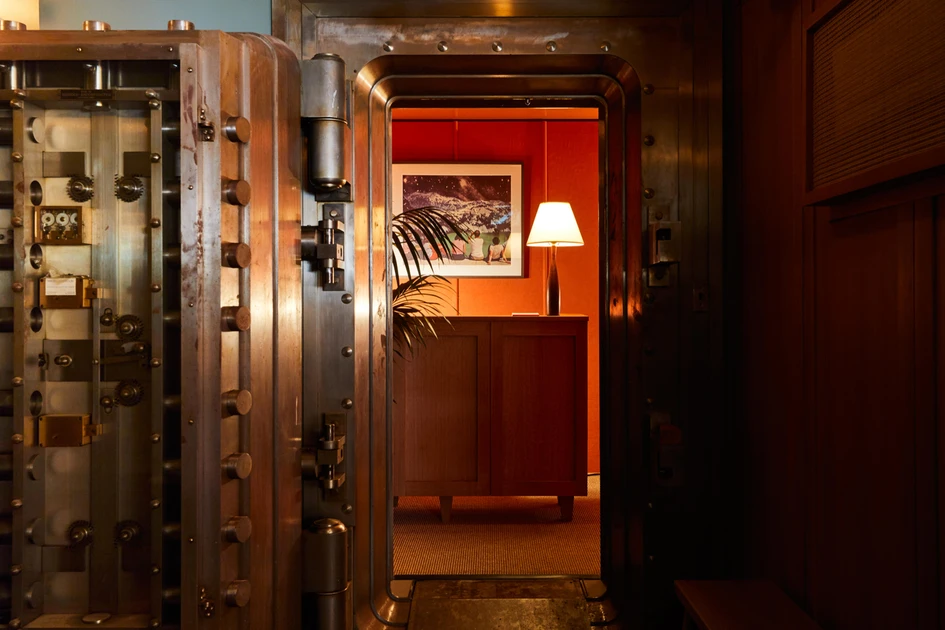
A similarly decentralised concept was used by Studio Robert McKinley when designing the Kinsley Hotel in New York’s Hudson Valley. Spread across four historical buildings in the town centre of Kingston, the architects have taken cues from the structures’ original details, such as tin ceilings or old tiles, and furnished each of the spaces with vintage design to match their style and purpose. Despite this variety, the strong, pared-down aesthetic and muted colour palette of earth tones and pastels unites the scheme, and the shared social spaces within each property allow for informal interaction between guests.
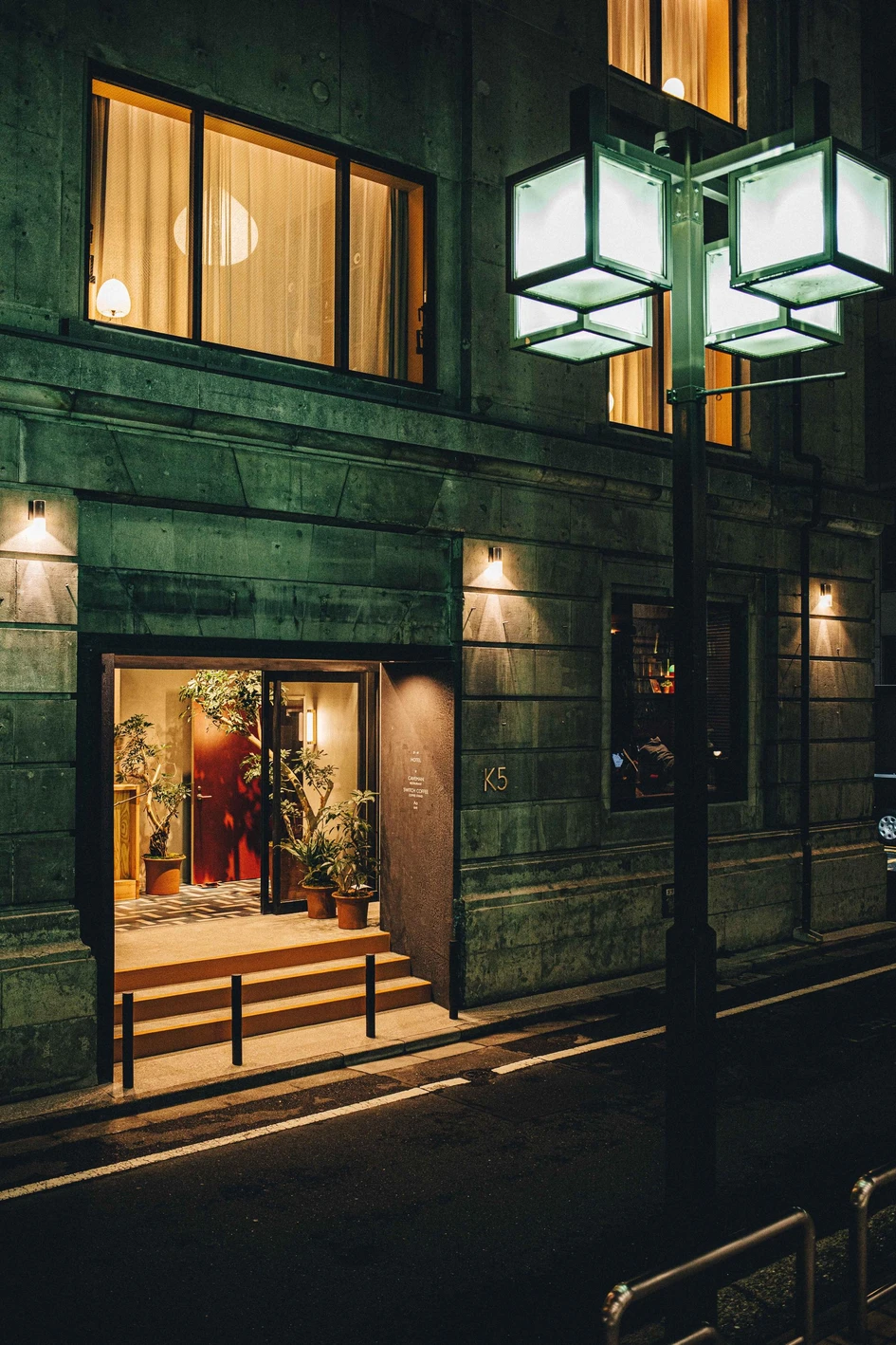
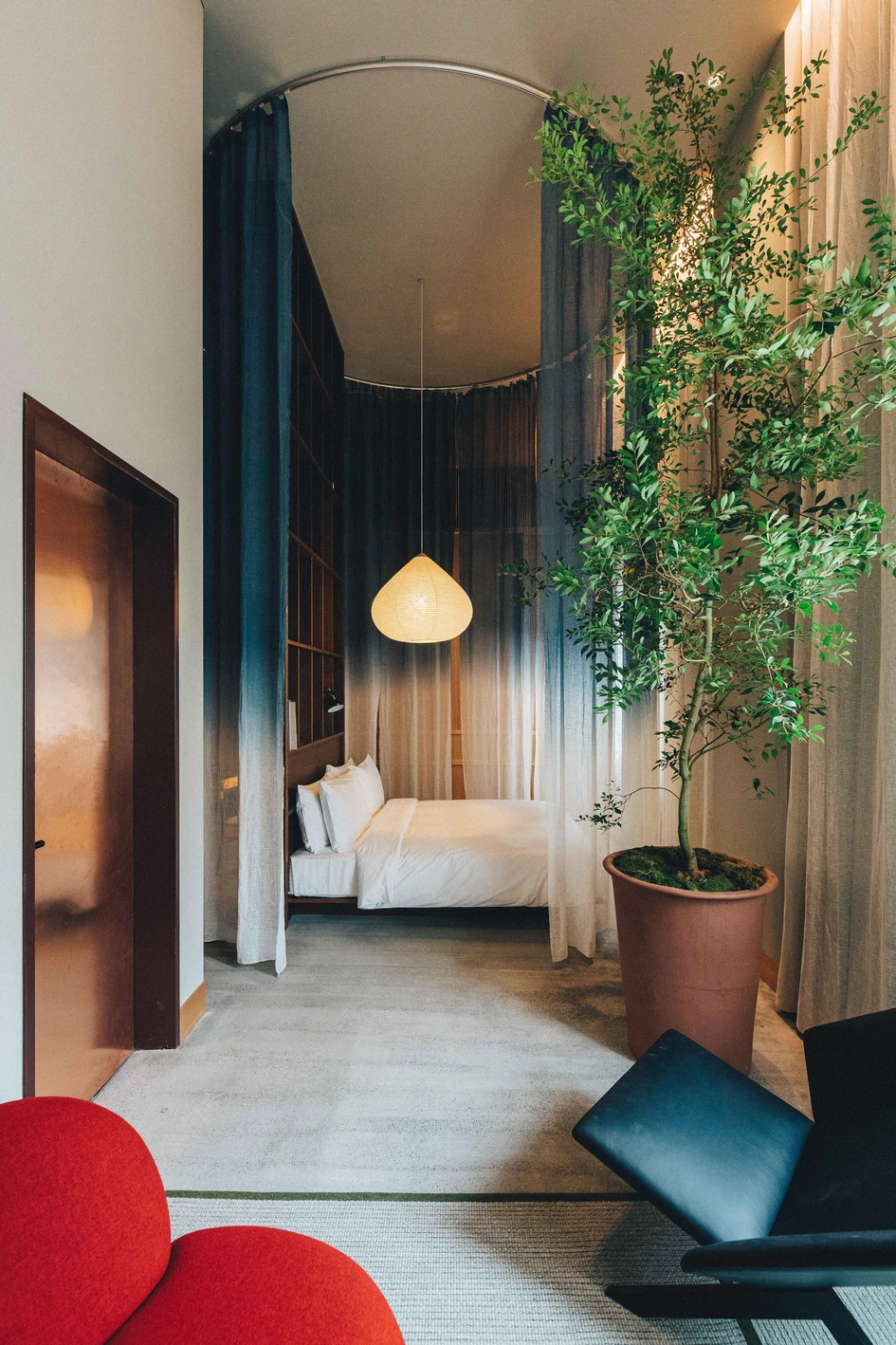
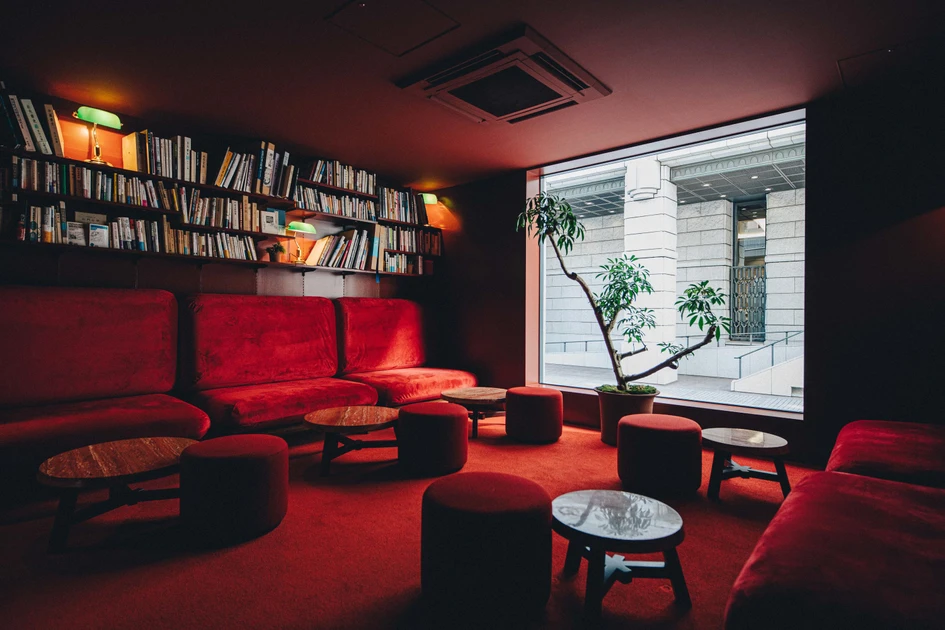
Swedish architects Claesson Koivisto Rune have turned a four-storey bank from the 1920s into K5 Tokyo. Because of its central location, the architects have sought to create a spacious feel across the hotel’s café and restaurant, opting to use potted plants as permeable space dividers. In the hotel rooms, delicate curtain partitions screen off sleeping areas, while keeping the rest of the room free for use as an informal lounge.
© Architonic
Galería de proyectos


