Furnishing: designing for a wider context
An architecturally oriented flexibility and modularity in furnishing is responding to the increasing need for spaces that cover a diversity of user needs. Orgatec investigates.


+1
By o+a, Alex Bradley, and Orgatec Blog
June 4, 2014 | 10:00 pm CUT

The rise of remote working has helped drive the need for clever, modular furnishing solutions for the home, as exemplifed by this 15-square-metre live-work space by Israeli architect Raanan Stern


The ill-fated experimental building system of Jean Prouvé, Claude Prouvé and Georges Quentin's SIRH collective, prototyped in 1973, photographed here in 2012, and now demolished

The concept underpinning the modular building programme was the fabrication of a scalable, standardised living cell that could be mass-produced at speed


adAPT NYC winner 'My Micro NY' by nArchitects uses a series of 55 off-site constructed modules to create a compact living apartment block. Residents are due to move in late 2015
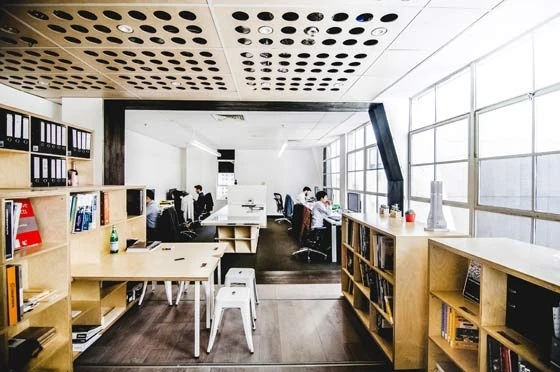
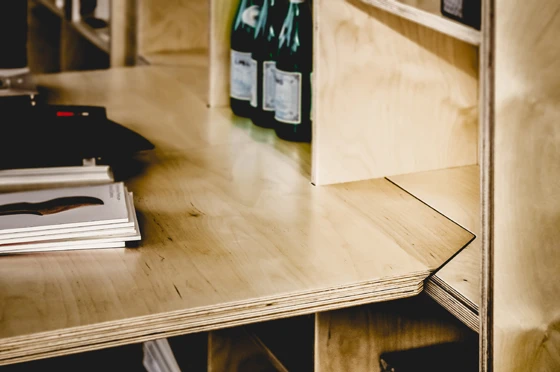
The ‘transformer’ by Particular Architects is a highly flexible and modular furnishing infrastructure for creating many spaces within their Melbourne studio space
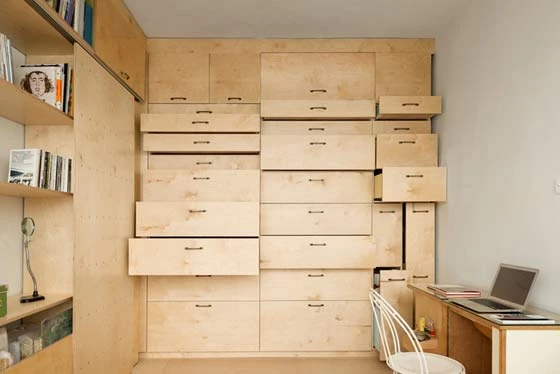
Israeli architect Raanan Stern's modular live-work space, with two desks, 36 drawers, modular storage compartments and a folding bed
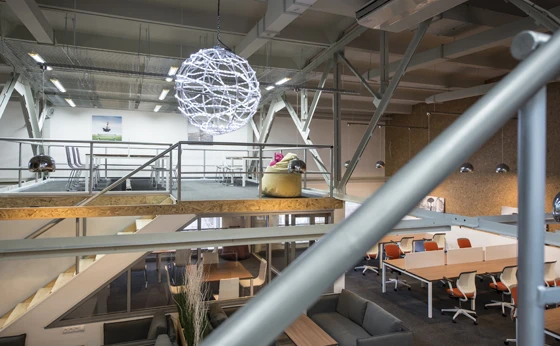
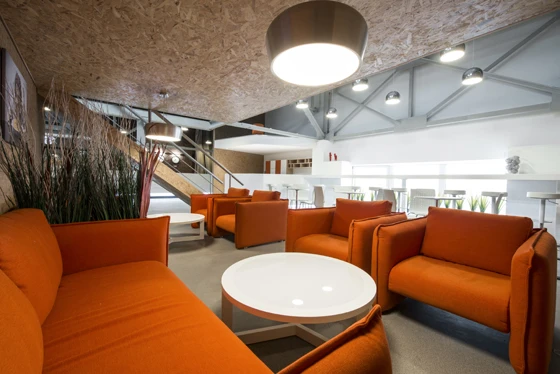
Nagatino 2.0 Co-working Center by Ruslan Aydarov Architecture Studio consists of a former furniture factory turned co-work space, with lounge-like working areas
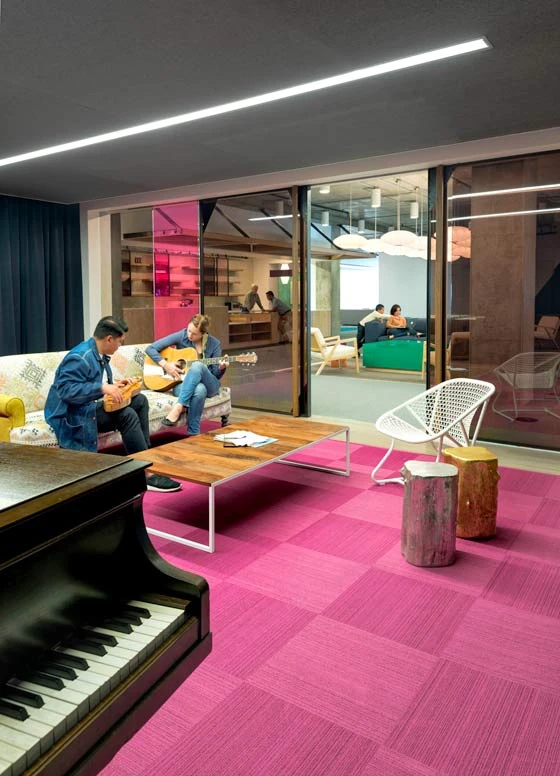
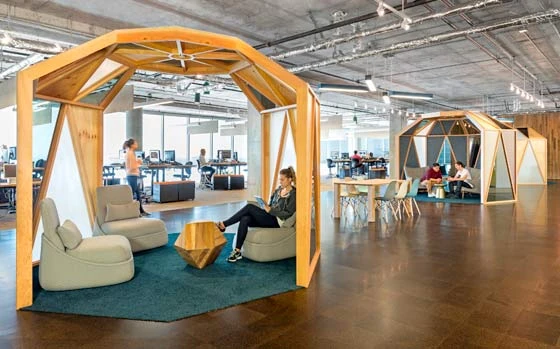
The Cisco offices in San Francisco, by Studio O+A, feature a medley of informal spaces, with lounge furnishings for more casual collaboration
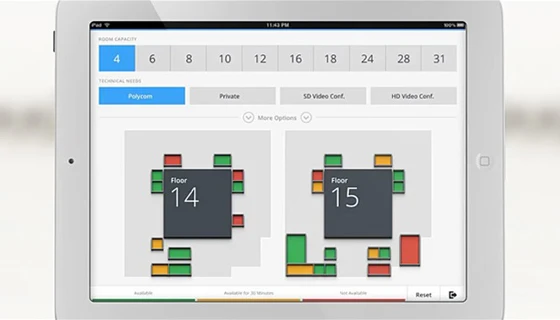
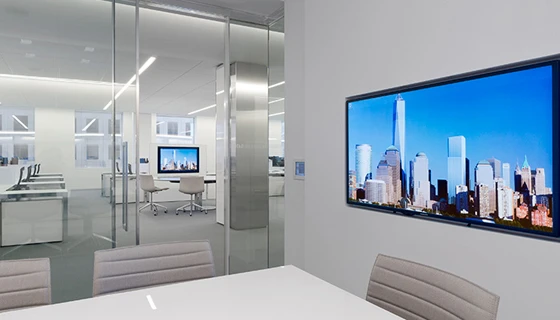
Brookfield Asset Management's offices, by Control Group, have a ‘Room Finder’ application, accessible via iPads outside each meeting room, to manage spaces, agendas and documents for more agile working
Project Gallery