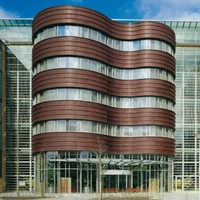
Front of house: An explanation of facades
Facades are the clothes buildings dress themselves up in. Physical declarations of prominence and boastful creativity. Here is an inspirational selection of architectural facades created by Architonic’s archive of manufacturers…

By James Wormald
September 9, 2021 | 10:00 pm CUT
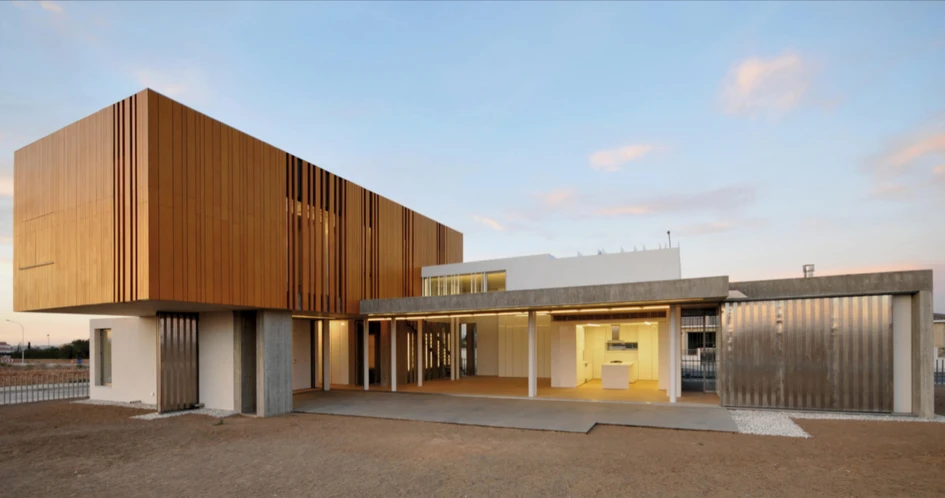
Gold Facade by Parklex
What Is An Architectural Facade?
A facade is a building’s figurative face. The first design aspect visitors see, the facade sets the tone for their experience. Often with few structural requirements, facades can take many forms, they grant architects a unique opportunity to express themselves and their clients’ personalities on the biggest stage possible.What To Consider When Specifying a Facade
Whether they sit within natural or urban landscapes, a building’s facade must complement its scene. Exposed as the outer layers of buildings, certain locations demand facades to withstand weather extremes of rain, wind, sun, heat or even saltwater. But most facades are created by stakeholders who share a clear objective – to get noticed.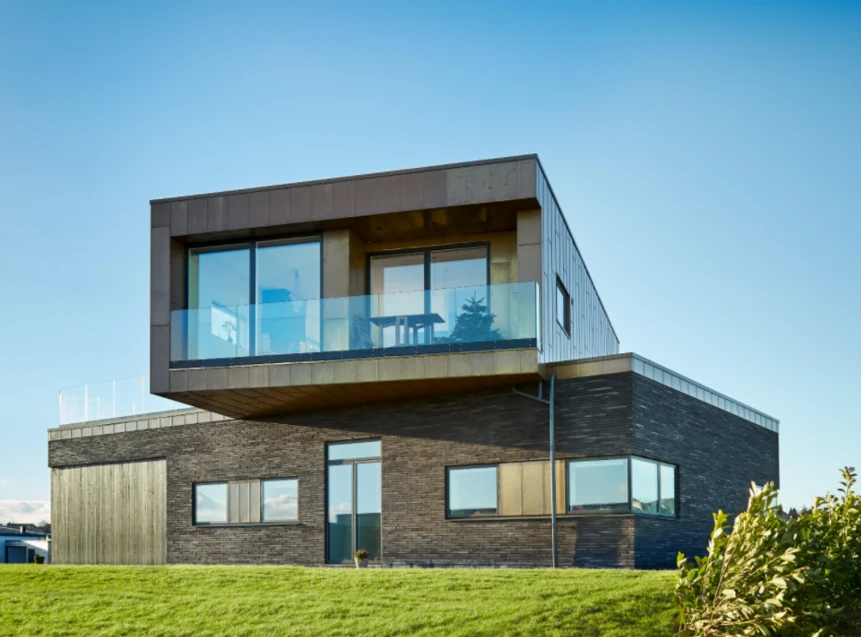
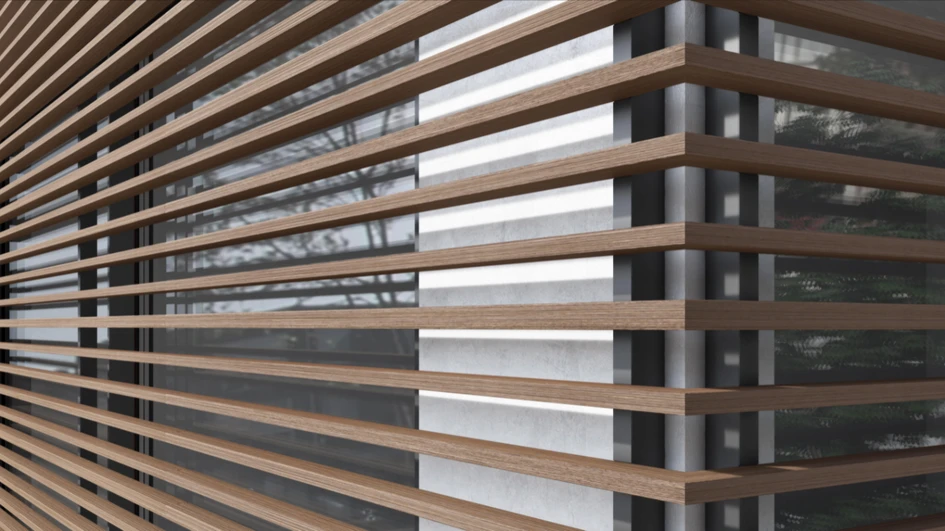
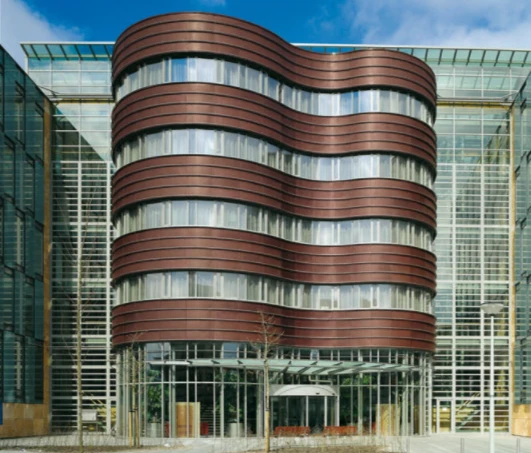
Top: Ultima by Randers Tegl. Middle: Woodalux by ALUMIL. Above: TECU® Oxid by KME
Main Facade Materials To Choose From
Brick
At over 9000 years old, brick is a material that’s been around the block – sorry. Traditionally, buildings are constructed entirely from brickwork laid on concrete foundations. But even in larger-scale projects with reinforced concrete frames, the simplicity of pre-laid brick facades is often preferred. Brick manufacturers such as Randers Tegl offer a huge selection of products that are naturally impervious to all but the most extreme weather.Wood
Timber is a strong yet flexible material that improved the ease and speed of construction when it was introduced. The naturally rich tones and grains of the different species of wood are still used today by manufacturers such as Parklex, to create warm, friendly facades that sit comfortably in scenic landscapes.Metal
If concerned about weather exposure changing the look of the facade, many metal-based products are also available. Sparkling gold, brass, bronze or copper panels, like those in the TECU range from KME, develop their own individual patinas over time. The collection also includes pre-aged brown oxide and green copper options, if you can’t wait that long.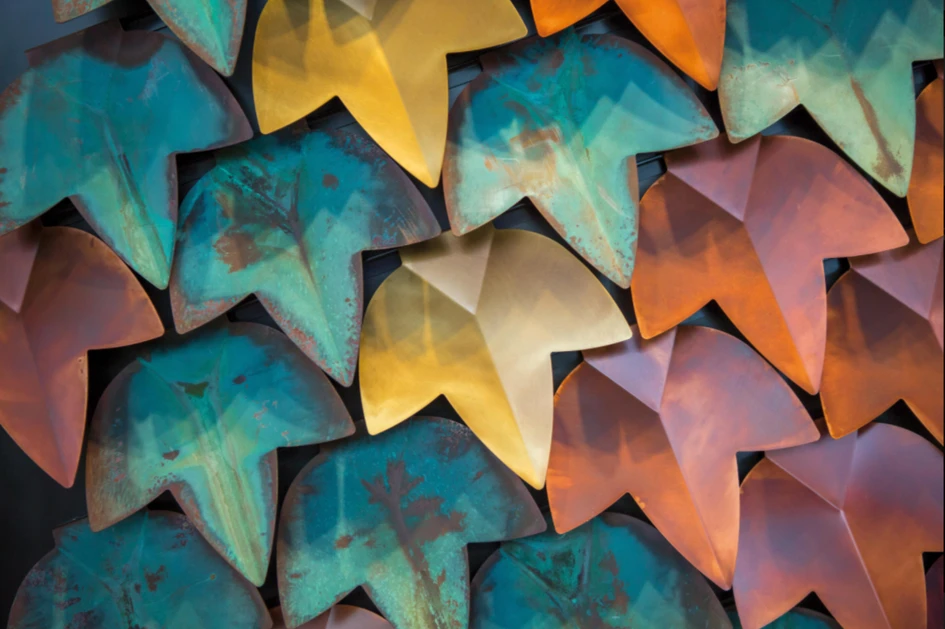
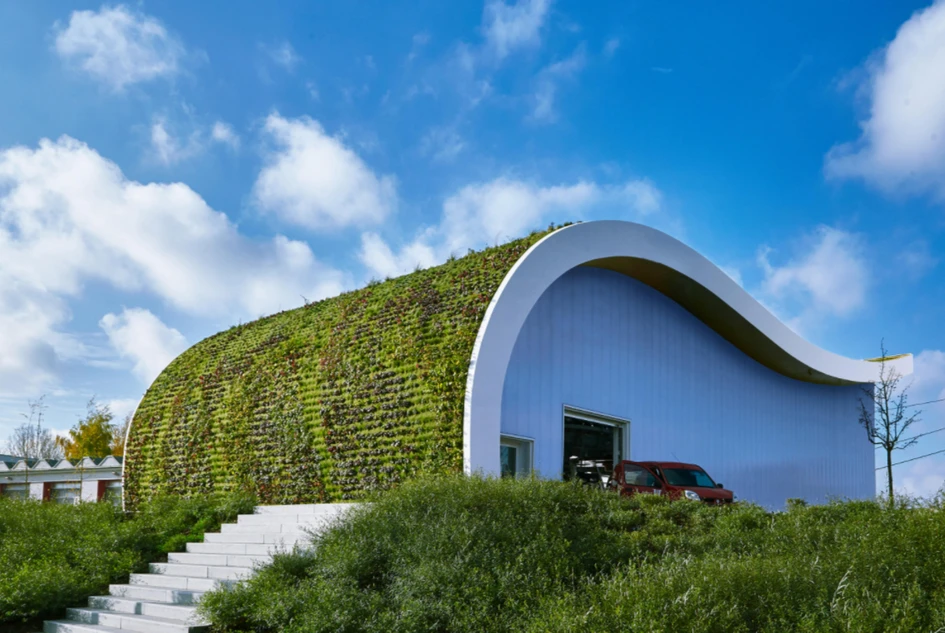
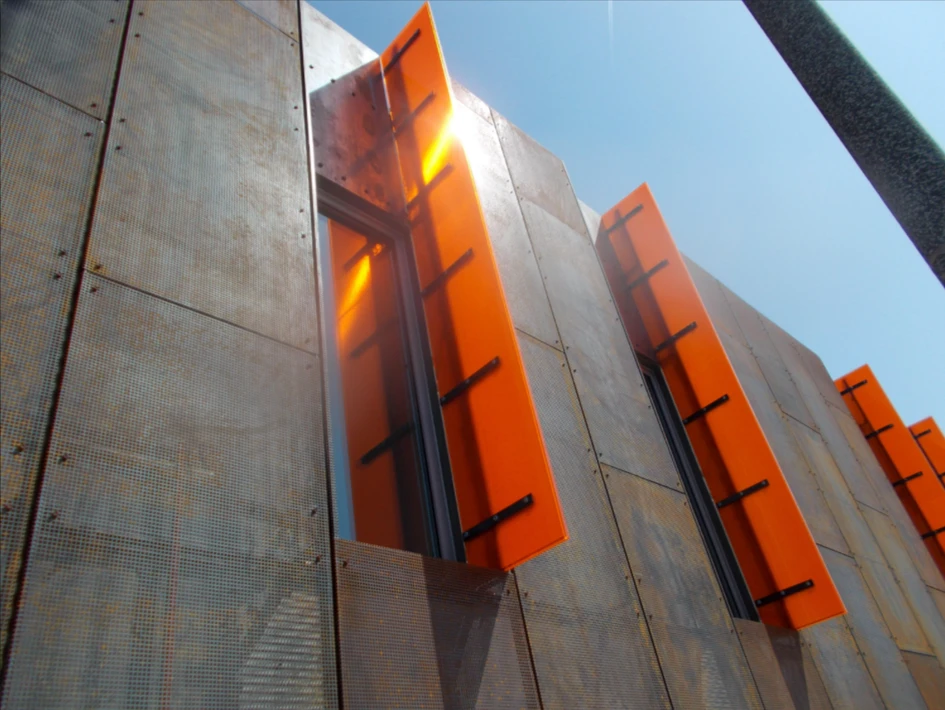
Top: Vertical Green by De Castelli. Middle: Live Panel vertical garden by Freund. Above: clear-PEP® by Design Composite
Living
If a flora-inspired facade is what you seek, some include the atmosphere-enriching properties of real, live vegetation. These can be grown and provided by companies like Freund, who manufacture fully automated living facades with integrated irrigation.Plastic
Presenting a different kind of natural product, in a very different way, Design Composite’s clear-PEP facade layers polycarbonate material into honeycomb structures, which create an interesting light scattering effect both inside and outside the building. One product option even highlights its construction by filling the honeycomb cores with lentils.Concrete
Like plastic, concrete manufacturer Rieder’s formparts product uses moulds to produce concrete with perfect curves or pinpoint fins. While the Austrian company’s 13mm-thin glass fibre reinforced product, concrete skin, can pull smoothly over building corners, just like its namesake.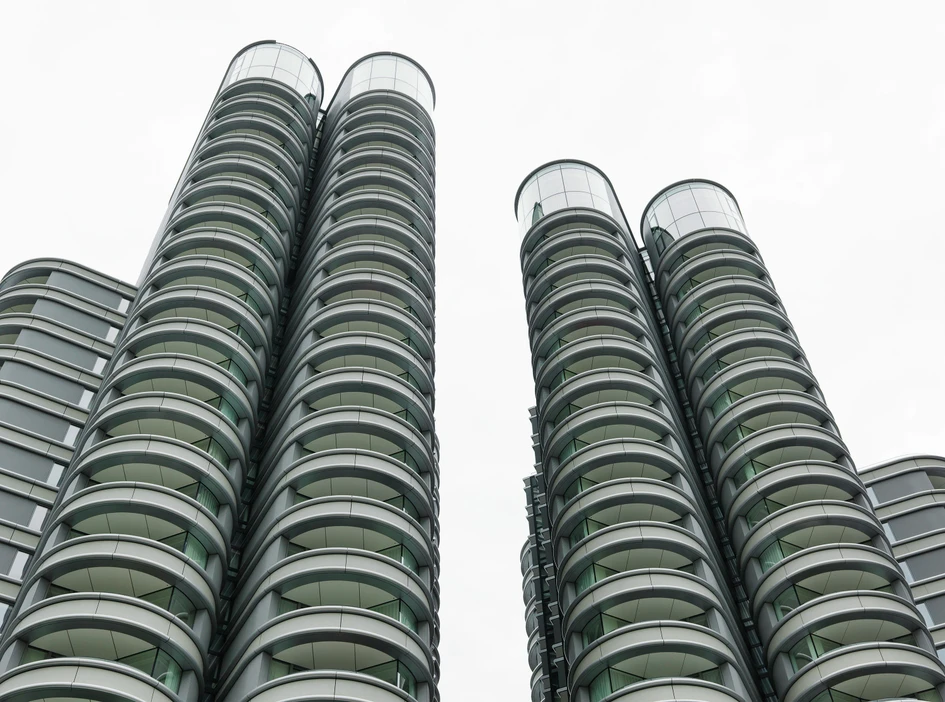
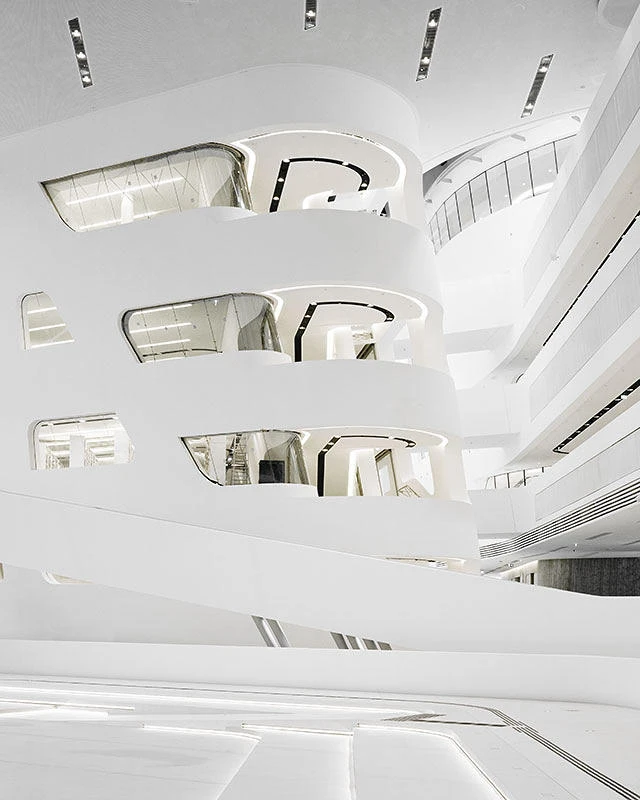
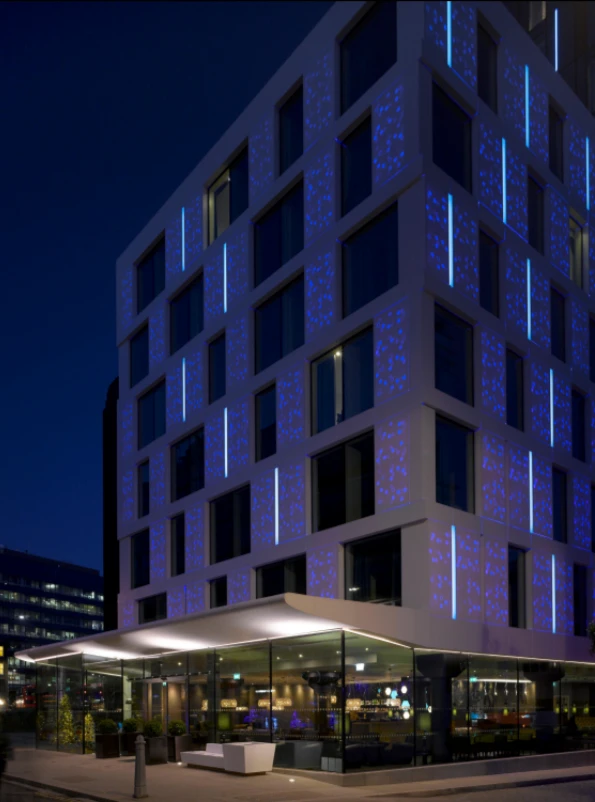
Top: formparts, The Corniche by Rieder. Middle: concrete skin by Rieder for the Zaragoza Bridge Pavillon. Above: Corian by DuPont for Motel One
Corian
Originally developed as a material for sanitaryware and kitchen worktops, Corian’s strength, sculptural capabilities and crystal clear colour make it an excellent candidate for building facades, as evidenced by Rosskopf + Partner’s London Motel One. By day, the building features 650 sqm of glacier-white Corian cladding. But by night, the backlit facade presents a mesmerising light show.Glass
All of the above facade materials ask specifiers to balance the aesthetic of a sleek, continuous facade, with the building interior’s demand for natural light. One solution, is for an uninterrupted facade made entirely of glass. But if you’ve ever spent time in a greenhouse – or my conservatory in July – then just the idea of an entirely glass facade is enough to bring you out in a heat rash. That’s why manufacturers like Vanceva are innovating the material by squeezing in an internal PVB layer, adding solar, UV, acoustic and structural protection all in one – as well as bright and vibrant colour.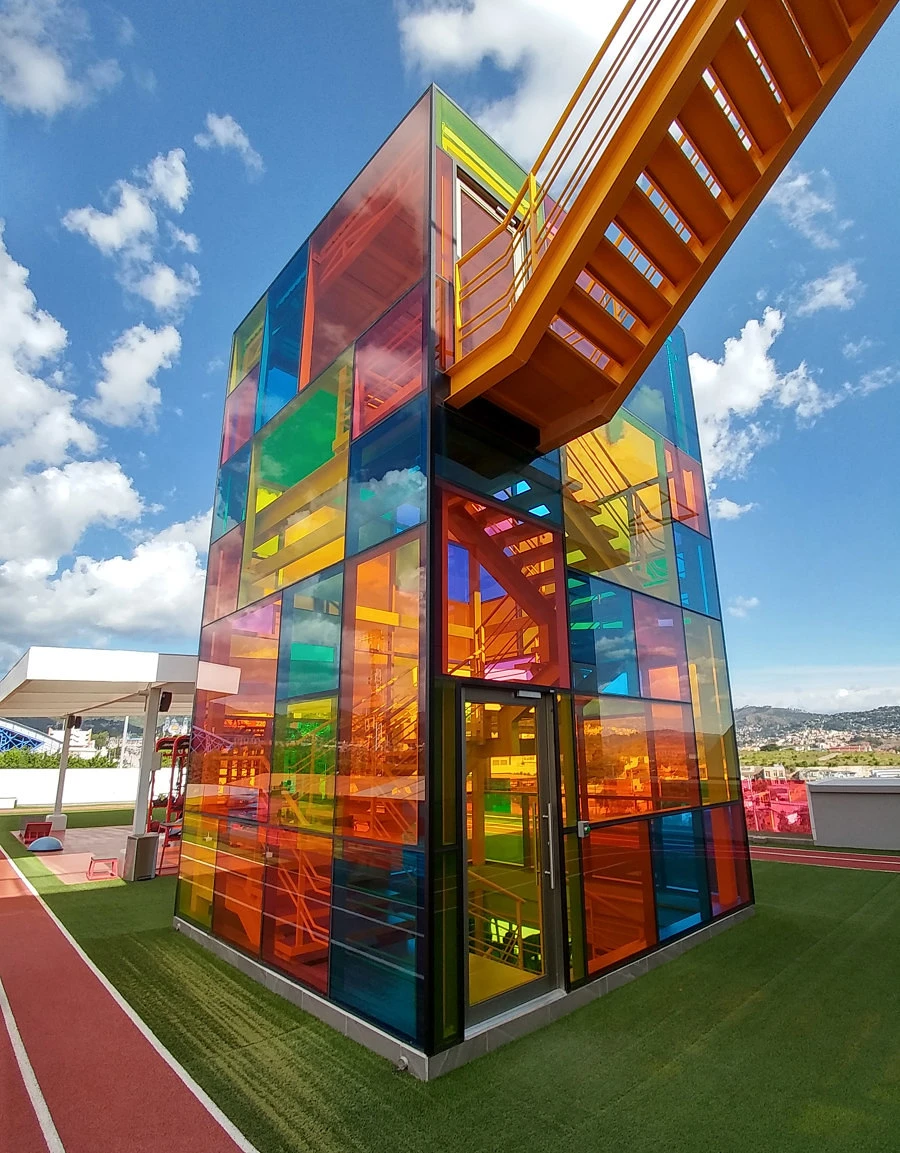
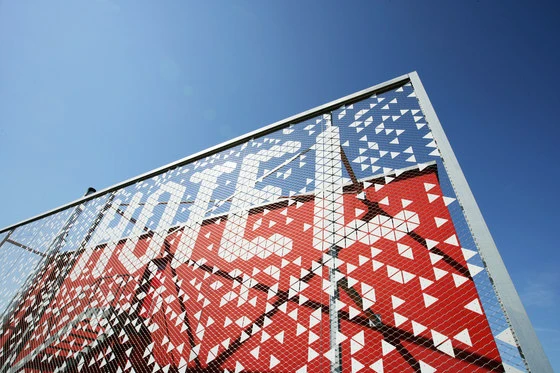
Top: Glass Facades/Curtain Walls by Vanceva. Above: WebnetID by Jakob
Something a Little Bit Special
There are a huge variety of creative applications in those main materials for architects to dig their pencils into, but there are a few other options for truly unique and innovative facades.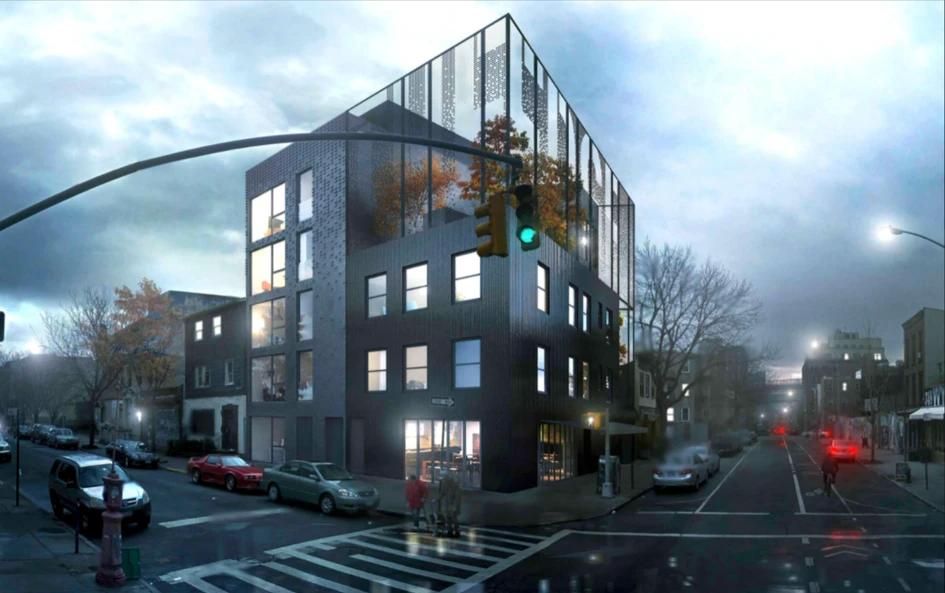
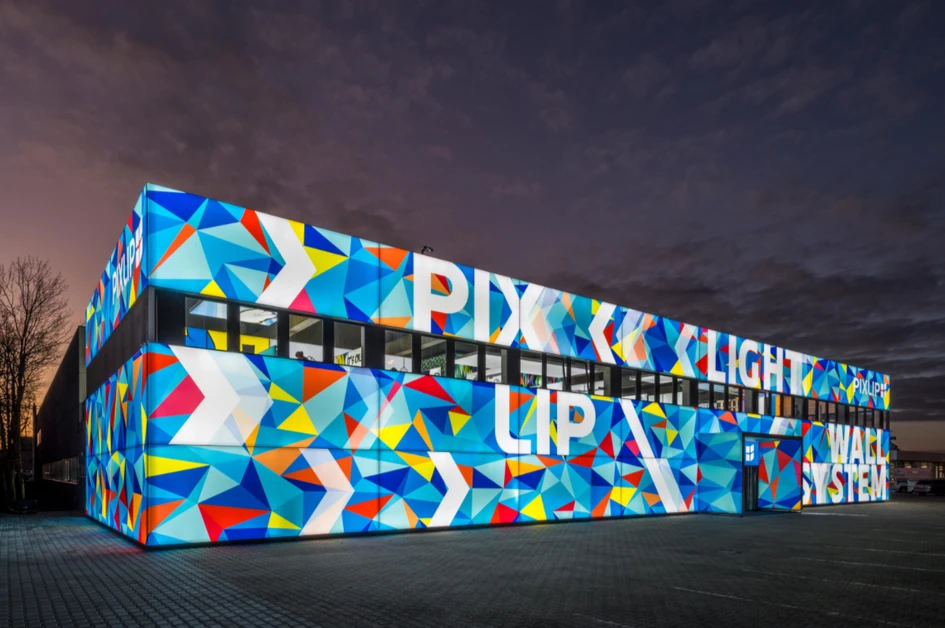
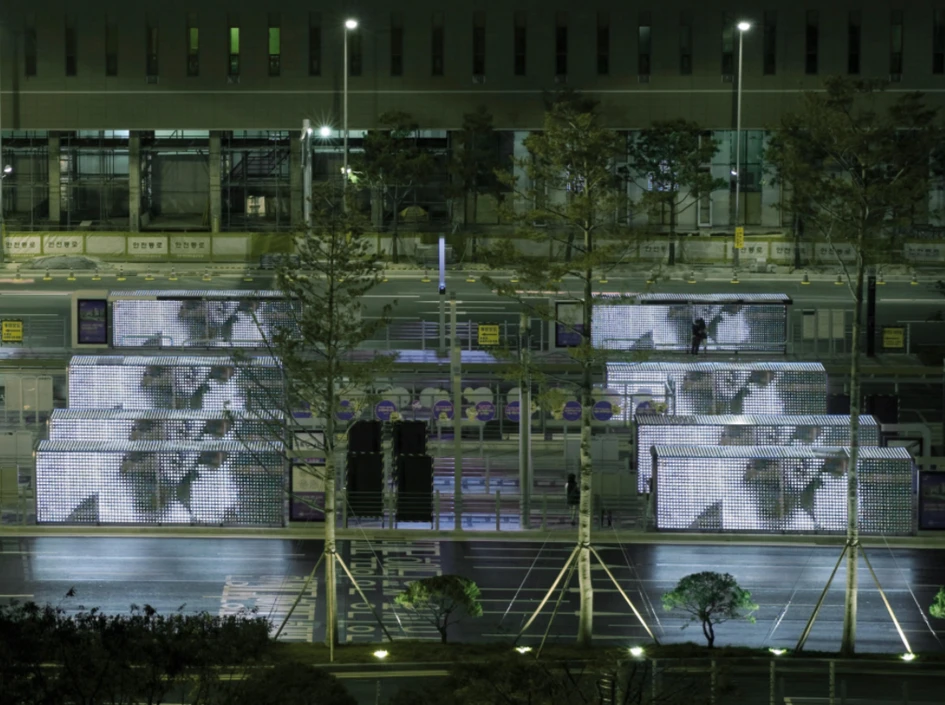
Top: Dedots by REDFORT. Middle: Illuminated Frame Outdoor by Pixlip. Above: powerglass® media facade by Peter Platz Spezialglas
Project Gallery