Signs of the Times
Feeling a little bit lost? It's no surprise, really. As populations grow, cities expand, international travel increases and we all work (and live) harder and faster, it seems that there are ever more new and complex terrains to navigate. Enter a number of highly considered wayfinding systems that help you make sense of the space around you.


By BURRI and Simon Keane-Cowell for

BURRI
September 19, 2013 | 10:00 pm CUT
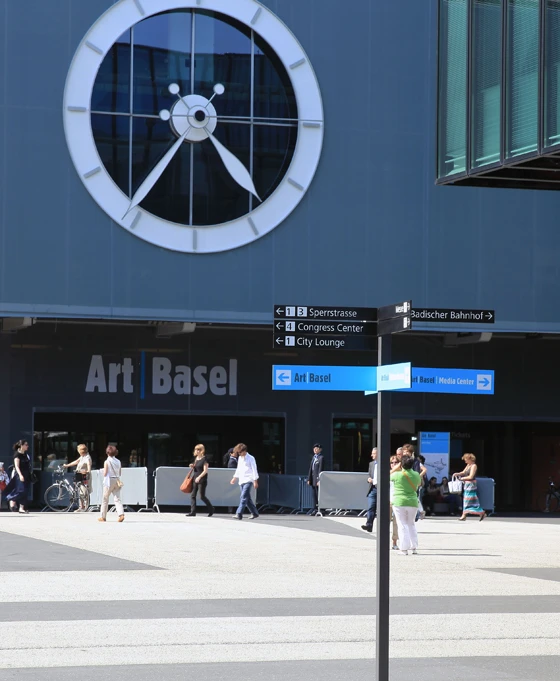
Messe Basel's new wayfinding system, comprising over 1,800 separate signage elements across five exhibition halls, was delivered by Swiss manufacturer BURRI public elements in collaboration with Frankfurt-based studio «unit-design»
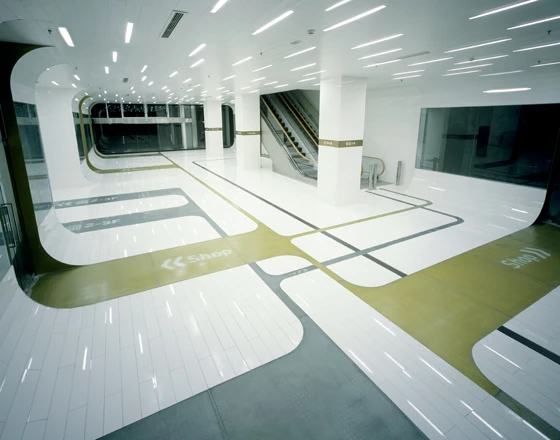
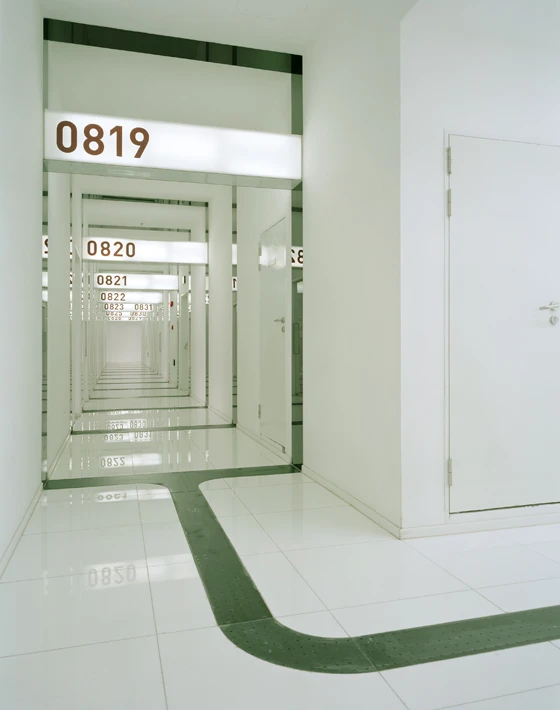
Information and directional signage fuses with its architectural host at the aptly named Signterior office/retail building in Shanghai. The wayfinding was designed by ujidesign of Tokyo; architecture by A-ASTERISK and A-I-SHA. Photos Nakaça & Partners
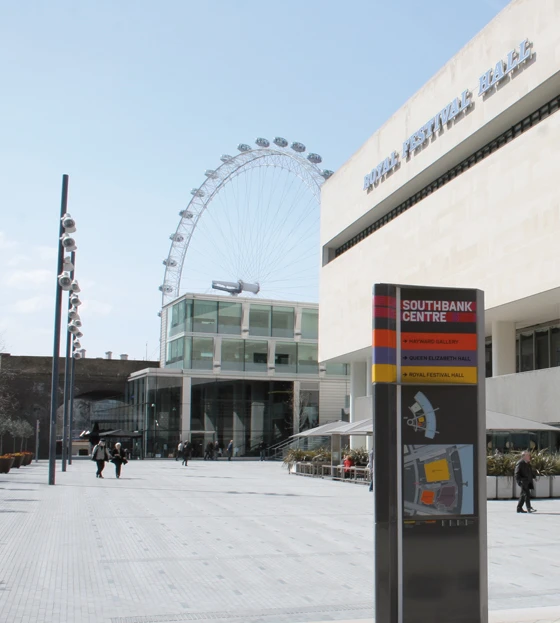
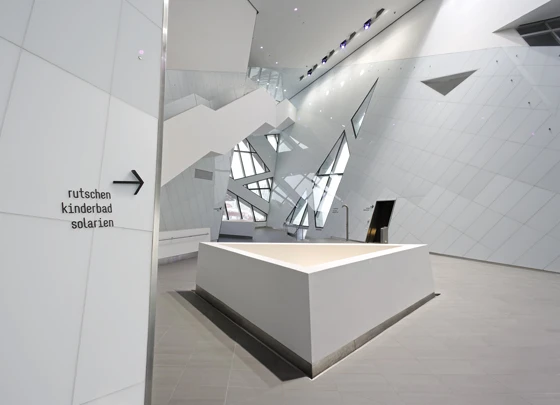
Wayfinding in dialogue with iconic architecture: fwdesign's system for London's Southbank Centre (top) and L2M3's directional signage for Daniel Libeskind's Bernaqua waterpark in Switzerland (above; photo © Florian Hammerich, L2M3 Kommunikationsdesign)
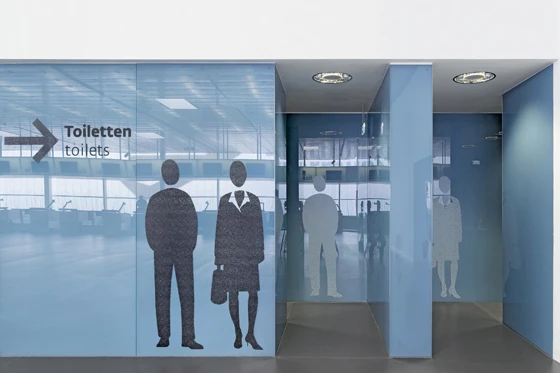
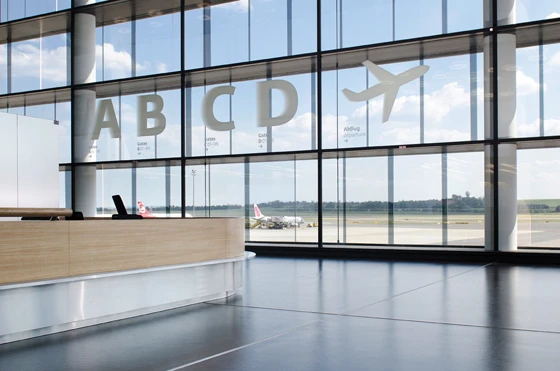
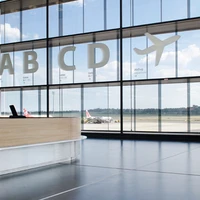
Wayfinding-design experts Ruedi Baur Intégral's signage system for Vienna Airport's Check-In 3 takes a sedate, yet playful, approach to communicating information. Photos Andreas Körner
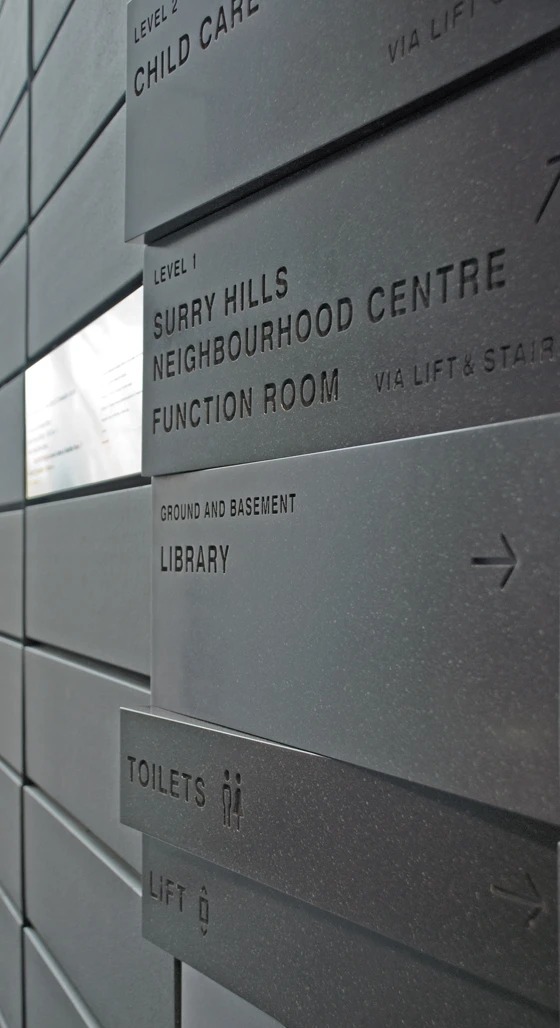
At the Surry Hills Library & Community Center in Sydney, design studio Collider's wayfinding becomes part of the architecture, signs articulated at various angles to underscore their directional intent. The building was designed by office FJMT

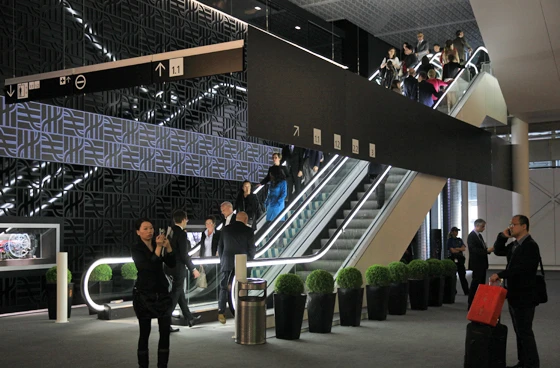
Messe Basel: a consciously restrained graphic language – one which doesn't compete with the often colourful branding of the venue's exhibitors – was developed by «unit-design» for the fairground's new wayfinding, manufactured and installed by BURRI
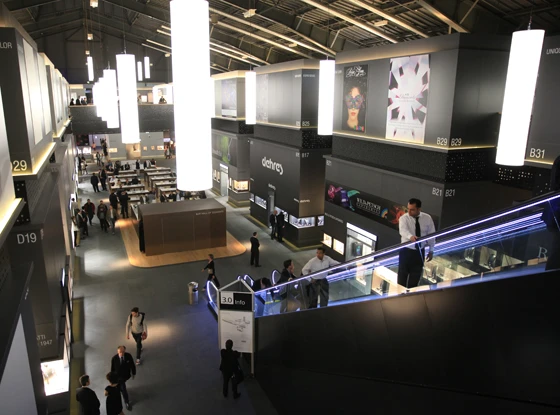
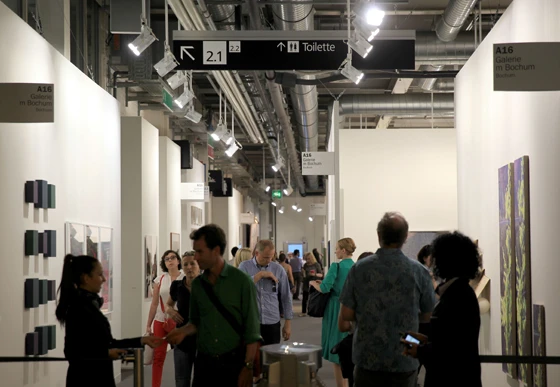
Graphic sophistication – in keeping with Messe Basel's often high-end clients, such as Art Basel and Baselworld – meets flexibility in its new wayfinding system, which is easy to reconfigure and add to, responding to an exhibition's particular needs
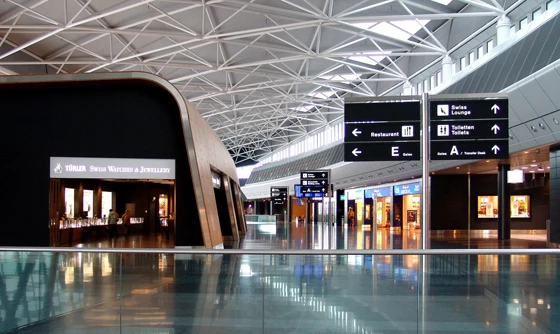
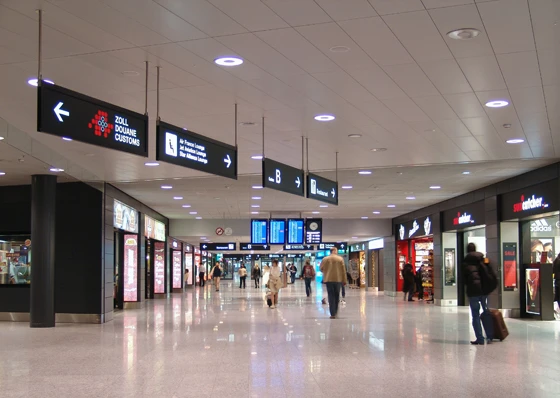
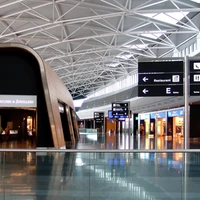
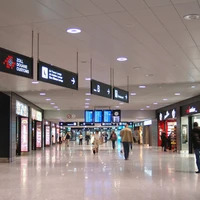
The Zurich Airport wayfinding system, designed by internationally renowned Grimshaw Architects and built and installed by BURRI, maximises legibility through a pared-down approach: black and white graphics are teamed with a reduced formal language
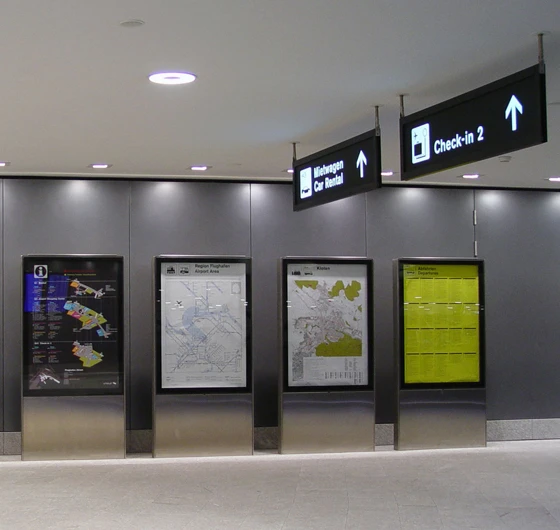
Suspended signage dovetails with free-standing display cases at Zurich Airport in terms both of information provision and design language. Designed by Grimshaw Architects and built and installed by BURRI
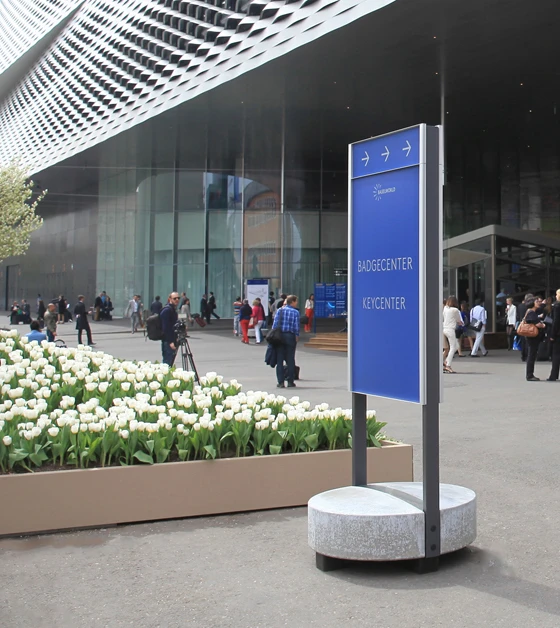
A smooth, circular concrete base provides complete stability for BURRI's outdoor display stand, while its folding frame means panels can be changed by any member of staff without the need for special tools
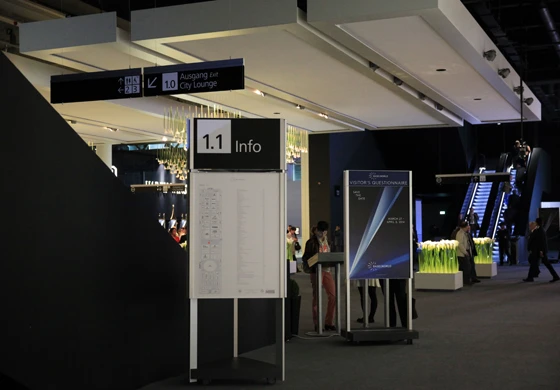
With modularity built-in, BURRI's wayfinding elements (such as its suspended signage and its three-sided, mobile display stand, shown here) are a sustainable proposition
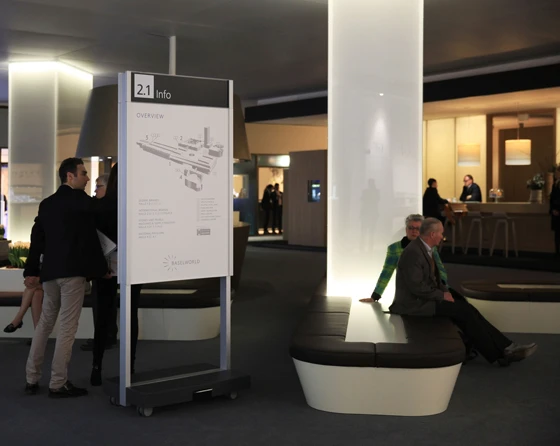
Exceptional mobility as a key product feature: an innovative double-wheel mechanism allows the robust BURRI indoor 'F4' display stand to be moved effortlessly and then locked into position at the press of a foot pedal
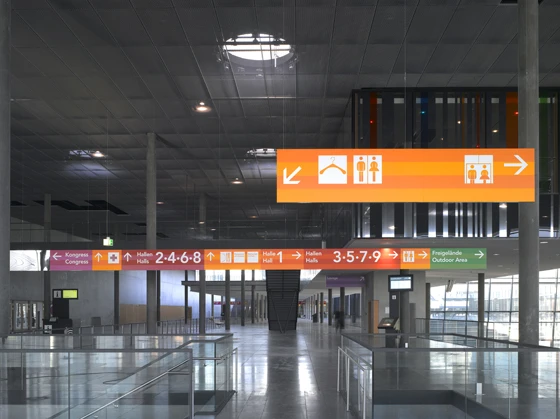
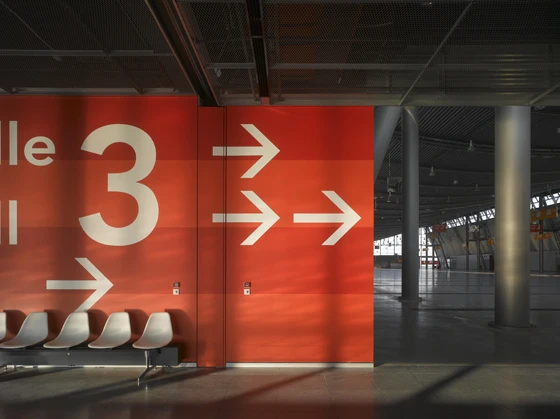
Colour leads the way at Messe Stuttgart, where büro uebele’s signage and directional programme employs a diverse palette of hues to denote different spaces across the fairgrounds. Photos Christian Richters
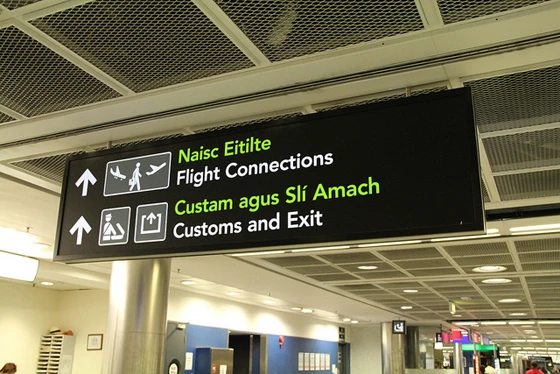
Passengers at Dublin Airport are guided by a wayfinding system that, through its judicious use of colour, more specifically green, makes clear the distinction between the signage's two languages, while serving as an expression of national identity
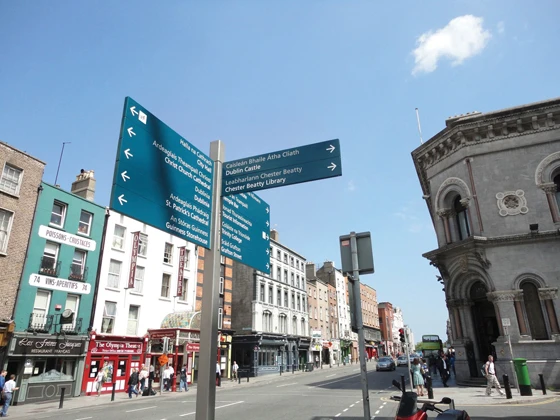
In Dublin City, meanwhile, London-based studio fwdesign have delivered an elaborate, bilingual wayfinding system, comprising over 100 individual elements, which makes the city legible to its many cultural tourists
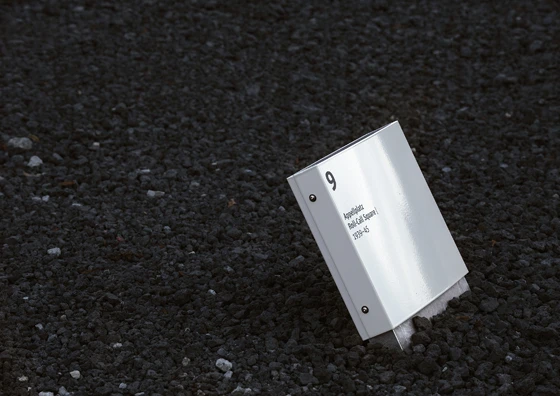
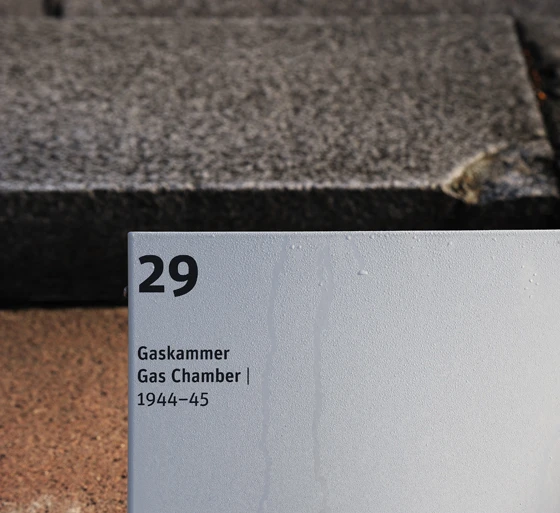
«unit-design»'s signage for visitors to the Mahn- und Gedenkstätte Ravensbrück, Germany, the site of a former Nazi concentration camp, proves how impactful information can be when expressed with sobriety
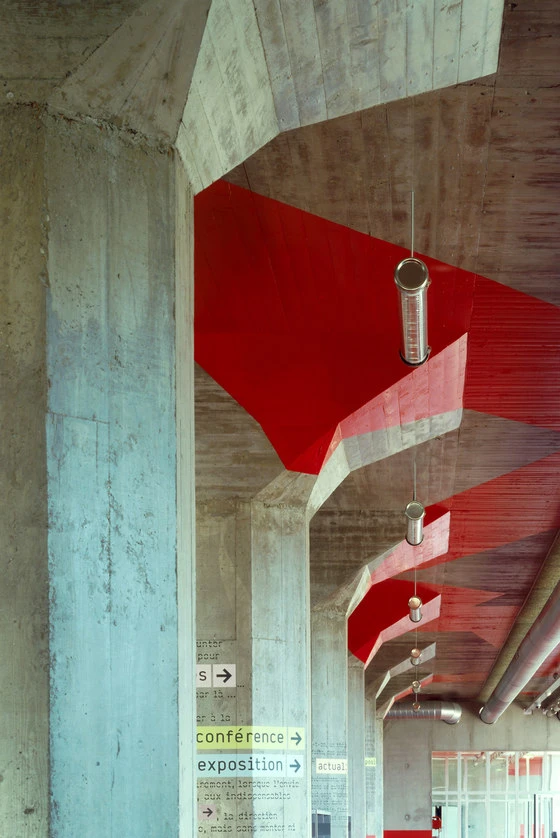
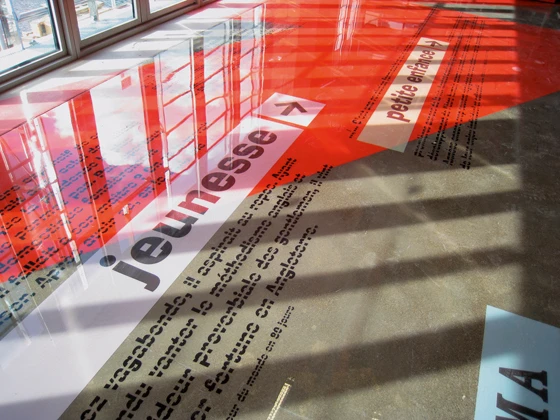
Ruedi Baur Intégral's wayfinding system for Strasbourg's Médiathèque André Malraux sets directions within paragraphs of prose, marrying concept with function. Photos George Fessy (top) and Valentin Abad and Simon Burkart (above)
Project Gallery