How Many Designers Does It Take to Change a Light Bulb?: Samuel Wilkinson
When young British designer Samuel Wilkinson set out to redesign the standard low-energy light bulb, with the aim of making it work just as hard aesthetically as it does environmentally, he was in for a long trek. Journeying beyond the safe and familiar territory of the archetype is seldom easy, particularly when you have to develop a new set of manufacturing methods to realise your product. In conversation with Architonic, Wilkinson sheds some light on his award-winning 'Plumen 001' bulb.

By Simon Keane-Cowell
August 19, 2011 | 10:00 pm CUT
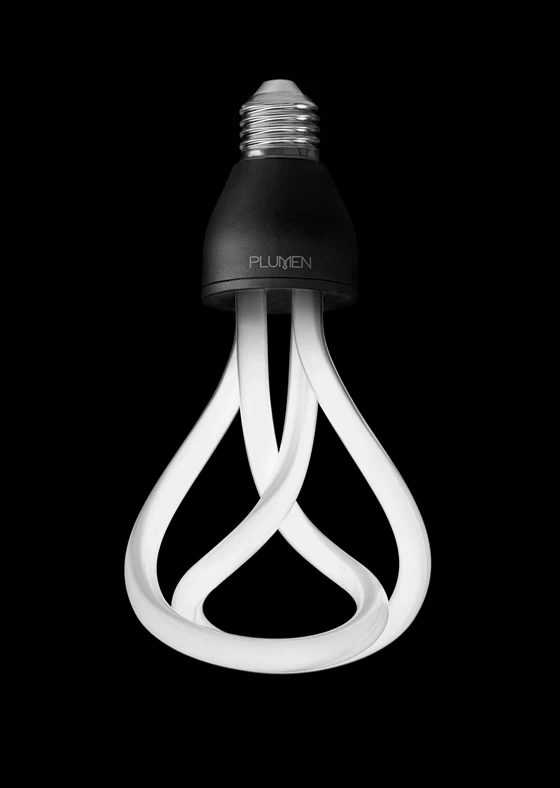
Young British designer Samuel Wilkinson's low-energy 'Plumen 001' light bulb (developed in collaboration with Hulger), whose innovative design earned it the accolade Brit Insurance Design of the Year 2011; photo Andrew Penketh

'I think you have to survive in this industry. It’s certainly not the easiest ways to make a living but can be amazingly rewarding when it starts to work': Samuel Wilkinson
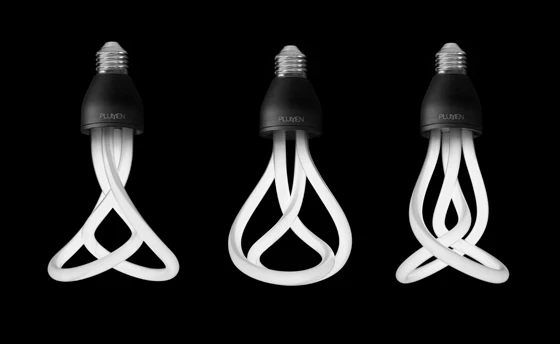
The 'Plumen 001', with its emphasis on virtuosity of form, makes the low-energy light bulb work as hard aesthetically as it does environmentally; Andrew Penketh
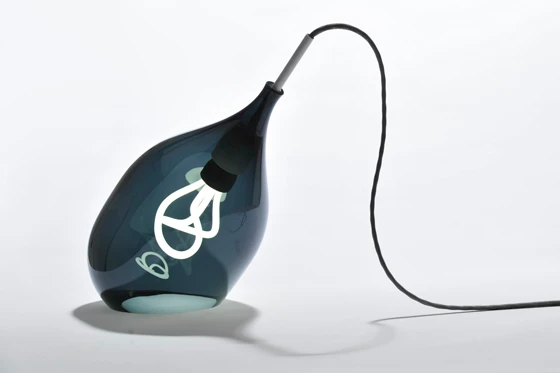
Wilkinson's limited-edition 'Vessels' series for UK manufacturer Decode, designed especially to house the 'Plumen 001' bulb, is being developed into a production series, to be launched in September during this year's London Design Festival
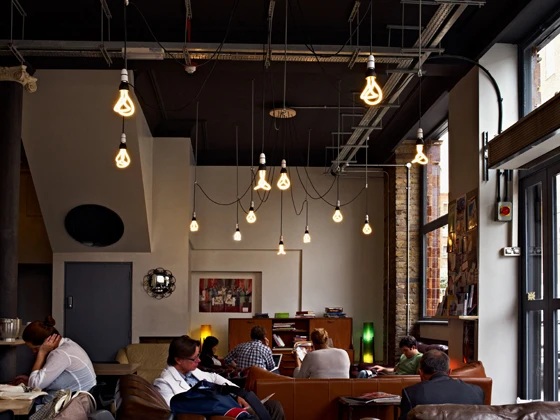
A contract-space application of Wilkinson's 'Plumen 001' light bulbs; photo Tom Mannion
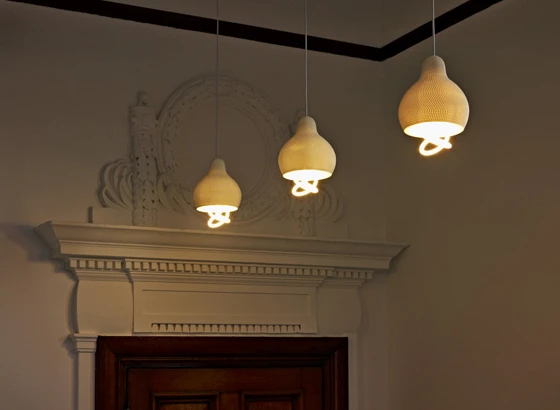
Part of the challenge was, as Wilkinson explains, to find 'the right aesthetic, as the bulb had to work by itself and still be able sit well in other fittings'; photo Tom Mannion
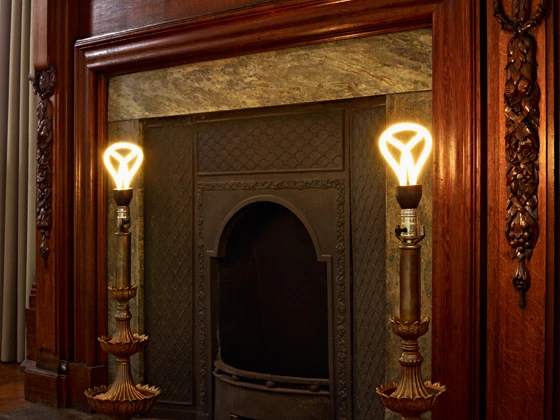
'New production methods had not been explored for this type of object before. It took a year of presenting concepts and them being rejected to arrive at what would be possible to manufacture'; photo Tom Mannion
Project Gallery


