


Contact details
Send a message
Call us
Distributors


Help me find it
Architonic ID: 20263753
Year of Launch: 1937
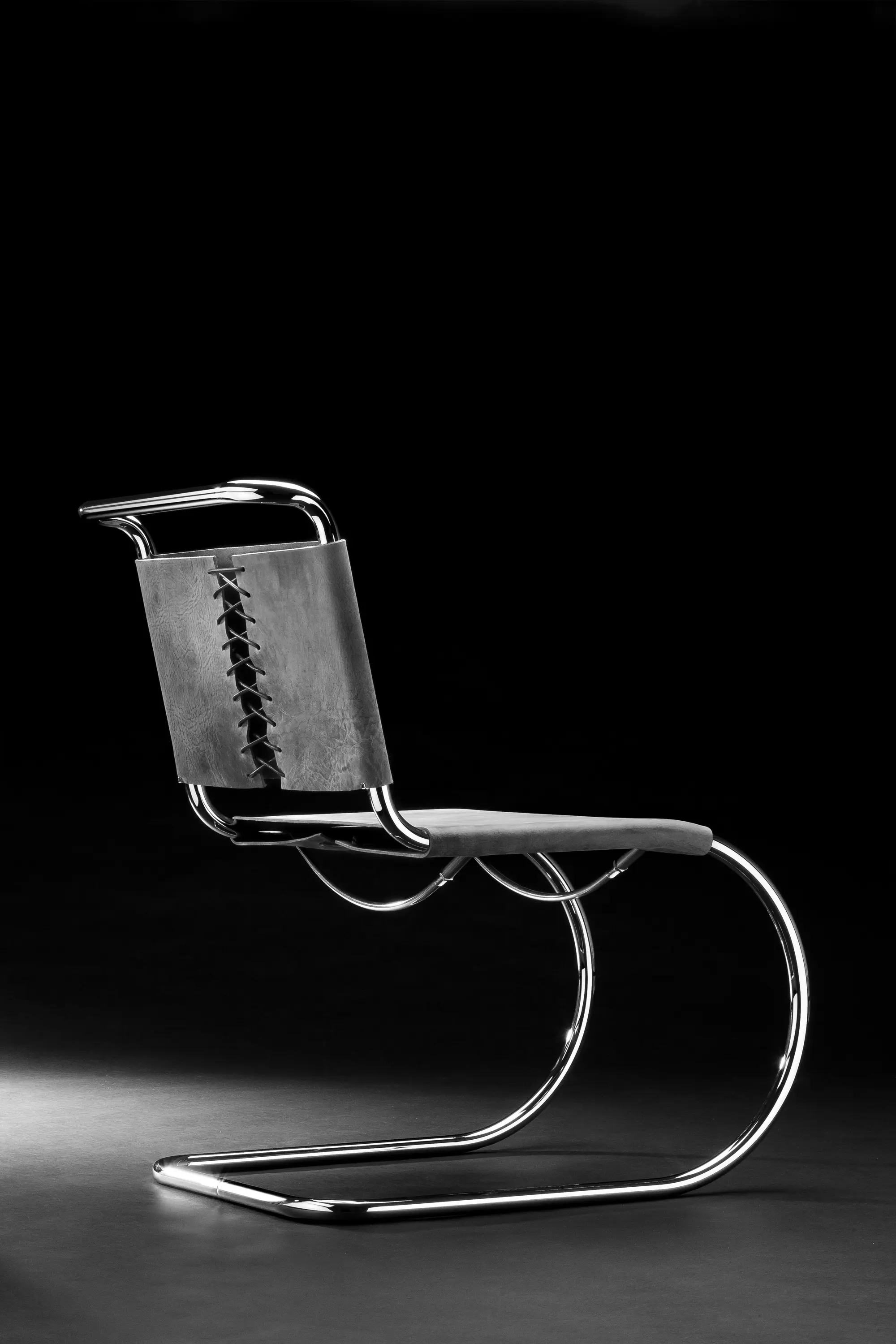
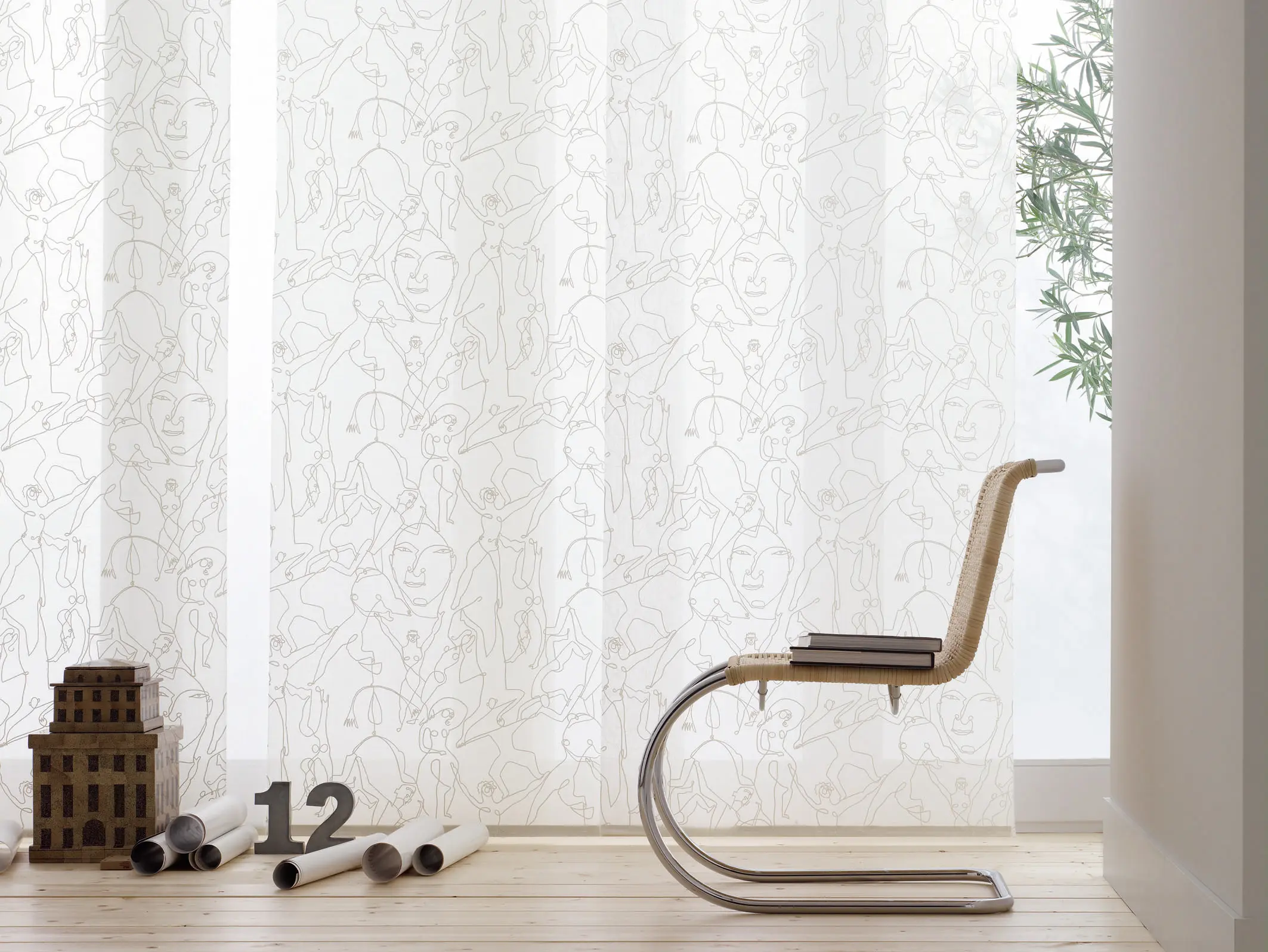
Without armrests. Frame chrome plated tubular steel. Seat and backrest with wicker.
Concept
The Tubular Steel Cantilever Chair S 533– Uniting Timeless Elegance with Comfortable Seating
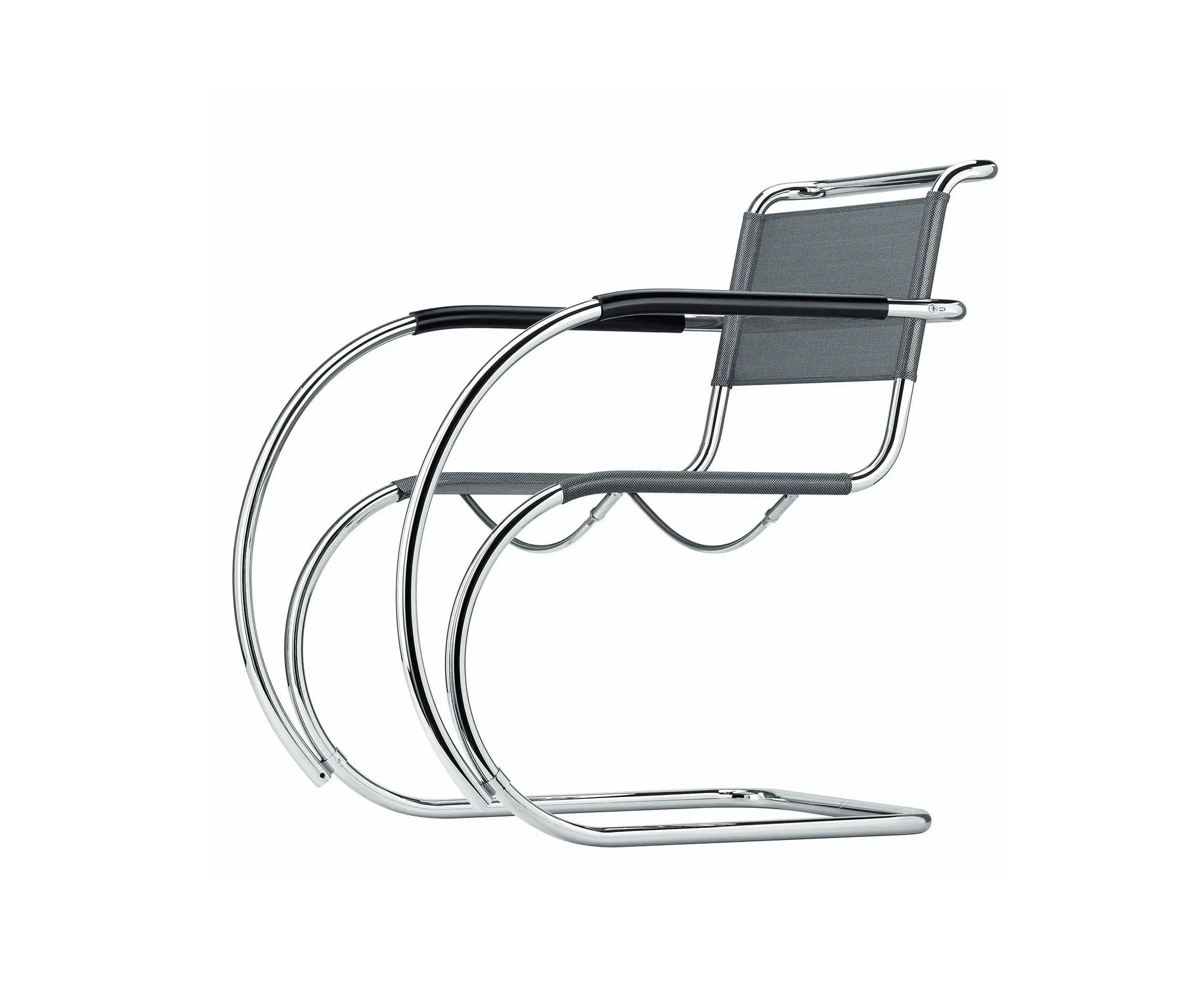
The targeted restriction in the use of materials, elegance in the lines and transparency in the effect are the characteristic properties of the S 533. It owes its special comfort to constant elastic flexing. This effect results from the fact that Mies van der Rohe conceived the front part of the tubular steel frame as a big bow made of spring-hard tubular steel. While most of the designs from the 1920s were rather simple and functional, this chair clearly communicates the signature of the architect: his design combines functionality and comfort with timeless aesthetics. The chair was first presented in the Weissenhof-Siedlung in 1927.
Without armrests. Frame chrome plated tubular steel. Seat and backrest with wicker. Also available in black natural bend leather with lacing on backrest.
This product belongs to collection:
Base metal, Metal

Germany
Ludwig Mies van der Rohe was and continues to be one of the most influential architects and designers of the 20th century. With his minimalist formal language and use of industrial materials, he changed the face of modern architecture and furniture design. Ludwig Mies van der Rohe: a biography Ludwig Mies van der Rohe was born into a stonemason's family in Aachen, Germany, in 1887. He initially trained as a bricklayer, but as a talented draughtsman he soon moved on to design furniture, working together with architect Bruno Paul. He received his first commission to design a house for the philosopher Alois Riehl in 1907. From 1908, the young Ludwig Mies van der Rohe worked for the architect Peter Behrens, in the same studio where Walter Gropius and Le Corbusier were also working. During this time, Ludwig Mies van der Rohe worked on the design of the German Embassy in Saint Petersburg. In 1928, Mies van der Rohe designed one his most radical buildings, the Barcelona Pavilion, in the Bauhaus style. The Barcelona Chair, which he designed for the pavilion, became a classic of modern European furniture. In 1930, he became the director of the Bauhaus design school, and eight years later he emigrated from Germany to the United States. Both his architecture and furniture design are characterised by their use of new industrial technologies, their minimalist design language and their luxurious materials and finishes. In 1959, Ludwig Mies van der Rohe received the Gold Medal from the Royal Institute of British Architects, and a year later he received the highest honour given by the American Institute of Architects, the AIA Gold Medal. He died in 1969 in Chicago. Brno Chair: the early modernist seat Ludwig Mies van der Rohe designed the Brno Chair together with designer Lilly Reich in the years 1929 and 1930 for the dining room at the Tugendhat House in Brno, Czech Republic. The modernist cantilever chair – now considered a modern classic – emerged from earlier designs he worked on together with Lily Reich, but also from the work of his colleagues at the Bauhaus, such as Marcel Breuer and Mart Stam. The Barcelona Chair In 1929, Mies van der Rohe completed the German Pavilion at the foot of the Montjuïc hill in Barcelona for the International Exposition. He incorporated his minimalist ideals, love for high-end materials, and preference for flowing spaces into the project. He also designed the Barcelona Chair, now an icon of functionalist and timeless design, specifically for the building, but it is now used throughout the world in many different settings. Seagram Building In 1948, Ludwig Mies van der Rohe and Philip Johnson completed the Seagram Building in New York City. The building inspired architects for decades to come and is regarded as a landmark of the International Style. Non-structural steel beams were used to highlight the skeleton structure and the modular nature of the building. The bronze coloured Seagram Building housed, among other things, the Four Seasons restaurant, which was also designed by Mies van der Rohe. The interior of the building combined large amounts of bronze, travertine and marble, making the Seagram the most expensive skyscraper of its time. © by Architonic