Share
1/15


Polder Compact
Estimated price
CHF 7,630.00
Show price in
Help me find it
About this product
Architonic ID: 1553101
SKU: 210 456 00
Year of Launch: 2015
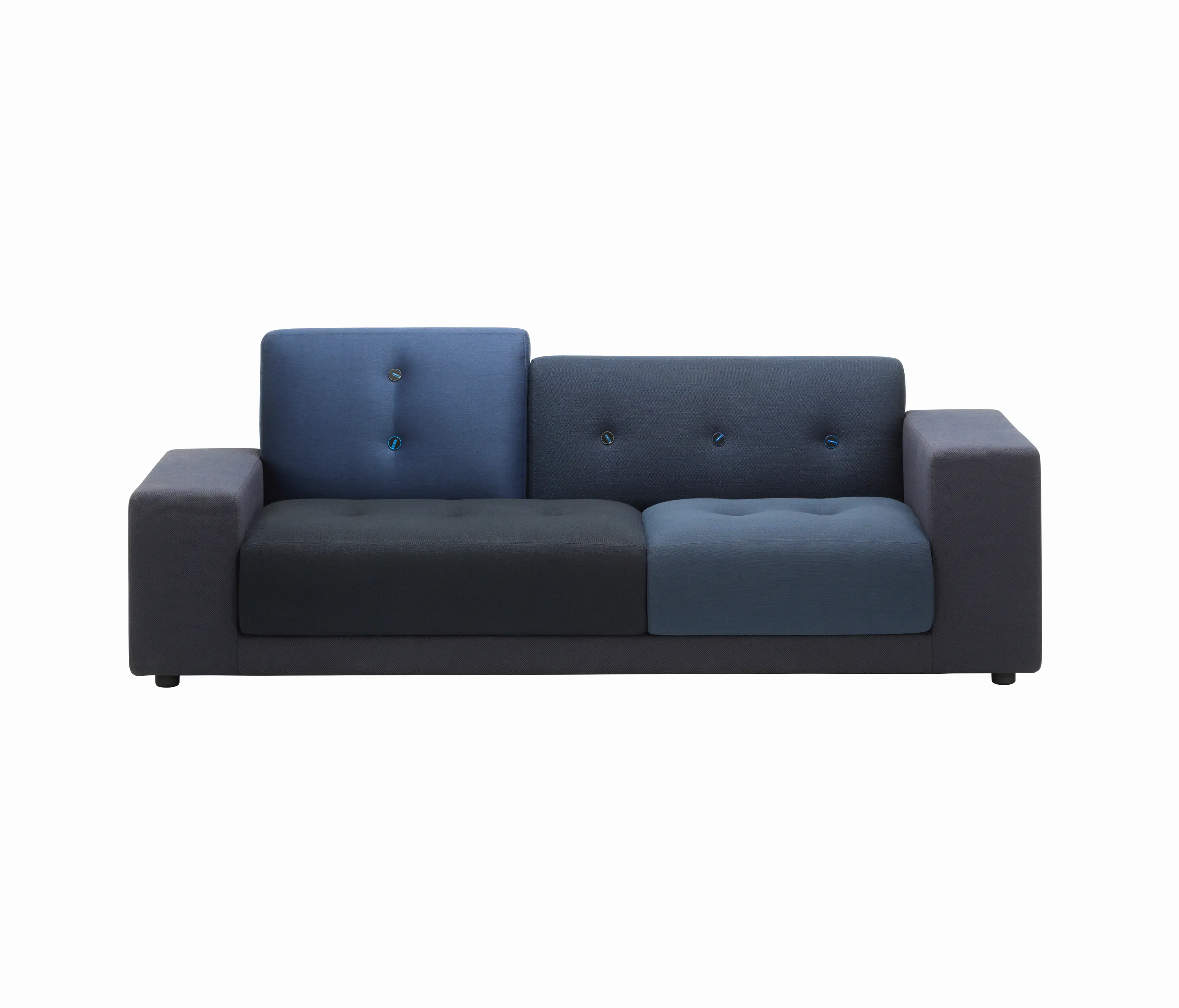
Designed by Hella Jongerius in a range of fabrics and carefully coordinated hues and weaves, Sofa Polder Compact adds an eye-catching note to any interior. It is available in shades of green, red, night blue and golden yellow, and also suits smaller apartments thanks to its compact dimensions.
Structural frame: wooden frame.
Seat cushions: polyurethane foam with interactive
pocket spring core, chamber cushions and polyester fleece.
Back cushions: polyurethane foam with polyester fleece and chamber cushions.
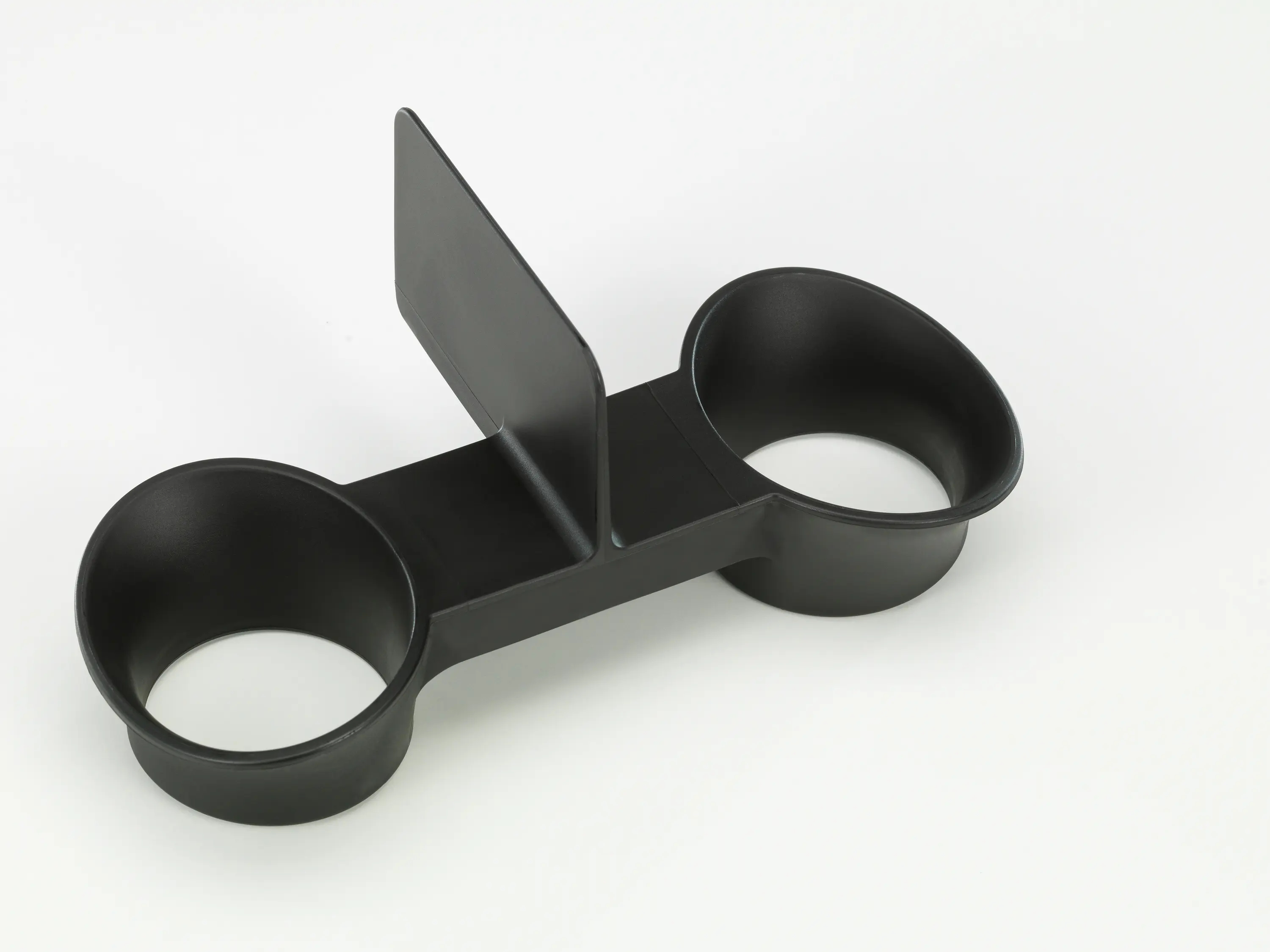
Armrest cushion: detached bolster, freely positionable, sand-weighted.
Cover: coordinated combinations of various colours and fabric types, removable.
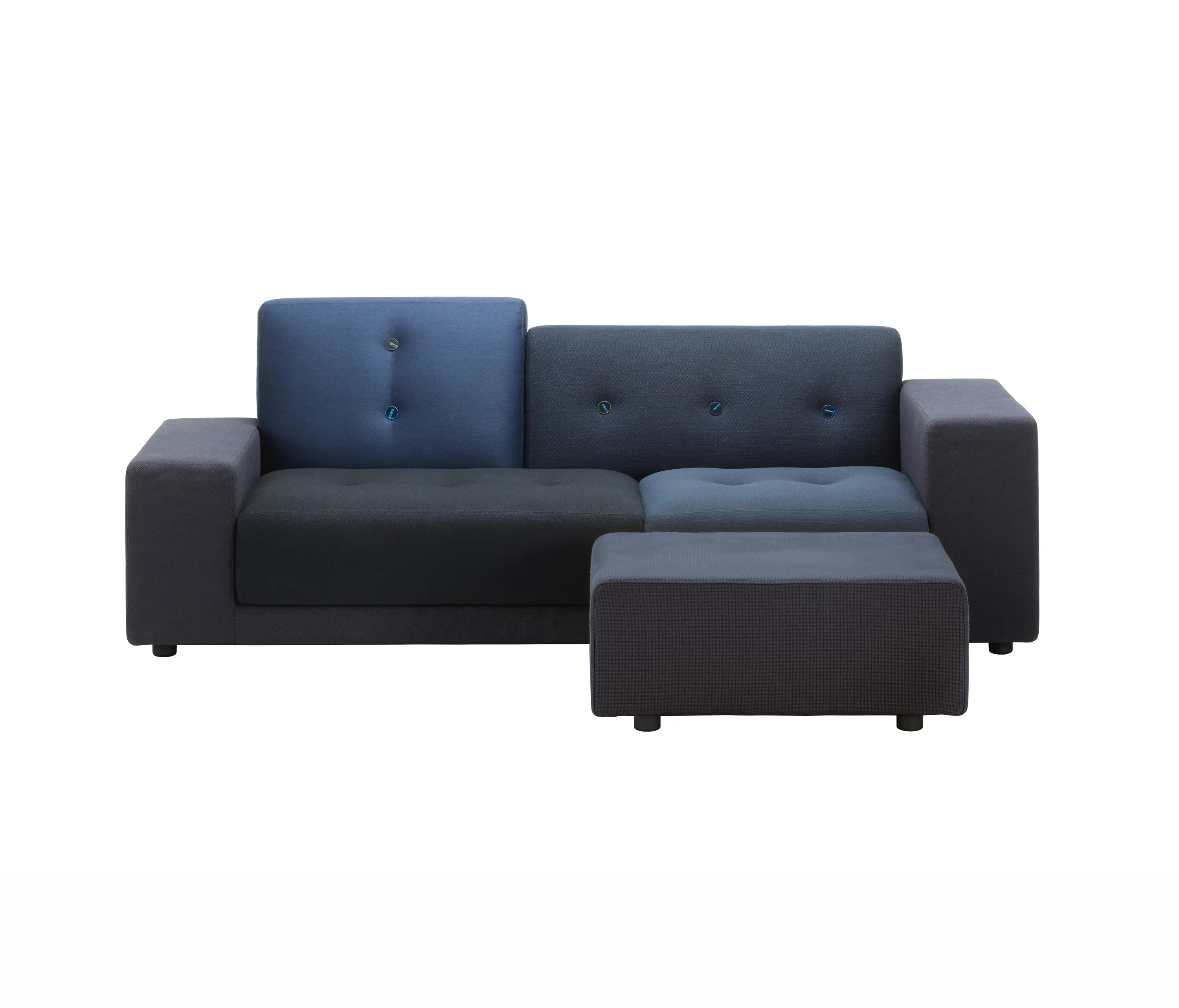
Ottoman: wooden frame with polyurethane foam.
Range of use: recommended for residential use only.
Concept
In Holland Polder refers to the artificial land reclaimed from the sea by means of dykes and drainage canals. The body of the Polder Sofa is just as low-lying, just as flat, and has just as much emphasis on the horizontal. For it Hella Jongerius chose five carefully selected combinations of colours and fabric qualities, accentuating them with high-tech threads and large buttons made of natural materials.
Materials
Wooden frame with belt upholstery; backrest cushions: polyurethane chips and microfibres, textured surface and seat cushion: polyurethane foam and polyester wool; armrest with sand weights, buttons made of natural materials.
This product belongs to collection:

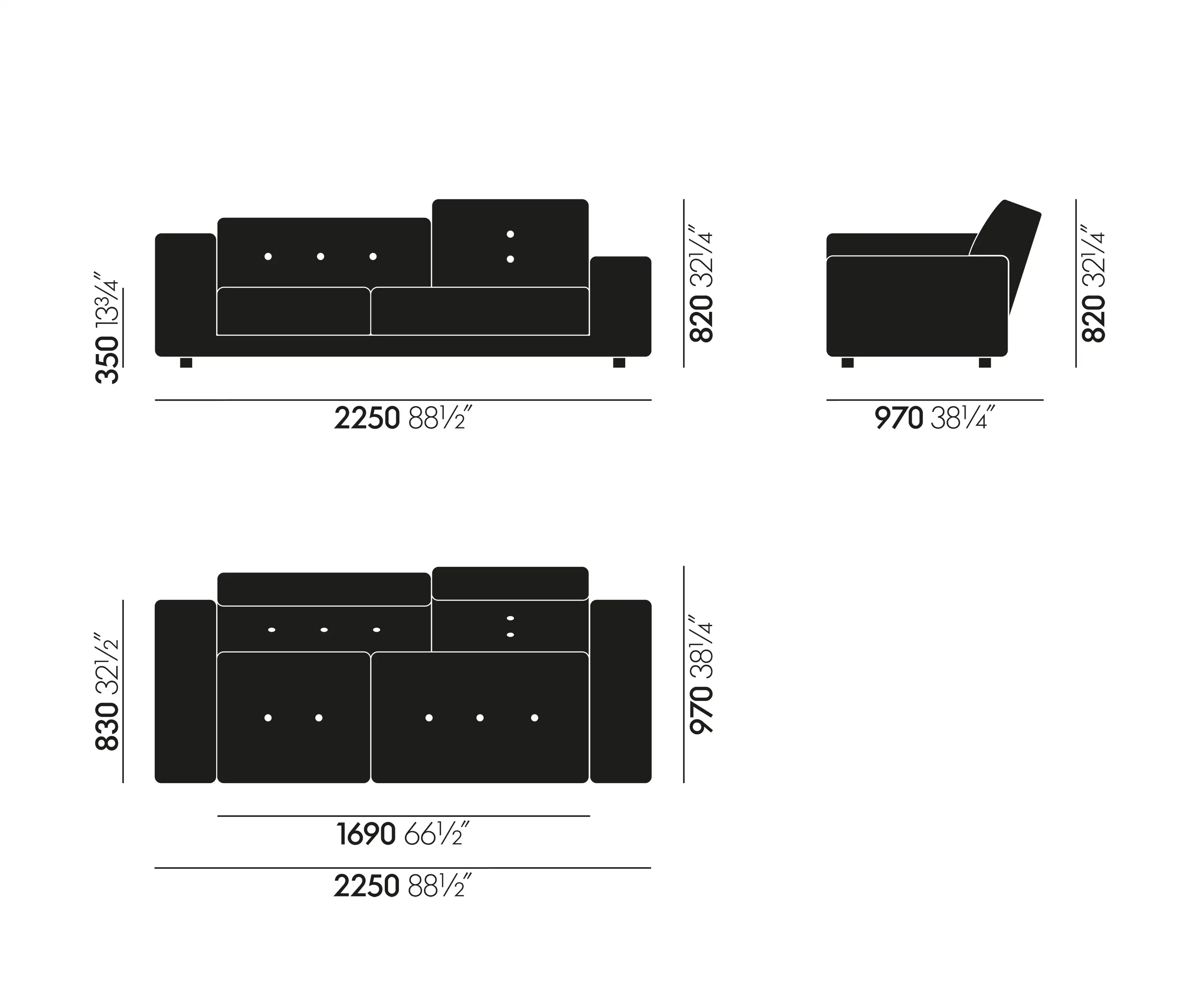
Specifications

Design files
69
Distributors
Designers

Hella Jongerius
Netherlands
Hella Jongerius’s research on colours, materials, and textures is never complete. All her questions are open-ended, and all her answers provisional, taking the form of finished and semi-finished products. These are part of a never-ending process, and the same is essentially true of all Jongeriuslab designs: they possess the power of the final stage, while also communicating that they are part of something greater, with both a past and an uncertain future. The unfinished, the provisional, the possible – they hide in the attention for imperfections, traces of the creation process, and the revealed potential of materials and techniques. Through this working method, Jongerius not only celebrates the value of the process, but also engages the viewer, the user, in her investigation.


