


Contact details
Send a message
Call us
Distributors
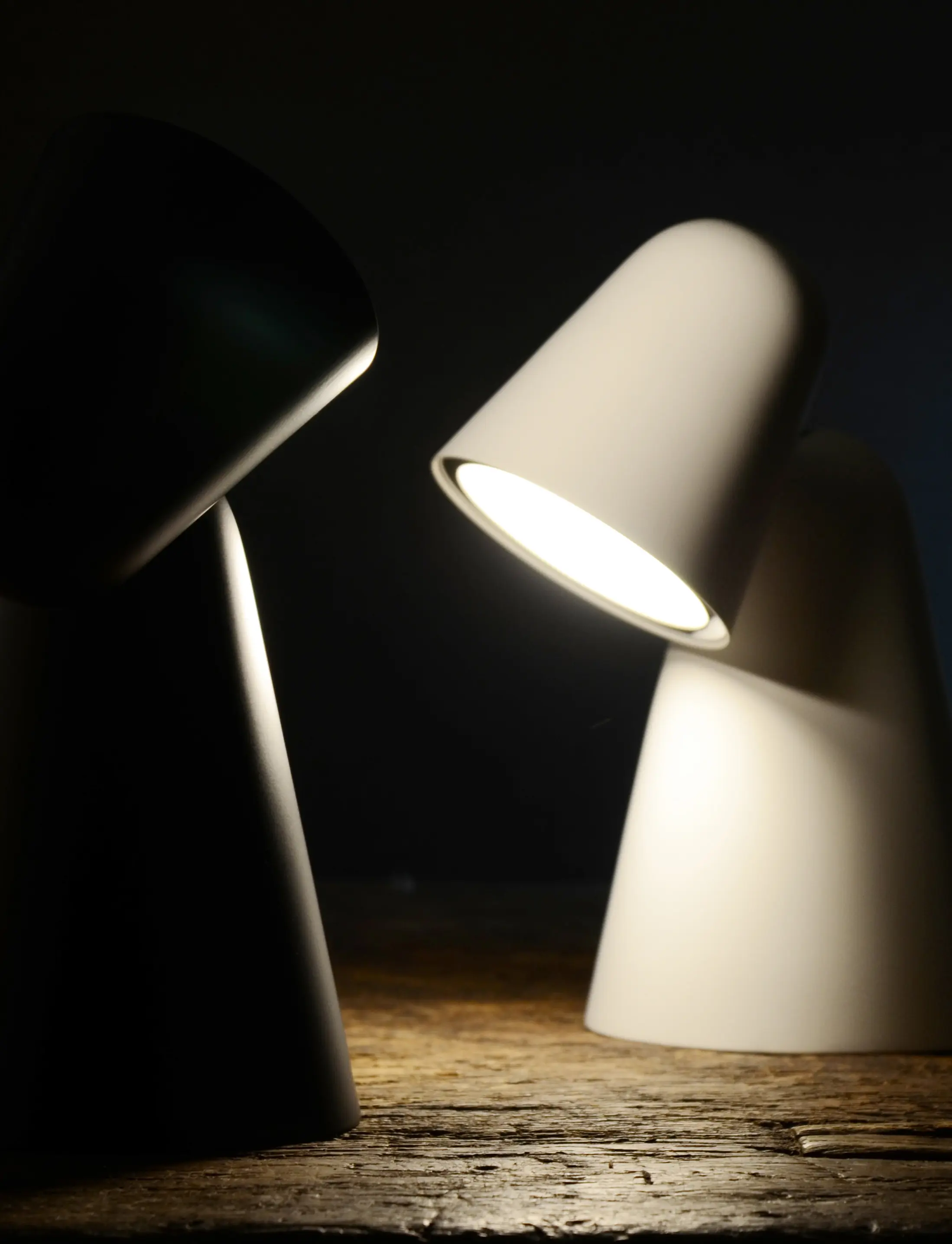
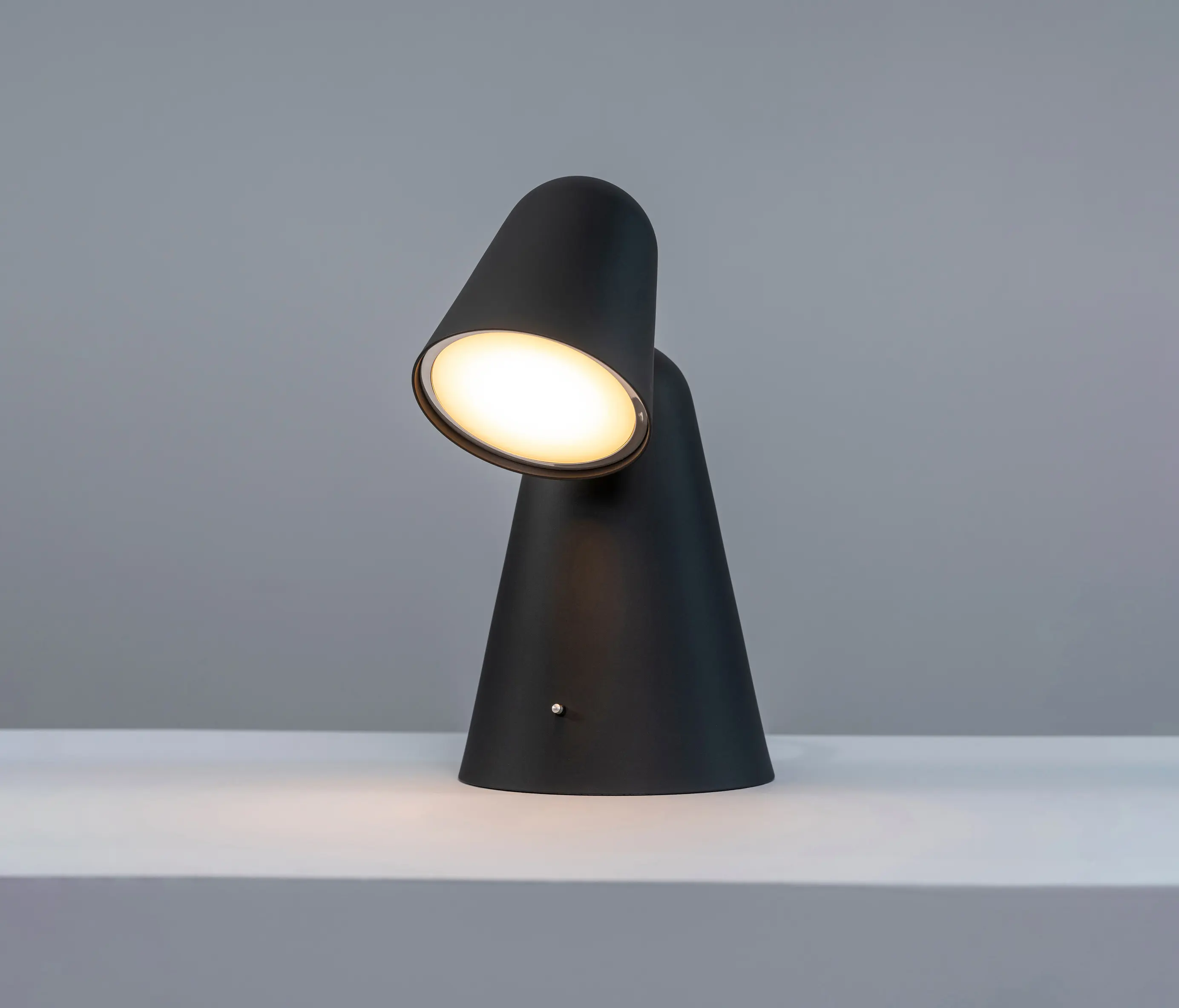
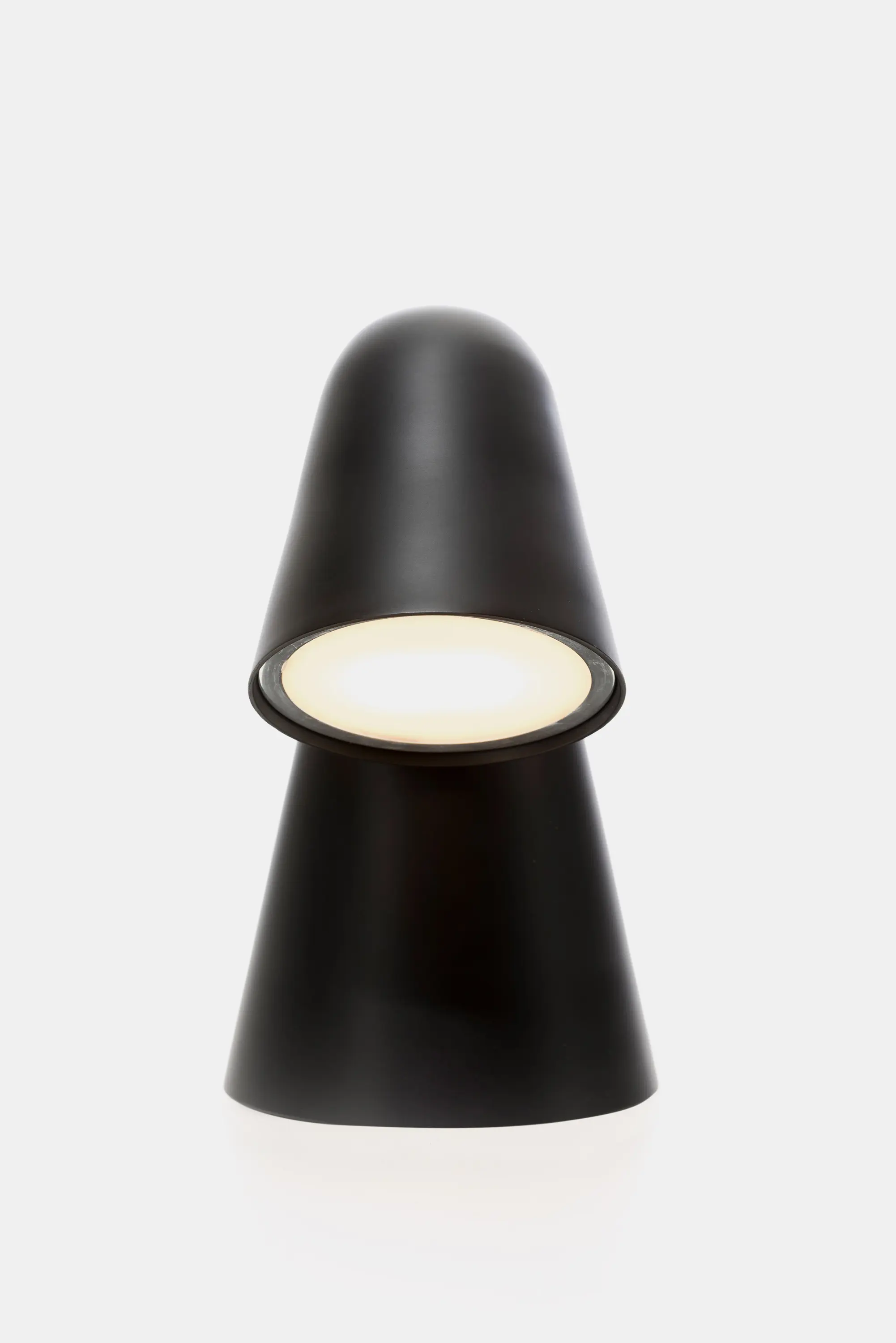

Peppone Table
Architonic ID: 1298923
Meet PEPPONE, the perfectly sized table lamp that complements your bedside table, side tables, small desks, shelves, and windowsills with effortless charm. Defined by two cones, the unique design lends PEPPONE Table a distinct and personal look while offering maximum adjustability of the light to suit your needs.
Material: Aluminium
Finishes: Black Matte, White Matte, Seasonal Colour
Light Source:
Standard Version: LED 2,4 W, 350 mA, ca. 420 lm, CRI > 90, Warm White 2700 K
Dimmable Version: LED 6,3 W, 700 mA, ca. 750 lm, CRI > 90, Warm White 2700 K
Energy Efficiency: A
Other: Head Turns and Rotates, Transparent Cable with Cord Switch, Dimmable Version with Fabric Covered Cable and Touch Dimmer
Concept
The iconic shape makes PEPPONE a faithful little companion. The body language is charming and the compact size fits everywhere. The adjustable head allows for fundamentally different effects and gives PEPPONE a versatile character.
• Compact Size
• Iconic Shape
• Charismatic Body Language
• Serves Light Wherever Needed
• Adjustable Head Allows Fundamentally Different Effects
• Design and Design Int. Award
• Design by Benjamin Hopf
This product belongs to collection:
Aluminium, Metal
You can visit the product page for these variants—just click on them!

Germany
Benjamin Hopf was born 1971 in Hamburg, Germany. After graduating from High School in 1990 he moved to the USA and studied Design at the Miami International University of Art & Design. In 1992 Benjamin moved back to Germany where he continued studying Industrial Design at the Polytechnic University, Munich. In 1996 he worked for a year at Siemens-Design (now Design Affairs). In 1998 he finished University with a MA in Design. While still in his final year, Benjamin co-founded the Design Studio Büro für Form together with Constantin Wortmann. The focus of the Studio was on Lighting-, Furniture-, Interior-, Industrial-, Product- and Grafic-Design. They worked for international clients like Osram, Serien Lighting, Vibia, Next, Elmar Flötotto (now Authentics), Ycami, Habitat, Kundalini, Umbra and many others. Their work has been rewarded with many international Design Awards. In 2007 Benjamin decided to leave Büro für Form to open his own Design Office Studio Benajmin Hopf. Parallel to his own studio he then established in early 2008 his own Lighting Label Formagenda, which he successfully operates till this day . With his sympathetic nature and exceptional work, Benjamin is the kind of artist who significantly contributes to Munich's reputation as a young and creative Metropolis. From Vogue to Wallpaper, his work has appeared in almost every major high-gloss magazine. Countless exhibitions around the world such as at The Victoria & Albert Museum and Harrods in London as well as the Pinakothek der Moderne in Munich, the Cooper Hewitt National Design Museum in New York or the Rocket Gallery in Tokyo show his Designs. Benjamin Hopf lives and works in Munich. Summary: 1971 born in Hamburg, Germany on May 12th 1977 School Education 1990 Highschool Graduation 1991 University: Industrial Design at Miami International University of Art & Design 1993 University: Industrial Design at Polytechnic University, Munich 1996 Freelancing at Siemens Design (now Design Affairs) 1998 Graduation from University with a MA Degree 1998 Co-founding Design Studio “Büro für Form“ together with Constantin Wortmann 2007 Founding Design Office “Studio Benjamin Hopf“ 2008 Founding Lighting Label“Formagenda“ with Oliver v. Schmarsow 2013 Taking full Ownership of Formagenda Design Awards: German Design Award ’17 German Design Award ’16 Design & Design Award ’16 Design & Design Award ’15 Interior Innovation Award ’15 German Design Award ‘08 Design Plus Award ‘08 German Design Award ‘06 IF Award ‘05 Design Plus Award ‘04 Form Award ‘03 Design Ranking German Top 100 ‘02 Form Award ‘01 Design for Europe - Best Lighting ‘00 IF-Award - Best of Category Form Award ‘00 SMI , Switzerland ‘00 Design Award Neuenkirchen ‘99 Bonaldo Design Contest ‘99 Designale ‘98 Nachlux ‘97 HEWI Innovation Award ’97