Share
1/7


Orcus
Help me find it
About this product
Architonic ID: 1070056
Year of Launch: 1995
Concept
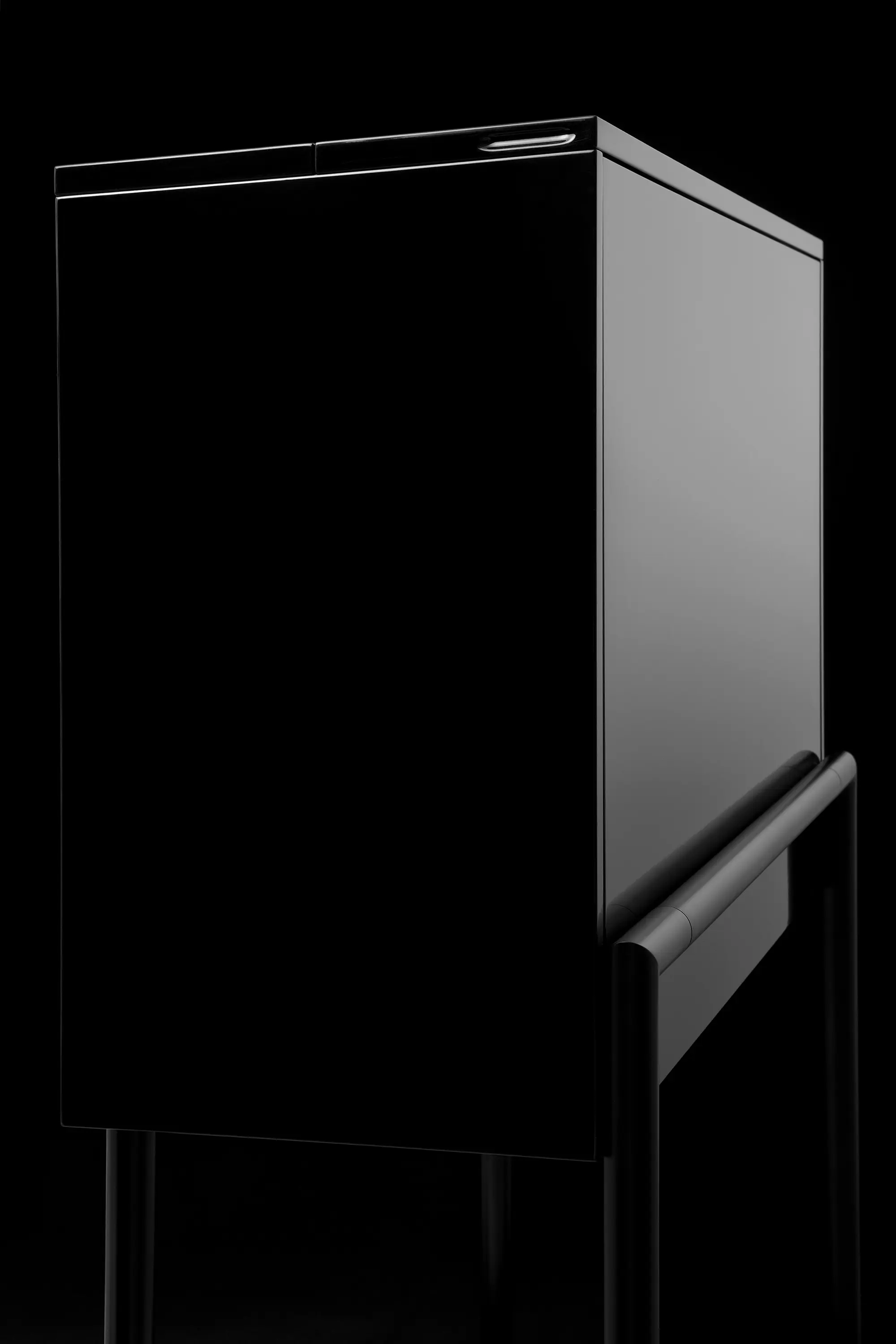
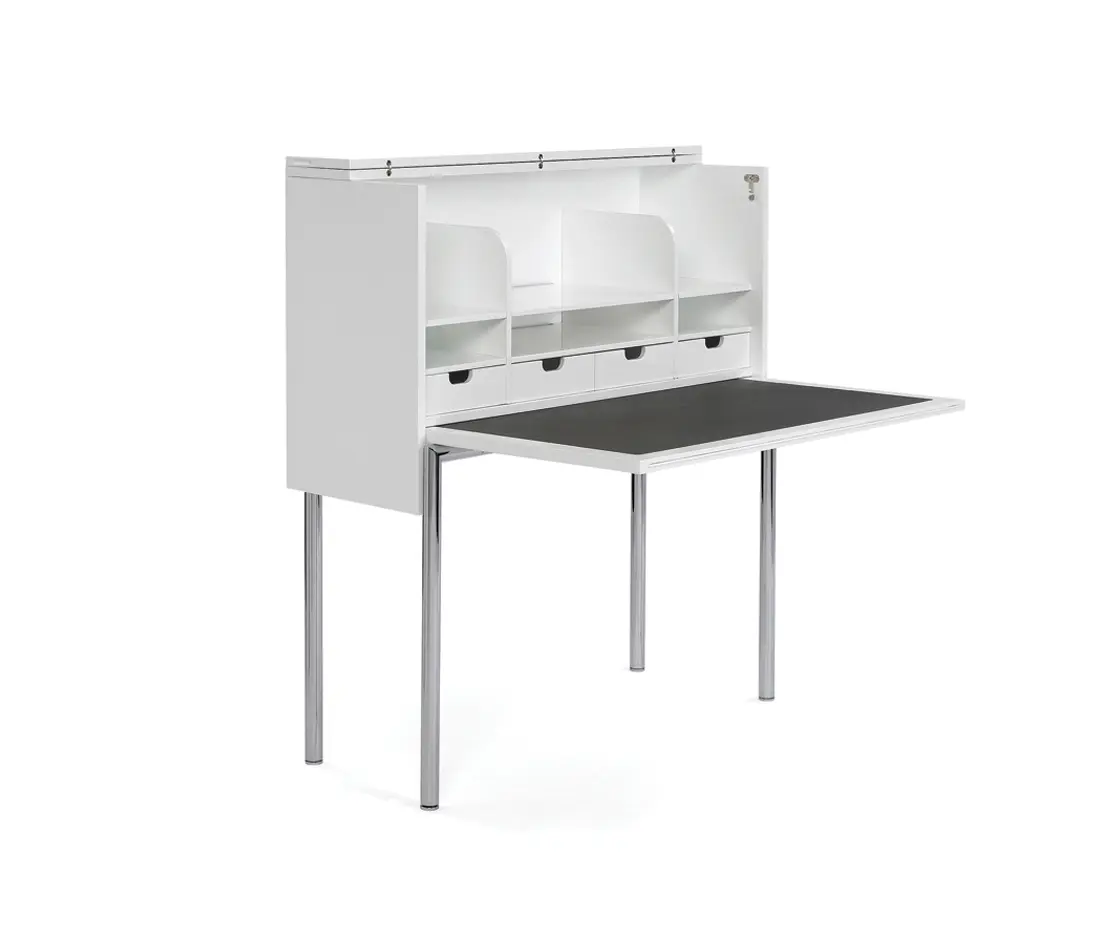
In this day and age when managers have gigantic desks, a secretary desk is a conscious declaration of individuality. Konstantin Grcic employed this aspect masterfully when designing Orcus. The reserved, almost demure lines convey a contemplative peacefulness. The writing surface of leather is a sensual pleasure for hand and eye. Nevertheless allowances have been made for electric cables for lamp or a PC.
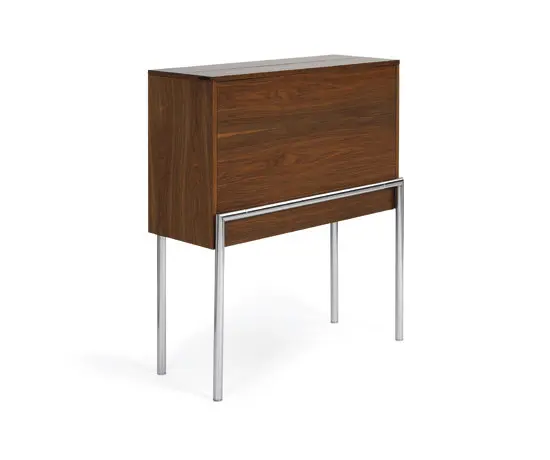
Base of chromium-plated steel tubing. Lockable body in MDF, real-wood veneered in walnut or high-gloss lacquered finish in white.
Fold-out worktop with bend leather desk pad. Four drawers including a secret compartment. Height-adjustable metal gliders.
This product belongs to collection:

Specifications
Material
Base metal, Metal, Tabletop engineered wood, Wood
Design files
9
Distributors
Designers

Profile Konstantin Grcic (*1965) was trained as a cabinet maker at The John Makepeace School (Dorset, England) before studying Design at the Royal College of Art in London. Since setting up his own practice Konstantin Grcic Industrial Design (KGID) in Munich in 1991, he has developed furniture, products and lighting for some of the leading companies in the design field. Amongst his renowned clients are Authentics, BD Ediciones, ClassiCon, Flos, Flötotto, Laufen, Magis, Mattiazzi, Muji, Nespresso, Plank, Serafino Zani, Thomas-Rosenthal and Vitra. For Galerie kreo in Paris, he has created a number of limited edition pieces since 2004. Many of his products have received international design awards such as the prestigious Compasso d`Oro for his MAYDAY lamp (Flos) in 2001 and the MYTO chair (Plank) in 2011. Work by Konstantin Grcic forms part of the permanent collections of the world´s most important design museums (a.o. MoMA/New York, Centre Georges Pompidou/Paris). Konstantin Grcic has curated a number of significant design exhibitions such as DESIGN-REAL for The Serpentine Gallery, London (2009), COMFORT for the St.Etienne Design Biennale (2010) and BLACK2 for the Istituto Svizzero, Rome (2010). In 2012 he was responsible for the exhibition design of the German Pavillon at the 13th Architecture Biennale in Venice. Solo exhibitions of his work have been shown at the Museum Boijmans Van Beuningen (Rotterdam, 2006), Haus der Kunst (Munich, 2006), The Art Institute of Chicago (2009) and most recently at the Vitra Design Museum (Weil am Rhein, 2014). The Royal Society for the Encouragement of Arts, Manufactures and Commerce (RSA) appointed Konstantin Grcic "Honorary Royal Designer for Industry (Hon RDI)", in 2010 he was fellow at Villa Massimo in Rome. Design Miami/ arwarded him the title "2010 Designer of the Year". Konstantin Grcic defines function in human terms, combining formal strictness with considerable mental acuity and humour. Each of his products is characterized by a careful research into the history of design and architecture and his passion for technology and materials. Known for pared-down pieces, Grcic is often called a minimalist but the designer himself prefers to speak of simplicity.


