Share

1/25

Blu Ponti Decoro Tipo 23
Share
- Home/Ceramic tiles/
Blu Ponti Decoro Tipo 23
About this product
Architonic ID: 20099891
SKU: FDMDT23BP201
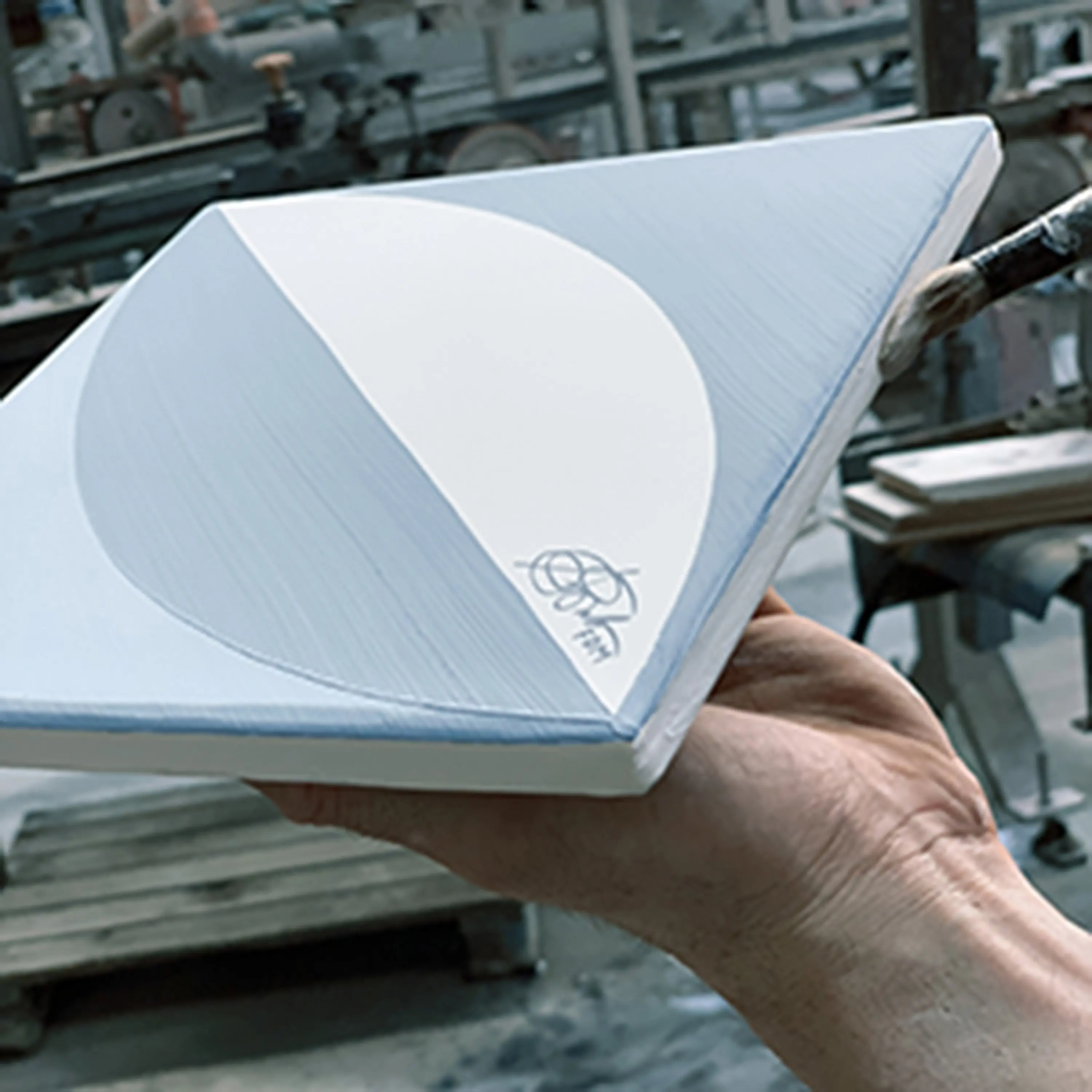
Blu Ponti Collection: 33 white and blue decors with geometric and naturalistic motifs, designed by Gio Ponti between 1960 and 1962 for the Hotel Parco dei Principi in Sorrento, produced and sold as a worldwide exclusive by Ceramica Francesco De Maio. Majolica tiles in 20x20cm size and 12,5 mm thick, faithfully reproducing the glaze, the colours, the decorations and the thickness of the original tiles of the ‘60s. Rigorously hand-painted according to the ancient technique of hand-made decoration to merge the craftsmanship, the territoriality and the design to emphasize the true Made in Italy.
Material: hand-decorated double-fire tiles (also available in handmade cotto, stoneware and anti-slip, if requested)
Francesco De Maio production: handicraft (double-fire and cotto handmade) and Industrial (stoneware and anti-slip)
Finishing: Smooth
Sizes: 20x20cm- 53x53cm
Thickness: 12,5 mm- 12mm
Composition: 1pcs
Complementary pieces: Blu Ponti Collection can be combined with Pennellati a Mano in various colours and sizes.
Colours: Bianco, Azzurro, Blu. Blu Ponti is sold in box of 25 (or 4) decors in the 20x20cm (or 53x53cm) sizes each for a total of 1mq (or 1,12mq).
Intended use: internal and external (stoneware and anti-slip) walls and floors, domestic and non-domestic environments.
Technical features: Resistant to sudden temperature changes (stoneware and anti-slip), easy to clean.
Concept
The colours of the sky and of the sea in the Blu Ponti Collection that, between 1960 and 1962, Gio Ponti realized to cover, with different combinations, the floor of the lobby and of the hundred rooms of the Hotel Parco dei Principi in Sorrento, the first design hotel in the world. The Ceramica Francesco De Maio was chosen by Ponti’s heirs as the exclusive licensee for the re-edition of the 33 white and blue decorations and now, almost 60 years later, it still produces and sells the Blue Ponti Collection, as a worldwide exclusive. Such a faithful reproduction of Blu Ponti majolica glaze, colours, decorations and thickness, as it used to be in the '60s, that has awarded Ceramica Francesco De Maio with the valuable use of the signature of the architect, an advocate of the industrial design and great appreciator of craftsmanship. The prestigious signature of Gio Ponti, architect, designer and Italian essayist, still one of the most important people of the international scene and among the greatest of the twentieth century, can be found on the ceramic tiles of this Italian company, which is nowadays a world excellence. In Salerno (southern Italy), the great designer realized some prestigious collections, inspired by specific shapes and a certain design content. There, he studied the renewal of the ceramic language and, emphasizing the local context through colours and geometric and naturalistic lines, he created the famous Blu Ponti majolica tiles. A continuity between the past ceramic tradition, the present and future one through craftsmanship, territoriality and a real Made in Italy design.
HAND-DECORATED CERAMIC TILES
This product belongs to collection:

Specifications
Color
Colour blue, Colour multicoloured
Material
Ceramic, Stoneware (vitreous)
Design files
7
Designers

Gio Ponti
Italy
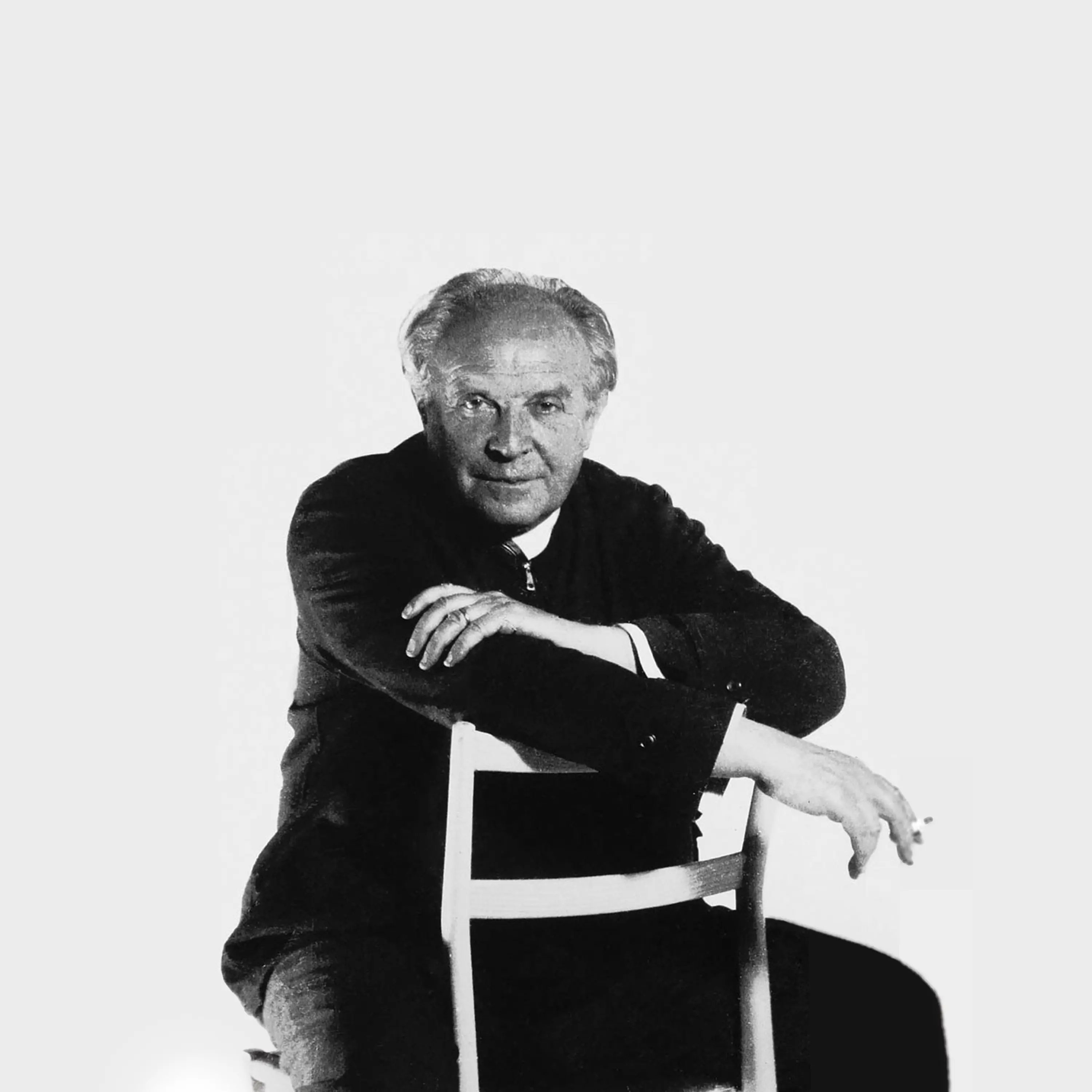
Gio Ponti was an icon of the modernist movement: the Italian designer, architect, artist and publisher contributed significantly to the worlds of architecture and design with his extensive work in fine furniture and ceramics, education, office and residential buildings, and everything in between. He is considered by many to be the father of modern Italian design. Gio Ponti: a biography Giovanni, known was Gio, Ponti was born in 1891 in Milan. It was there that he spent his childhood, and in 1921 he began to study architecture at the Politecnico di Milano. From 1923 to 1930 he served as the artistic director of the Richard-Ginori porcelain factory. In 1927, Ponti started his first architectural office, together with Emilio Lancia, and in 1928 he started the magazine Domus, which is still regarded as one of the most influential European magazines for architecture and design. He was also very influential during the period as a curator of the Milan Triennale. After his collaboration with Emilio Lancia had come to and end, upon completion of the Torre Rasini, he began to work as an architect together with the engineers Antonio Fornaroli and Eugenio Soncini. It was during this period that Ponti designed many of his most famous buildings, such as the Institute of Mathematics of the University of Rome, the Primo Palazzo Montecatini, the Casa Marmont and Villa Donegani in Bordighera. The most well-known of his architectural works is the Pirelli Tower, which Gio Ponti completed in his hometown of Milan in 1956. He continued to work well into his eighties, completing such impressive works as the Concattedrale Gran Madre di Dio in Taranto and the Denver Art Museum. Gio Ponti died in Milan on 16 September, 1979 having produced countless pieces of furniture, ceramics and thousands of other objects throughout his life. The Superleggera Chair by Gio Ponti In 1957, Gio Ponti designed his most famous piece of furniture, the Superleggera chair, for the manufacturer Cassina. The ‘ultra-light’ chair was an update on the traditional chairs that were produced in the Ligurian factory. They continue to be in great demand due to their simplicity and functionality, and to this day, the Superleggera chair with its sleek, understated shape is one of the most common chairs found in Italian restaurants. Gio Ponti’s Coffee Tables and Other Furniture In 1931, Ponti became artistic director of the design manufacturer FontanaArte, going on to design numerous objects for the company. Among the furniture pieces Ponti created were coffee tables such as the Tavolino 1932 coffee table, as well as many lamps, such as the Pirellone, the Pirellina, and Bilia lamps. Gio Ponti: architecture and design philosophy Ponti’s architecture and design embodied the Italian dolce vita. Influenced by his early work in ceramics, Ponti took responsibility for the design of every aspect of his buildings, including their interior design, lighting, and even glass and silverware. Gio Ponti broke through borders and traditions, choosing instead an interdisciplinary approach which combined design, art, craft and architecture. His fascination for a wide range of styles is evident from his designs for a wide variety of manufacturers, including Cassina and FontanaArte. © by Architonic


