Share
1/13
About this product
Architonic ID: 1084619
Year of Launch: 2009
Size: W 195cm x D 80cm x H 98cm
Seat height: 44cm
Concept
Edgar Kaufmann Jr., a prolific art collector and director of the Industrial Design Department at the Museum of Modern Art in New York, introduced Finn Juhl to the American design circles. During a trip to Denmark, he became so fascinated by Finn Juhl’s artistic take on furniture design that he invited him to the United States.
In 1949, Kaufmann Jr. wrote an article about Finn Juhl in the magazine Interiors, which caught the attention of Mr. Hollis Baker, a furniture manufacturer from Michigan. Hollis Baker invited Finn Juhl to design a modern furniture collection for him. These events marked the beginning of what later on became known as Danish Modern, which started an export boom for Danish design to the United States.
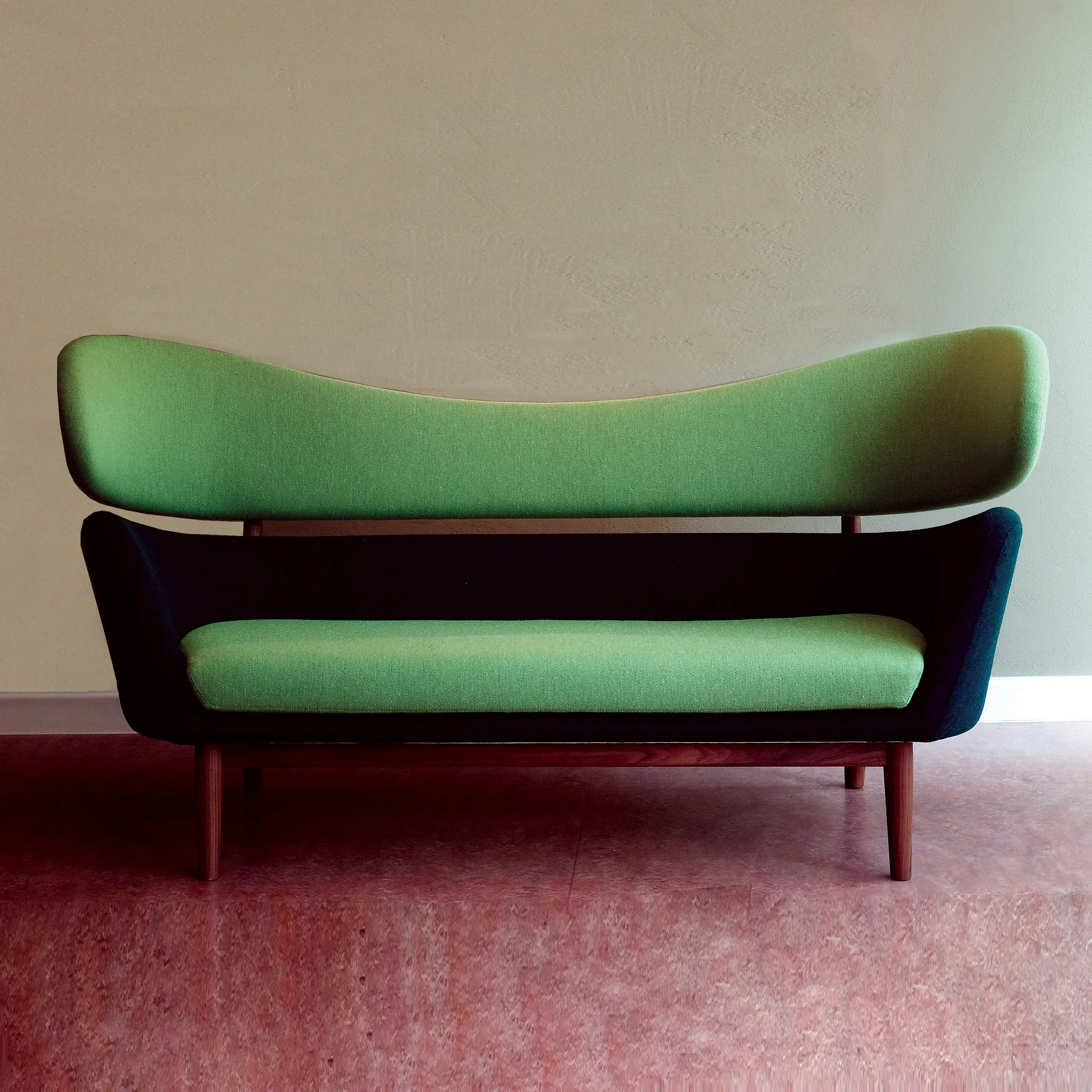
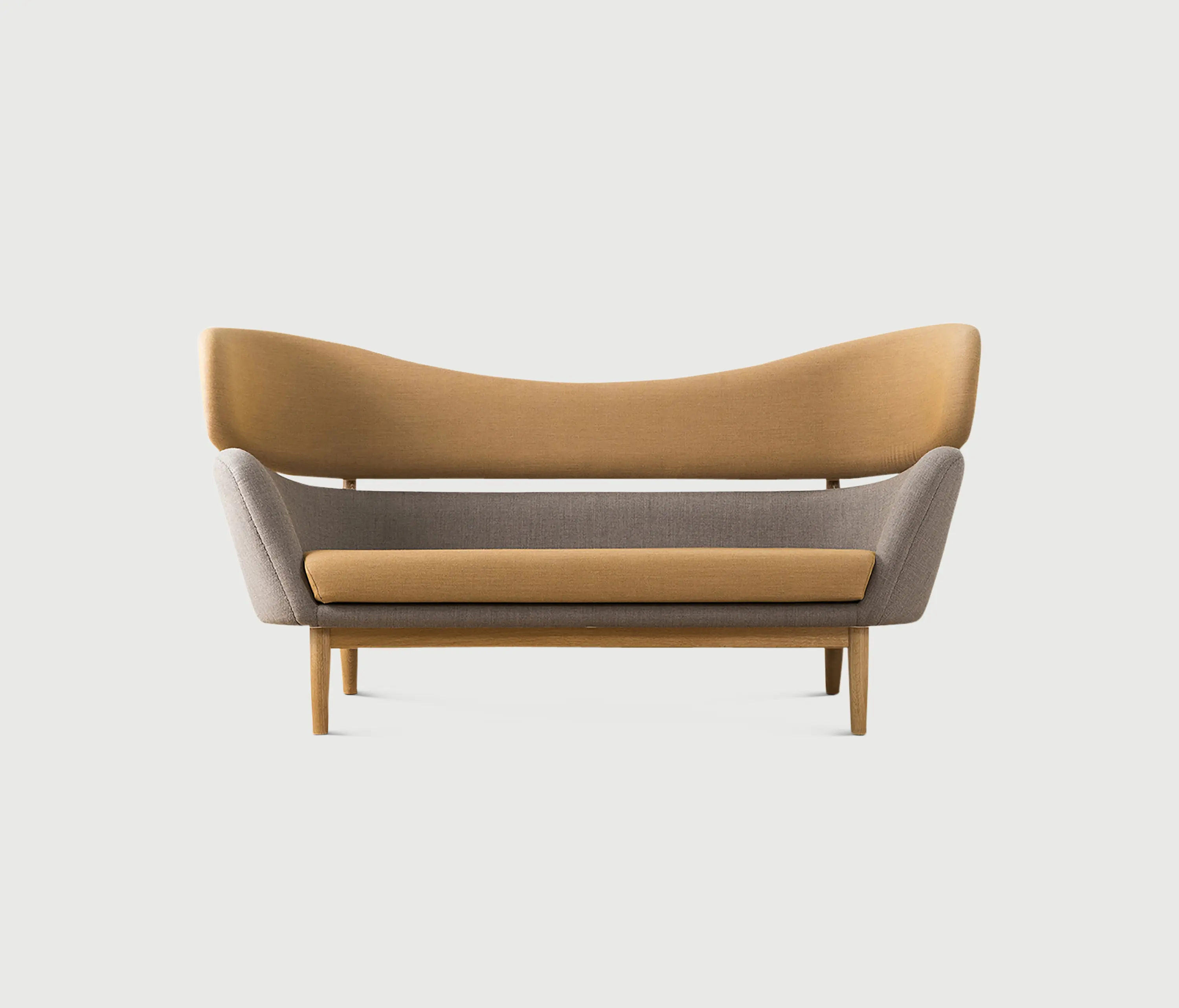
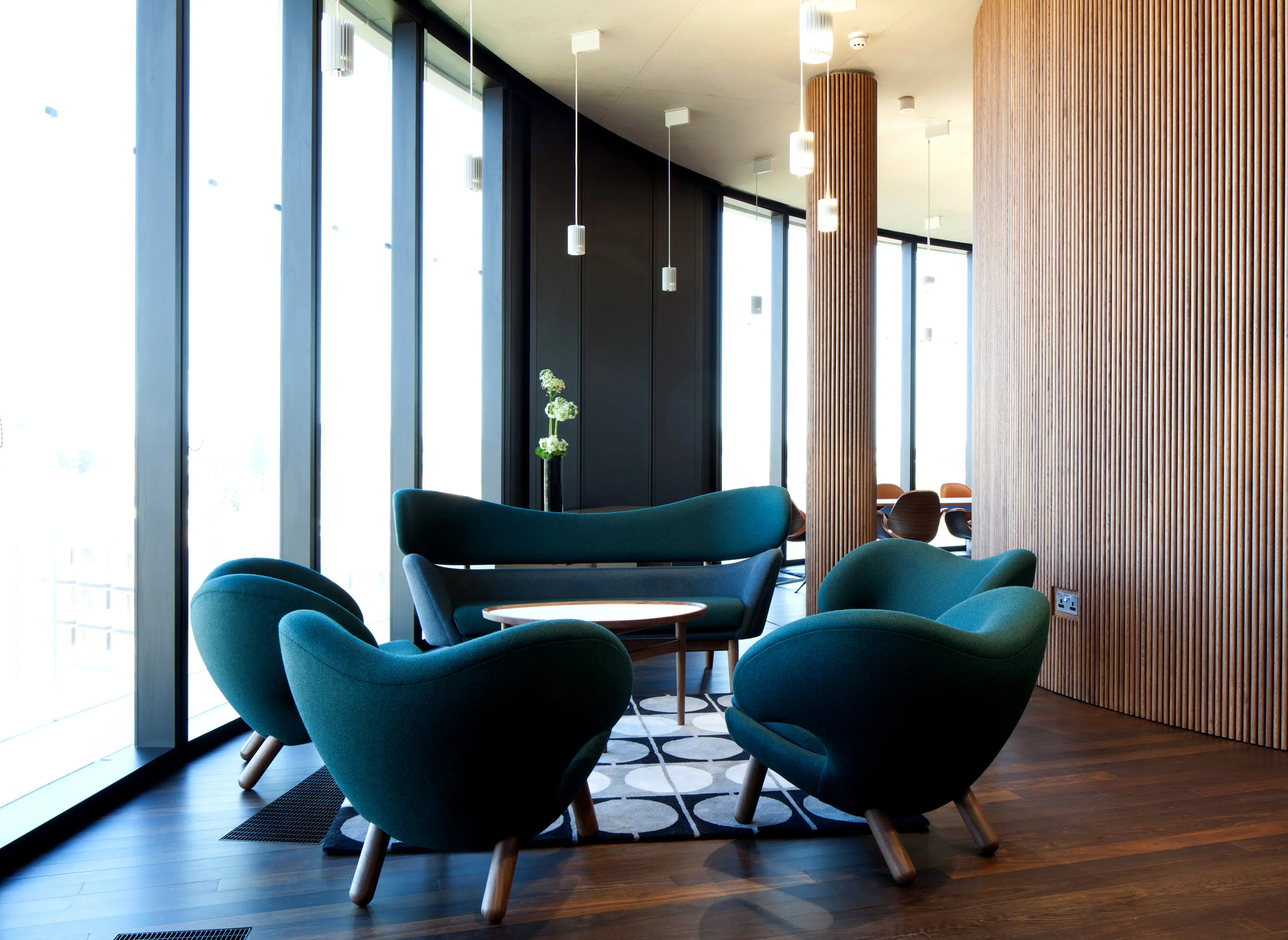
The sculptural Baker Sofa with its two-piece backrest became Finn Juhl’s American debut.
The Baker Sofa is masterfully manufactured with a wooden frame in teak, oak or walnut. The upholstery is all handsewn in fabric or leather, with springs in the cushion, providing maximum comfort and durability.
This product belongs to collection:

Specifications
Material
Base solid wood, Wood
Design files
2
Distributors
Designers

Finn Juhl
Denmark
The Danish designer, architect, and interior architect Finn Juhl is today primarily known for his furniture designs, despite his contributions to all three fields. He is one of the most prominent Scandinavian furniture designers, and, along with Arne Jacobsen, one of the most important representatives of Danish design. Finn Juhl: a biography Finn Juhl was born 30 January 1912 in Frederiksberg. Under pressure from his father, he went to study architecture at the Royal Danish Academy of Fine Arts in Copenhagen from 1930 to 1934. Subsequently, he worked with the renowned architect Vilhelm Lauritzen, who himself contributed significantly to Danish architectural modernism. Juhl then began to teach interior design at his alma mater in Copenhagen, and soon after that founded his first design studio. In the 1940s, he also taught at the Frederiksberg Technical School and so began to influence the next generation of designers through his tutelage. In 1942, Juhl designed a house for himself, which is still known simply as Finn Juhl's House. In 1951, Juhl made his debut in the United States at the Good Design Show in Chicago and also at the Museum of Modern Art in New York. In both 1954 and 1957, he received significant recognition for work he exhibted at the Milan Triennale. He was then given the task of designing several pieces of furniture for the Danish Embassy in Washington, D.C. and for the offices and aircraft interiors of Scandinavian Airlines. During the 1950s, Juhl was appointed the interior architect of the Trusteeship Council Chamber inside the New York headquarters of the United Nations, where he designed the chairs for the organisation's deputies. Other well-known designs by Juhl include a porcelain dinner set for Denmark's Bing & Grondahl, refrigerators for General Electric, and glassware for Georg Jensen. Finn Juhl: Poet Sofa The Poet Sofa was designed by Finn Juhl for his own house in 1941; Juhl designed the sofa along curving organic lines, with armrests which seem to softly embrace the sitter. The hand-stitched sofa became a design classic in the 1950s, when it was discovered in America during the Scandinavian design craze. Finn Juhl: 45 Chair Designed in 1945, the 45 Chair by Finn Juhl signified a break with existing traditions in chair design. The main feature of the design is the freeing of the seat and the backrest from the frame of the chair itself. The result is a simple, elegant and remarkable chair which brought Juhl enormous recognition, making him world-renowned and helping to popularise Danish design the world over. © by Architonic