Share
1/11
About this product
Architonic ID: 20039322
Year of Launch: 2012
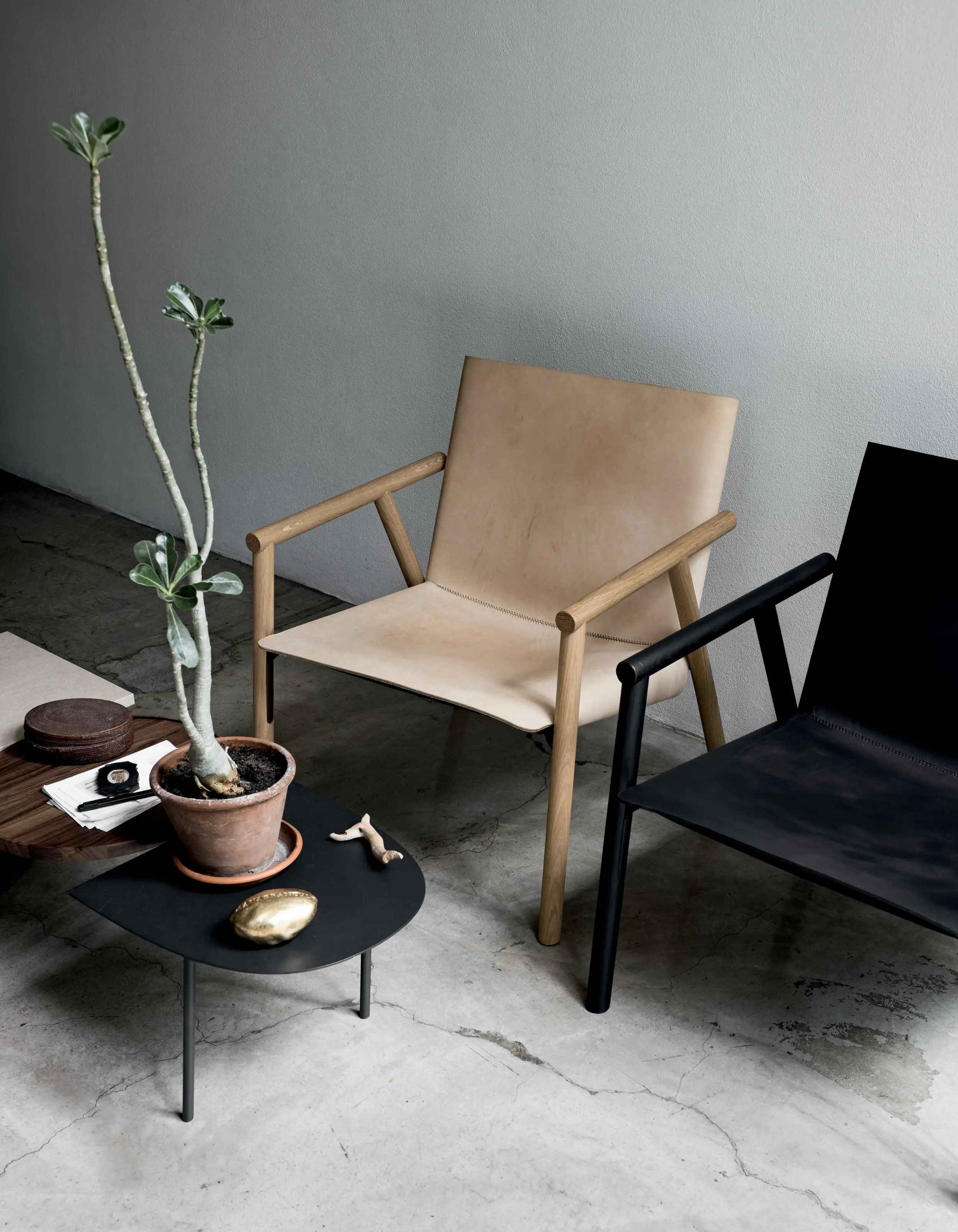
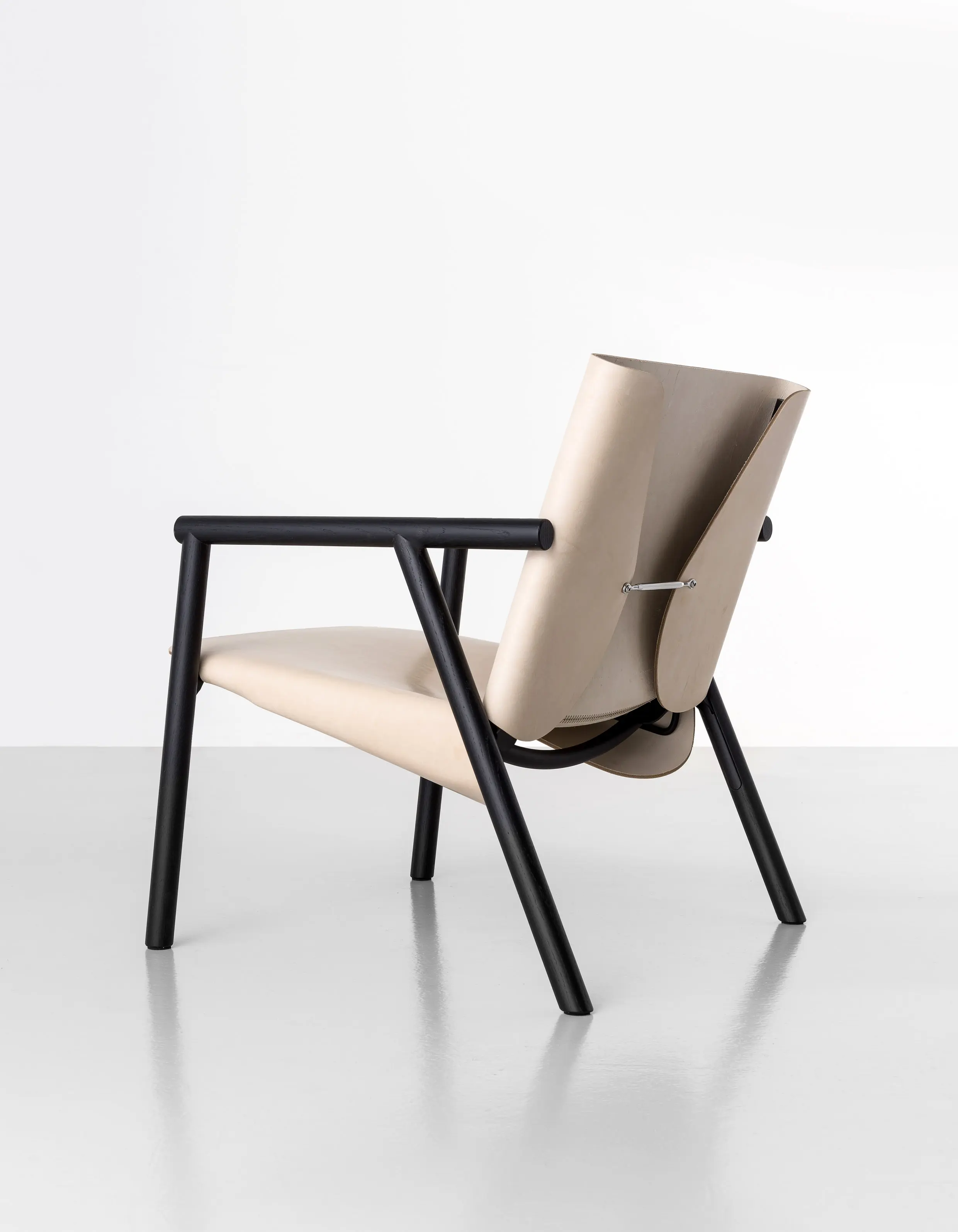
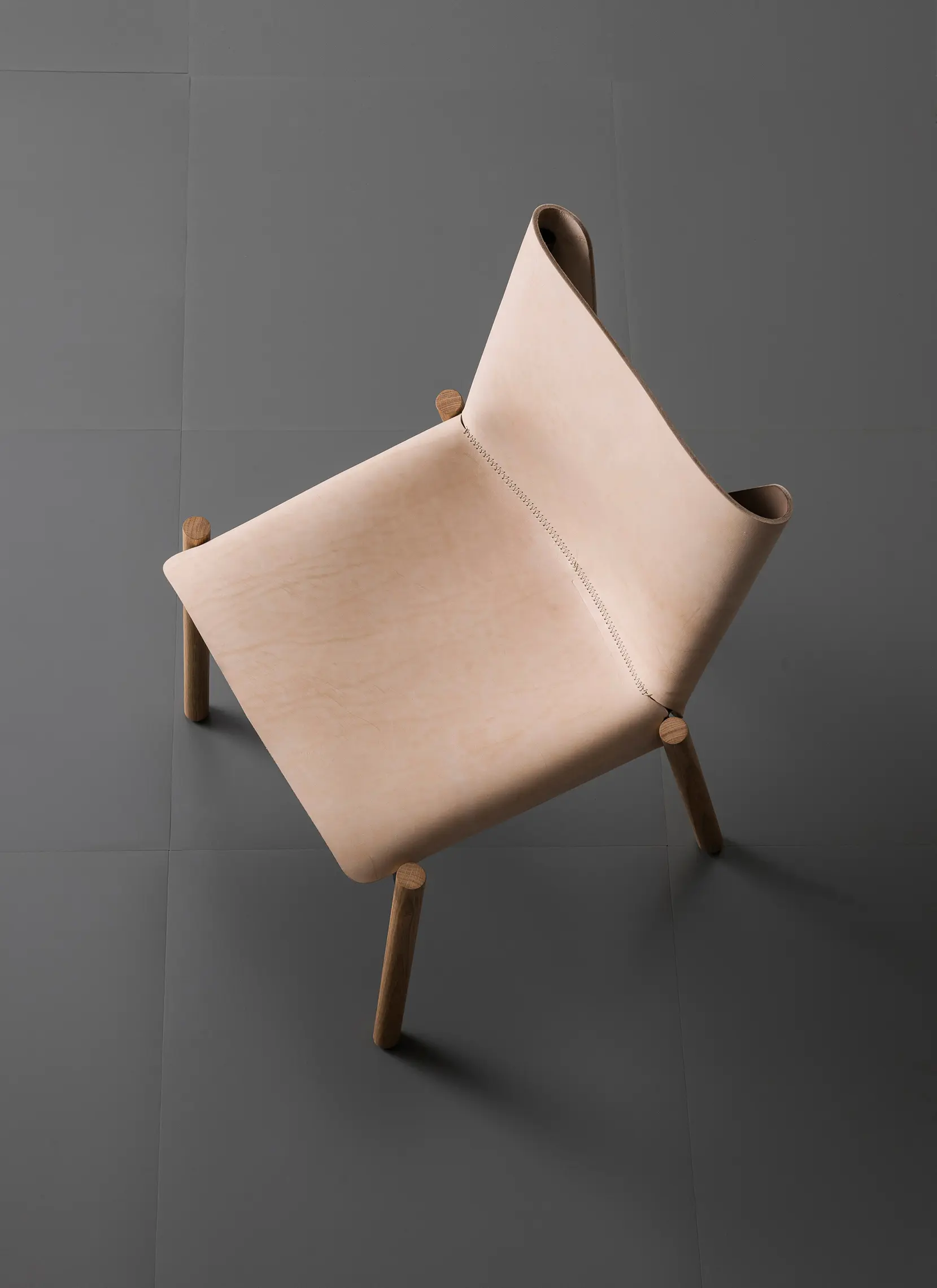
Artisan skills, the passage of time and the beauty of an unparalleled project. The 1085 Edition chair by Bartoli Design is inspired by the almost hundred-year-old experience of Presot®, the only tannery in Italy that still works leather using traditional methods. Not by chance is it linked to some of the most important names in Italian haute couture. However, it also draws on nautical know-how, as it adopts the tie rod mechanism to retain the tension that would naturally be lost over the years and with the softening of the leather. It also reflects time that passes, preserving the work of those who made it and those who use it day after day.
This fine object has the charm of a unique furnishing item. 1085 Edition is available in a chair or lounge version, in natural or black hide.
Concept
At a time in history when most of the industrial design world is following trends in anti-aging cosmetics and is trying to counteract even the healthy signs of aging, time is a precious resource, in a double sense, for the chair by Bartoli Design. Because it involves not only the use of a material- natural hide obtained by respecting all its characteristic properties- but also a process, used by Presot, a company which, since 1933, has been producing soles for leading Italian designer labels based on a centuries-old tradition. In its 80 years of history, the company has successfully adapted to new standards of technology, strongly and wholeheartedly retaining its authenticity. And because the project that lies behind this chair is powerful enough to challenge time: the hide will inevitably move, its texture will change and also its colour, but the chair will be the expression of this transition, preserving its functionality and performance over time. For this project, Bartoli Design gladly drew upon Presot’s experience in haute couture (the visible stitching is an explicit reference to that world) and upon the nautical sector, with its tie-rod device. This ensures that the tension, which would naturally be lost over the years and with the softening of the hide, remains strong. With great timing, the project arrives at a moment when the issues of traditional craftsmanship, Italian manufacturing and eco-friendly production are central to the concerns of those who make, produce and communicate design in Italy. But slogans aside, it tells a spontaneous story that is typically Italian, which has an almost casual origin, yet is rare in its authenticity and happy outcome: the successful encounter between the exploration of a company, the talent of a designer and the expertise of a producer.
This product belongs to collection:

Specifications
Material
Leather, Seat leather
Design files
4
Distributors
Designers

Bartoli Design
Italy
Bartoli Design, a team comprising Anna and Paolo Bartoli, continues the experience in design developed with Carlo Bartoli (1931-2020) through many partnerships with leading companies in the furniture sector along many years. The studio’s research explores elegance based on simplicity and balance. From concepts to product design, art direction and brand strategies, the studio’s activities embrace the full spectrum of design services. Bartoli Design also works on architecture, exhibition, interior and urban design. Combining creativity with a deep understanding of technologies and industrial processes, and of craftsmanship and artisanal techniques, Bartoli Design’s outcomes are best-selling, long-lasting products and award-winning designs. Carlo Bartoli exhibited his work in Italy and abroad: at the Triennale Design Museum in Milano, the Victoria and Albert Museum in London, the Stadt Museum in Cologne, as well as in New York, Prague, Hong Kong, Athens and Buenos Aires. The Gaia armchair is included in the design collection at the MOMA in New York and the Triennale Design Museum in Milano. The 4875 chair is on display in the design collection at the National Arts Museum of the Pompidou Centre in Paris.