Teilen
1/3

Saint-Germain
Teilen
- Startseite/Sofas/
Saint-Germain
Über dieses Produkt
Architonic ID: 20780638
Einführungsjahr: 2021
Struktur: Holz und Nebenprodukte
Rückenlehne: Aus bedrucktem flexiblem Polyurethan
Sitzkissen: Polyurethanschaum in unterschiedlichen Härtegraden
Unterbezug: Baumwollstoff und Feder
Bezug: Abziehbar aus Stoff oder Leder
Füße: Verstellbare aus lackiertem Metall
Rückenlehnekissen: Polyurethanschaum und Feder
Kopfstützekissen: Innen verstärkt und Feder
Konzept
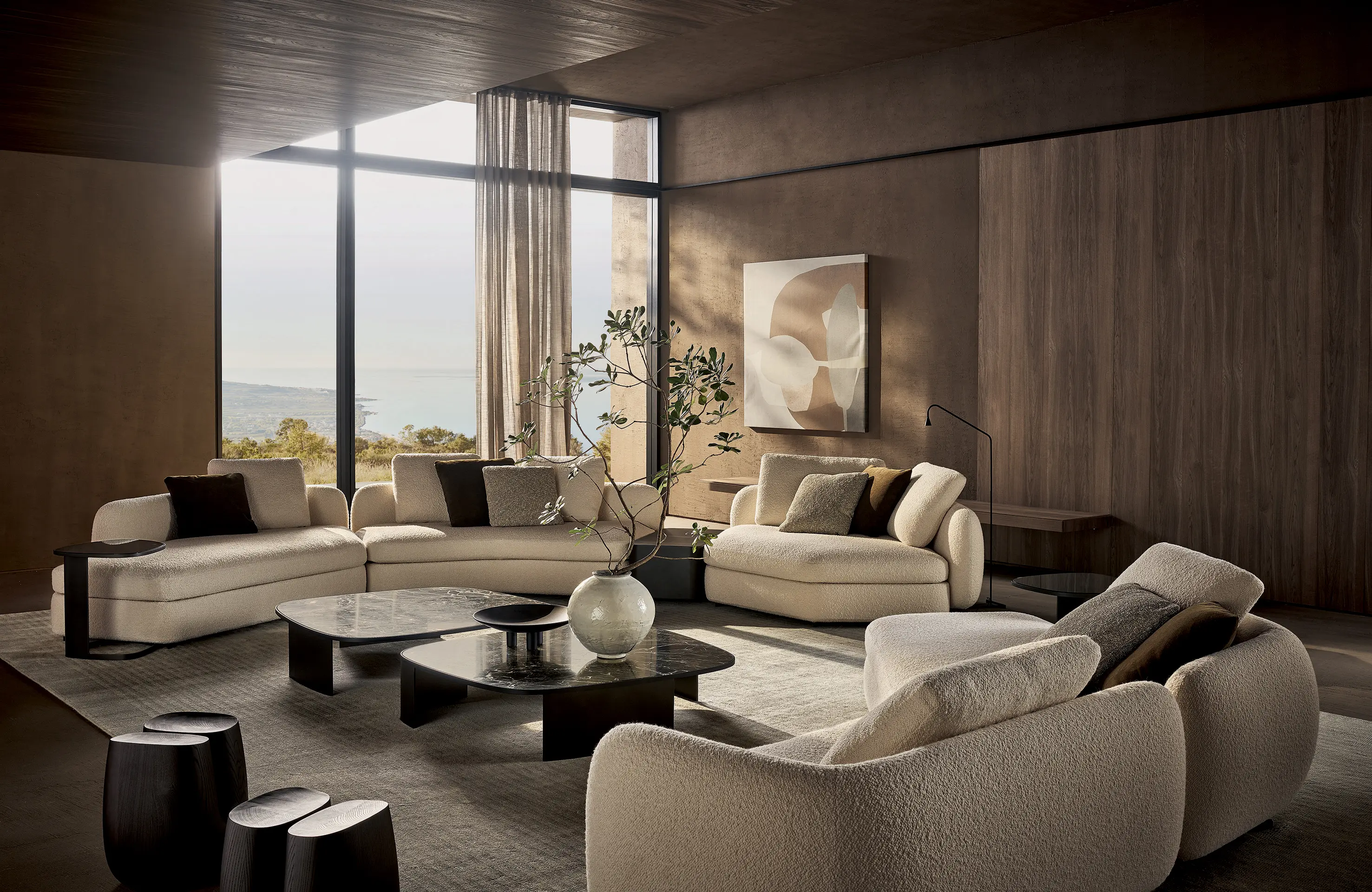
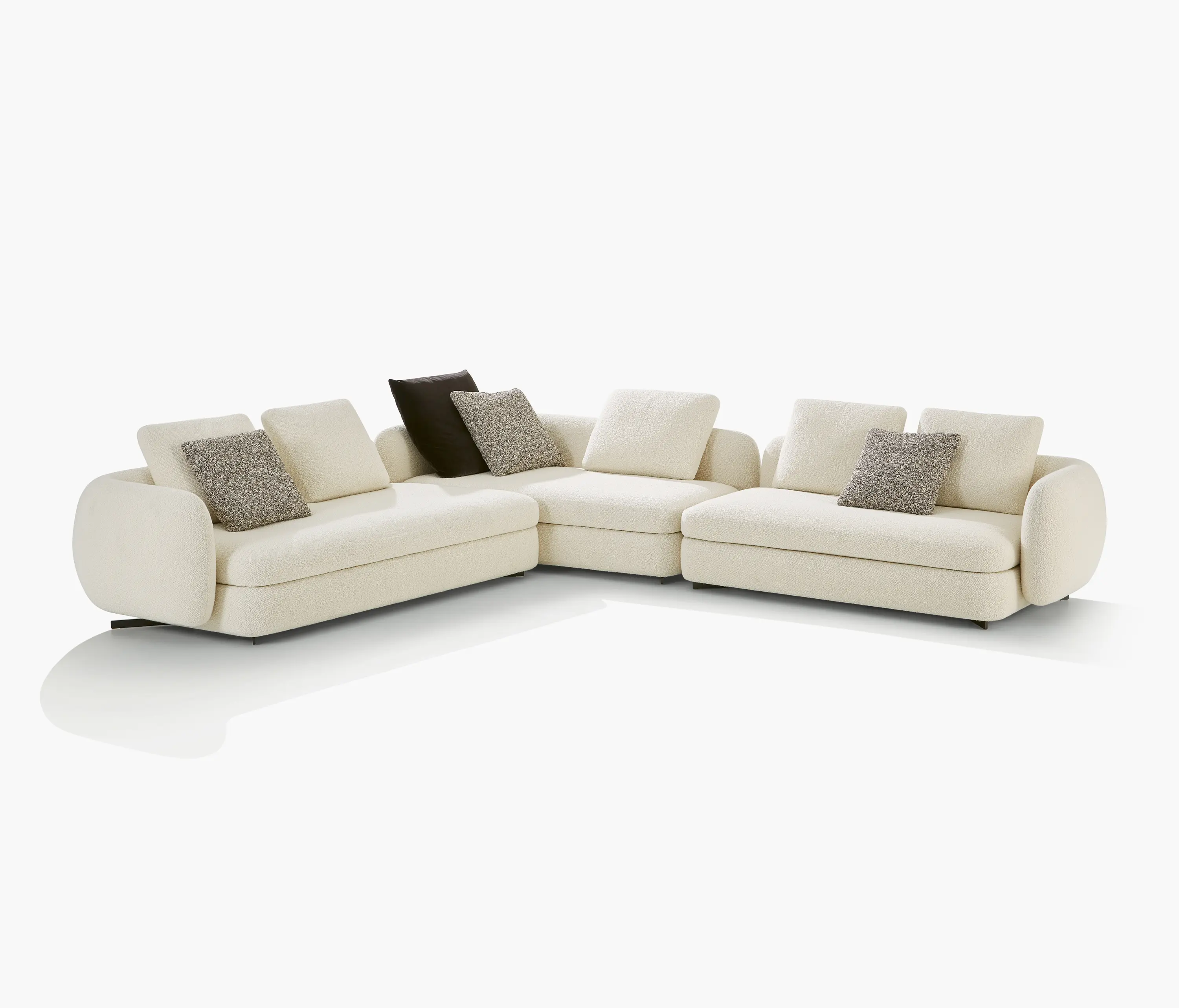
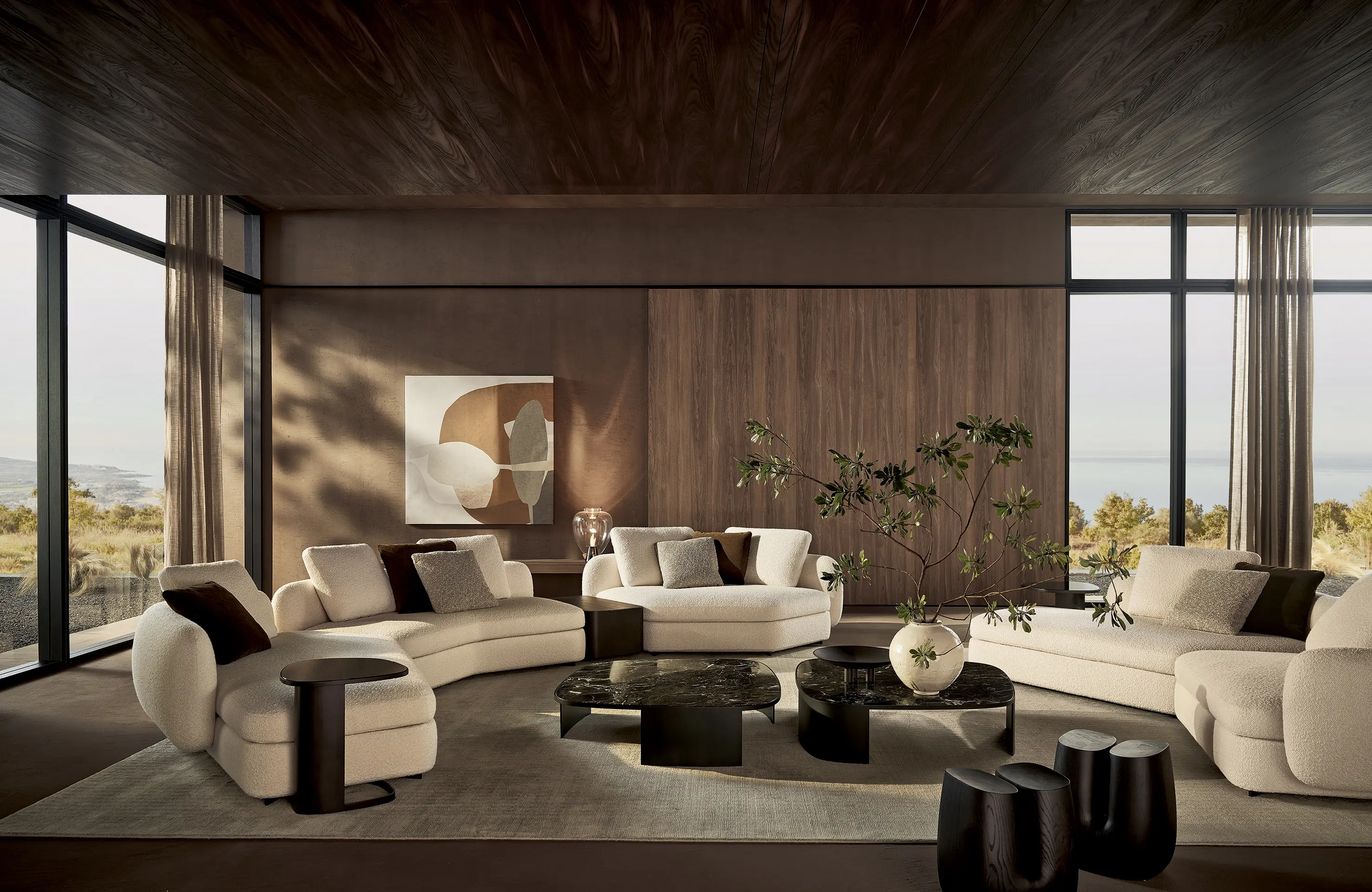
Saint-Germain ist ein Sofasystem mit geschwungenen und sinnlichen Formen. Inspiriert von organischen Formen, die an das Design der 70er Jahre erinnern, verwandelt es jeden Raum in eine warme und vertraute Landschaft und vermittelt ein angenehmes Gefühl von Wohnkomfort. Weiche und umhüllende Linien kehren in allen Elementen der Kollektion wieder, die verschiedene Module umfasst, mit denen lineare, eckige oder ungewöhnliche Formenkompositionen geschaffen werden können, die immer von Formen- und Tiefenspielen mit einer einladenden Erscheinung gekennzeichnet sind. Von der Haute-Couture-Textur von Bouclé-Stoffen bis hin zur zeitgenössischen Eleganz von Leder unterstreicht die Polsterung die vollen und üppigen Volumen von Saint-Germain und macht ihre Ästhetik transversal.
Dieses Produkt gehört zur Kollektion:

Produktdetails
Material
Untergestell Metall
Design-Dateien
1
Vertriebspartner
Designer

Studio Massaud
France
Since the beginning of his career (a 1990 graduate of Paris’ ENSCI-Les Ateliers, Paris Design Institute), Jean-Marie Massaud has been working on an extensive range of works, stretching from architecture to objects, from one-off project to serial ones, from macro environment down to micro contexts. Major brands such as Axor, Cassina, Christofle, Poliform, Toyota have solicited his ability to mix comfort and elegance, zeitgeist and heritage, generosity and distinction. Beyond these elegant designs, his quest for lightness – in matters of essence – synthesize three broader stakes: individual and collective fulfillment, economic and industrial efficiency, and environmental concerns. “I’m trying to find an honest, generous path with the idea that, somewhere between the hard economic data, there are users. People.” His creations, whether speculative or pragmatic, explore this imperative paradigm: reconciling pleasure with responsibility, the individual with the collective. When asked to imagine a new stadium for the city of Guadalajara, Mexico, he comes back with a never seen before cloud and volcano-shaped building, integrated in a vast urban-development program that re-unite leisure and culture, nature and urbanization, sport aficionados and local citizens. Instead of implanting a stadium, he proposed an environment. And the initial vision has proven a realistic approach: the project has come to life in July 2011. More recently, his concept car developed in partnership with Toyota, has the same objective. MEWE is a synthesis of economical and ecological concepts, integrating issues specific to each stakeholder: the user, industry, and the environment. A pioneering multiple-use platform that is a car for the people, with a body in expanded polypropylene foam: a major innovation. “When I’m working on a project, there’s always an attempt to renew the subject I’m involved in”. Another distinctive aspect of his approach.


Nimm direkt Kontakt mit auf
Nimm direkt Kontakt mit Poliform auf
Poliform
Kontaktdaten
Nachricht senden
Ruf uns an
Vertriebspartner