Teilen

1/5


Planet Tisch
- Startseite/Couchtische/
Planet Tisch
Über dieses Produkt
Architonic ID: 1006522
Einführungsjahr: 1965
Tisch Planet in schwarz gebeizter Esche
Ø 60/70 cm
H 53 cm
Konzept
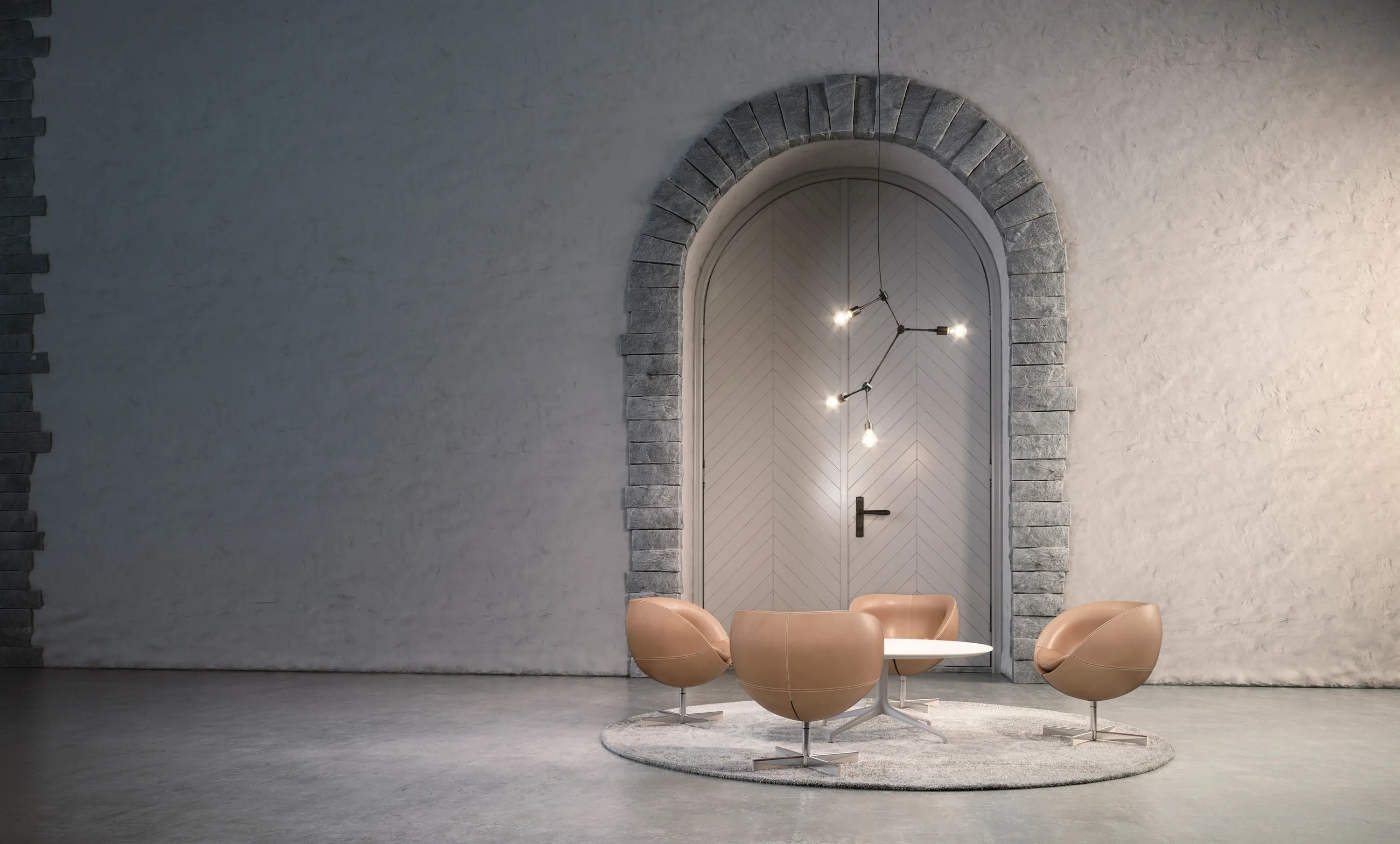
Stuhl und Tisch Planet wurden zum ersten Mal 1965 lanciert und waren bis Ende der 70er Jahre Teil unserer Kollektion. Planet war der der erste kugelförmige Stuhl in der norwegischen Möbelgeschichte. Sein Name verweist auf den ersten Raumflug in der Geschichte, der 1961 stattfand, und kündigt den Einzug der Pop Art Möbel in Norwegen an.
Planet Stuhl
Standard:
Massiv Birke oder schwarz gebeizte Birke. Stahl: Chrom.
Menu:
Der Preis für die Ausführungen Birke natur und Birke ist derselbe.
Info:
Planet lässt sich um 360 Grad drehen. Er kann auch mit einem Federmechanismus geliefert werden, der es ermöglicht, mit dem Stuhl nach vorn und nach hinten zu schwingen. Für den Bezug von Planet wird ein elastischer Stoff empfohlen, z. B. Divina, Fame, Vadal oder Cicero. Planet ist nicht in Galaxe lieferbar. Preisaufschlag bei mehr als einer Stoffqualität/Farbe pro Einheit.
Die teuerste Stoffgruppe wird zugrunde gelegt.
Planet Tisch
Standard:
25mm Platte in Birke natur furniert. 10mm Mattglas mit C-Profil. Die Glasplatte wird mit der glatten Seite nach oben geliefert. Untergestell aus Chrom.
Menu:
Buche natur, Eiche, Kirsche natur furniert oder schwarz gebeizte Esche. Laminat wie im Fora Form Menü empfohlen.
Info:
Die Tischplatte wird mit der glatten Seite nach oben geliefert.
Dieses Produkt gehört zur Kollektion:

Produktdetails
Material
Untergestell Metall, Metall, Tischplatte Holzwerkstoff, Holz
Design-Dateien
1
Vertriebspartner
Designer

Sven Ivar Dysthe
Norway
Sven I. Dysthe (1931 – ) Sven Ivar Dysthe is a Norwegian industrial designer who is especially known for his furniture. His design career began when he started as an apprentice at one of the most respectable carpenter workshops in Trondheim. Arne Remlov, interior architect and editor of the design magazine Bonytt, persuaded Dysthe to apply for admission to the Royal College of Art in London. In 1952, Dysthe began his studies there at its newly created field of industrial design. The general manager at the school, furniture designer David Pye, played an important role in Dysthe´s development. The highlight as a student was most definitely when he was assigned to make the pincushion box for Queen Elizabeth II’s coronation in 1953. After graduating in 1954, Dysthe started working for the Danish architects and furniture designers Peter Hvidt and Orla Mølgaard Nielsen in Copenhagen. In Denmark, he gained close knowledge and understanding of Scandinavian design. He moved back to Norway the following year and it did not take long for his career to take off. His furniture is characterized by elegant and modern design, all products are minimal in form and material use. One of his main focuses was to allow for serial production, combining great systematic solutions with the right amount of details. He loved to explore new and modern techniques, an example of that is his dining chair Era. With its black powder coated steel frame and a steam bent T-shaped wooden backrest, together with a light and almost floating veneer seat, this chair is definitely showing his creative talent.


