Teilen

1/25

Blu Ponti Decoro Tipo 32
Teilen
- Startseite/Keramik Fliesen/
Blu Ponti Decoro Tipo 32
Über dieses Produkt
Architonic ID: 20099900
SKU: FDMDT32BP201
Einführungsjahr: 1960
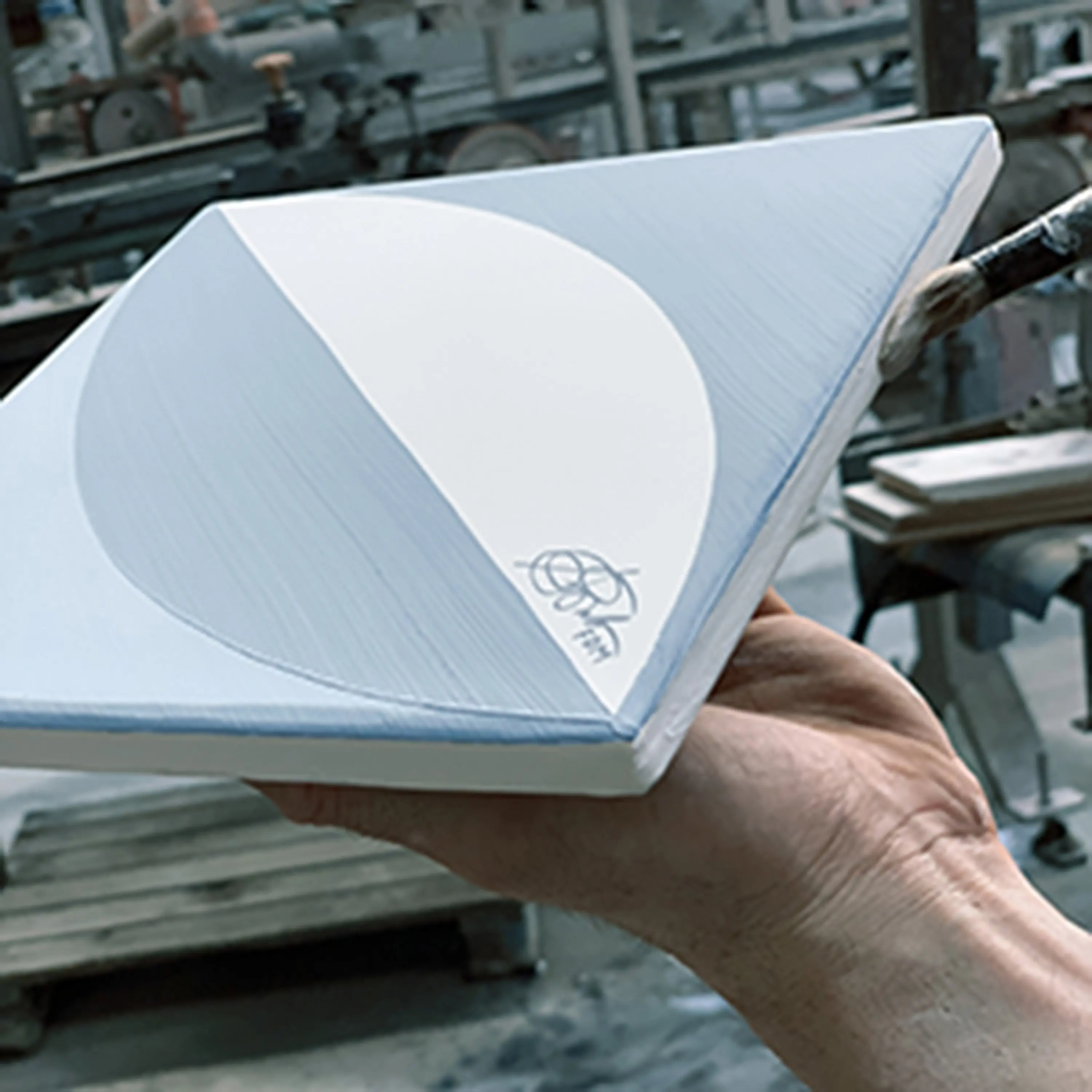
Blu Ponti Collection: 33 white and blue decors with geometric and naturalistic motifs, designed by Gio Ponti between 1960 and 1962 for the Hotel Parco dei Principi in Sorrento, produced and sold as a worldwide exclusive by Ceramica Francesco De Maio. Majolica tiles in 20x20cm size and 12,5 mm thick, faithfully reproducing the glaze, the colours, the decorations and the thickness of the original tiles of the ‘60s. Rigorously hand-painted according to the ancient technique of hand-made decoration to merge the craftsmanship, the territoriality and the design to emphasize the true Made in Italy.
Material: hand-decorated double-fire tiles (also available in handmade cotto, stoneware and anti-slip, if requested)
Francesco De Maio production: handicraft (double-fire and cotto handmade) and Industrial (stoneware and anti-slip)
Finishing: Smooth
Sizes: 20x20cm- 53x53cm
Thickness: 12,5 mm- 12mm
Composition: 1pcs
Complementary pieces: Blu Ponti Collection can be combined with Pennellati a Mano in various colours and sizes.
Colours: Bianco, Azzurro, Blu. Blu Ponti is sold in box of 25 (or 4) decors in the 20x20cm (or 53x53cm) sizes each for a total of 1mq (or 1,12mq).
Intended use: internal and external (stoneware and anti-slip) walls and floors, domestic and non-domestic environments.
Technical features: Resistant to sudden temperature changes (stoneware and anti-slip), easy to clean.
Konzept
The colours of the sky and of the sea in the Blu Ponti Collection that, between 1960 and 1962, Gio Ponti realized to cover, with different combinations, the floor of the lobby and of the hundred rooms of the Hotel Parco dei Principi in Sorrento, the first design hotel in the world. The Ceramica Francesco De Maio was chosen by Ponti’s heirs as the exclusive licensee for the re-edition of the 33 white and blue decorations and now, almost 60 years later, it still produces and sells the Blue Ponti Collection, as a worldwide exclusive. Such a faithful reproduction of Blu Ponti majolica glaze, colours, decorations and thickness, as it used to be in the '60s, that has awarded Ceramica Francesco De Maio with the valuable use of the signature of the architect, an advocate of the industrial design and great appreciator of craftsmanship. The prestigious signature of Gio Ponti, architect, designer and Italian essayist, still one of the most important people of the international scene and among the greatest of the twentieth century, can be found on the ceramic tiles of this Italian company, which is nowadays a world excellence. In Salerno (southern Italy), the great designer realized some prestigious collections, inspired by specific shapes and a certain design content. There, he studied the renewal of the ceramic language and, emphasizing the local context through colours and geometric and naturalistic lines, he created the famous Blu Ponti majolica tiles. A continuity between the past ceramic tradition, the present and future one through craftsmanship, territoriality and a real Made in Italy design.
HAND-DECORATED CERAMIC TILES
Dieses Produkt gehört zur Kollektion:

Produktdetails
Color
Farbe blau, Farbe mehrfarbig
Material
Keramik, Steinzeug
Design-Dateien
7
Designer

Gio Ponti
Italy
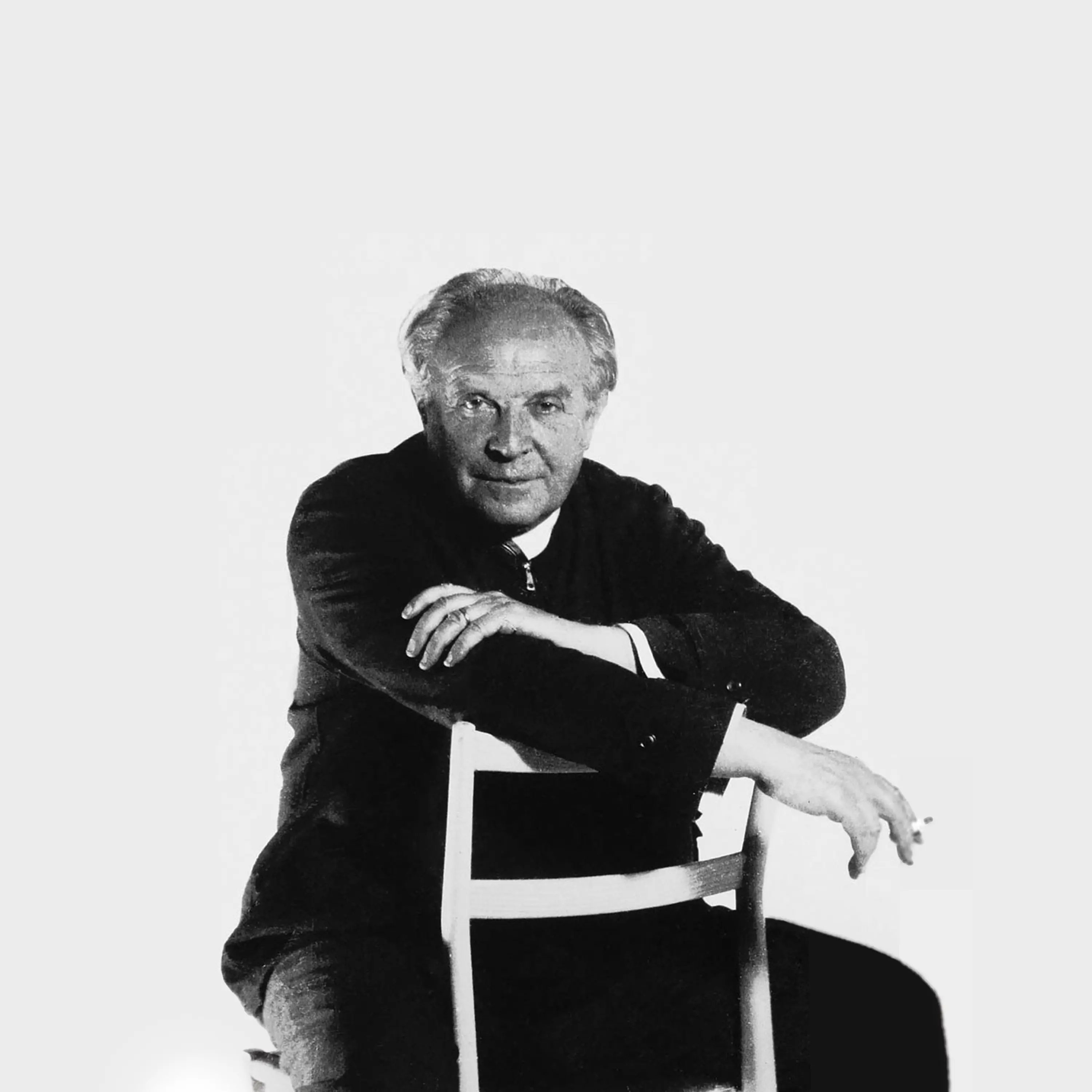
Gio Ponti war Ikone der Moderne: Der italienische Architekt, Designer, Künstler und Publizist trug mit seinem umfangreichen Schaffen massgeblich zur Welt der Architektur und des Designs bei. Biografie von Gio Ponti Giovanni, genannt Gio, Ponti wurde 1891 in Mailand geboren. Hier verbrachte er seine Kindheit und Jugend und beendete 1921 nach einigen Unterbrechungen während des ersten Weltkriegs sein Architekturstudium am Polytechnikum. In den Jahren 1923 bis 1930 war er als künstlerischer Leiter der Porzellanmanufaktur Richard-Ginori tätig. 1927 gründete Ponti gemeinsam mit Emilio Lancia sein erstes Architekturbüro und 1928 die Zeitschrift Domus, die bis heute als eine der einflussreichsten europäischen Zeitschriften für Architektur und Design gilt. Auch als ordentlicher Professor am Mailäner Polytechnikum setzte er sich theoretisch mit Architektur auseinander. Nachdem seine Zusammenarbeit mit Emilio Lancia mit dem Torre Rasini zu einem Ende gekommen war, arbeitete er zwischen 1933 und 1945 verstärkt mit Antonio Fomaroli und Eugenio Soncini zusammen. In dieser Zeit entstanden Schul-, Büro und Wohngebäude, wie das Institut für Mathematik der Universität Rom, der Primo Palazzo Montecatini, Casa Marmont und die Villa Donegani in Bordighera. Sein wohl bekanntestes Gebäude realisierte er 1956, das Pirelli Hochhaus in seiner Heimatstadt Mailand. Selbst im hohen Alter von achtzig Jahren schuf Ponti noch eindrückliche Werke wie die Concattedrale Gran Madre di Dio in Tarent und das Denver Art Museum. Gio Ponti starb am 16. September 1979 in Mailand. Superleggera Chair von Gio Ponti Im Jahr 1957 entwarf Gio Ponti sein bekanntestes Möbelstück, den Superleggera Chair für Cassina. Der „super leichte“ Stuhl referierte auf eine Serie von einfachen, traditionellen Stühlen, die in einer ligurischen Manufaktur in der Nähe des Fischerortes Chiavari produziert wurden. Nicht nur aufgrund ihrer Leichtigkeit, sondern auch wegen ihrer Stabilität waren sie sehr gefragt. Bis heute ist der Superleggera Chair mit seiner schlanken, dezenten Gestalt einer der meist gesehenen Stühle in italienischen Restaurants. Pontis Pirelli Tower Der Pirelli Tower gehörte zu einem der ersten modernen Hochhäuser in Italien. Im Jahr 1950 erteilte die Pirelli Company Alberto Pirelli den Architekten Gio Ponti und Pier Luigi Nervi den Auftrag. Die Konstruktion des Towers begann 1956 und somit in einer Zeit wirtschaftlichen Aufschwungs. Er wurde nicht nur ein Wahrzeichen Mailands, sondern auch ein Symbol für nationalen ökonomischen Fortschritt. Gio Ponti: Architektur & Design Philosophie Pontis Architektur und Gestaltung verkörperte pure Lebensfreude. Beeinflusst durch seine anfangs ausgeübten Tätigkeiten als Keramiker stellte er sich das Gebäude samt Inneneinrichtung, Leuchten und sogar Glas- und Silberwaren vor. Gio Ponti brach Grenzen und Traditionen auf und wählte einen interdisziplinären Ansatz, um Design, Kunsthandwerk, Kunst und Architektur miteinander zu vereinen. Seine Faszination für eine grosse Bandbreite von Stilen wird insbesondere in seinen Designs für eine Vielzahl von Herstellern, darunter Fontana Arte und Cassina, deutlich. © by Architonic


