Tradition and innovation: the art of modern handwoven rugs
Traditional weaving and knotting techniques in G.T.DESIGN’s modern rugs. Modern handwoven rugs represent a symbol of elegance, craftsmanship, and timeless charm in contemporary interior design. The ancient weaving methods that once gave life to textile masterpieces have been revived by G.T.DESIGN, enriched with innovative textile design and eco-sustainable materials, to create modern handwoven rugs that express the full potential and beauty of traditional craftsmanship.

Deur G.T.DESIGN vir

G.T.DESIGN
Oktober 7, 2025 | 12:00 am CUT
Handwoven techniques for modern rugs
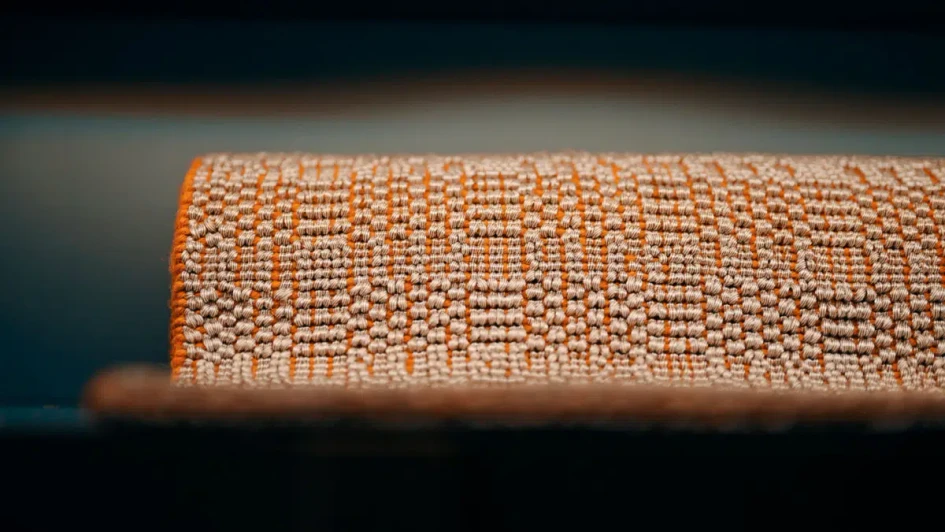
Each rug signed by G.T.DESIGN is born from the encounter between ancient artisanal techniques and innovative textile research. Traditional weaving methods, central to G.T.DESIGN’s vision, are essential to enhance natural fibers such as jute, silk, wool, andbamboo viscose. Handwoven, on both traditional and modern looms, is the foundation of the brand’s production, reflecting its commitment to quality, sustainability, and material excellence.
The Boom collection combines the softness of New Zealand wool with the luster of bamboo, creating vibrant, nature-inspired textures woven on traditional looms. Flat Out, made from recycled PET, shows how technical materials can become elegant through artisanal craftsmanship, offering durability and versatility for outdoor use. Finally, In-Canto expresses the refinement of manual weaving with an ultra-thin 8-millimeter structure in bamboo viscose that brings lightness and brilliance to minimalist, modern interiors.
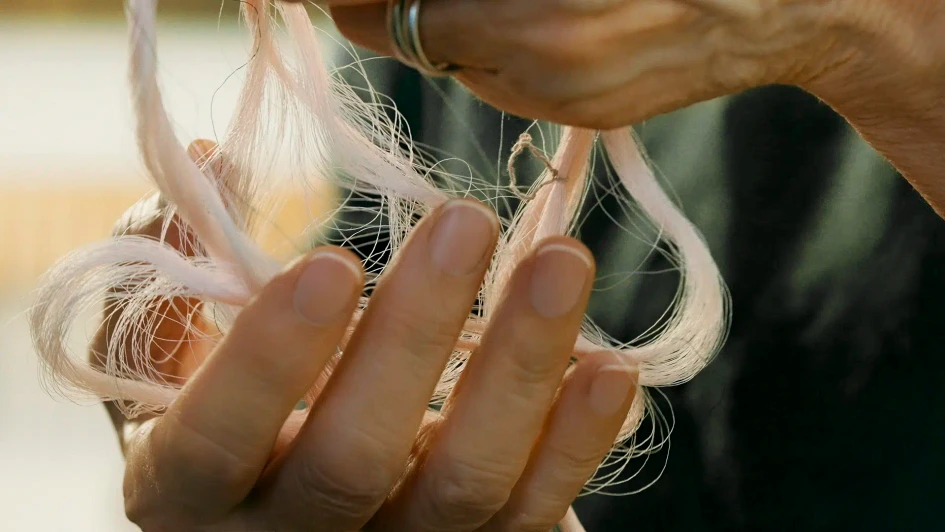
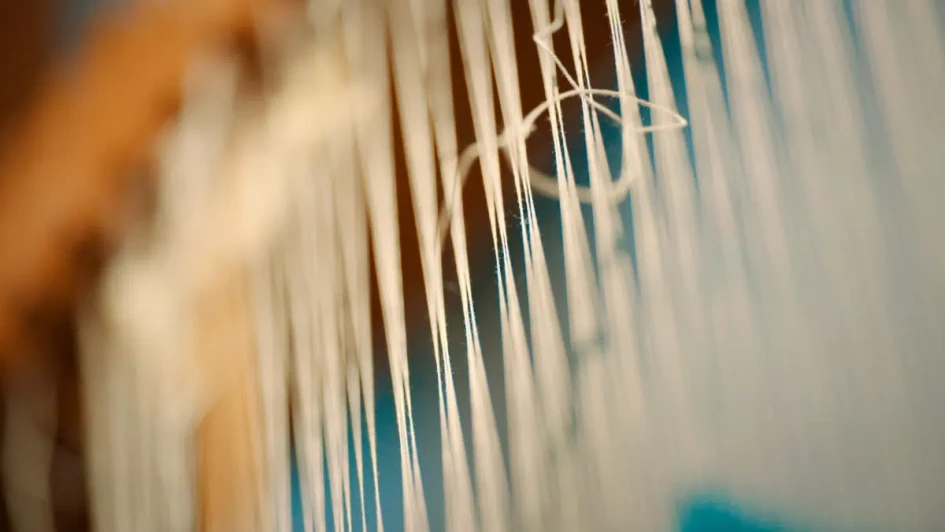
The meeting of tradition and innovation on the wooden loom
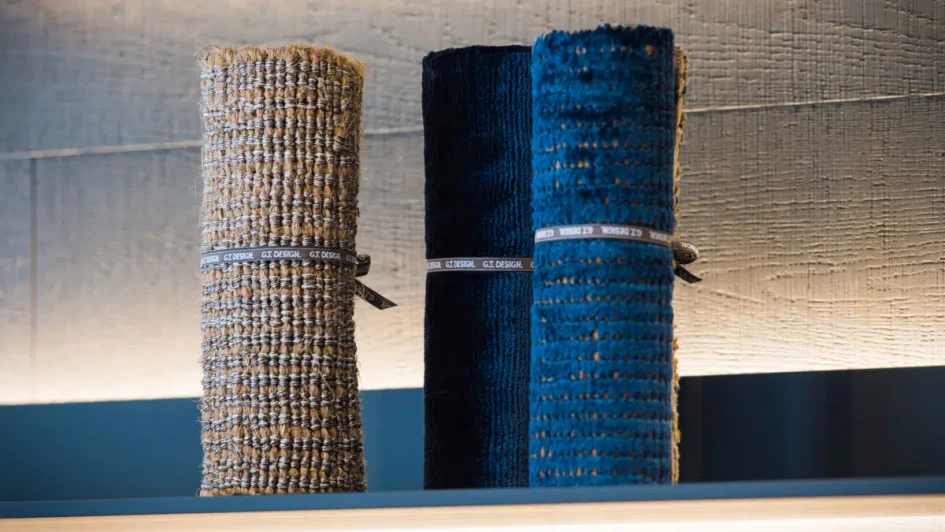
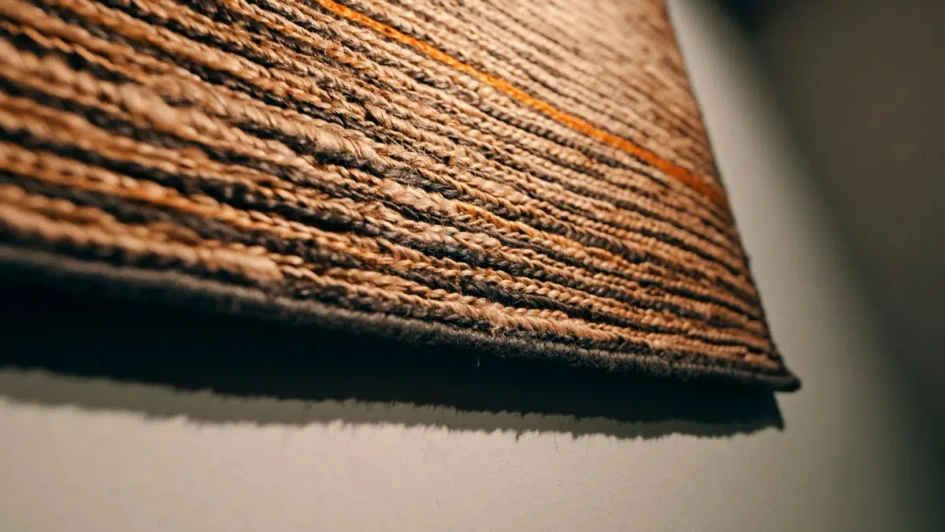
Best-selling collections such as Coconutrug, Kama, and Paglietta, born from direct collaboration with master artisans, showcase the versatility of handwoven techniques performed on traditional wooden looms. These looms provide exceptional strength, creative freedom, and adaptability for custom work, allowing precise control of yarn tension and enabling the weaving of complex materials such as coconut fiber. Coconutrug was the first to introduce coconut fiber into the world of luxury rugs. With Terra Fresca, high-quality coconut fiber is combined with luminous yarns in natural tones to create tactile, durable surfaces ideal for high-traffic spaces.Kama redefined the concept of the contemporary rug: the hand-cut viscose captures and diffuses light in a unique way, transforming each piece into a visual sculpture of extraordinary refinement — a collection beloved by architects and interior designers. Paglietta is born from the union between natural jute and G.T.DESIGN’s signature technical yarn. The hand-twisted spirals and irregular chromatic variations give life to a living surface, where the humblest fiber is transformed into a statement of discreet luxury
and artisanal authenticity.
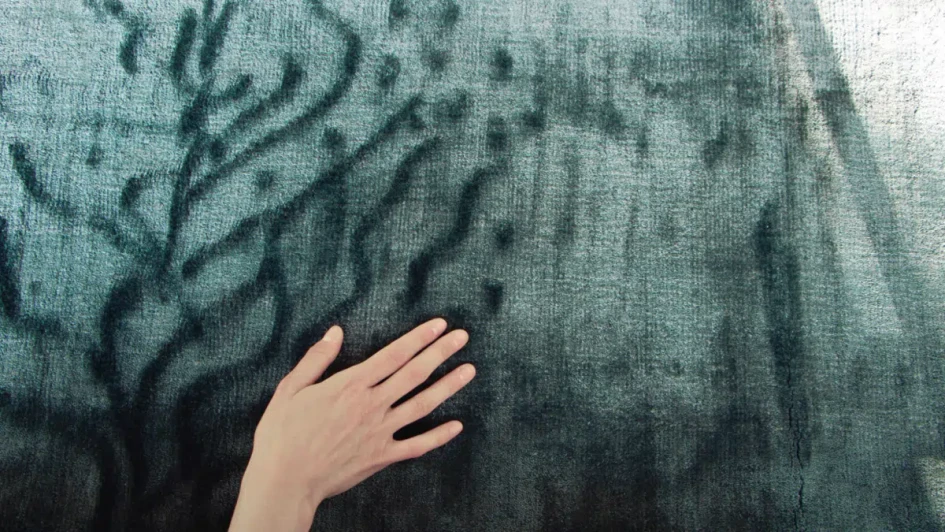


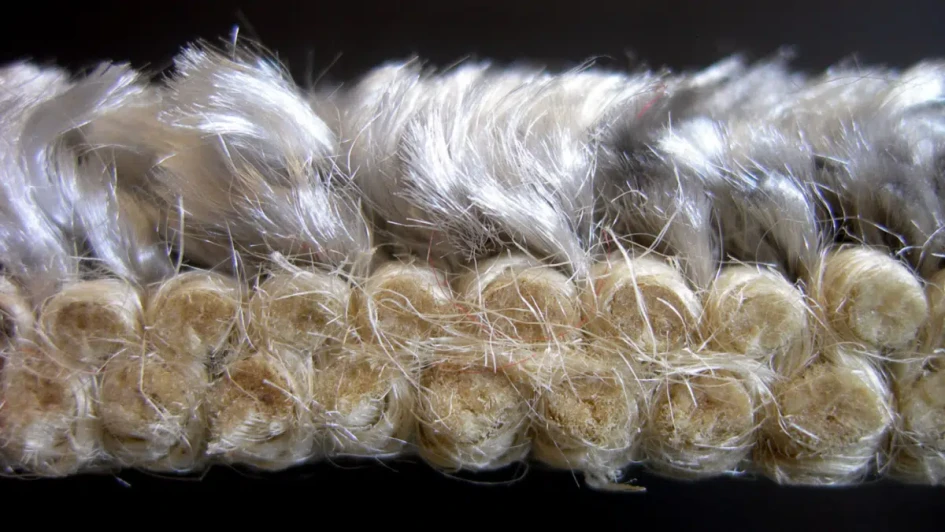
The art of hand-knotting and hand-braiding
From Persian, Turkish, and Afghan knots to contemporary variations, there are numerous knotting techniques. Each requires great precision and time: the smaller and denser the knot, the more valuable the rug. Handwoven and knotting represent the most labor-intensive yet rewarding aspects of creating modern handcrafted rugs.
These ancient techniques demand exceptional skill and patience from artisans — qualities that mechanical production can never replicate. Handwoven construction finds expression in collections such as Rime and Hula Hoop, where traditional rope-making methods are reinterpreted with recyclable technical yarns, creating strong and sophisticated surfaces ideal for outdoor environments.
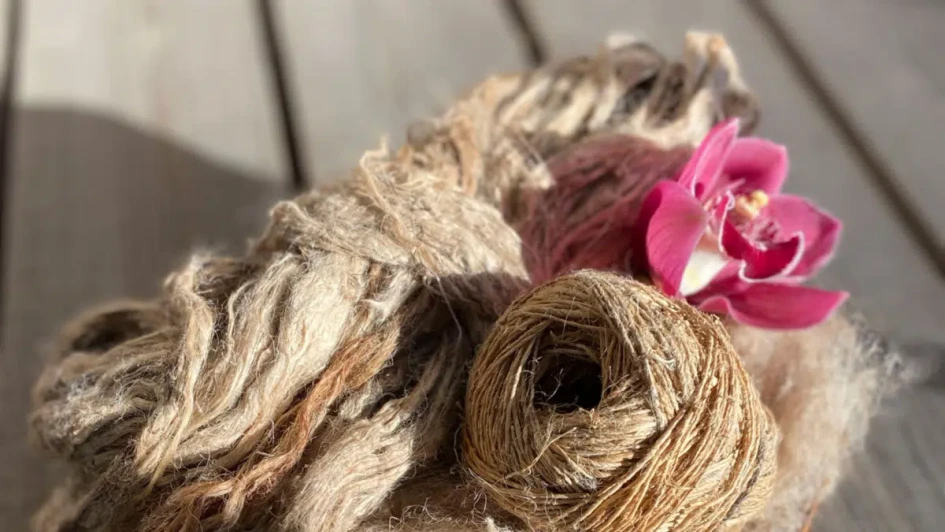
The Sumak knotting technique, used in Himalayan Skin, elevates simple fibers like nettle and jute into sculptural textile artworks. Each knot, beyond its structural role, becomes a decorative element, infusing the rug with the human touch that defines its character and authenticity. It is in these subtle irregularities and in the patience of the artisan’s gesture that the true essence of handmade luxury resides.


Tufting: a form of contemporary expression
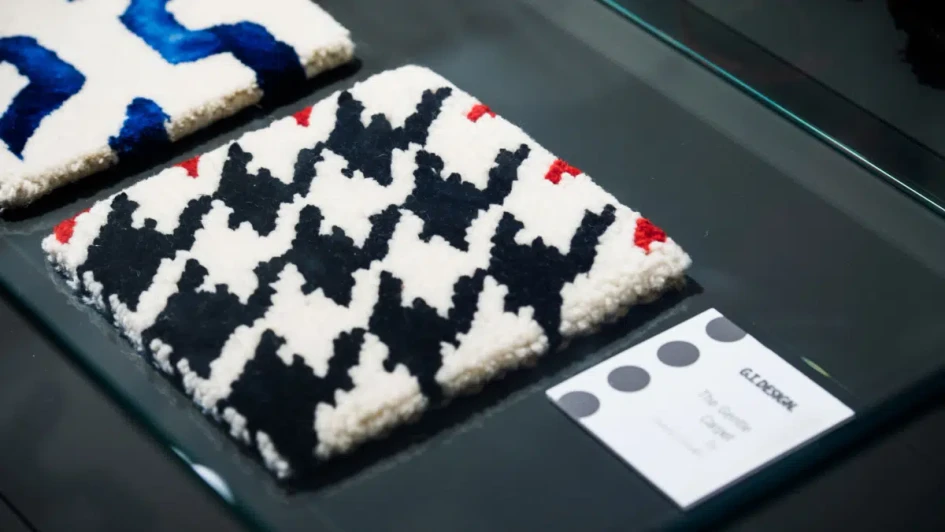
Hand tufting involves artisans using specialized guns to insert individual loops of yarn into a canvas base, precisely varying the pile height to create sculptural forms. Unlike traditional weaving, tufting generates tactile, three-dimensional landscapes that changeappearance with light and perspective.
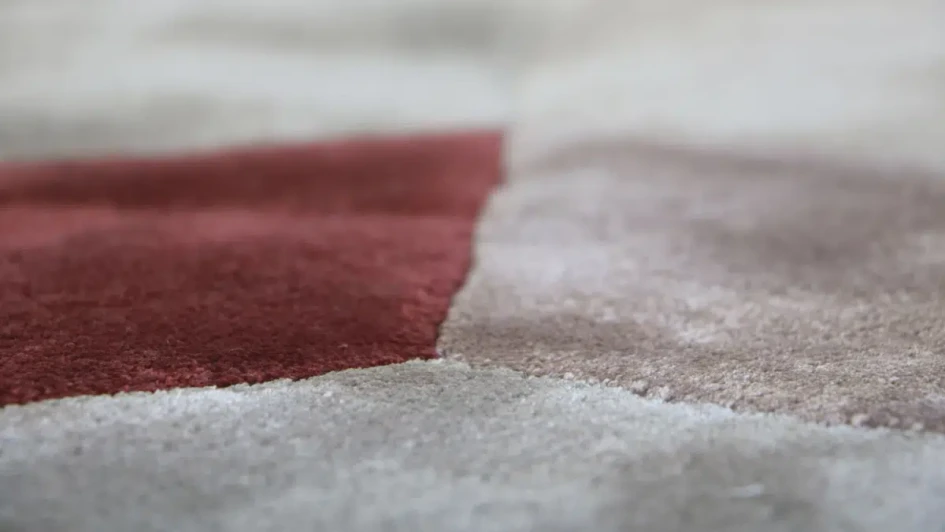
The Cobblestone collection is an emblematic example: crafted from sustainable Tencel™, it evokes the geometry of Italian squares through blocks of color and fluid, organic shapes. Each rug is hand-carved and finished, with subtle variations in height giving the surface three-dimensional qualities, while hand-stitched elements emphasize textural mastery. The surface, softly luminous under natural light, invites touch and contemplation through its tactile richness.
The future of sustainable luxury in modern handcrafted rugs
At its core, the art of modern handwoven rugs is a dialogue between material, method, and meaning. G.T.DESIGN redefines this tradition by merging artisanal mastery with the potential of innovative, sustainable fibers.Each technique — from handwoven to knotting — introduces distinctive textures and aesthetics. Collections such as Boom, Kama, and Himalayan Skin demonstrate how this range of approaches can be transformed into expressive and durable modern handwoven
rugs.



As interior design evolves, modern handwoven rugs remain a powerful expression of luxury. Their intentional imperfections and human touch provide an emotional connection that machine-made alternatives cannot replicate. Whether illuminating a minimalist space with In-Canto or enriching contemporary interiors with Cobblestone, G.T.DESIGN collections transcend seasonal trends and transform living spaces.
In a world dominated by mass production, G.T.DESIGN continues to preserve the art of tradition, charting the future of modern textile design. These modern handwoven rugs become living works of art — created for those who appreciate the elegance of craftsmanship and the integrity of mindful creation.


Projekgalery


