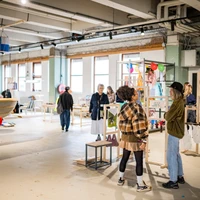
Dutch Design Week marks a quarter century with royalty and radical thinking
With new programme structures and a powerful curatorial direction, the event proved that design thrives when ideas remain unfinished and open to the future.


Deur Claire Brodka en Dutch Design Week

Dutch Design Week
November 29, 2025 | 12:00 am CUT
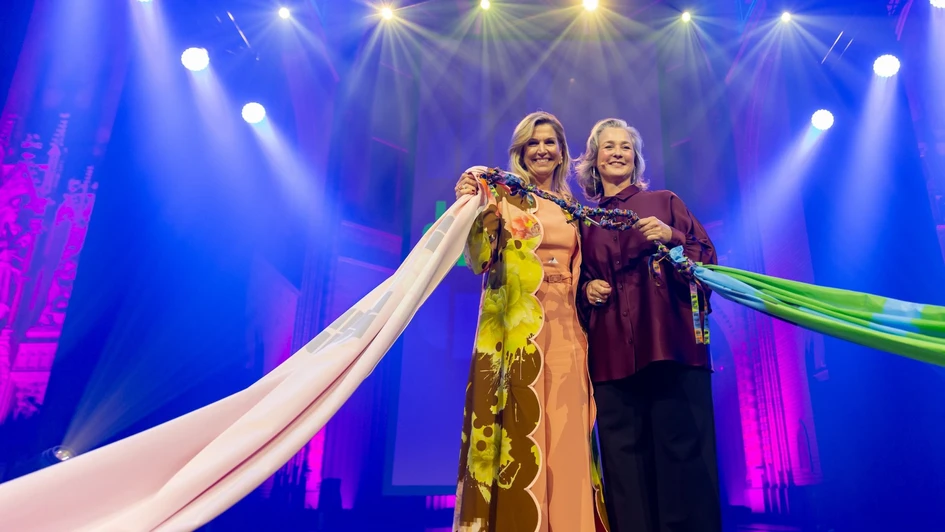
The official opening by Queen Máxima anchors a milestone anniversary moment. Photo: © Bracket Studio
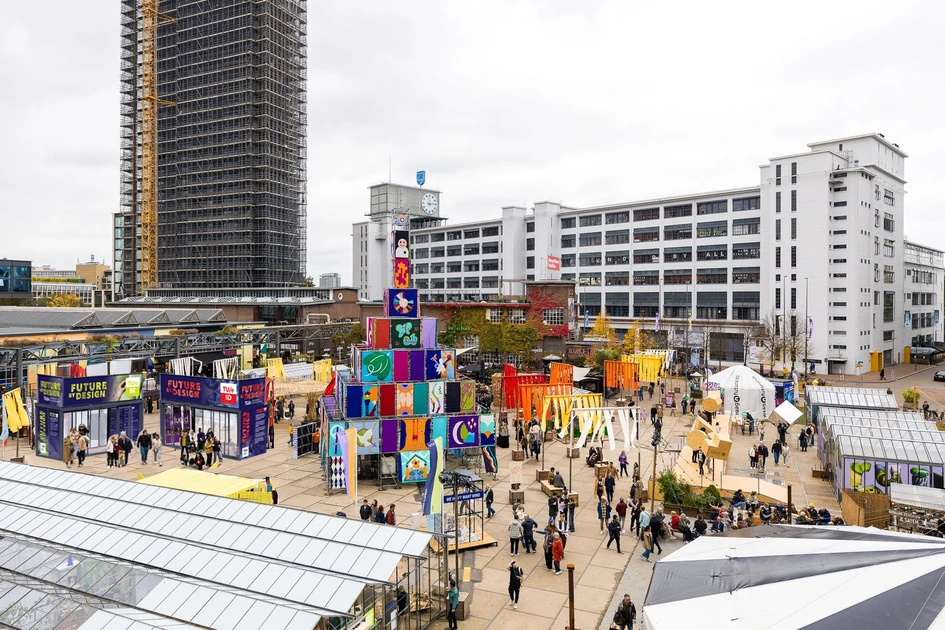

One major addition was the transformation of De Caai (bottom) into a stage for collectible, high-end furniture design. Meanwhile Ketelhuisplein (top) turned festival-ground. Photos: © Max Kneefel
New programme structures and new energies
One of the most meaningful shifts this year came through the introduction of the HUBs. These thematic clusters brought designers together around shared urgencies, from new materials to questions of digital culture and urban futures. The approach created a more intentional narrative throughout the festival. Rather than offering polished, showroom-ready work, the HUBs emphasised experimentation and enquiry. Visitors were invited into design processes, with prototypes, tests and speculative models forming much of the content. This gave the week a sharper critical edge while maintaining a sense of openness."
'Once again, many participants surprised us with exceptional work, showcasing emerging talent and established names alike and underscoring the immense potential and impact of design'
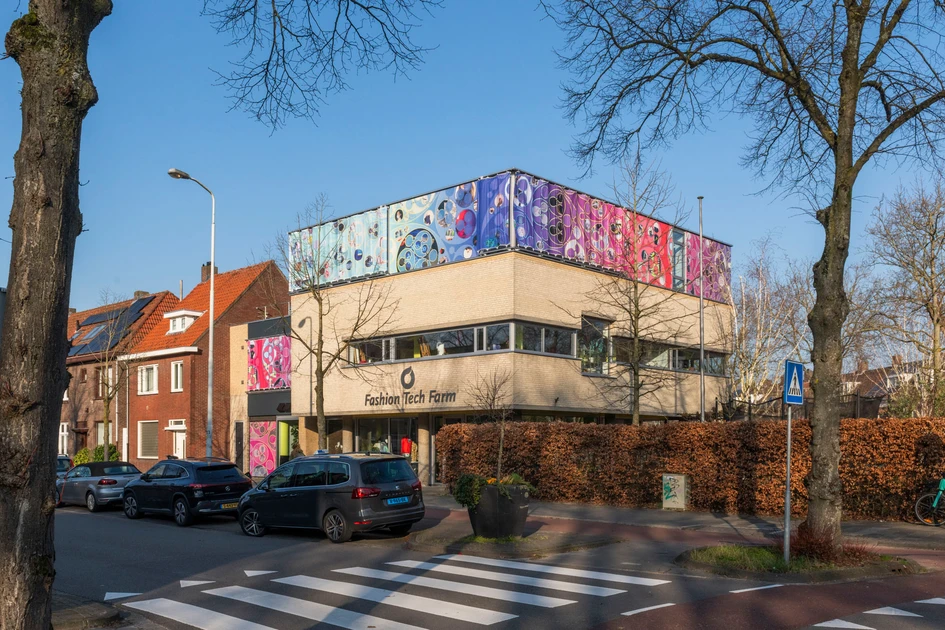
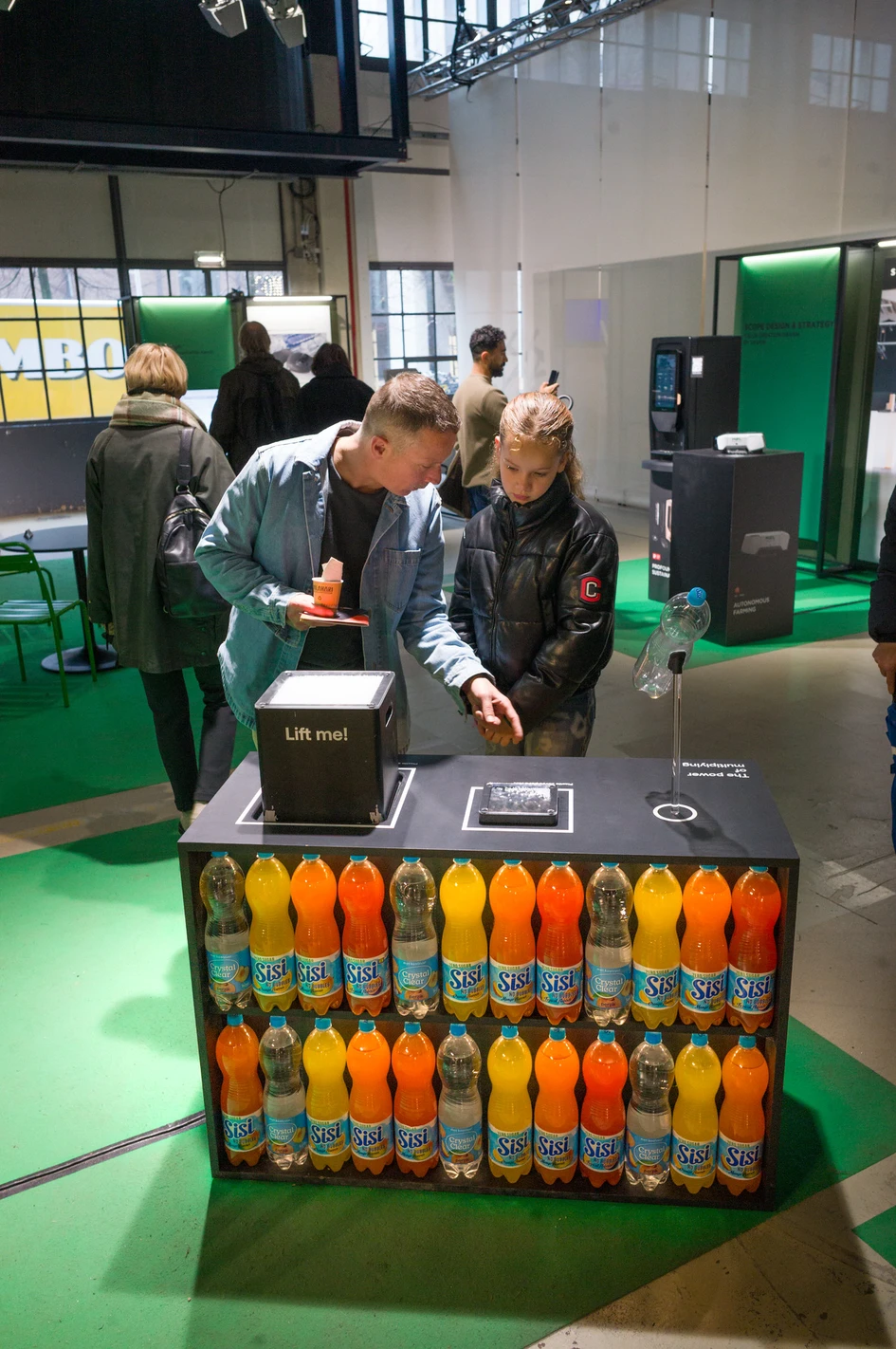
Fashion Tech Farm (top) and the new Industrial Design Hub (bottom) expanded the conversation around material futures within Dutch Design Week. Photos: © Max Kneefel & Boudewijn Bollmann
Breaking new ground
The dialogue between generations has long been one of Dutch Design Week’s strengths, and the 2025 edition made this especially clear. The Design Academy Eindhoven graduation show once again served as a gravitational centre, revealing how emerging designers are approaching materiality, sustainability, social justice and speculative futures with equal acuity. The work felt immediate and ambitious, reflecting a generation attuned to complexity.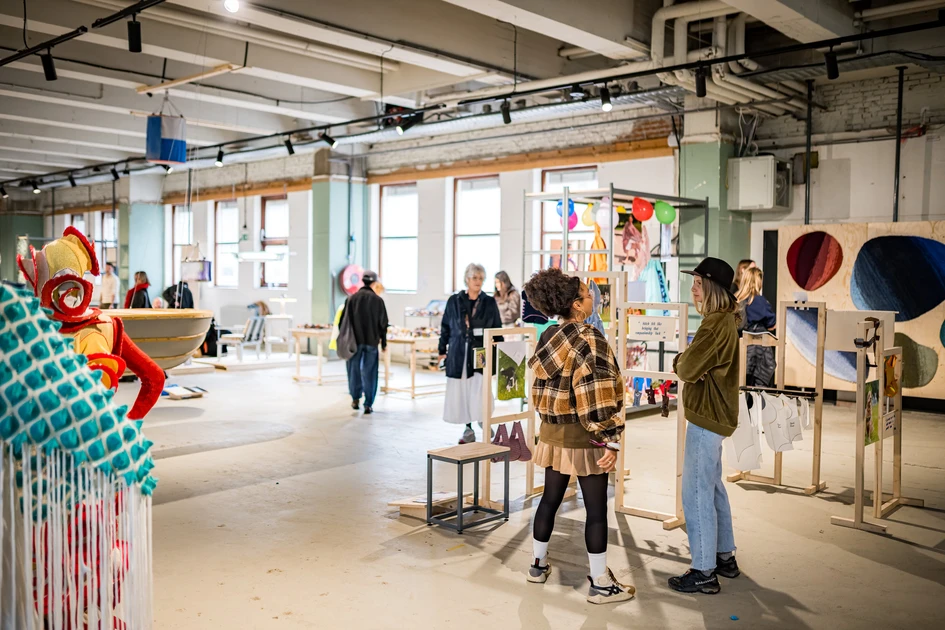
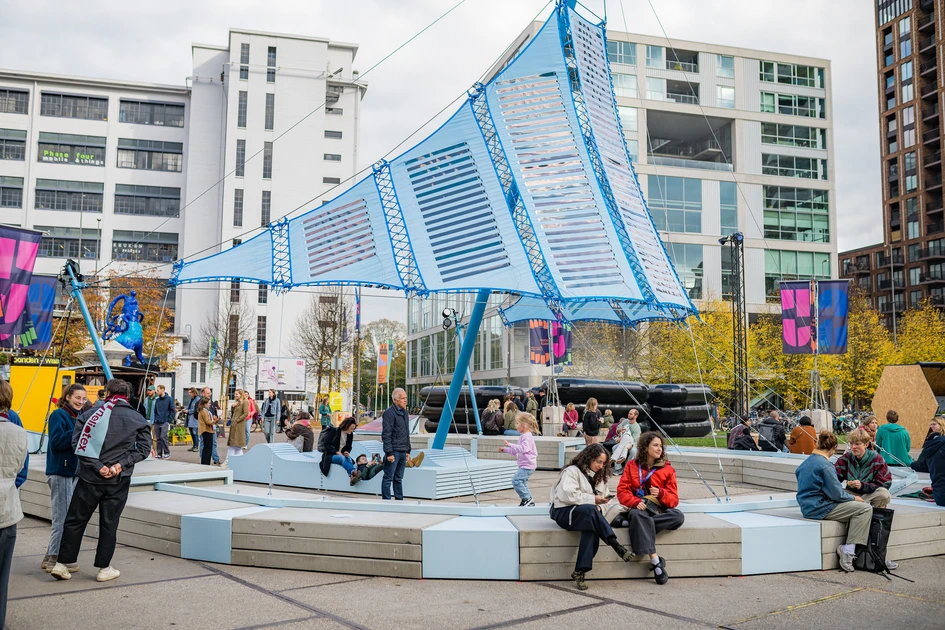
DAE graduates offered more than 200 bachelor and master projects (top). On the other end, veterans like Studio Pauline van Dongen’s Umbra Pavilion and her solar-textile canopy (bottom) probed into what design means today. Photos: © Max Kneefel
Design as Process
What distinguished the 25th edition most clearly was its resistance to becoming purely commercial. DDW remains unashamedly designer-led. Many of the most memorable works across the city were those still unfolding: investigations, not endpoints. This approach reinforced the idea that design is a method for thinking as much as it is a means of making. It also placed emphasis on transparency, collaboration and curiosity, qualities that felt entirely fitting for an anniversary year."
DDW remains unashamedly designer-led. Many of the most memorable works across the city were those still unfolding: investigations, not endpoints
Projekgalery