Stooled up: designer bar stools to stand by and sit on
Bar stools make any flat surface suitable for drinking, dining or working in comfort and style. With so many sizes, materials, features and applications available, it’s time to sit up and take notice.


Par DVELAS et James Wormald
juillet 5, 2022 | 10:00 pm CUT
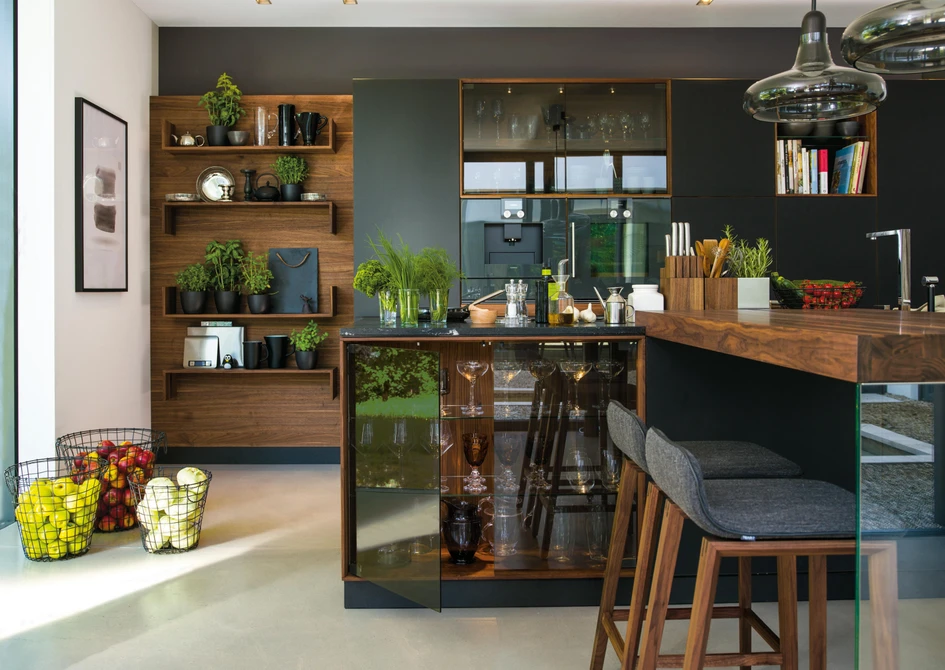
Stools swap the greater comfort of a chair for increased functionality, movability and adjustability
Their slimmer size keeps them out of the way when out of use, while a simplified construction cuts down on material use. But that doesn’t mean bar stools suffer from limited design, with a huge range of types, styles, materials and design features. Here are some of the key differences specifiers can choose from.

Make up: bar stool materials
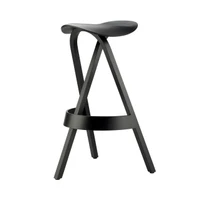
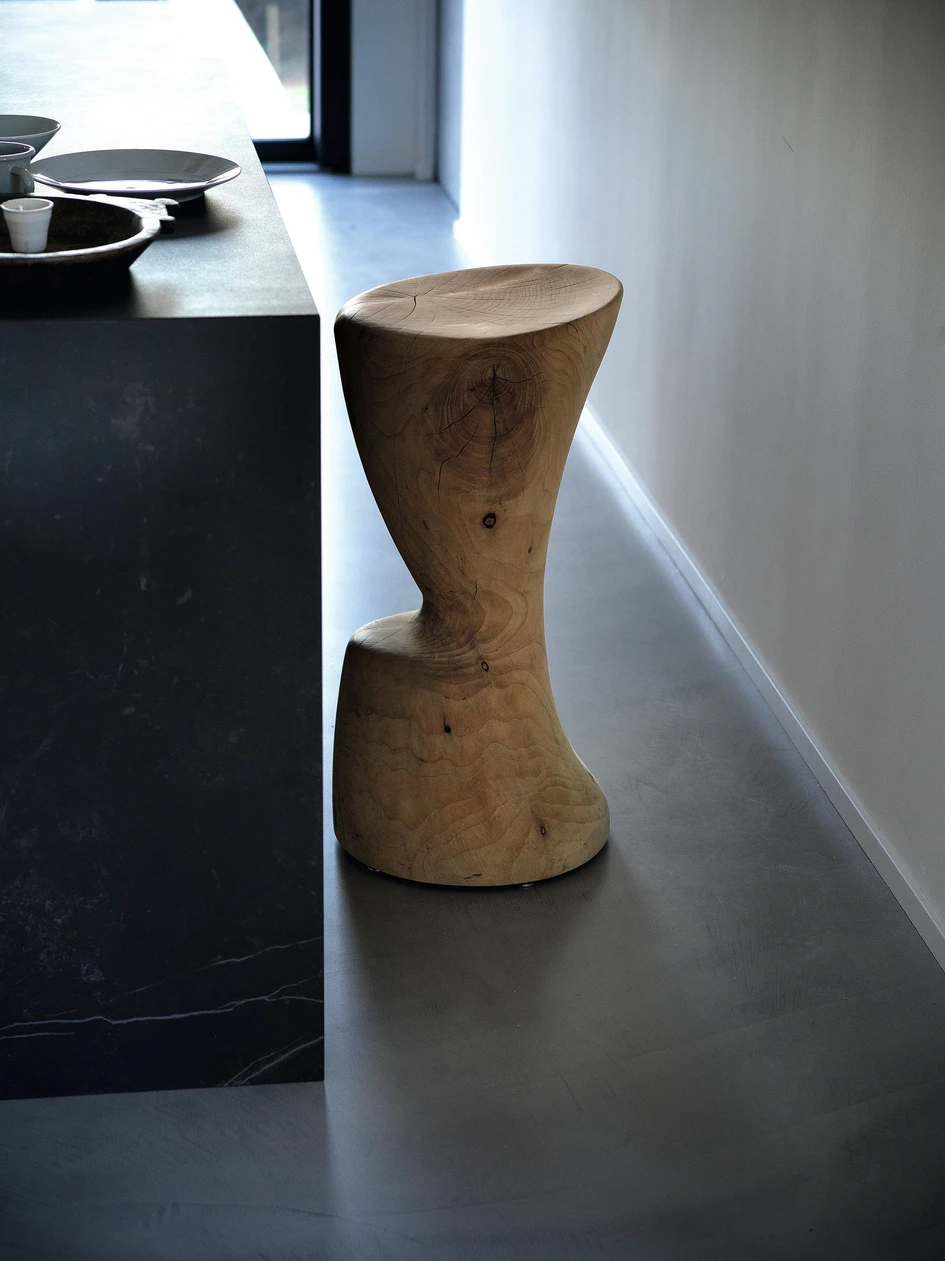
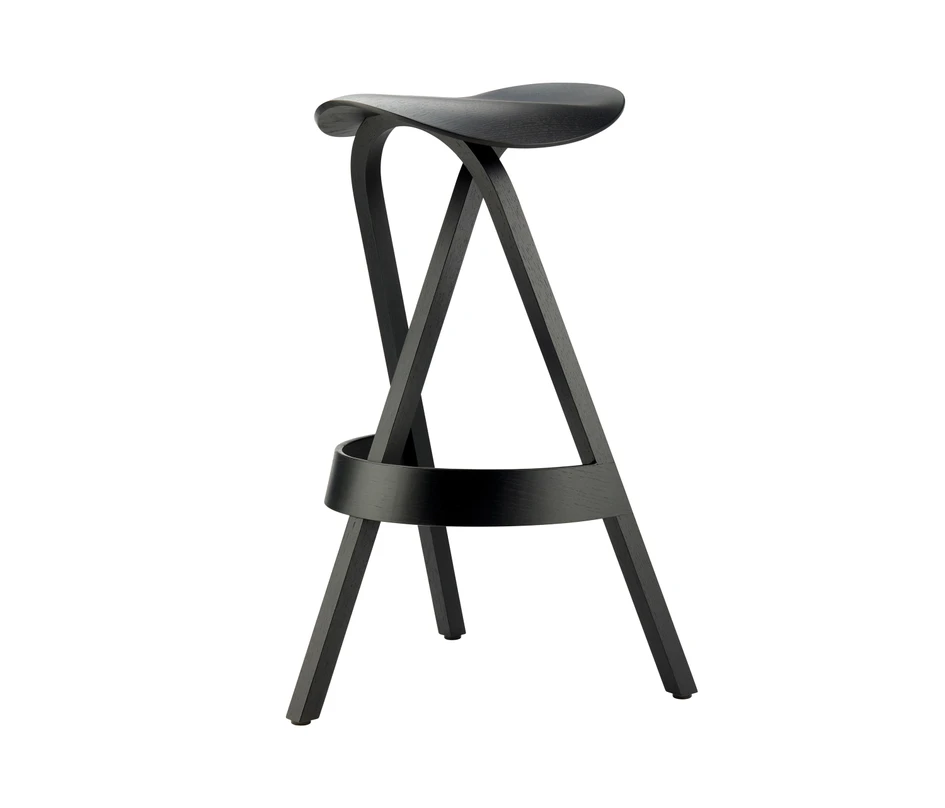
Wood is a natural, tactile material that’s both strong and formable. It’s a natural and obvious choice, then, for Riva 1920’s Coppa stool. Carved from a single block of cedar wood, Coppa has a simple, stable construction. But the block form can be heavy and thus difficult to manoeuvre. Thonet’s historic bentwood manufacturing process features heavily in the brand’s curved 404H bar stool, meanwhile, with bent laminate and moulded plywood making up its strong, but lighter form.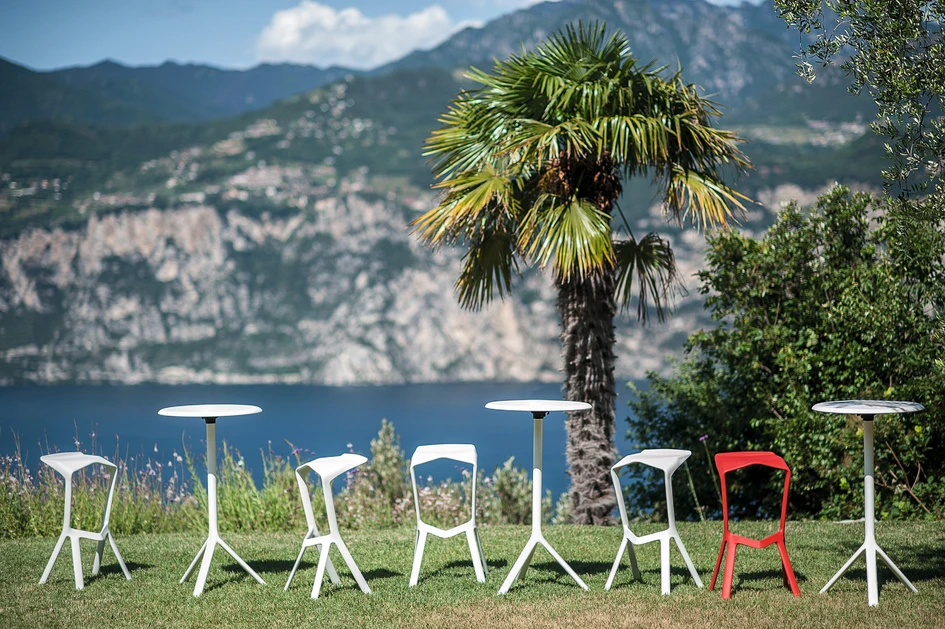


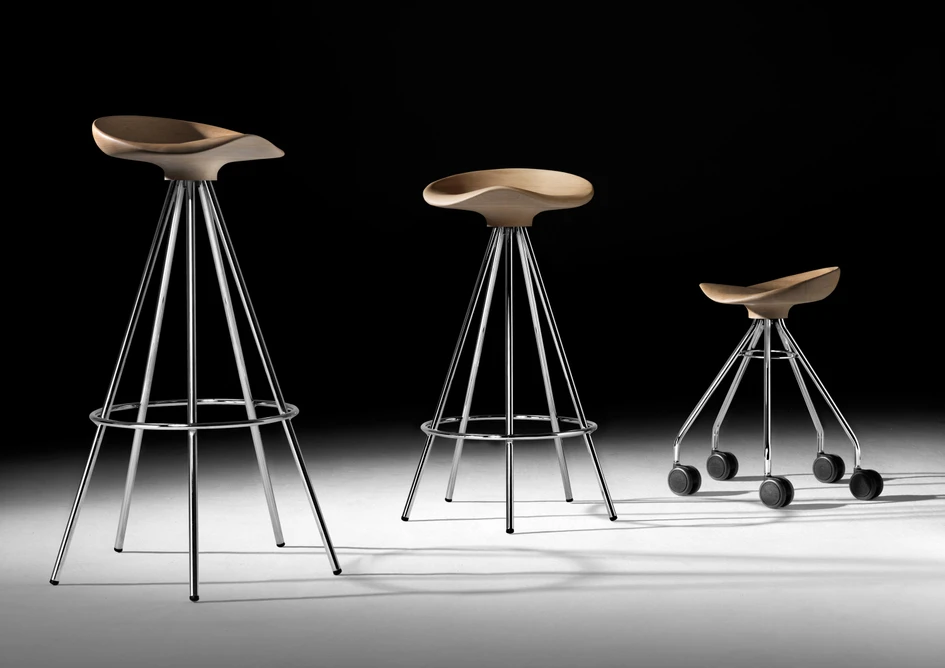
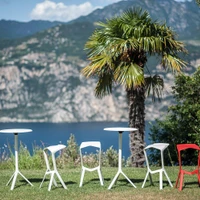
Lightweight design and a strong, one-piece construction are combined in Plank’s injection-moulded Miura stool, with a steel frame reinforcing its polypropylene shell, and both materials fully recyclable. Another recyclable material, meanwhile, with an excellent strength-to-weight ratio, is aluminium. BD Barcelona’s aluminium Jamaica Stool understands that the lighter a stool gets, the more unstable it is, so remains upright with a five-point star base.



Base camp: bar stool bases
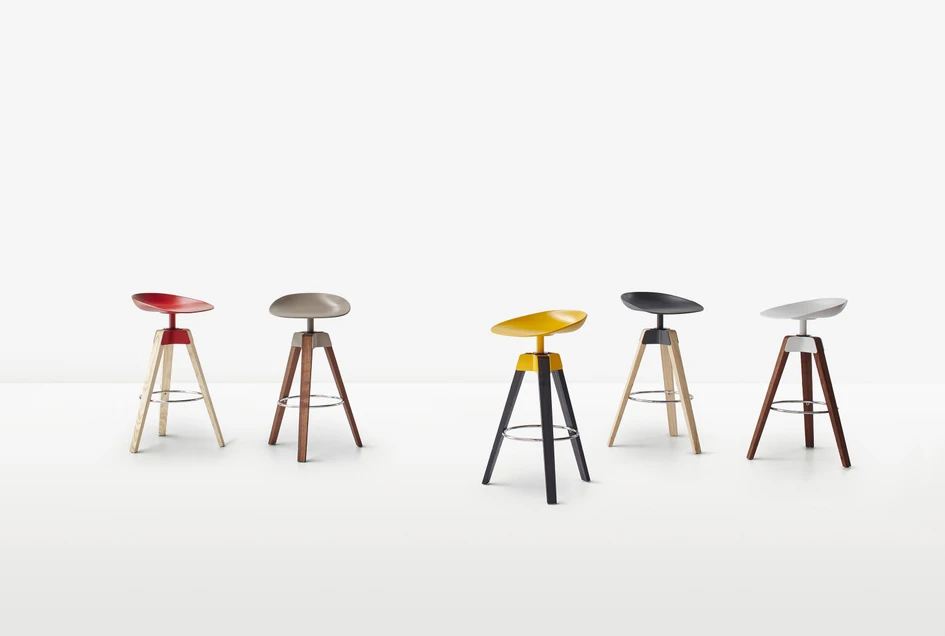
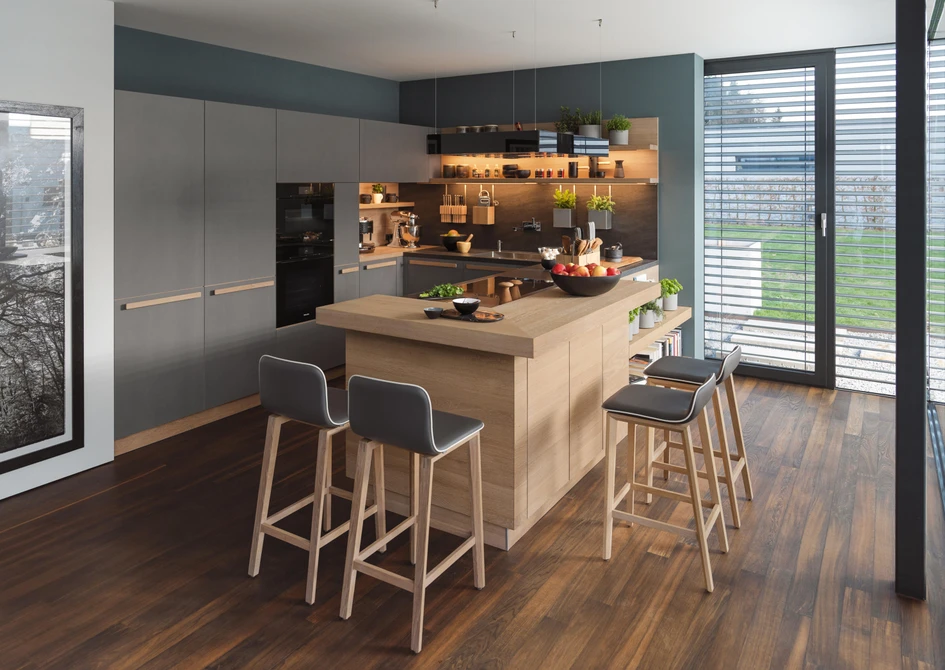
With more stability and additional visual interest, three-, four- or five-point bases are a common choice. Bonaldo’s Plumage stool, for example, utilises all the aforementioned materials at once with stunningly contrasting colour and texture. If clean, straight lines are your bag, however, then fixing one leg to each seat corner provides a nicely squared, ordered quality. With four straight edges, a line of stools like Team 7’s Ark has a pleasingly organised military look to it, when they’re all standing to attention at the bar.With more stability and additional visual interest, three-, four- or five-point bases are a common choice
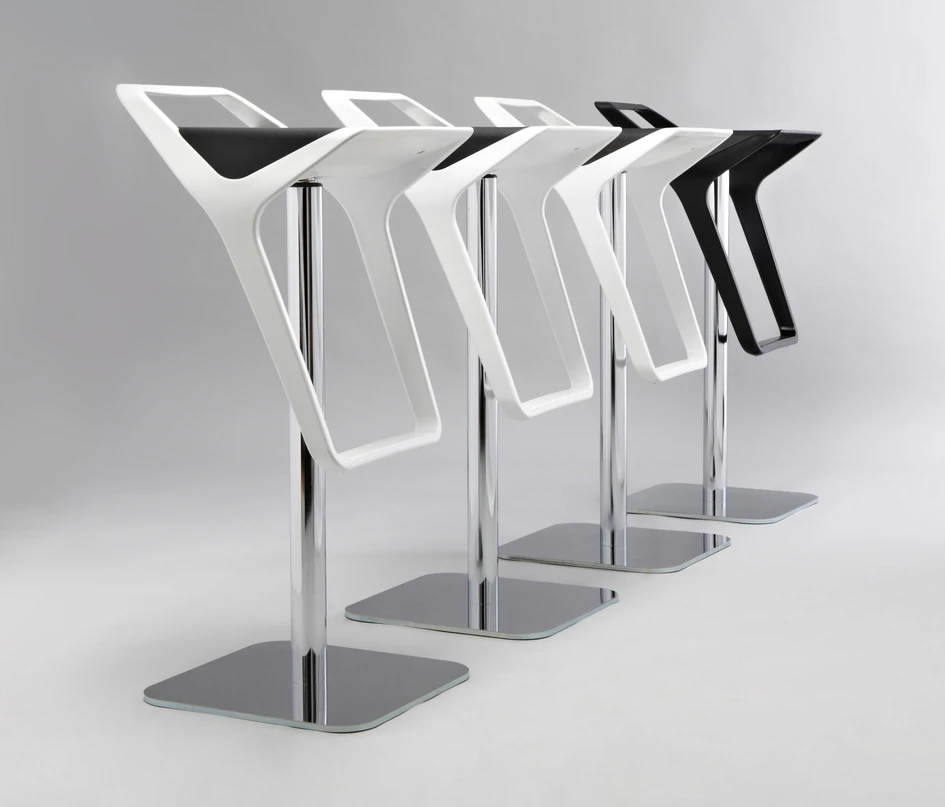
When balanced on a single, central base, stools can keep environmental aesthetic noise down further still. But without the horizontal structure that multi-legged stools have, the question of the footrest requires the design of a more artificial solution. Thankfully solving problems is what designers live for, and by incorporating a footrest into the shape of the seat itself, Gaber’s Freedom stool keeps its sleek, minimalist central base on point.
Balancing act: bar stool comfort vs weight
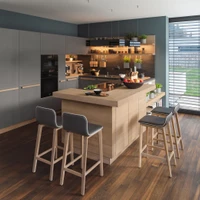
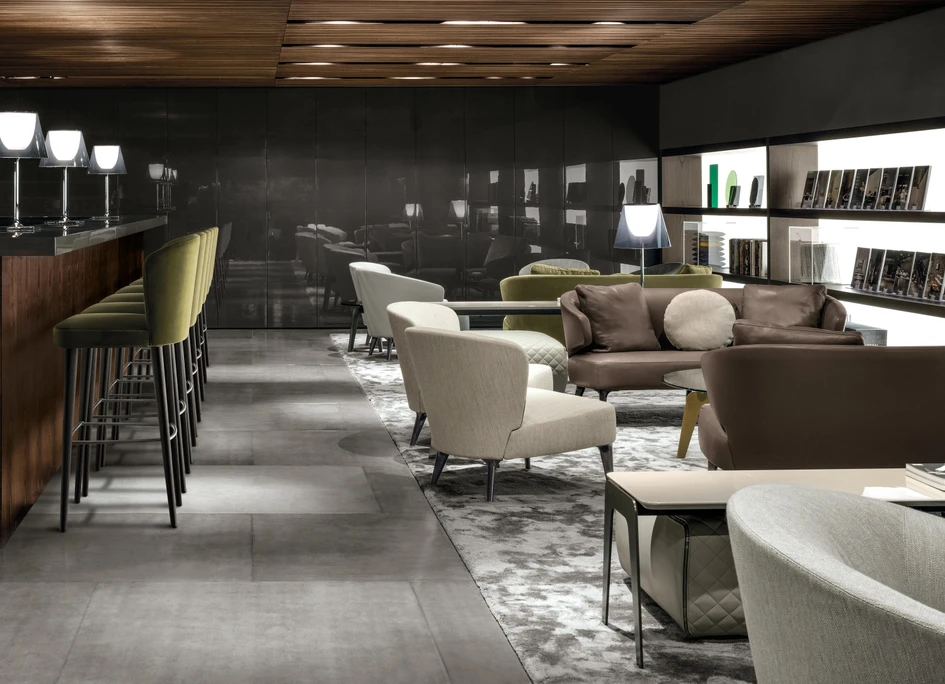
This balance between comfort and weight, both visual and physical, applies at the other end of the stool, too. Flat seats, either upholstered or moulded for comfort, are easier to lift and move, but those that put more weight on the importance of comfort, like Minotti’s Aston stool, feature larger curved backrests that hold the full lower back in place.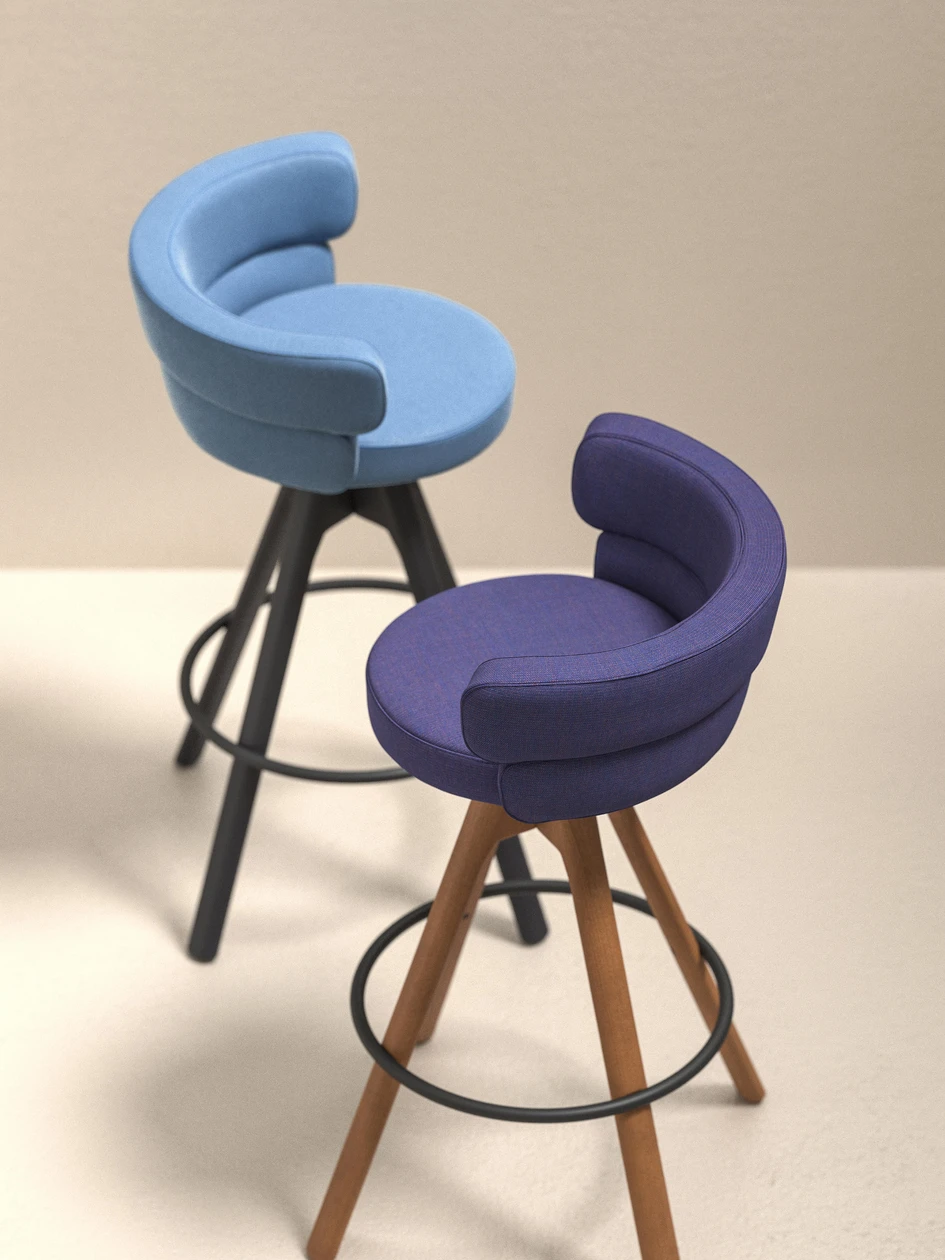
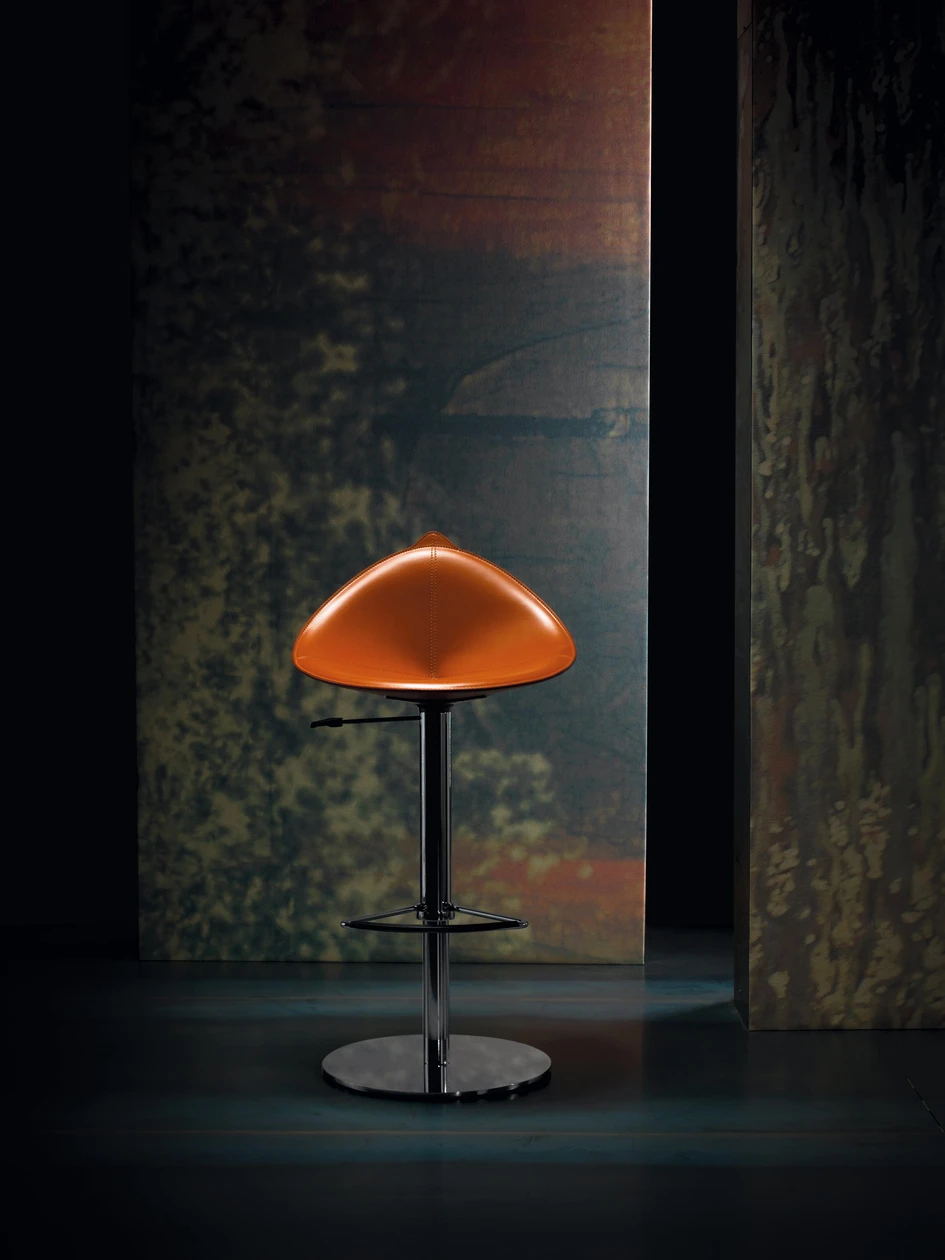

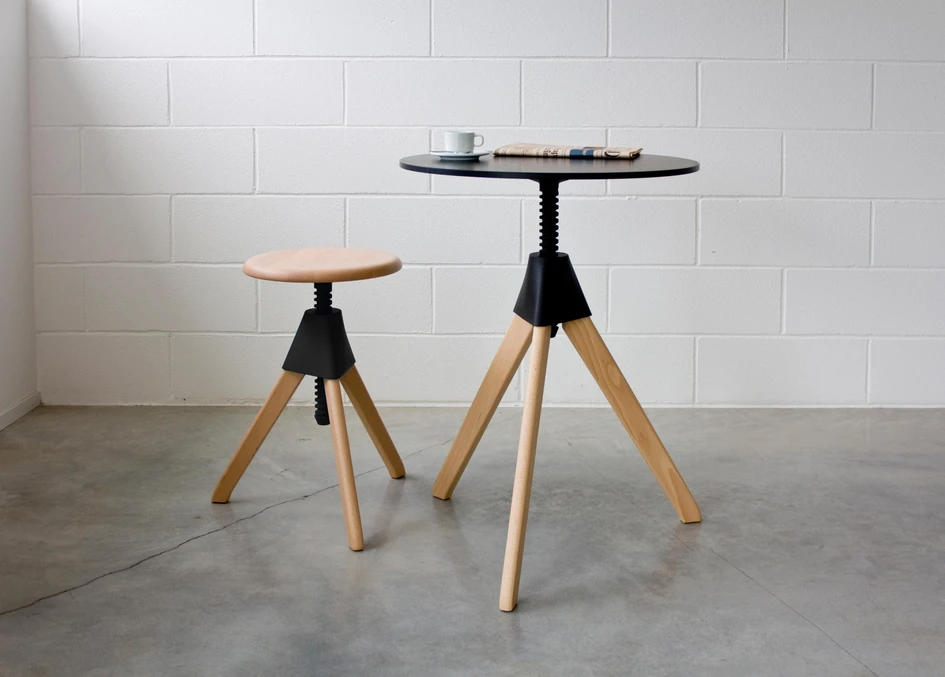
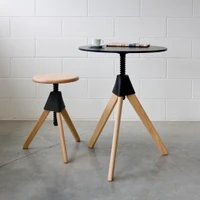
By attaching armrests to seat backs, designers of stools like DamST for Arrmet allow users to sit up straight, rather than lean forward to gain arm support. But a comfortable sitting position is also one at the perfect height. The Fiorile stool’s teardrop-shaped leather seat shell adjusts to a hydraulically altered height. Similar to footrests, however, height-adjusting levers can affect a stool’s otherwise-sleek silhouette. One alternative is spinning corkscrew mechanisms like the one in Magis’ Tom & Jerry stool. The main benefit here is the fun to be had, spinning yourself around, up and down. Just don’t let your mum catch you.

Temporary function: bar stools that are easy to store
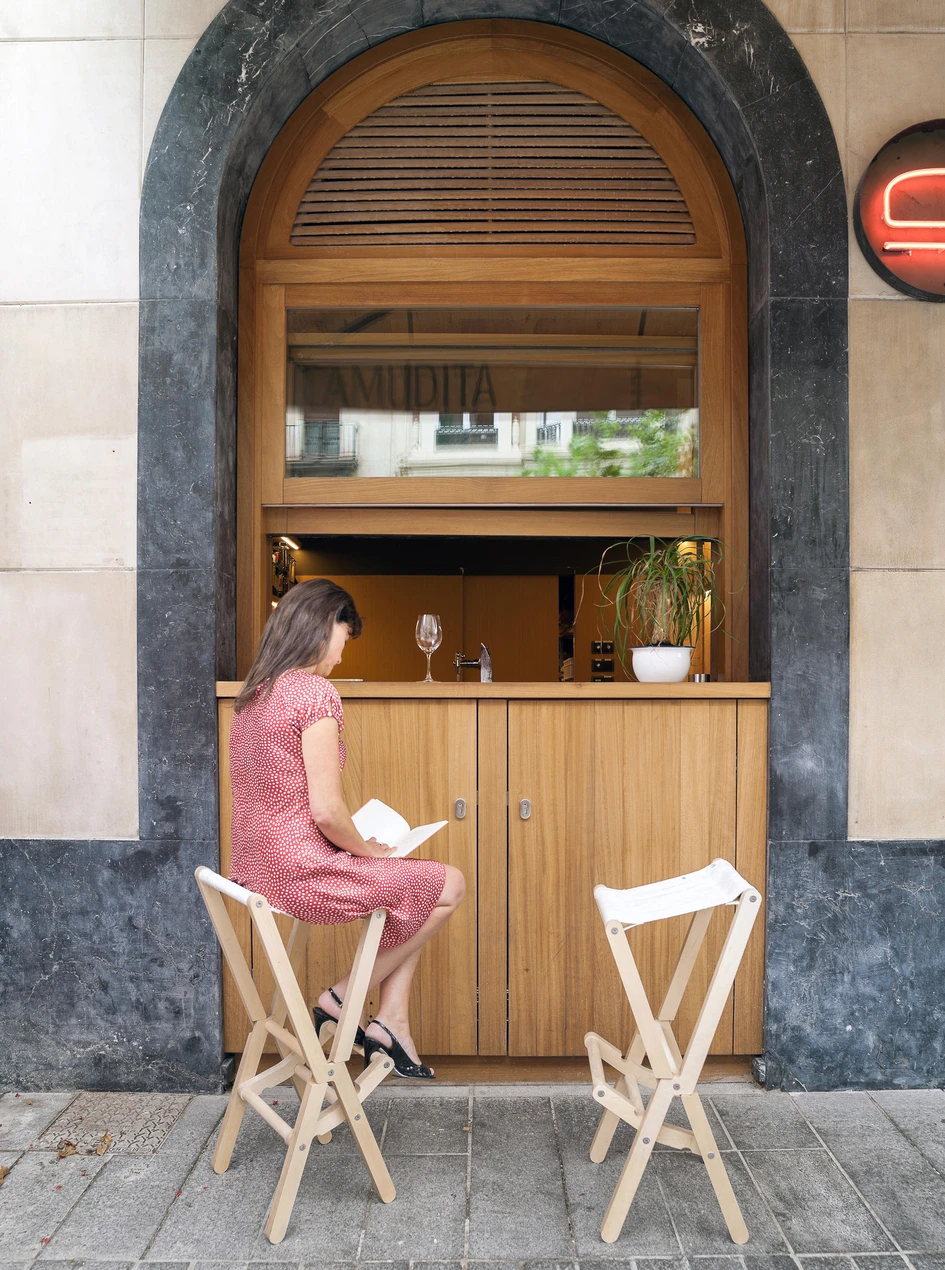
With the ability to tuck themselves under a counter, height-adjustable stools are increasingly functional, especially those that lie flat to aid cleaning. But the temporality of modern hospitality venues can mean stools need to be cleared away and stored elsewhere, often on a daily basis. Folding stools slim themselves down, but the extra movement in their joints puts additional strain on their construction. The use of thick plywood in Dvelas’ Ris high stools brings strength and stability, while the use of recovered sails gives rigidity and flex.The temporality of modern hospitality venues can mean stools need to be cleared away and stored elsewhere, often on a daily basis
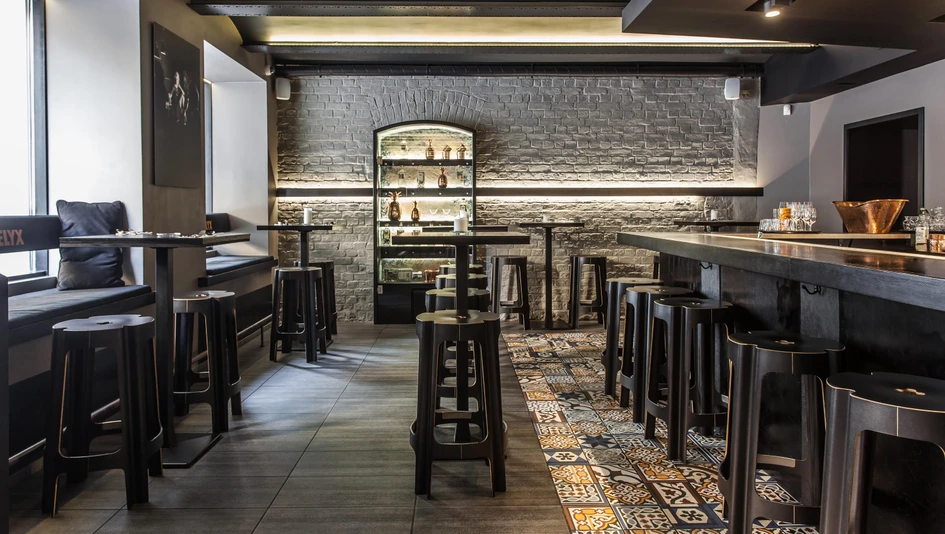
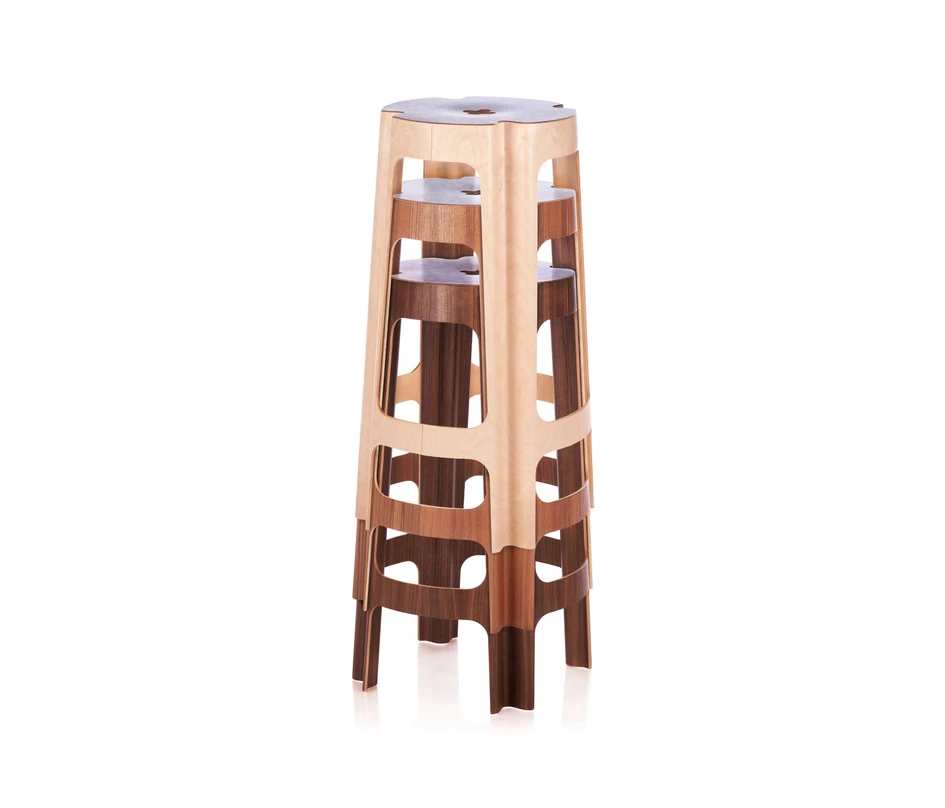
Stools unwilling to fold can instead opt to stack. Although labelled as ‘stackable’, in reality, many poorly balanced stools will tip over easily in groups larger than a handful. But lightweight circular stools like Bloom Bar from Riga Chair have no front or rear, so can be stacked up to limitless heights. At just 6mm thick, the moulded plywood stool’s strength comes from its waved legs, ensuring a stable connection.
© Architonic
Galerie de projets